
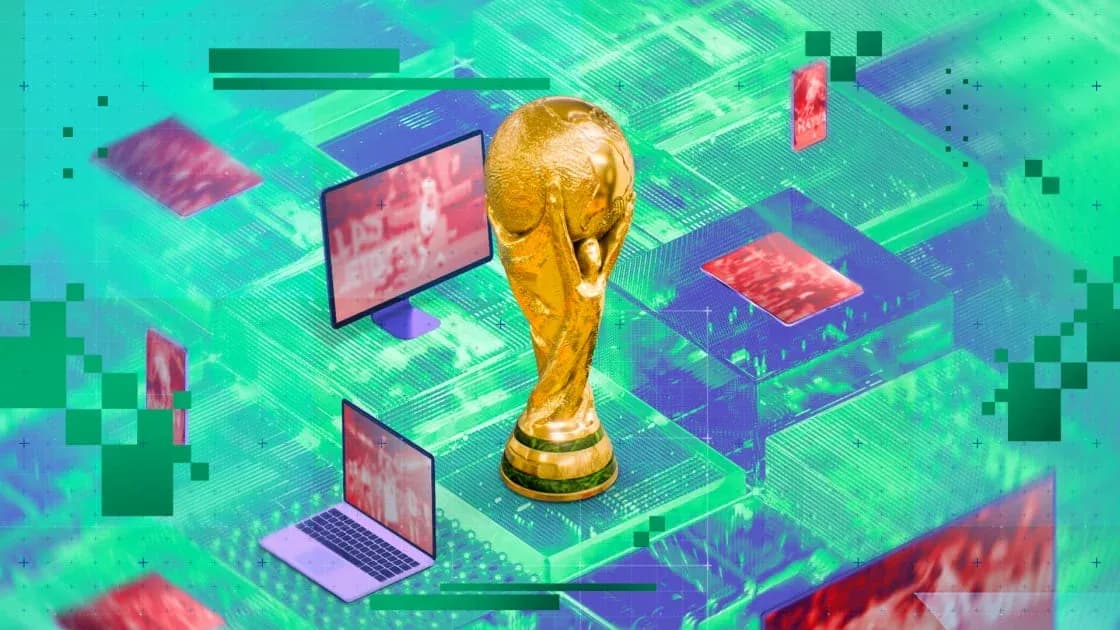
2026 FIFA World Cup Quarterfinals Preview: Key Matchups and Stakes
Seven left. Four places. One month that has turned a continent-wide carnival into a knife-edge sprint for the World Cup’s final weekend.
From 48 hopeful nations scattered across North America, the 2026 FIFA World Cup has been whittled down to a hard core of contenders: France, Spain, Belgium, Norway, England, Argentina, and Switzerland. The hosts are gone. The noise is different now. The stakes are not.
Quarterfinals Take Center Stage
The quarterfinals have settled into their rhythm, and the calendar is brutal.
First up, today in Los Angeles Stadium at 3 p.m. ET: Spain vs. Belgium. Two nations built on technical brilliance and midfield control, both carrying the scars of near-misses on the biggest stage. Spain bring their familiar carousel of possession; Belgium arrive as the team that knocked out Team USA in the Round of 16 and silenced a host nation’s dream in the process.
Tomorrow, the tension doubles.
At 5 p.m. ET in Miami Stadium, Norway face England in a clash that pits Scandinavian steel against Premier League-fueled depth. England arrive under the usual glare, with expectation never far away. Norway, drawn out of a group with France and Senegal, now stand one win from the biggest semifinal in their history.
Four hours later, at 9 p.m. ET in Kansas City Stadium, Argentina meet Switzerland. Argentina’s presence in the last eight feels familiar, almost expected. Switzerland’s does not. Yet here they are, hardened by a group that included Qatar and Canada’s Group B rivals, now one game from a seismic shock.
Waiting in Dallas on July 14 at 3 p.m. ET: France. The reigning European powerhouse already booked into the first semifinal at Dallas Stadium, they will face the winner of this quarterfinal gauntlet. The second semifinal follows on July 15 at 3 p.m. ET in Atlanta Stadium, with both participants still to be decided.
The bracket is clear. The path is not.
A World Cup Without Its Hosts
The narrative twist of this tournament came early. The United States, drawn into Group D with Paraguay, Australia, and Türkiye, fought their way out of the group only to fall to Belgium in the Round of 16. That defeat didn’t just end a campaign; it wiped out the last of the host nations.
Canada, who had started in Group B alongside Bosnia and Herzegovina, Qatar, and Switzerland, are out. Mexico, drawn into Group A with South Africa, South Korea, and Czechia, are gone too. For a World Cup spread across 16 cities in three countries, the knockout rounds now belong entirely to visitors.
From Atlanta to Vancouver, from Mexico City to Boston, the stadiums remain packed. The flags, though, tell a different story now. With North America’s own teams eliminated, neutrals are choosing sides: the artistry of Spain, the grit of England, the swagger of Argentina, the underdog promise of Norway and Switzerland.
A Tournament Stretched Across a Continent
This World Cup is unlike any before it. Sixteen host cities — Atlanta, Boston, Dallas, East Rutherford, Guadalajara, Houston, Kansas City, Los Angeles, Mexico City, Miami, Monterrey, Philadelphia, San Francisco, Seattle, Toronto, and Vancouver — have shared the load of 48 teams and a sprawling group stage.
The football has been relentless. Group matches ran from June 11 to June 27, a blur of color and noise as 12 groups of four fought through a round-robin schedule:
- Group A: Mexico, South Africa, South Korea, Czechia
- Group B: Canada, Bosnia and Herzegovina, Qatar, Switzerland
- Group C: Brazil, Morocco, Haiti, Scotland
- Group D: United States, Paraguay, Australia, Türkiye
- Group E: Germany, Curacao, Ivory Coast, Ecuador
- Group F: Netherlands, Japan, Sweden, Tunisia
- Group G: Belgium, Egypt, Iran, New Zealand
- Group H: Spain, Cape Verde, Saudi Arabia, Uruguay
- Group I: France, Senegal, Iraq, Norway
- Group J: Argentina, Algeria, Austria, Jordan
- Group K: Portugal, Congo DR, Uzbekistan, Colombia
- Group L: England, Croatia, Ghana, Panama
From there, the tournament tightened. Knockout football began on June 28. The quarterfinals kicked off July 9. The semifinals will hit on July 14 and 15, with the third-place match set for Saturday, July 18. The world champion will be crowned on Sunday, July 19.
Every date from here on carries weight. Every mistake can end a dream.
How the World Is Watching
On the pitch, the margins are thin. Off it, the numbers are huge.
In the United States, Fox holds the main English-language rights, broadcasting 70 games, including every match from the Round of 16 through the final. FS1 picks up another 34. Spanish-language coverage belongs to NBCUniversal, with Telemundo showing 92 matches and Universo carrying 12 more.
For fans without cable, the choices are clear but rarely cheap. Live TV streaming services have become the new turnstiles:
- DirecTV offers Fox and FS1 via its $50 MySports base pack for the first two months, undercutting its higher base packages.
- Fox One, the network’s own streaming app, puts every match in one place for $20 per month.
- Fubo’s Sports plan comes in at $45.99 for the first month, then $55.99, with an optional $5 add-on promising 4K streams.
- Hulu’s live TV package sits at around $90 per month for Fox and FS1, with extra charges for Spanish-language add-ons like Universo and Telemundo.
- Peacock’s $10.99 Premium plan unlocks live sports and the Spanish-language broadcasts on Telemundo and Universo.
- Sling’s $30-per-month Sling Select plan delivers Fox and FS1 at a lower entry point.
- YouTube TV, typically $83 per month, now offers a $65 Sports package that still includes Fox and FS1.
For many, the living room has become the stadium. Big-screen TVs, motion-smoothing toggled on to sharpen the flight of the ball, then hastily turned off for dramas and films. The soundtrack: commentary in English, Spanish, or whichever language a fan can find.
Free options exist, but only in fragments. FIFA+ is streaming select matches at no cost. FIFA and YouTube have struck a deal that allows rights holders to show the first 10 minutes of games and a limited number of full matches free on YouTube. Tubi, Fox’s free platform, has carried specific group-stage fixtures such as Mexico vs. South Africa and USA vs. Paraguay. Free trials on platforms like FuboTV and Hulu offer brief windows into the tournament, but not the full journey.
The message is simple: to follow every minute, you still have to pay.
The VPN Factor
One more layer has slipped into the modern World Cup experience: the VPN.
A virtual private network does more than secure a connection. It can shift a viewer’s apparent location, unlocking streams in other countries and opening up new commentary teams, new languages, and in some cases, free broadcasts.
Across Europe, several public broadcasters are showing games at no direct cost to viewers in their regions: BBC iPlayer and ITV Hub in Britain, L’Equipe TV and TF1 Player in France, RTÉ Player and Virgin Media Play in Ireland, RTVE Play in Spain. With the right VPN, some fans are trying to tap into that ecosystem from afar, hopping digital borders even as the tournament’s physical borders stretch from Vancouver to Mexico City.
Free VPN options such as Proton VPN and TunnelBear have become part of that conversation. Compatibility can change quickly, but the intent is clear: fans will go a long way to watch their team, or to follow the storylines unfolding in stadiums thousands of miles away.
A World Cup With an Edge
This tournament has not unfolded in a vacuum. The choice of the United States as a major host, amid ongoing political tensions around immigration and the global nature of football’s fan base, has drawn scrutiny. High ticket prices have only sharpened that edge, pushing many supporters toward streaming as the only realistic way to stay connected.
On the ground, though, the noise inside the arenas has rarely dipped. Local fans have adopted visiting nations. Traveling supporters have painted city centers in their colors. Each host city has even been given its own musical identity, with a local remix of the official FIFA World Cup 26 Theme. DJ Jazzy Jeff stamped his sound on Philadelphia’s version; Tech N9ne did the same for Kansas City’s track. It’s a reminder that this World Cup isn’t just about who lifts the trophy. It’s about how each city leaves its mark on the tournament’s soundtrack.
Now, as the quarterfinals bite down, all of that fades into the background for 90 minutes at a time.
Spain and Belgium will decide who walks out of Los Angeles still dreaming. Norway and England will test each other’s nerve in Miami’s humidity. Argentina and Switzerland will step into the Kansas City night knowing that one of them is just two wins from immortality.
France are already waiting in Dallas. The bracket is tightening. The hosts are gone. The stage belongs, entirely, to the seven who are still standing.
Which of them will still be there when the lights go up on July 19?
Related News
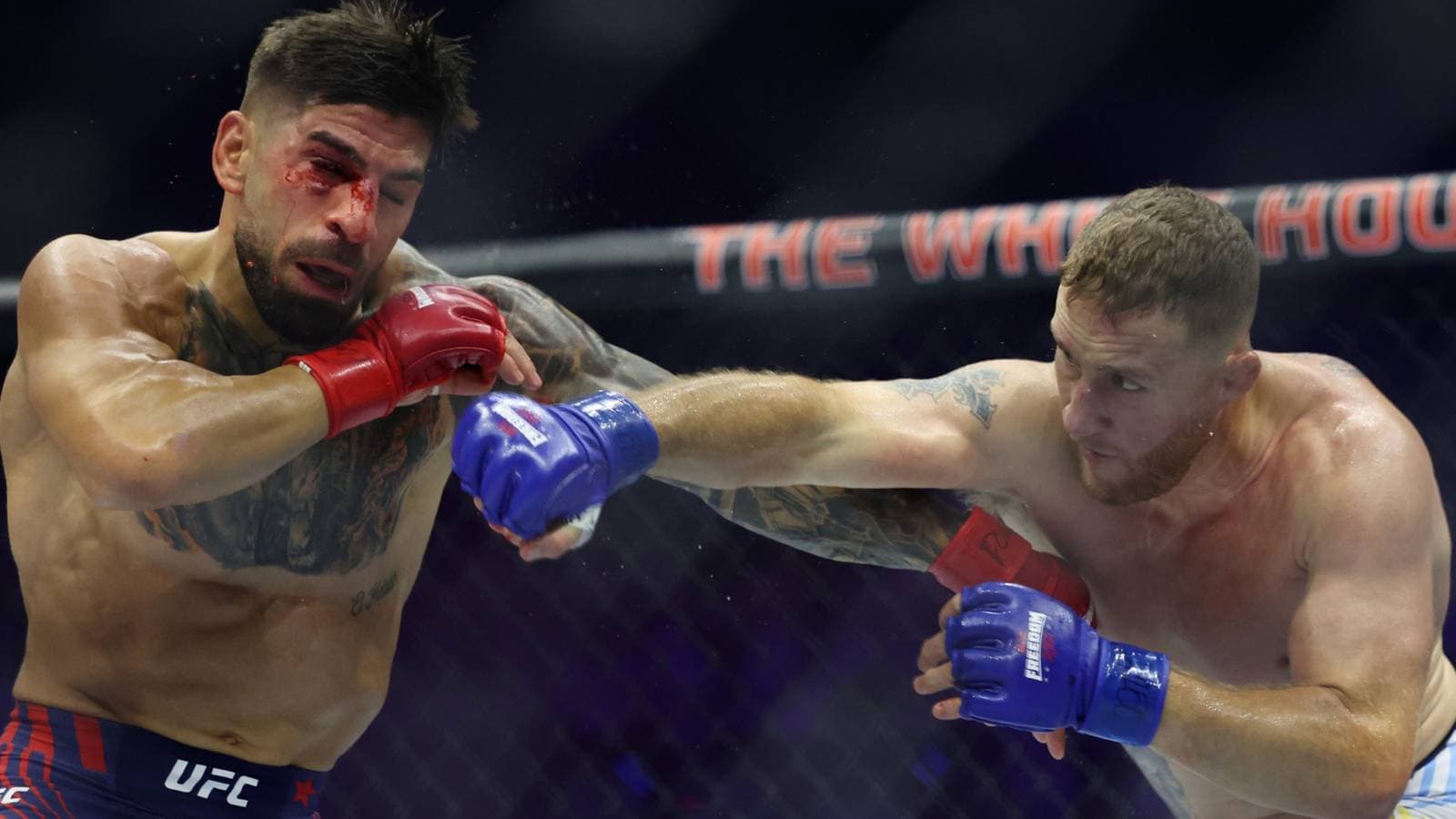
Ilia Topuria Accuses Justin Gaethje After UFC Defeat
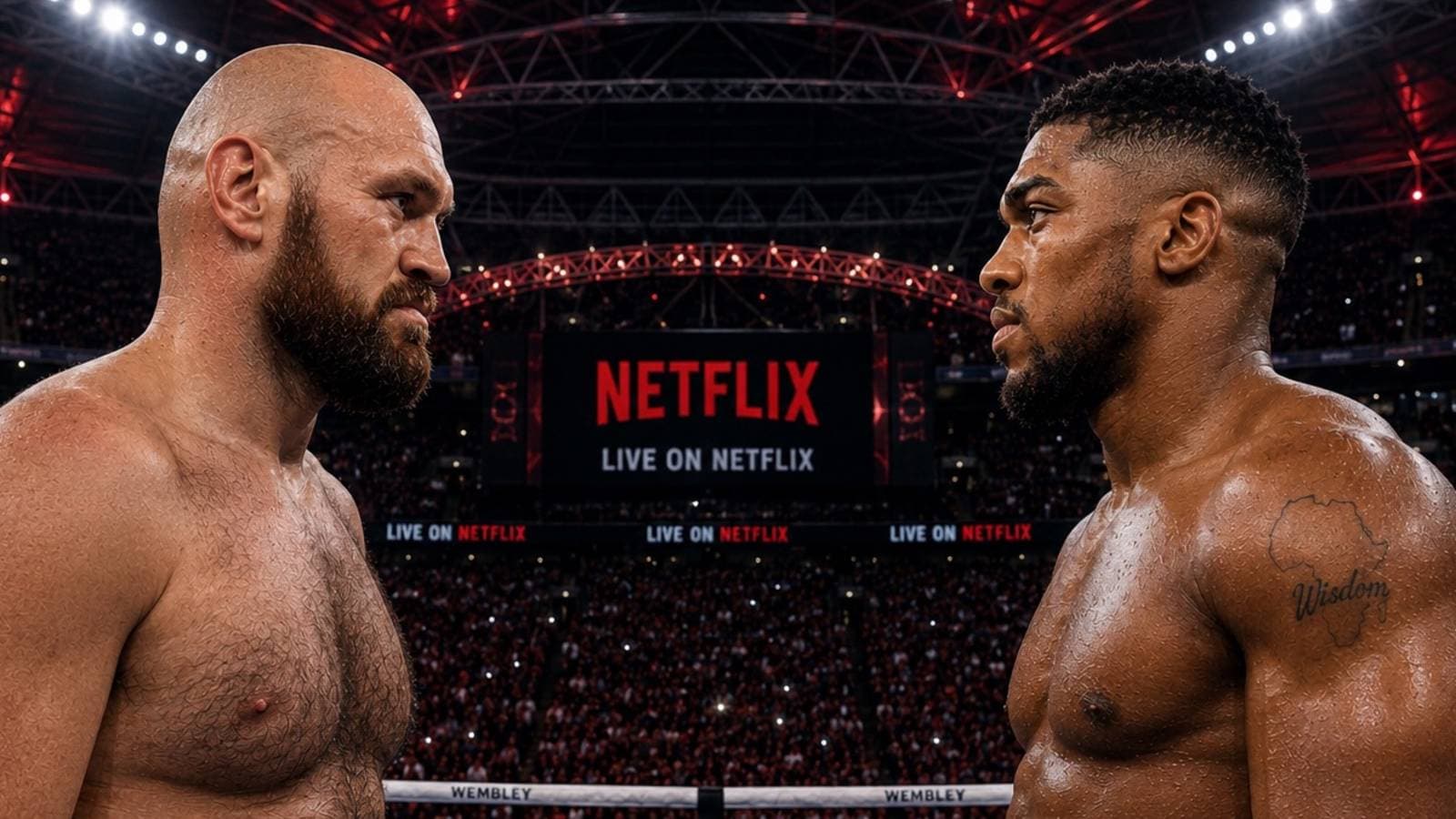
Tyson Fury vs Anthony Joshua Fight Date and Venue Confirmed

Switzerland Calls Up In-Form Sion Striker Winsley Boteli for Nations League

Bournemouth Secures Historic 2-1 Win Over Real Sociedad in Spain
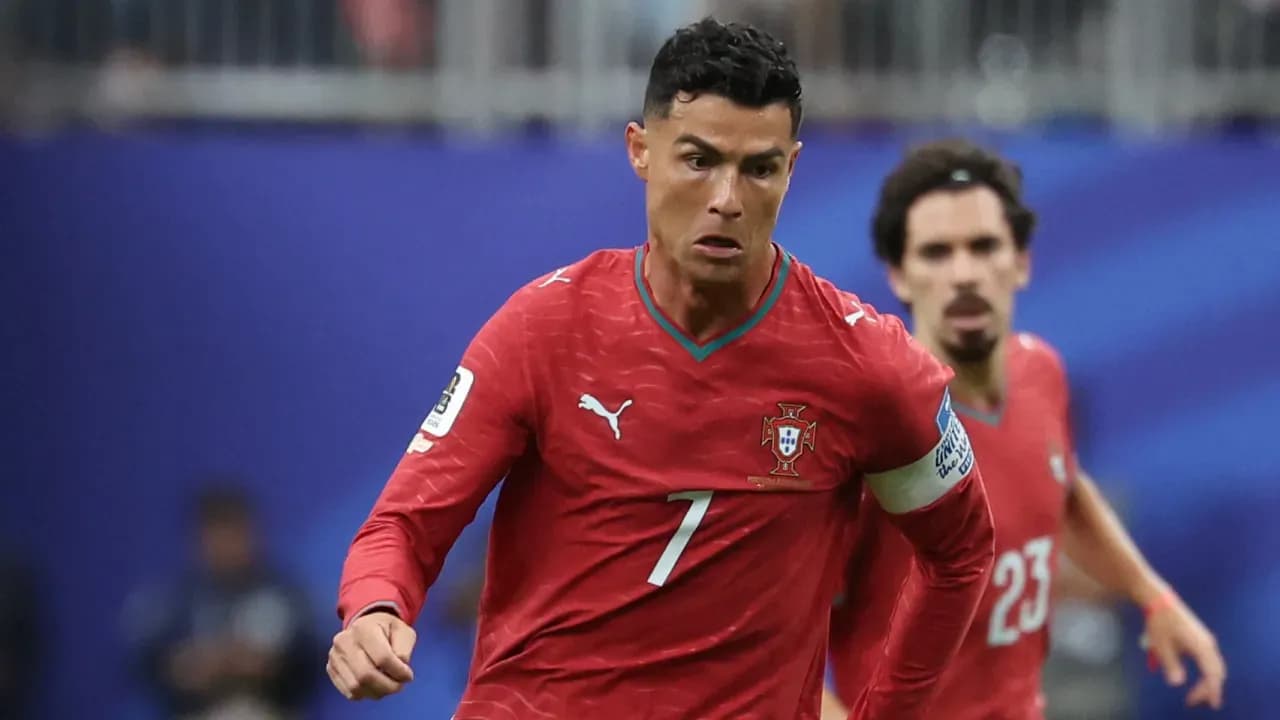
Portugal Announces Squad for 2026 UEFA Nations League; Cristiano Ronaldo Expected to Play

Raphinha Channels Ronaldo Nazario as Barcelona's Leading Striker After Position Change