
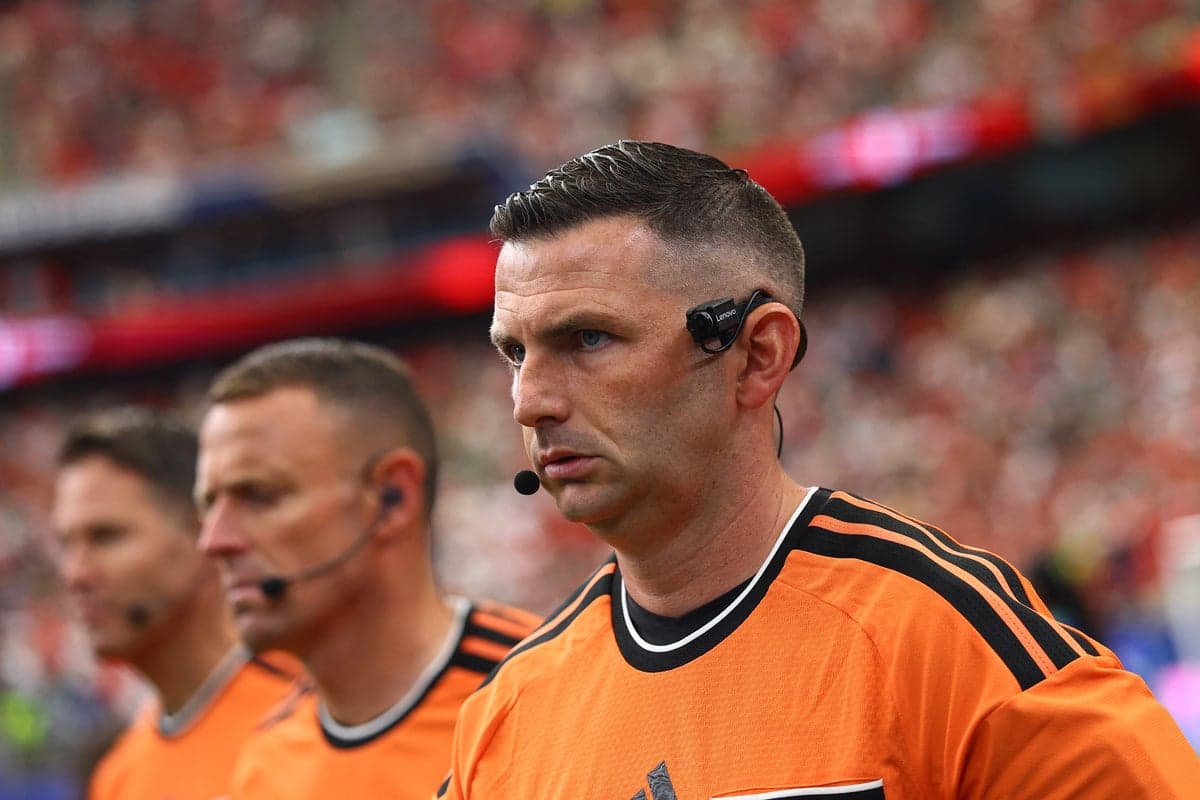
How Politics Influences Referee Choices at the World Cup
As the 2026 World Cup approaches its final rounds, discussions have shifted beyond players' performances to the referees and their assignments. This week, a notable decision stirred debate: an all-Argentine officiating team managed France's 2-0 victory over Morocco.
Many fans found this curious, especially since France may face defending champions Argentina again in the final, repeating the 2022 matchup. Fifa also revealed that English referees Anthony Taylor and Michael Oliver would not oversee any matches involving Argentina due to the lingering sensitivities from the Falklands War 44 years ago.
What Guides Referee Assignments?
Referee appointments rely heavily on consistent performance over several years. Each official works closely with two assistants throughout the tournament. The selection is overseen by the Fifa Referees Committee, led by Pierluigi Collina, a highly respected former World Cup referee.
Performance remains key, but political factors influence decisions as well. Referees never officiate their home country's matches. They also avoid games that directly impact their nation’s potential progress. For example, an English referee wouldn't handle matches like Panama vs Croatia if England could face the winner soon after.
This careful approach explains why Argentina's officials were allowed to manage the France-Morocco quarter-final despite Argentina possibly meeting France later in the competition.
Confederation Neutrality Matters
Fifa prefers referees from neutral confederations. If an African team meets a South American one, European referees might be chosen. Conversely, if two European teams meet, such as Spain vs Belgium, officials from Europe can oversee the game—as Michael Oliver did.
Geopolitical tensions also play a role. No American referee would be assigned to an Iran match given current relations. The decision process lacks strict rules and adapts case by case, blending logic and sensitivity.
The Falklands War’s Role
The Falklands conflict still influences referee choices. English officials won’t manage Argentina’s games or those that could immediately affect Argentina’s fate, and vice versa. This likely prevents English referees from overseeing the final, since England and Argentina share a half of the bracket.
Argentina’s recent celebrations included the song "Muchachos," referencing the islands by their Argentine name "Malvinas," keeping the issue politically charged. Older conflicts like World War II don’t affect assignments; German referees, for instance, can officiate England’s matches.
Exceptions Exist
There have been unusual cases. In 2006, Argentine referee Horacio Elizondo oversaw England's quarter-final loss to Portugal, marked by Wayne Rooney’s controversial red card. Fifa has not explained why current rules about the Falklands weren’t applied then.
Related News

FIFA World Cup 2026 Commentary Team: Complete List of Presenters and Analysts
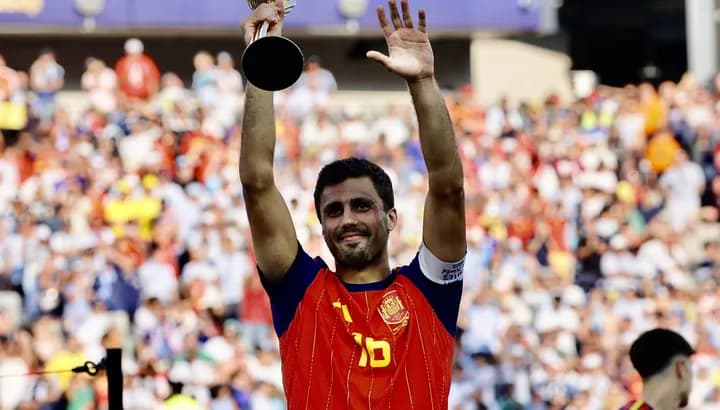
World Cup 2026 Best XI: Messi, Rodri, Mbappe Lead the Lineup

Spain’s Tactical Mastery Behind Their Second World Cup Triumph
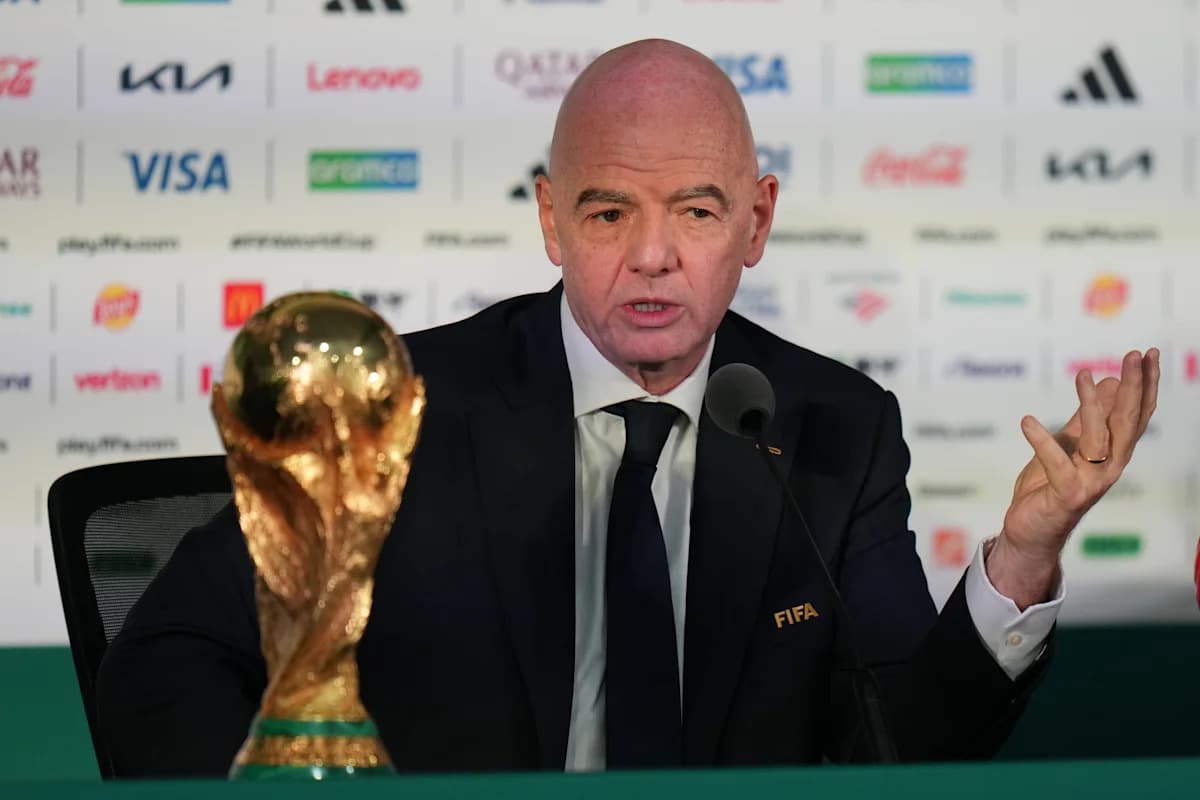
Gianni Infantino Criticizes World Cup 2026 Detractors Amid Event's Success
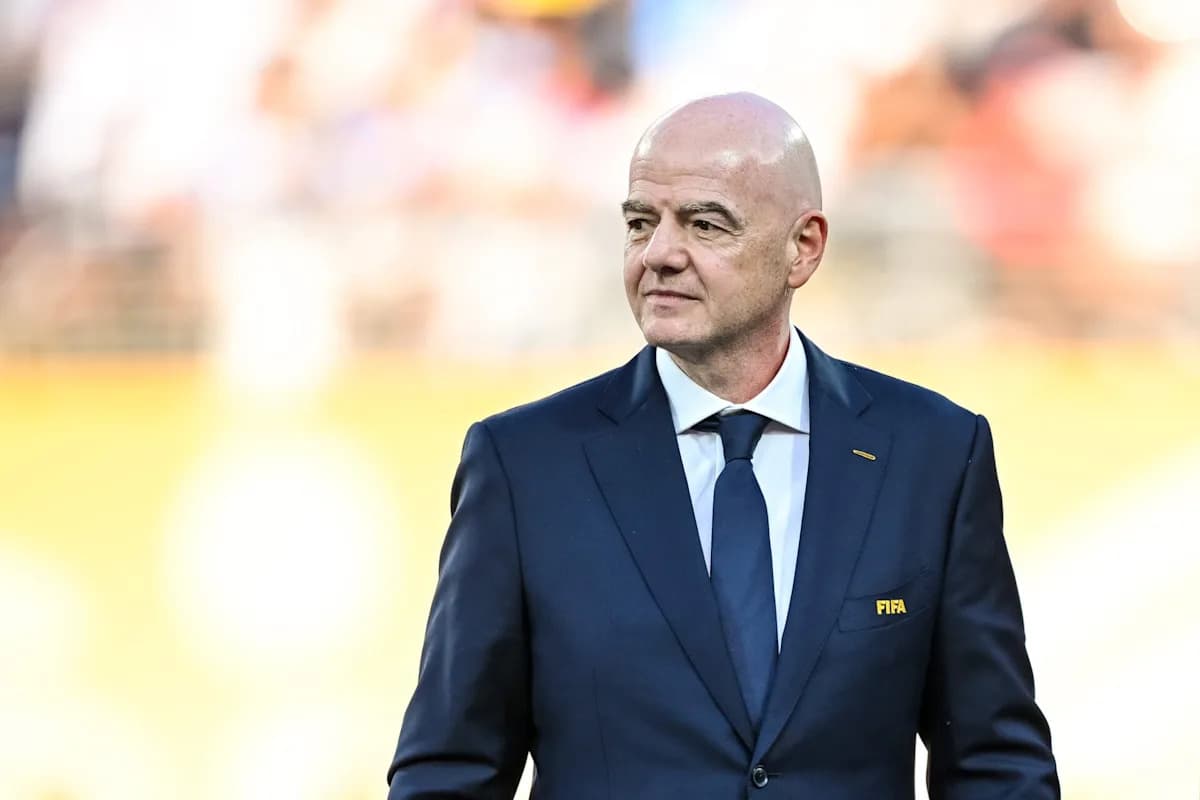
FIFA President Gianni Infantino Responds Strongly to 2026 World Cup Critics
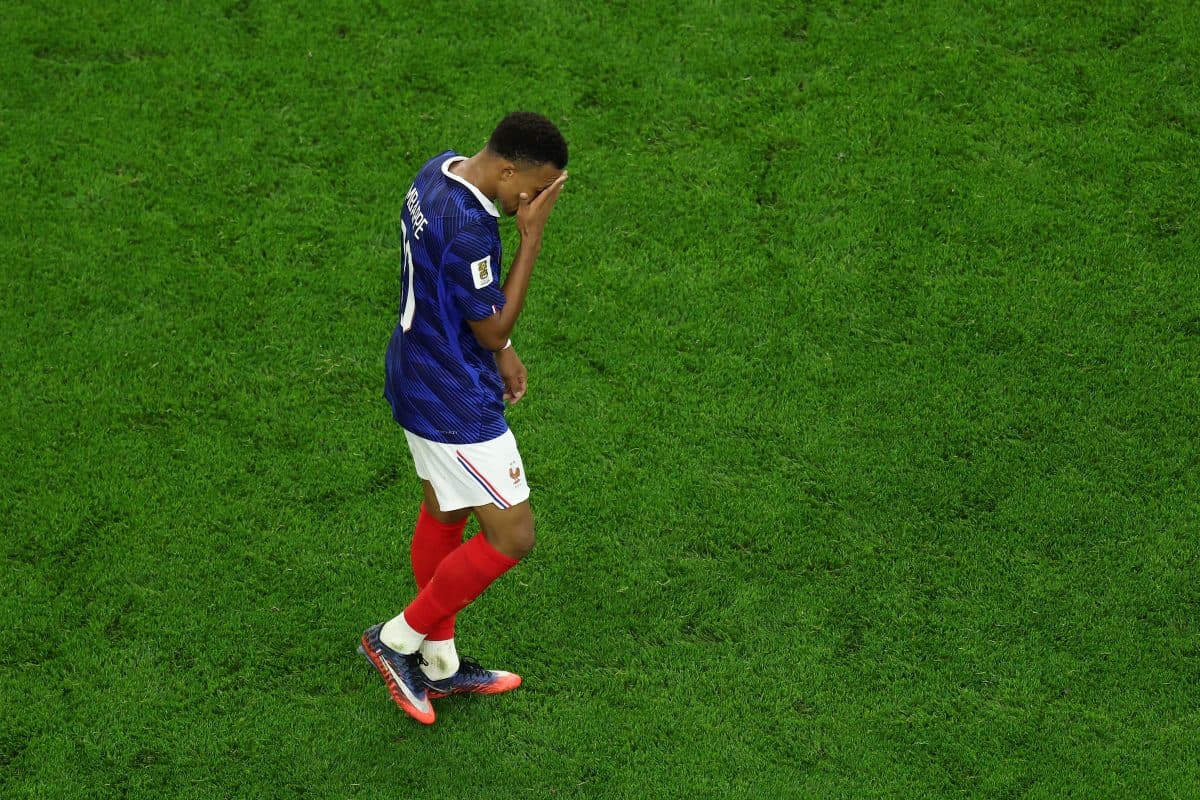
Kylian Mbappé Pens Open Letter to France Fans After 2026 World Cup