
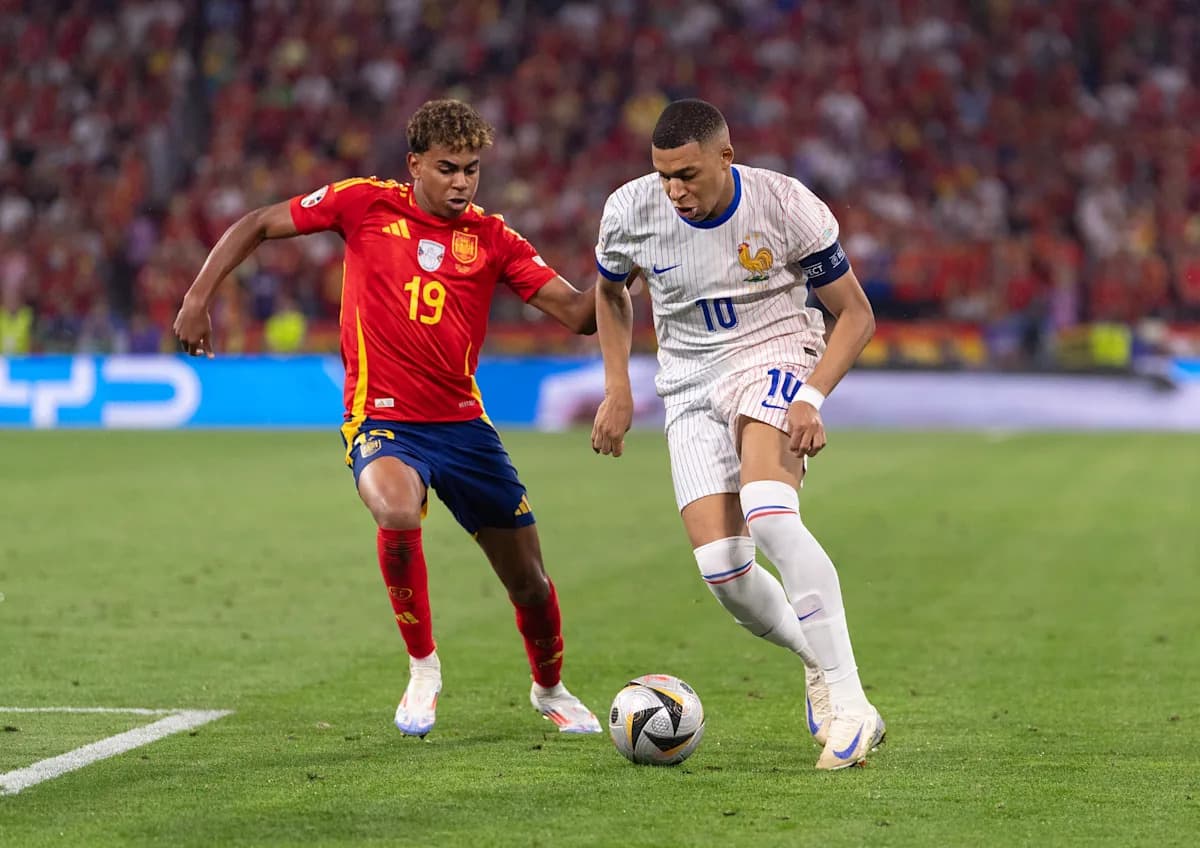
World Cup Power Rankings: France, Spain, Argentina, and England Lead the Pack
The semifinal stage of the World Cup sharpens the focus on which teams truly stand out. At this point, the differences between contenders are razor-thin, demanding close scrutiny to separate one from another. It’s rare for a team to advance through the group phase and three knockout rounds without being capable of winning the whole tournament.
This year illustrates that perfectly, with the top four teams in FIFA’s rankings reaching the semifinals. Each has previously won the World Cup and appeared in several major finals over the last 15 years.
The matchups themselves matter less now since the eventual champion must overcome two of these elite squads. These power rankings weigh both the chance to win and the teams’ overall quality.
1. France
France has held the top spot in these rankings for most of the tournament. Their 2-0 quarterfinal victory over Morocco didn’t shake that status. Interestingly, France didn’t dominate possession for the first time but still controlled the match comfortably.
They exploited space behind Achraf Hakimi consistently, leveraging Kylian Mbappé’s speed on the left side against Morocco’s main attacking threat. This tactical adjustment shows France’s ability to adapt and utilize their stars effectively.
Facing Spain next means they’ll need to find ways to break through a pressing style that’s troubled others. Still, France holds the greatest potential among the semifinalists. The outcome could swing either way, but France seems more likely to deliver a decisive victory.
2. Spain
One could argue that Spain deserves the top ranking. They have allowed only one goal, tied for the fewest conceded, and have the lowest expected goals against (1.8) and shot quality against (0.05 xG per shot). Offensively, Spain leads the tournament with 11.7 non-penalty expected goals alongside 11 scored.
Their suffocating press forces opponents into mistakes, evident by 56 percent of their possessions starting in the middle and attacking thirds, highest among quarterfinalists. Although their attack hasn’t fully clicked yet, their stats closely mirror France’s, making the two teams almost neck and neck.
Spain boasts a stronger midfield overall, while France relies more on star power up front. The semifinal in Dallas promises an exciting contest. A win for Spain would be a slight upset, but not unexpected, and whoever progresses will be favored against either England or Argentina.
3. England
England climbs one spot after scraping a third straight narrow knockout win. Winning tight games often signals resilience, and England has clearly crossed that line.
Under Thomas Tuchel’s guidance, the squad has shown versatility in how they win. They broke down Congo DR’s defensive block, endured being a man down versus Mexico, and limited Norway’s Erling Haaland.
Argentina poses a unique challenge, especially with Lionel Messi in their ranks, but England’s aerial strength could make a difference at both ends. Harry Kane and Jude Bellingham stand out as match-winners, supported by midfielders who can attack centrally or from wide positions.
England’s ability to win through defense or offense places them just behind France and Spain, who have displayed slightly higher levels throughout the tournament.
4. Argentina
Argentina slips one spot after a nervy 3-1 quarterfinal win over Switzerland, sealed by Lautaro Martínez’s stoppage-time goal. Like England, their knack for winning close matches is notable, though the manner of those wins raises questions.
Argentina leads the tournament with 16 non-penalty goals but ranks fourth in expected goals (10.4), boosted by two extra-time games. Their attacking options seem narrower compared to others.
Concerns linger about their ability to attack with width given the absence of explosive wingers. They’ve sent in just 78 crosses across six games, tied for the fewest among semifinalists. While crosses aren’t always effective, their low number suggests limitations in creating space through wide attacks. When chasing goals, opponents have been able to defend tightly, stifling Argentina’s central play.
Still, Lionel Messi’s presence and the team’s passion keep them dangerous. Over two more games, those qualities might defy expectations and crown Argentina as a repeat World Cup winner. They may not be quite on par with the other three right now, but Messi and company could rewrite that story.
Related News
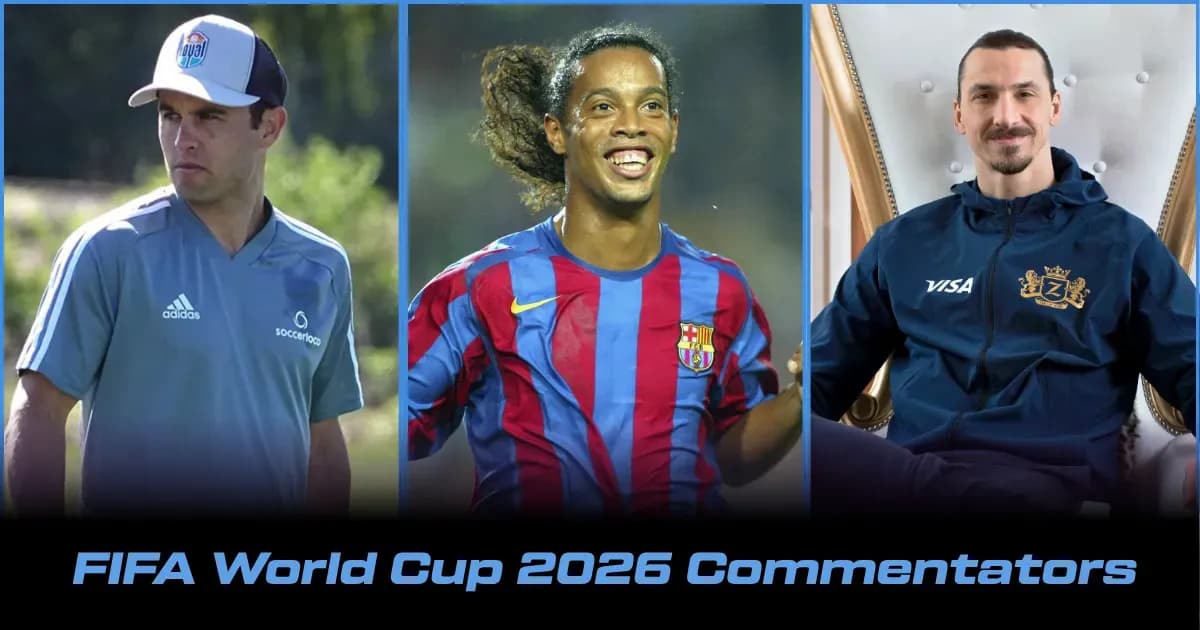
FIFA World Cup 2026 Commentary Team: Complete List of Presenters and Analysts
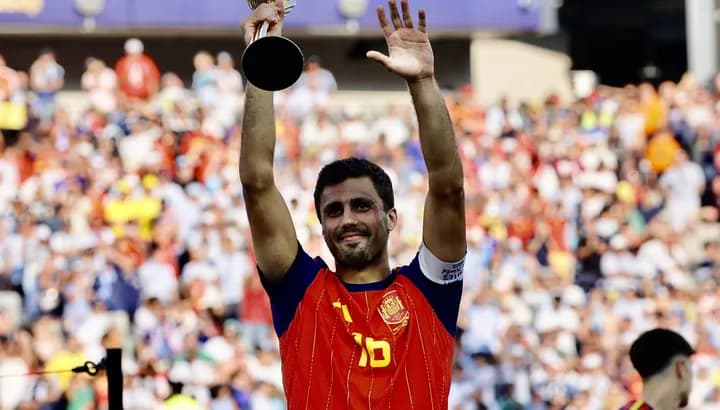
World Cup 2026 Best XI: Messi, Rodri, Mbappe Lead the Lineup
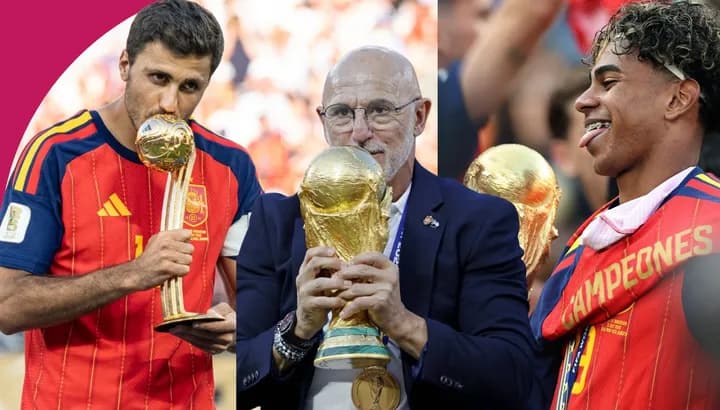
Spain’s Tactical Mastery Behind Their Second World Cup Triumph
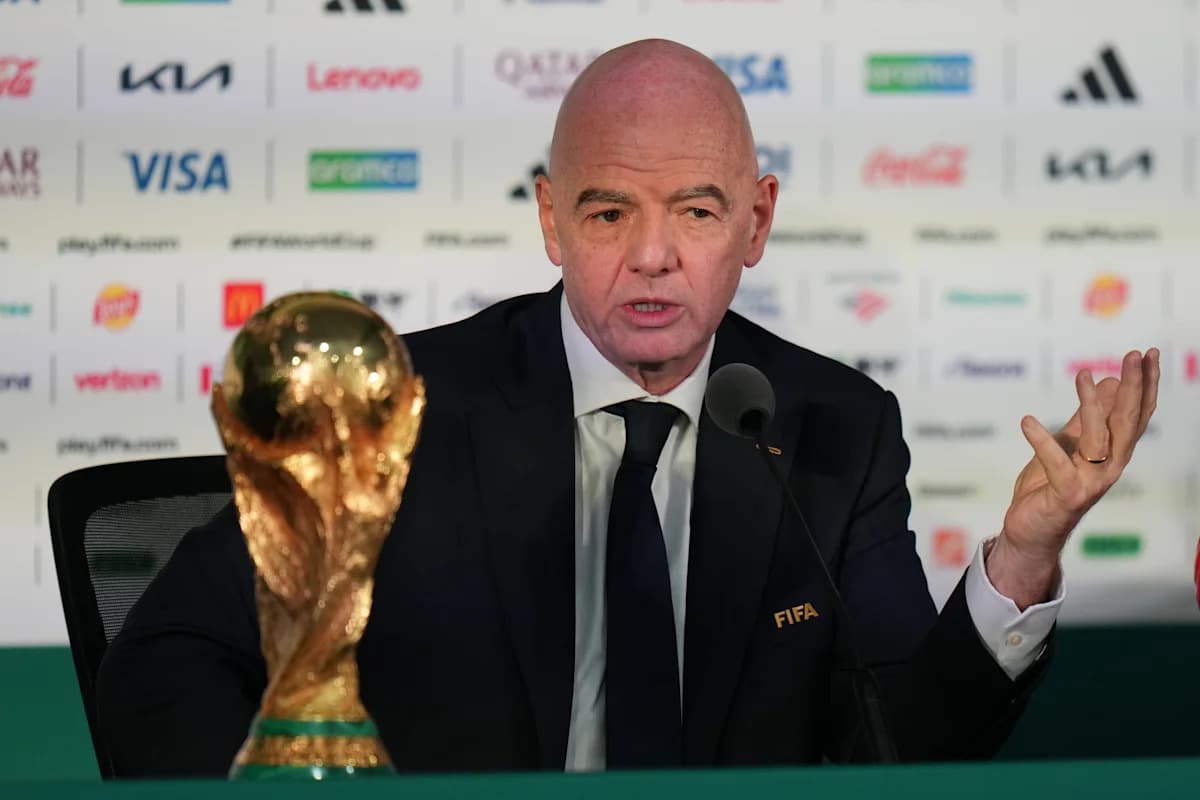
Gianni Infantino Criticizes World Cup 2026 Detractors Amid Event's Success
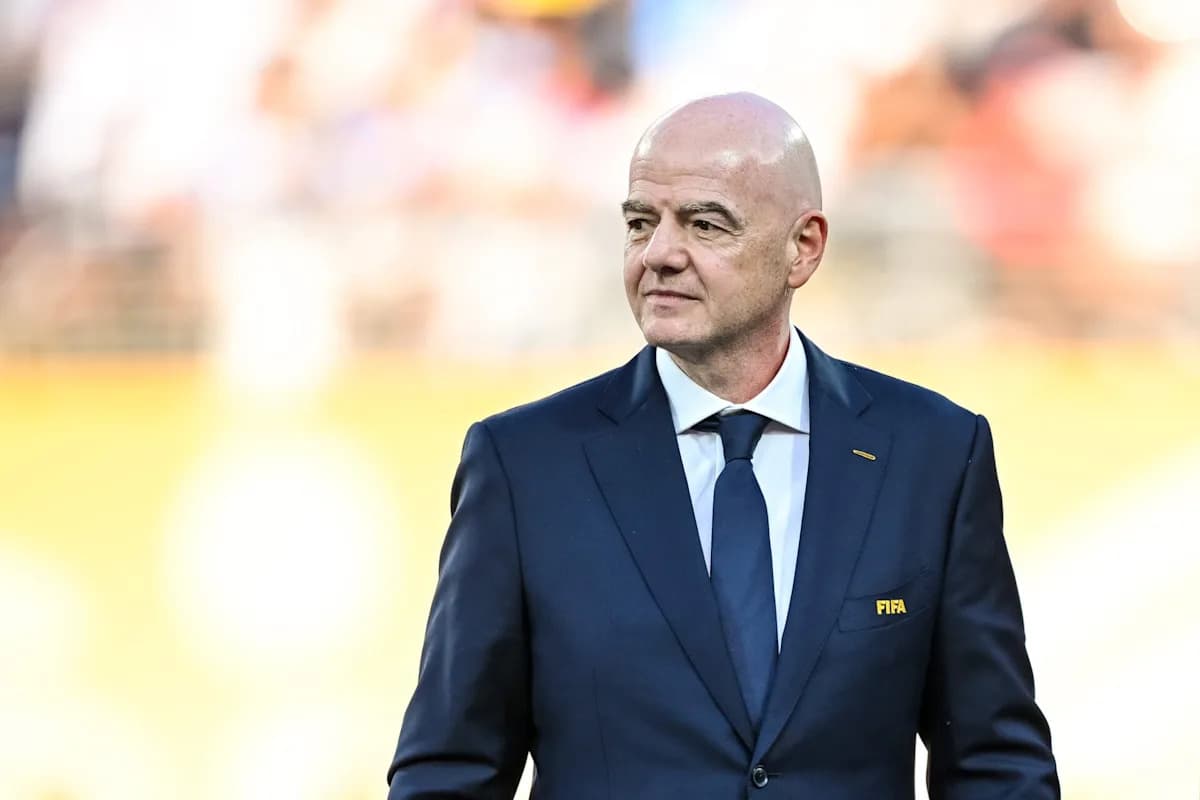
FIFA President Gianni Infantino Responds Strongly to 2026 World Cup Critics
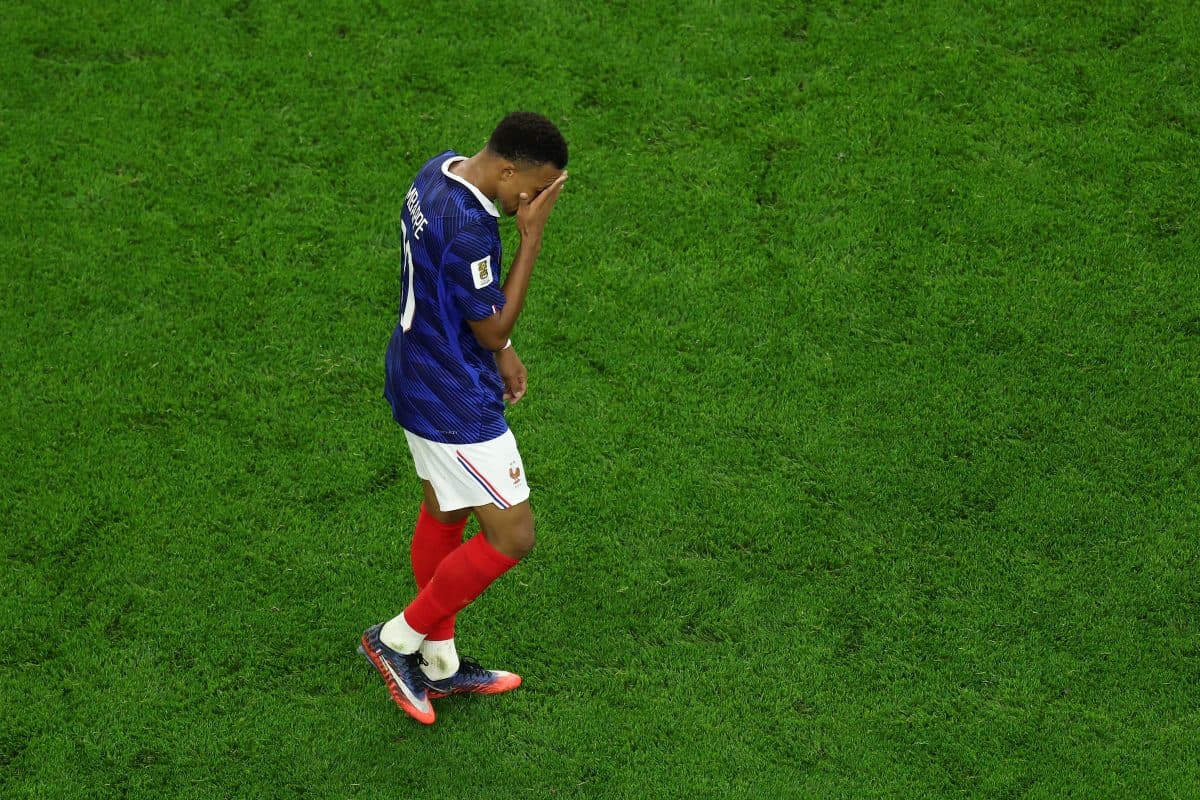
Kylian Mbappé Pens Open Letter to France Fans After 2026 World Cup