
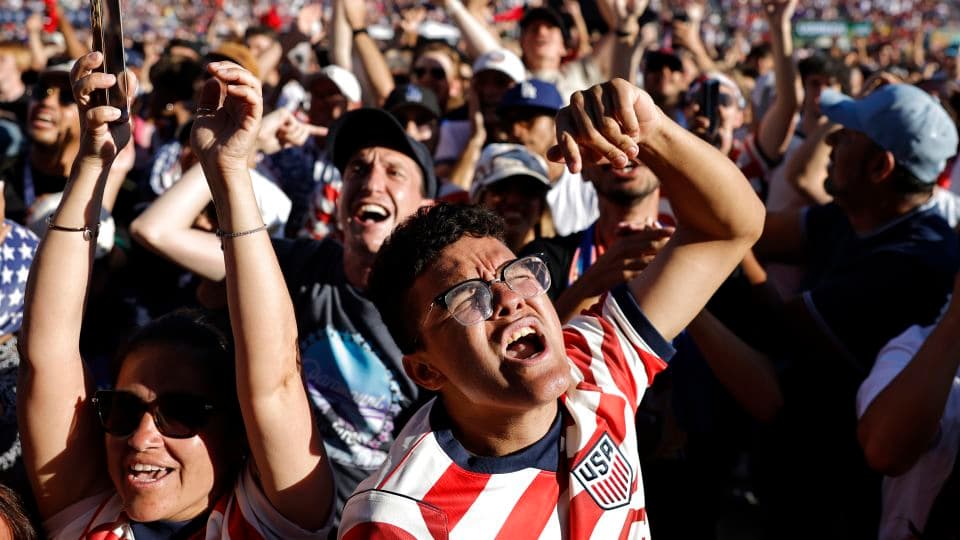
How the World Cup Turned Into America's Summer Celebration
Before this World Cup kicked off, worries were everywhere. The lengthy US government shutdown had left cities struggling to prepare for millions of visitors. Political tensions in the country made many doubt if fans from around the world would even show up. Reports about inflated prices around the games hinted at empty seats as travel costs soared. On top of that, the war in Iran cast a shadow on America's image globally.
Despite all this, the tournament turned out to be a massive celebration instead of a disaster. From the first match in Mexico City to the final whistle in New Jersey, North America hosted one of the liveliest parties the world has witnessed. It was a shift in energy that the country needed badly.
Fans Bringing Cities to Life
On opening night in Mexico, South Korean and Mexican supporters mingled like old friends. Moving north, we saw Scots practically drain Boston's bars, Norwegians organizing "Viking rows" on any surface they could find, and crowds from Brazil, Argentina, and Colombia filling entire cities. Tourists also got introduced to American treats like Buc-ee’s and Waffle House, adding to the fun.
For a moment, Americans dared to dream their team could actually compete after two thrilling wins early on. While politics often cloud the nation's mood, for over five weeks the headlines came from diverse cities — Algeria's affection for Lawrence, Kansas; Scotland's summer takeover of Boston and Miami; Seattle's buzzing atmosphere; Atlanta's downtown crowded with fans. These moments reminded many of the country's true charm.
Politics Didn’t Stay Away
Political issues did arise during the tournament. The Iranian team's treatment sparked criticism, as FIFA and US officials forced last-minute changes to their training location and limited their time in the country. President Donald Trump’s involvement in the Folarin Balogun situation cast doubts on the event's integrity, though Belgium's win soon refocused attention on the sport itself. Visa problems affected some referees and teams, attributed to policies under the Trump administration.
Despite predictions that Trump’s presence would dominate coverage, soccer remained the star. After the controversy surrounding Balogun, Lionel Messi led Argentina in a stunning comeback against Egypt, turning a 2-0 deficit into a 3-2 victory. That match underscored how the passion on the field could drown out political distractions.
A Lasting Impact Beyond the Scores
When Rodri raised the trophy and Spain celebrated, analysts began examining economic impacts and whether hosting paid off. Yet the most obvious takeaway was something numbers can’t capture: America showed the world it isn’t defined by its politics alone. The warmth and friendliness of everyday Americans impressed visitors, many of whom said they hadn’t expected such hospitality based on news reports back home.
Yes, the country still faces many challenges. But for 39 days, people from all over gathered, shared stories, cheered for their teams, and filled stadiums. For once, the biggest problem was deciding what to watch when no matches were on TV.
This World Cup gave us unfiltered joy. We danced with Congolese fans celebrating their historic win over Uzbekistan, lost ourselves watching Cape Verde almost topple the reigning and former champions, and bonded over meals and drinks with strangers from distant lands.
The tournament may have ended, but hopefully, it changed something — how the world sees Americans and how Americans see themselves.
Related News
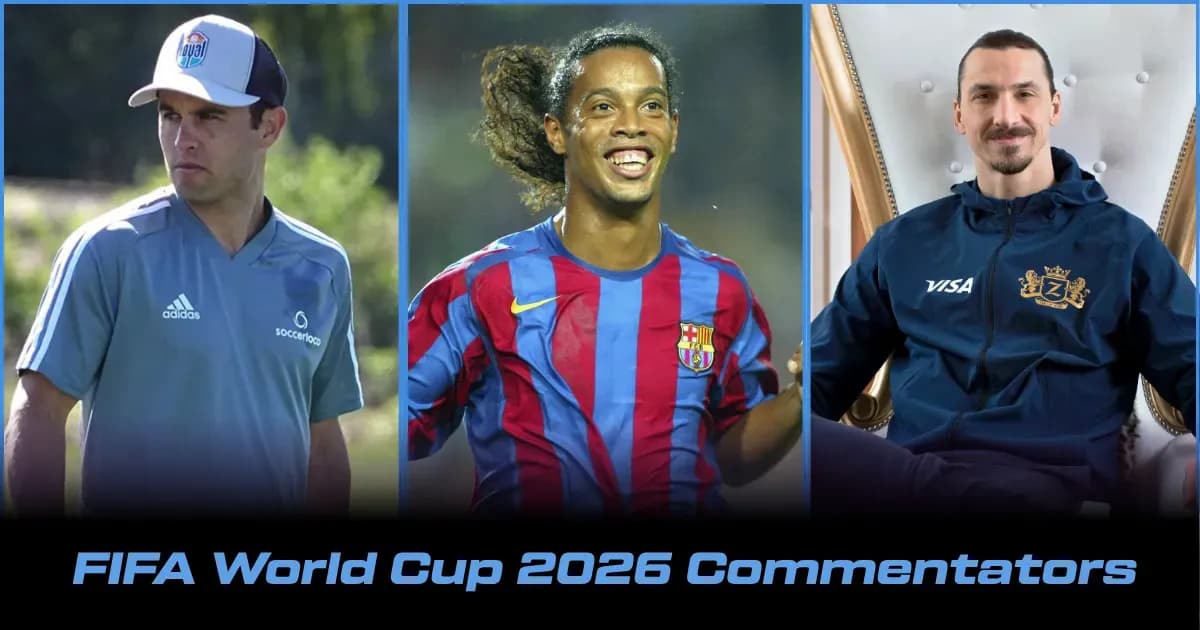
FIFA World Cup 2026 Commentary Team: Complete List of Presenters and Analysts
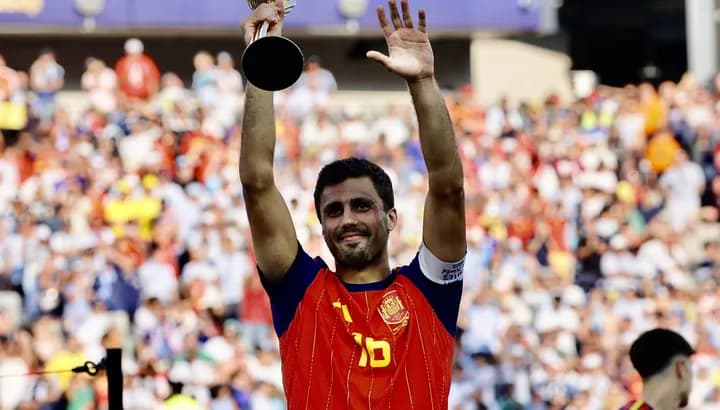
World Cup 2026 Best XI: Messi, Rodri, Mbappe Lead the Lineup
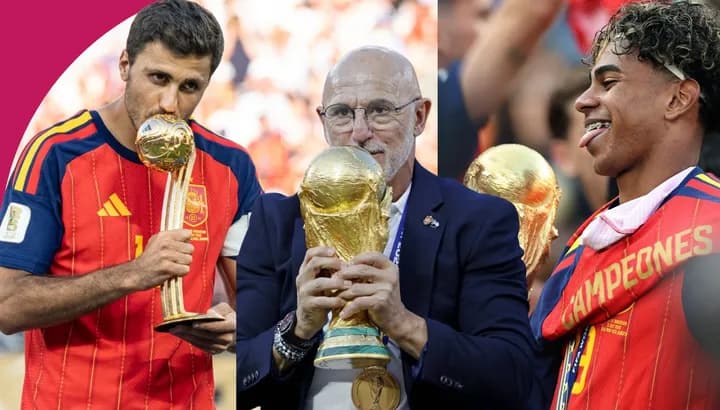
Spain’s Tactical Mastery Behind Their Second World Cup Triumph
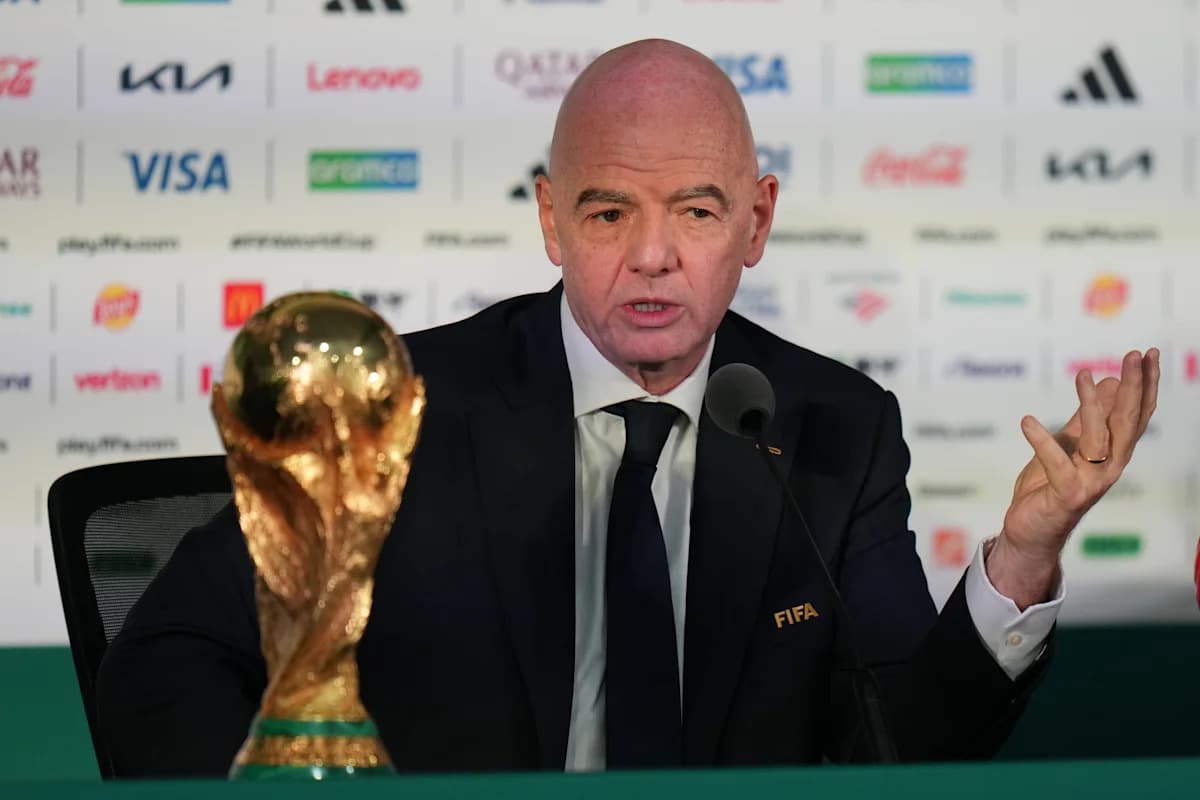
Gianni Infantino Criticizes World Cup 2026 Detractors Amid Event's Success
FIFA President Gianni Infantino Responds Strongly to 2026 World Cup Critics
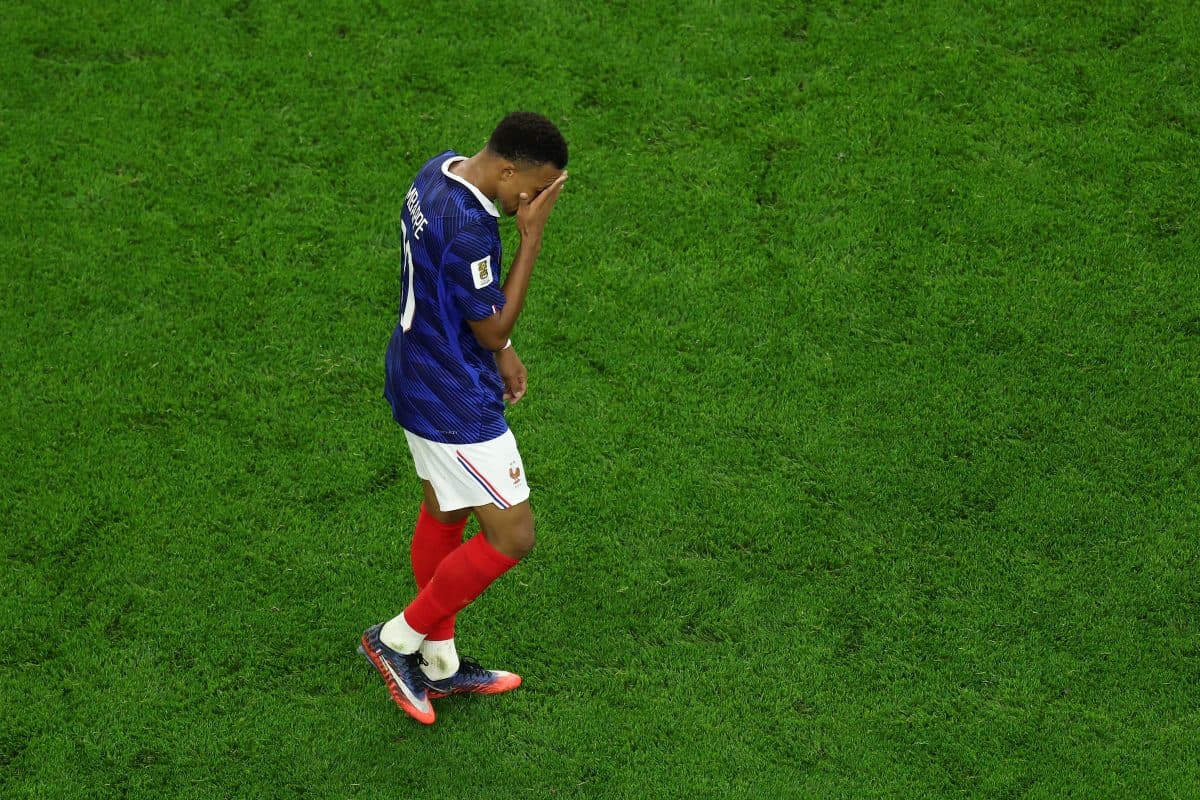
Kylian Mbappé Pens Open Letter to France Fans After 2026 World Cup