
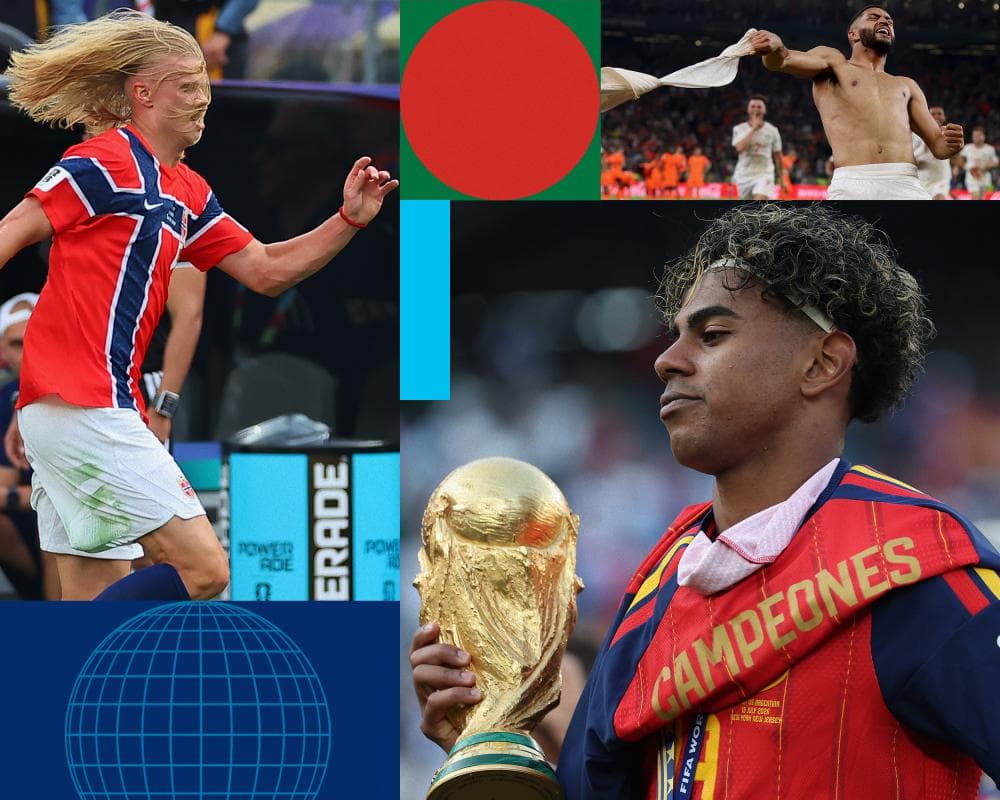
World Cup 2030 Power Rankings: Which Nations Could Challenge Spain’s Reign?
The 2026 World Cup marked a farewell for some legendary players like Lionel Messi and Cristiano Ronaldo. Now, eyes turn to 2030, where players over 32 will face intense scrutiny to maintain their form. This ranking highlights ten teams with solid squads, mostly in their twenties, ready to aim for at least a quarter-final spot.
1) Spain
Spain stands out as the first defending champion to host the next tournament, making them clear favorites. Luis de la Fuente’s leadership taps into the team’s depth and unity, creating a potential powerhouse. Goalkeepers like Unai Simón (32) and David Raya (34) remain solid, while defenders such as Marc Pubill (26) and Pau Cubarsí (23) form a dependable backline. The midfield, featuring Dani Olmo (32), Gavi (25), and Pedri (27), offers creativity and experience. Youngsters like Lamine Yamal (22) and Dean Huijsen (25) bring fresh energy. If new strikers like Samu Aghehowa (26) emerge, Spain could become even more lethal.
2) France
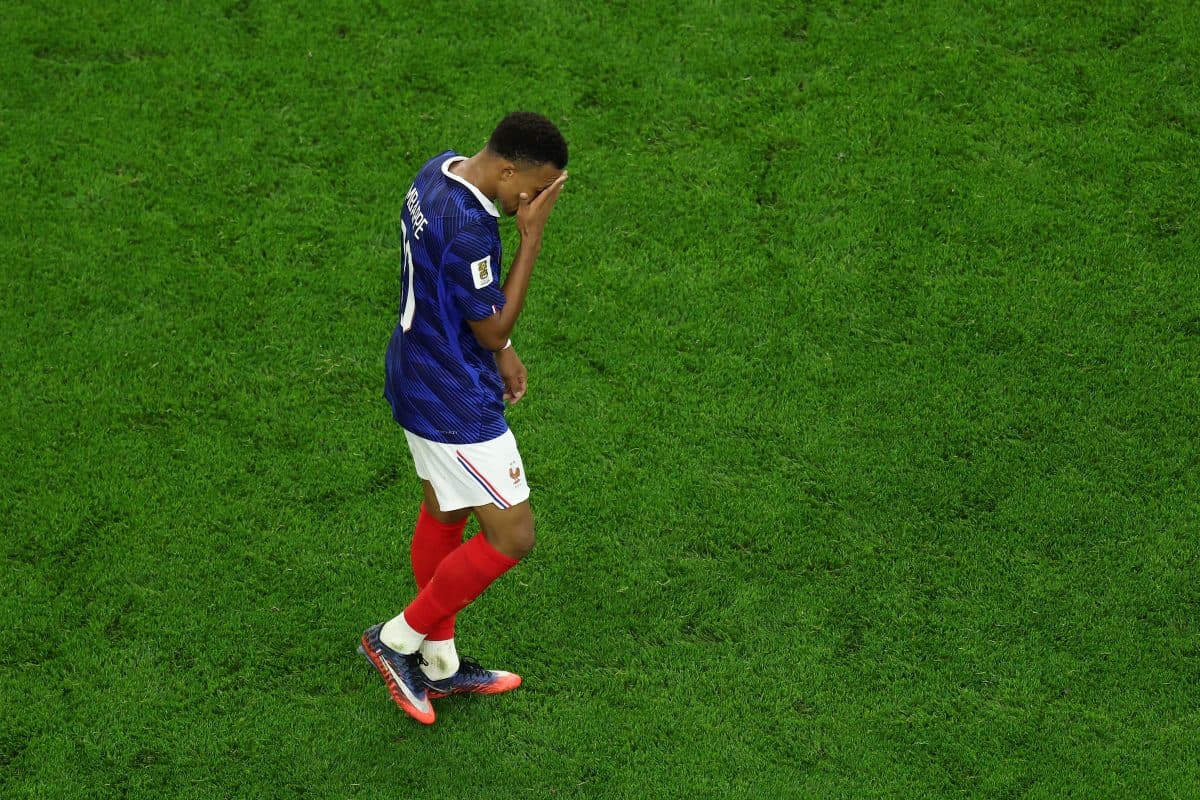
Zinedine Zidane takes over from Didier Deschamps, aiming to learn from France’s recent semi-final loss to Spain. Mike Maignan (34) guards the net, backed by defenders Dayot Upamecano (31) and William Saliba (29). Midfield talent includes Aurélien Tchouaméni (30) and Eduardo Camavinga (27), while Kylian Mbappé (31) leads the attack, supported by Michael Olise (28) and Désiré Doué (24). France’s challenge lies less in talent and more in overcoming Spain’s tactical discipline.
3) England
England impressed by reaching the semi-finals but struggled to close out matches, notably against Argentina. Central defenders Marc Guéhi (29) and Djed Spence (29) performed well. Midfield options include Declan Rice (31) and Jude Bellingham (26), with wings covered by Bukayo Saka (28) and Anthony Gordon (29). The main uncertainty is whether Harry Kane (36) can lead the attack or if a new striker will step up. The goalkeeping spot is also open, with emerging talents like Lewis Hall (25) and Cole Palmer (28) waiting in the wings.
4) Morocco
As one of the co-hosts, Morocco has built a strong foundation. After back-to-back quarter-final appearances and winning Afcon 2025, they are poised to push further. Defenders Achraf Hakimi (31) and Noussair Mazraoui (32) offer experience, while midfielders Ayyoub Bouaddi (22) and Azzedine Ounahi (30) provide dynamism. Forwards Othmane Maamma (24) and Yassir Zabiri (25) come from a recent U-20 World Cup win, adding youthful firepower. Veteran goalkeeper Yassine Bounou (39) remains a key figure if he maintains form.
5) Argentina
Argentina's journey to the final showcased Lionel Messi’s irreplaceable role. Julián Álvarez (30) and Lautaro Martínez (32) continue as offensive leaders. Enzo Fernández (33) aims to anchor the midfield after his controversial send-off. Defenders Nahuel Molina (32) and Cristian Romero (32) bring stability. Younger talents like Milton Delgado (24) and Julio Soler (25) offer hope for continuity. Emiliano Martínez (37) will likely remain an important presence in goal.
6) Portugal
Portugal’s chance to claim a first World Cup may have slipped away with Ronaldo’s retirement before 2030. Diogo Costa (30) is one of the world’s top goalkeepers, supported by defenders Gonçalo Inácio (28) and Nuno Mendes (27). Midfielders João Neves (25) and Vitinha (30) provide skill, while attackers Gonçalo Ramos (28) and João Félix (30) look to lead the offense. Aging stars like Bruno Fernandes (35) and Bernardo Silva (35) signal a transition period ahead.
7) Norway
After a quarter-final run, Norway earned respect. Erling Haaland (29) will still be a force. Supporting forwards Andreas Schjelderup (26) and Antonio Nusa (25) add promise. Martin Ødegaard (31) hopes to avoid injuries to control the midfield again. Defensive and goalkeeping positions need work, but Haaland’s presence alone makes Norway a threat.
8) Côte d’Ivoire
Côte d’Ivoire surprised many by advancing from a tough group and pushing Norway in the last 32. Goalkeeper Yahia Fofana (29) and defenders Ousmane Diomande (26) and Wilfried Singo (29) form a solid defense. Attacking choices include Amad Diallo (27) and Elye Wahi (27). The midfield may lack depth, especially if Franck Kessié (33) fades, but recent successes make the Elephants a team to watch.
9) Germany
Jürgen Klopp has four years to build a new identity for Germany after disappointing recent tournaments. Injuries hurt preparations, but players like Kai Havertz (30), Florian Wirtz (27), and Jamal Musiala (27) should bounce back. Wing-back Nathaniel Brown (26) and captain Joshua Kimmich (35) will be key. Defense needs refreshing, but Klopp’s vision offers hope for revival.
10) United States
The US had its best World Cup yet in 2026 but was overshadowed by controversy around Folarin Balogun. Coach Mauricio Pochettino’s future is uncertain. Balogun (28) will look sharper, aided by Malik Tillman (28). Veterans Tyler Adams (31) and Christian Pulisic (31) remain important, alongside young talents like Alex Freeman (25) and Ricardo Pepi (27). Consistent round-of-16 exits frustrate fans, but the experience gained could pay dividends.
Related News
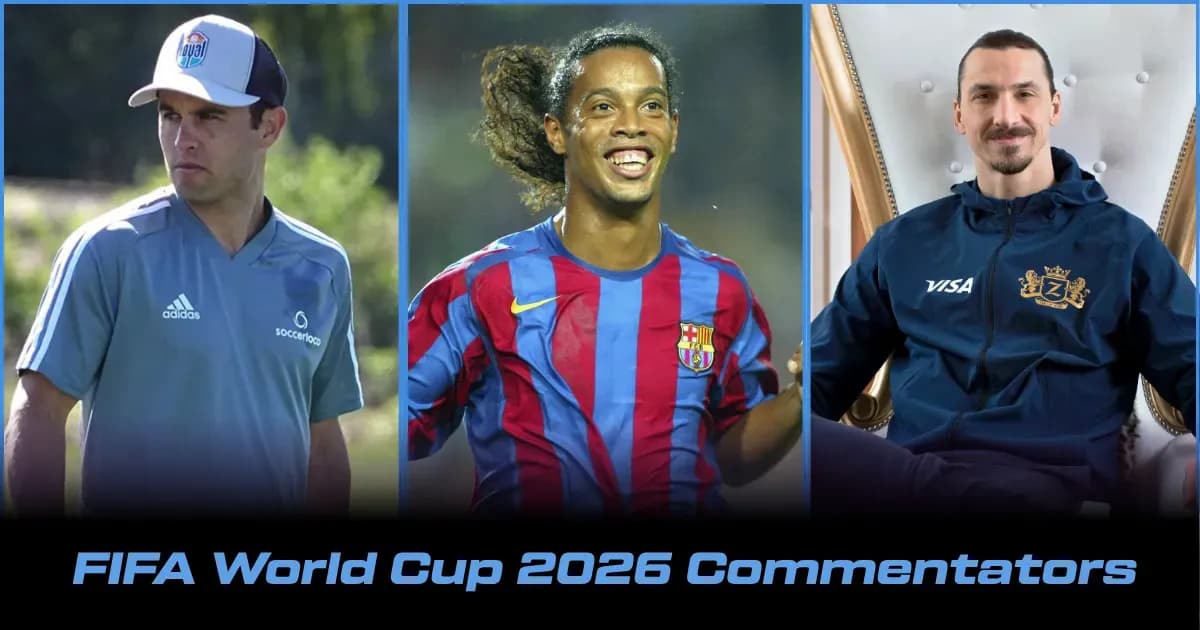
FIFA World Cup 2026 Commentary Team: Complete List of Presenters and Analysts
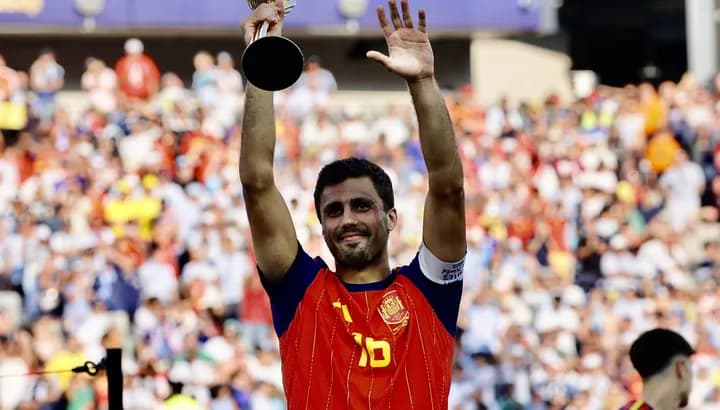
World Cup 2026 Best XI: Messi, Rodri, Mbappe Lead the Lineup
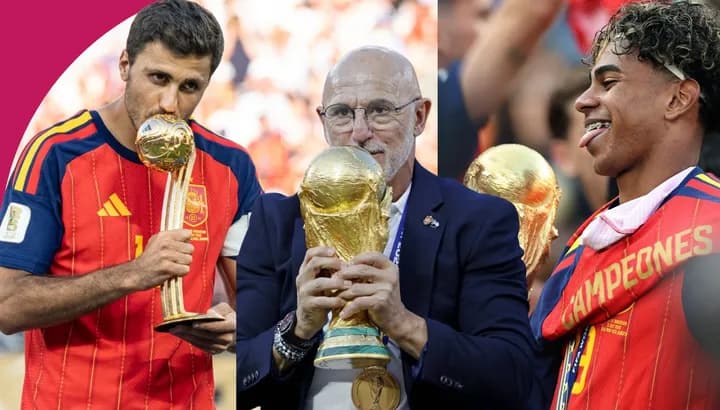
Spain’s Tactical Mastery Behind Their Second World Cup Triumph
Gianni Infantino Criticizes World Cup 2026 Detractors Amid Event's Success
FIFA President Gianni Infantino Responds Strongly to 2026 World Cup Critics
Kylian Mbappé Pens Open Letter to France Fans After 2026 World Cup