
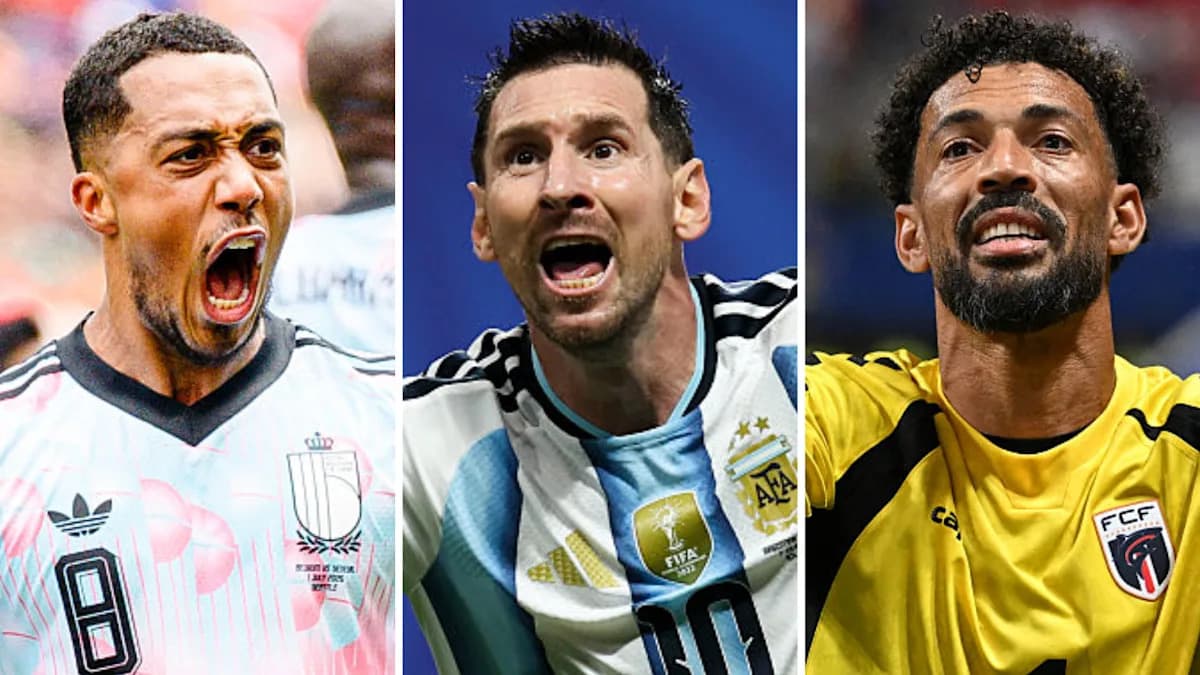
World Cup 2026: Late Drama and Surprises Fuel Debate Over Best Ever Tournament
The 2026 World Cup has been a spectacle of thrilling goals, dramatic comebacks, and unexpected results. As the quarter-finals begin, with just eight matches remaining in this summer's football festival, fans and experts alike wonder how this tournament will be remembered.
Hosted across Canada, Mexico, and the United States and featuring a record 48 teams, this World Cup is the largest ever staged. But size alone does not settle the question of quality or excitement.
Goals Galore and High-Scoring Matches
So far, out of 96 matches played, 280 goals have been scored, averaging 2.92 goals per game. This is the highest scoring rate since the 1970 World Cup in Mexico, which had an average of 2.97 goals per match from 95 goals in 32 games.
For comparison, recent tournaments had lower averages: Qatar 2022 had 2.69, Russia 2018 stood at 2.64, Brazil 2014 recorded 2.67, and South Africa 2010 saw just 2.27 goals per game.
The biggest scoreline came when Germany defeated Curacao 7-1. There were also multiple matches with six or more goals, underlining the attacking style seen throughout the competition.
Remarkably, 74.6% of goals originated from open play, one of the highest rates in World Cup history, while only 5% were penalties—the lowest percentage recorded.
Late Drama and Memorable Comebacks
The knockout stage has brought intense finishes, with eight of 24 ties decided by goals after the 85th minute. One standout moment was Enzo Fernandez's extra-time winner against Egypt, marking the tenth time a winning goal was scored in the 90th minute or later, setting a new World Cup record.
This July has already produced at least three classic matches. Both Belgium and Argentina overcame two-goal deficits late in games to secure 3-2 victories over Senegal and Egypt, respectively—a feat last achieved more than 50 years ago in 1970.
England also won 3-2 against Mexico despite playing with ten men for 40 minutes after Jarell Quansah's red card, holding firm in the charged atmosphere of Mexico's iconic Azteca Stadium.
Interestingly, there have been eight goalless draws, a World Cup record. Whether this points to defensive strength or balanced competition is up for debate.
Fans and Stars Keep the Spirit Alive
Concerns about ticket prices and travel distances leading to empty stadiums have proven unfounded. Fifa reports 99.7% seat occupancy, with over 4.4 million attending group-stage games and 6.2 million so far including knockouts.
The average attendance now sits just over 65,000 per game, second only to the 1994 tournament held in the US, which averaged nearly 69,000.
The star power remains strong, with a compelling Golden Boot race featuring Lionel Messi (8 goals), Kylian Mbappe and Erling Haaland (7 goals each), and Harry Kane (6 goals). It is the first time three players have scored seven or more goals at the same World Cup.
Underdogs Steal the Spotlight
Despite fears of unbalanced matches with 48 teams, some lesser-known nations have shone. Curacao, the smallest nation to qualify, bounced back from a heavy loss to Germany by drawing with Ecuador.
Host nation Qatar suffered a 6-0 defeat by Canada but managed a draw with Switzerland, who reached the quarter-finals.
Cape Verde created one of the greatest underdog stories, reaching the last 32 after draws with Spain, Uruguay, and Saudi Arabia. They pushed defending champions Argentina to extra time before narrowly losing 3-2.
Controversies and Challenges
High costs for tickets, hotels, and transport have stretched fans' budgets more than ever. Hydration breaks introduced for player safety have sparked mixed reactions—welcomed in extreme heat but booed during rain or in air-conditioned venues.
The expanded format means fewer teams were eliminated early; only 16 out of 48 failed to reach the knockout stage, leading some to feel the group phase lacked intensity.
Questions have been raised about refereeing standards and how the schedule’s demands might affect player fitness, especially with the Premier League restarting just over a month after the final.
A major controversy involved American striker Folarin Balogun, who was sent off but later allowed to play after US President Donald Trump reportedly contacted Fifa president Gianni Infantino. This suspension suspension is unprecedented since 1962, raising concerns about political influence and fair play.
Looking Ahead
With the top four world-ranked teams—Argentina, Spain, France, and England—all still competing and placed in separate quarter-final brackets, the final stages promise gripping football that could cement this World Cup as one of the best ever.
Regardless of the outcome, the excitement and drama witnessed so far make this tournament hard to miss.
Statistics in this article were provided by BBC Sport’s Mohamed Moallim.
Related News
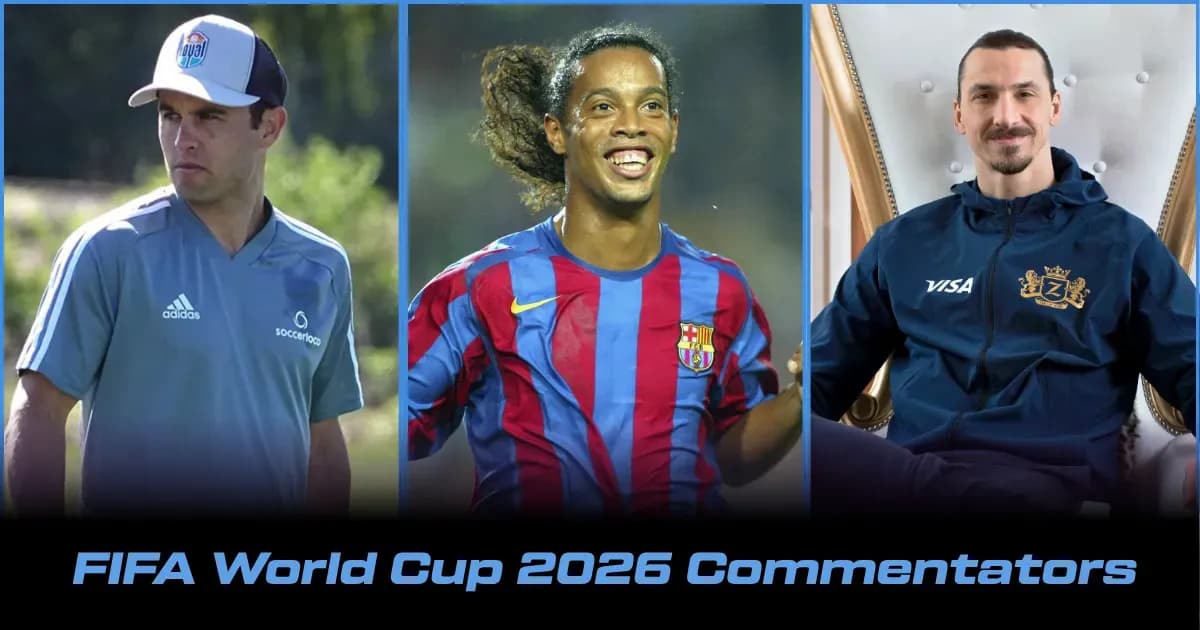
FIFA World Cup 2026 Commentary Team: Complete List of Presenters and Analysts
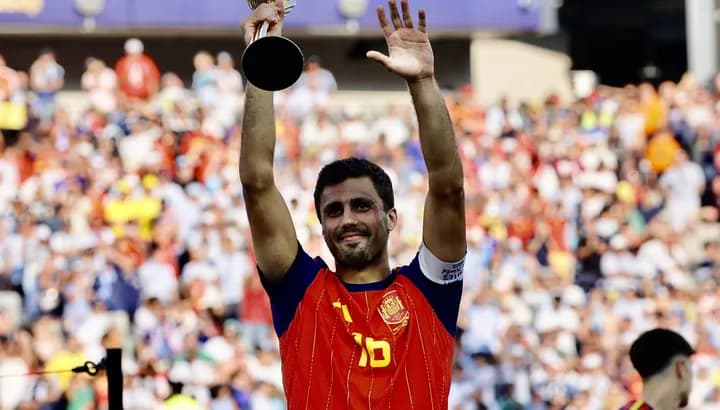
World Cup 2026 Best XI: Messi, Rodri, Mbappe Lead the Lineup
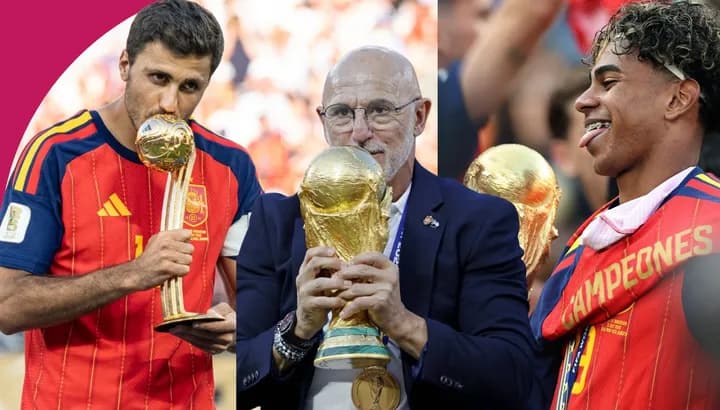
Spain’s Tactical Mastery Behind Their Second World Cup Triumph
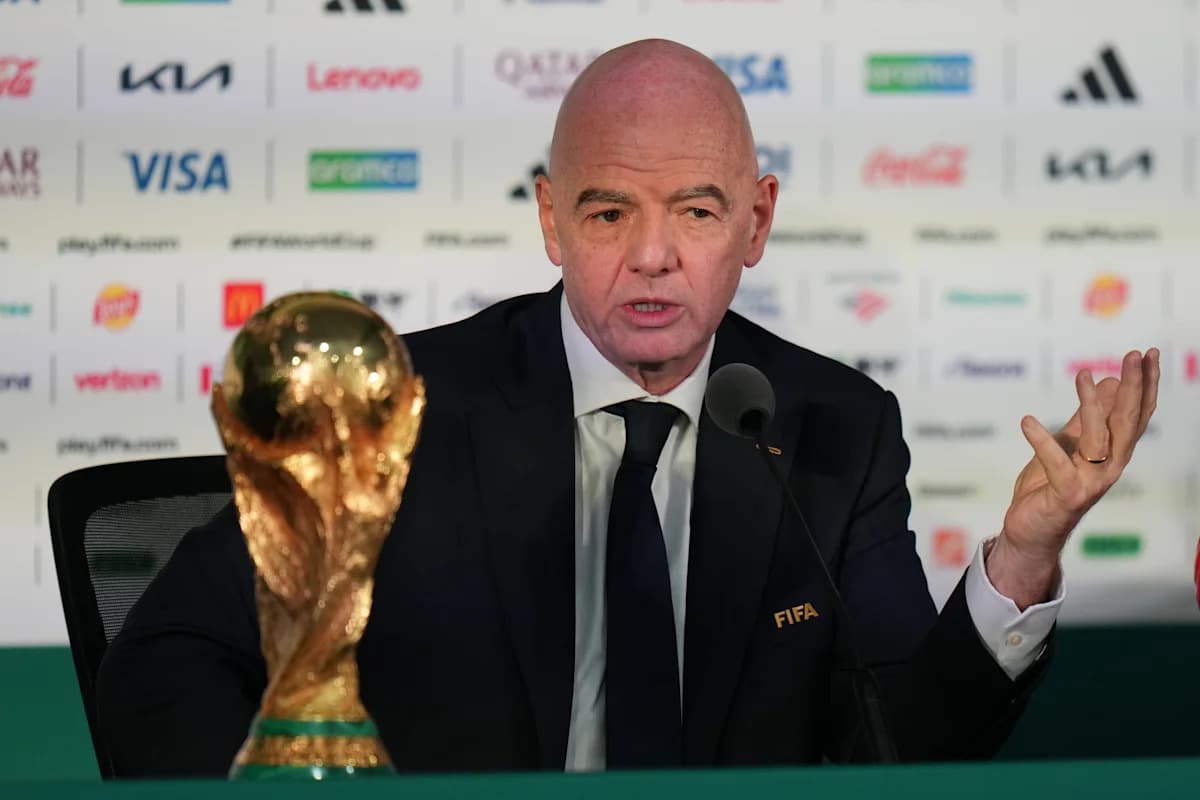
Gianni Infantino Criticizes World Cup 2026 Detractors Amid Event's Success
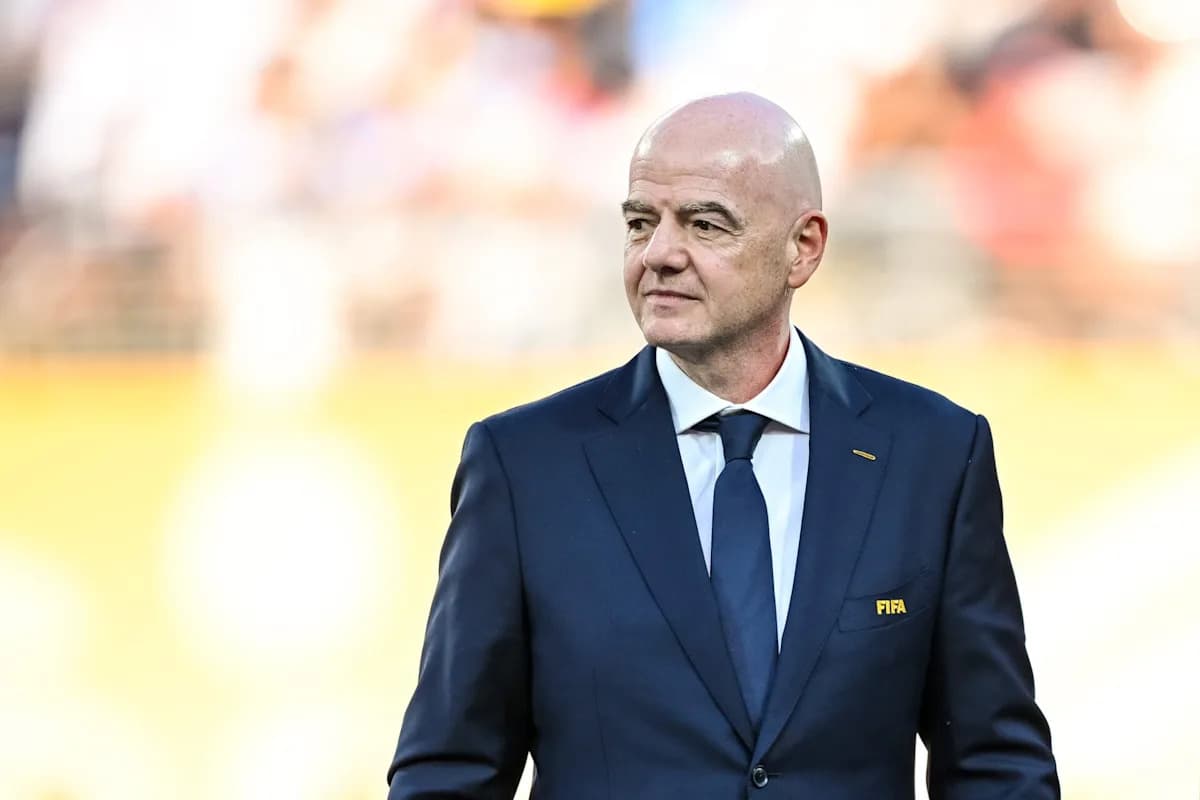
FIFA President Gianni Infantino Responds Strongly to 2026 World Cup Critics
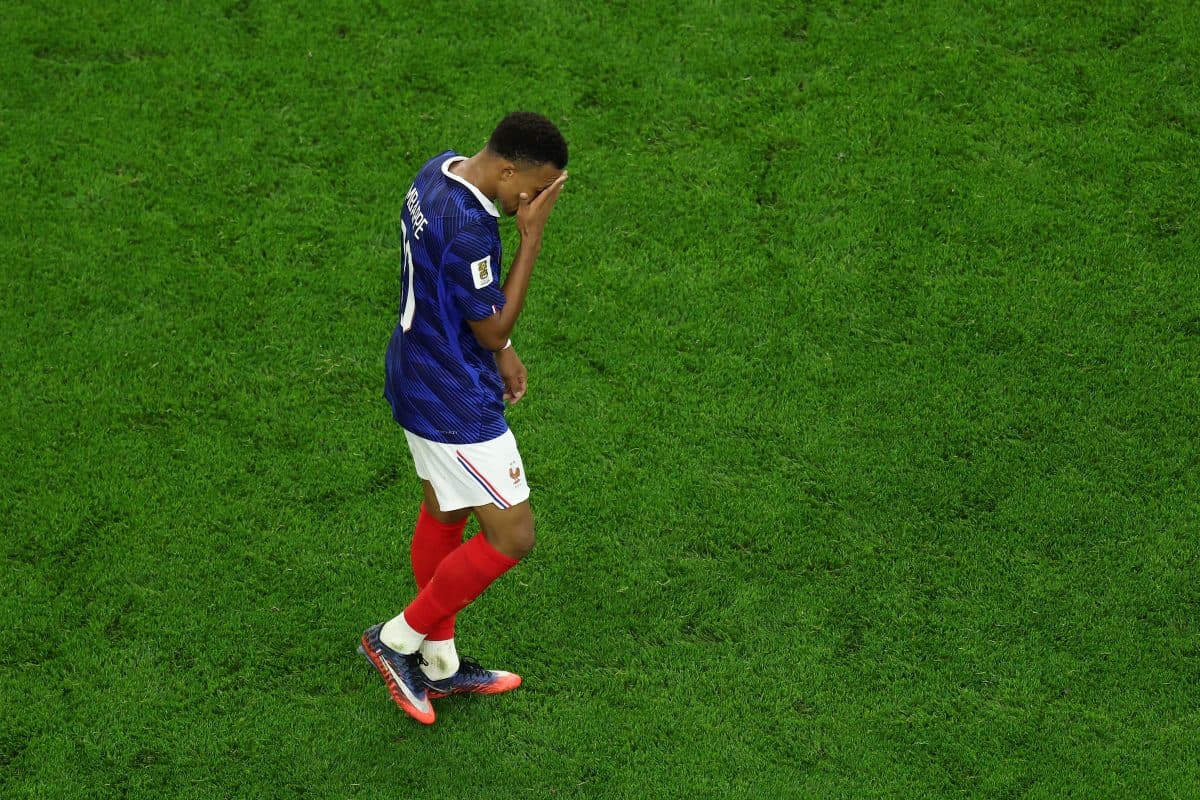
Kylian Mbappé Pens Open Letter to France Fans After 2026 World Cup