
World Cup 2026: From Thrilling Drama to Controversy and Challenges for FIFA
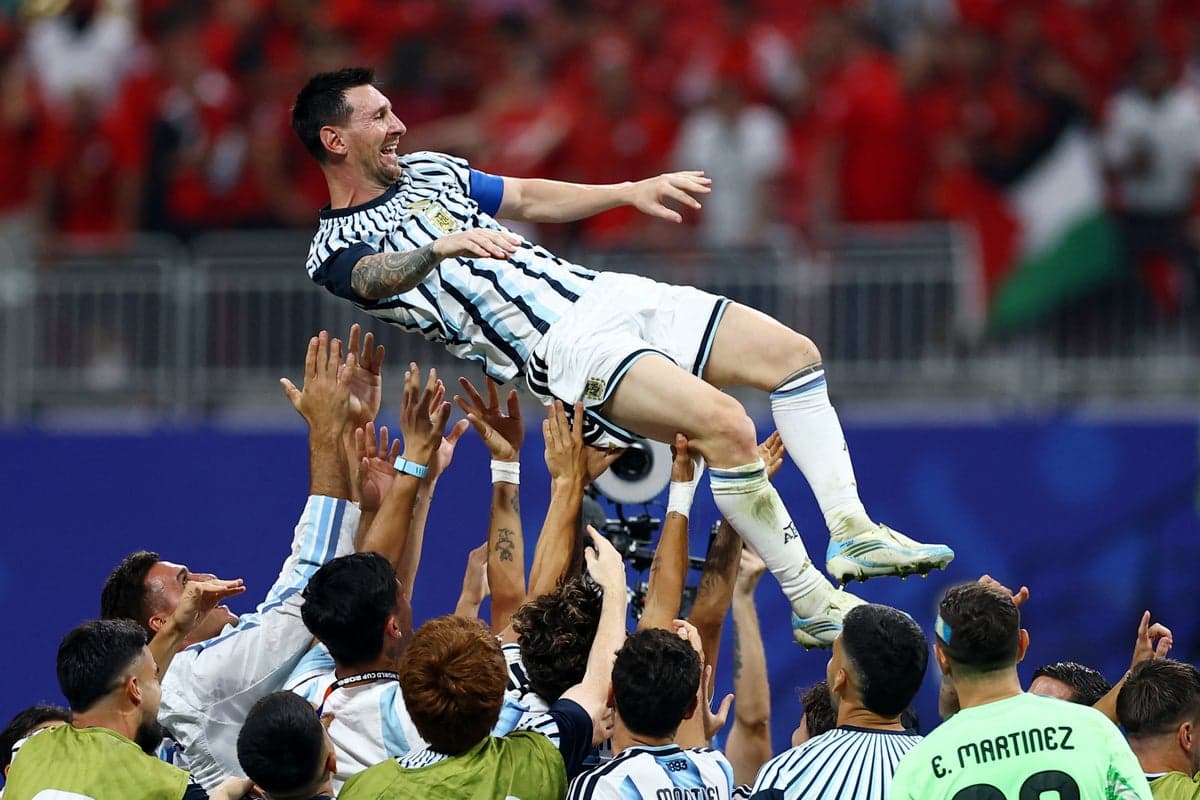
When Lionel Messi was lifted by his Argentina teammates after their comeback victory over Egypt, it felt like a scene scripted for the biggest screens. The emotional display from both Messi and coach Lionel Scaloni, tears included, captured the raw intensity of this World Cup. Scaloni’s words, "I can’t look at you, I’m too emotional," reflected the weight of what this match meant—not just a last-16 tie but perhaps the final World Cup appearance for a legend.
Argentina’s passion is a thread weaving through this tournament, spreading to other teams who have rarely seen such turmoil and excitement combined. England’s rollercoaster win against Mexico is another example, showing no team has had an easy passage similar to the calm runs of past decades.
Matches like Colombia versus Switzerland, more restrained in comparison, stand out because the tournament is otherwise bursting with goals and energy. The last 16 alone produced 23 goals, a number far higher than recent tournaments, highlighting a shift away from rigid tactics toward freer, open play.
Football at Its Finest and Its Fraught Underbelly
This World Cup feels like a golden era for football itself—matches filled with passion, skill, and drama that bring out national pride. Yet, alongside these highs, darker stories emerge. The controversy surrounding Folarin Balogun revealed ugly political interference, casting a shadow over the sport’s integrity.
Egypt’s coach, Hossam Hassan, voiced sharp criticism after defeat, accusing the tournament of unfairness and hinting at external interests influencing outcomes. "It’s all about money," he said, claiming Egypt deserved to advance and expressing frustration with refereeing decisions.
The disallowed goal for Egypt, involving Mostafa Ziko, felt inconsistent with the generally lenient refereeing throughout the event. Such moments fuel suspicion and frustration, especially when they affect high-profile matches and players.
Refereeing Inconsistencies and Growing Doubts
Inconsistent officiating, influenced by differing interpretations and cultural perspectives, is normal in international tournaments. Still, the timing and nature of controversial calls raise eyebrows, especially amid broader concerns. The involvement of political figures and off-field scandals has made fans question if some outcomes are predetermined or manipulated.
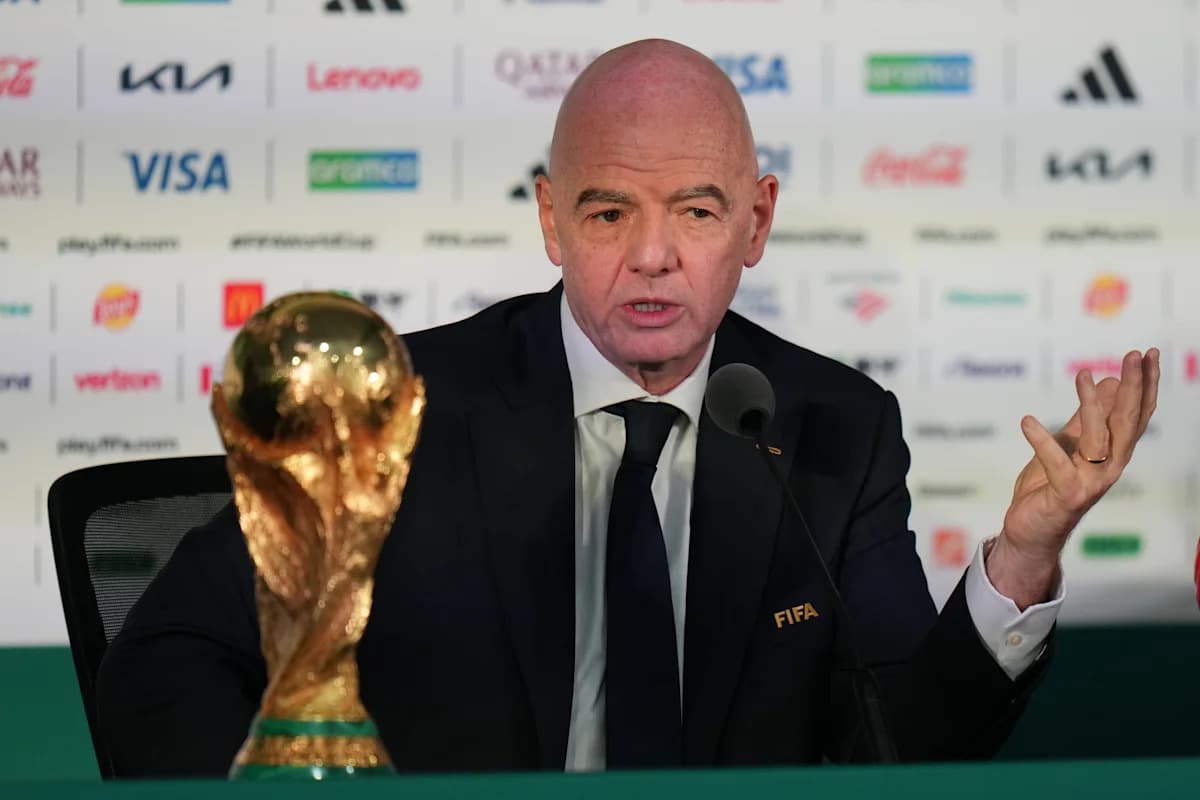
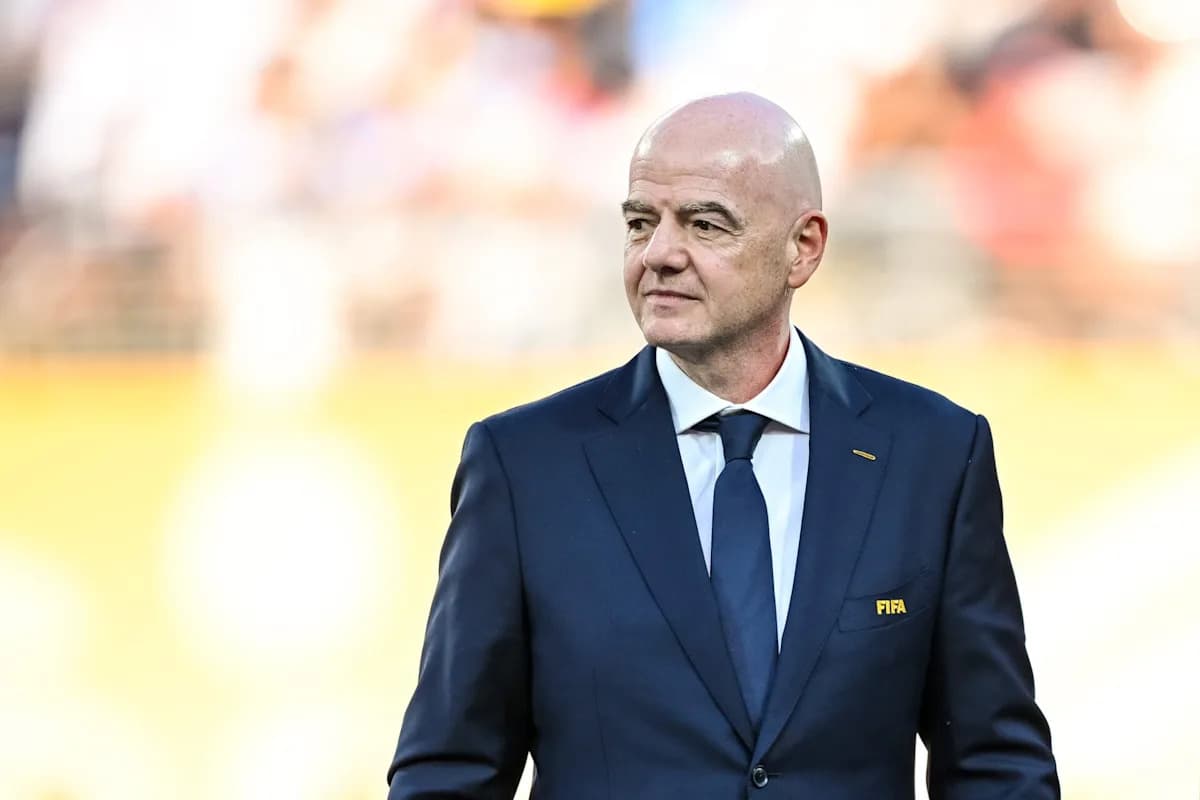
Though there is no evidence supporting such claims, social media buzz and memes comparing the World Cup to scripted entertainment like wrestling show how widespread skepticism has become. FIFA’s president Gianni Infantino faces mounting pressure as critics question the tournament’s fairness.
FIFA’s Crisis of Credibility
The mix of incredible football and scandal puts FIFA in a tough spot. Their legitimacy is questioned more fiercely because the on-field spectacle invites viewers to believe in the purity of competition. When that trust is compromised, it becomes a significant issue beyond just refereeing mistakes.
The Premier League faces similar backlash, battling accusations of corruption and legal disputes. FIFA’s challenge is how to maintain sporting integrity while managing the complex politics and finances entwined with the World Cup.
Financial Realities and the Quarter-Final Landscape
Looking at the quarter-finalists reveals another layer of the tournament’s story. Six of the eight teams hail from Europe’s wealthiest nations: France, Spain, England, Switzerland, Belgium, and Norway. This dominance reflects not only economic power but also advanced coaching infrastructures.
The United States, despite its investment in youth soccer, lags behind these nations in creating sustainable talent pipelines. Meanwhile, Morocco stands out as a rising force, backed by extensive government support that has transformed its football landscape.
FIFA’s efforts to redistribute football’s wealth aim to raise global standards but often get tangled in political agendas, sometimes creating more problems than solutions. The entire situation echoes political satire more than pure sportsmanship, adding another twist to the World Cup’s dramatic narrative.
For all its flaws, this World Cup remains a spectacle filled with unforgettable moments and fierce passion, though FIFA now faces serious questions about maintaining the trust and integrity of the world’s most beloved tournament.
Related News
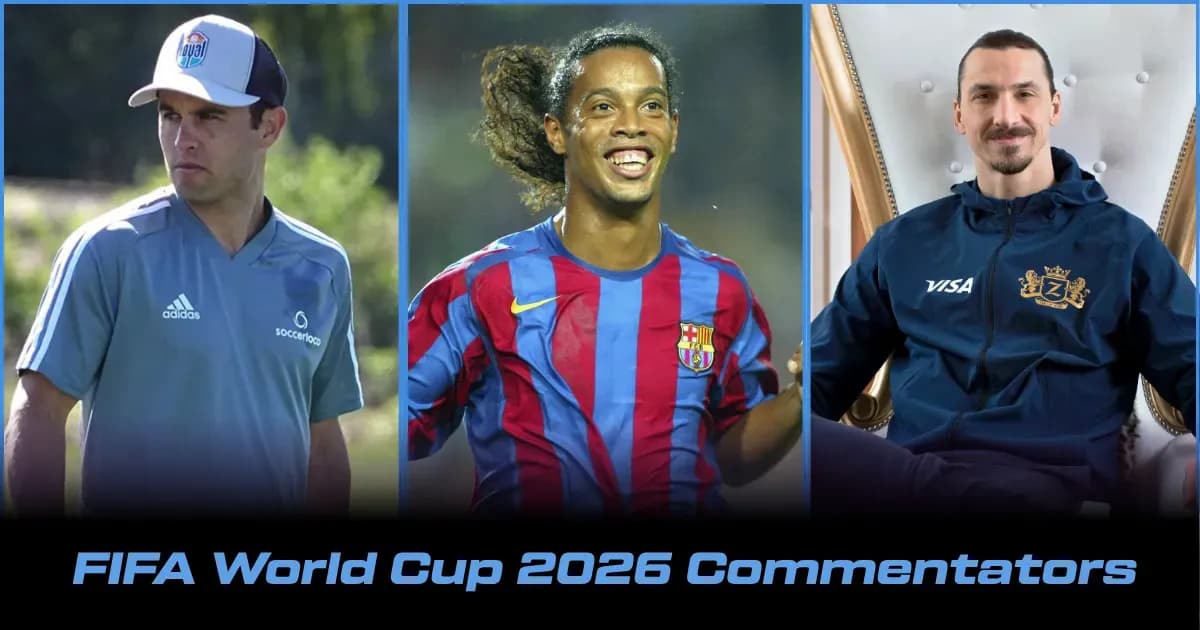
FIFA World Cup 2026 Commentary Team: Complete List of Presenters and Analysts
World Cup 2026 Best XI: Messi, Rodri, Mbappe Lead the Lineup
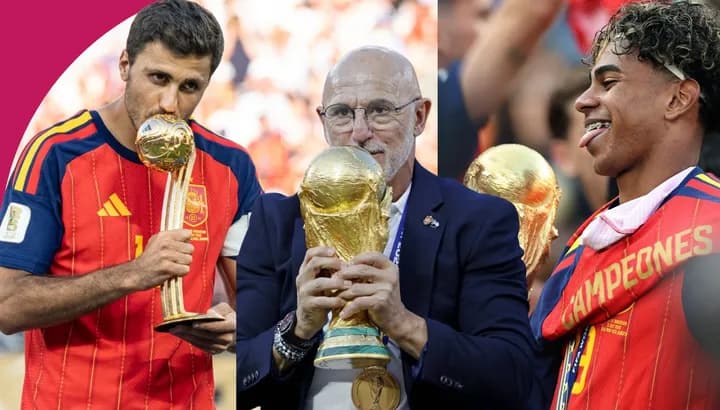
Spain’s Tactical Mastery Behind Their Second World Cup Triumph
Gianni Infantino Criticizes World Cup 2026 Detractors Amid Event's Success
FIFA President Gianni Infantino Responds Strongly to 2026 World Cup Critics
Kylian Mbappé Pens Open Letter to France Fans After 2026 World Cup