
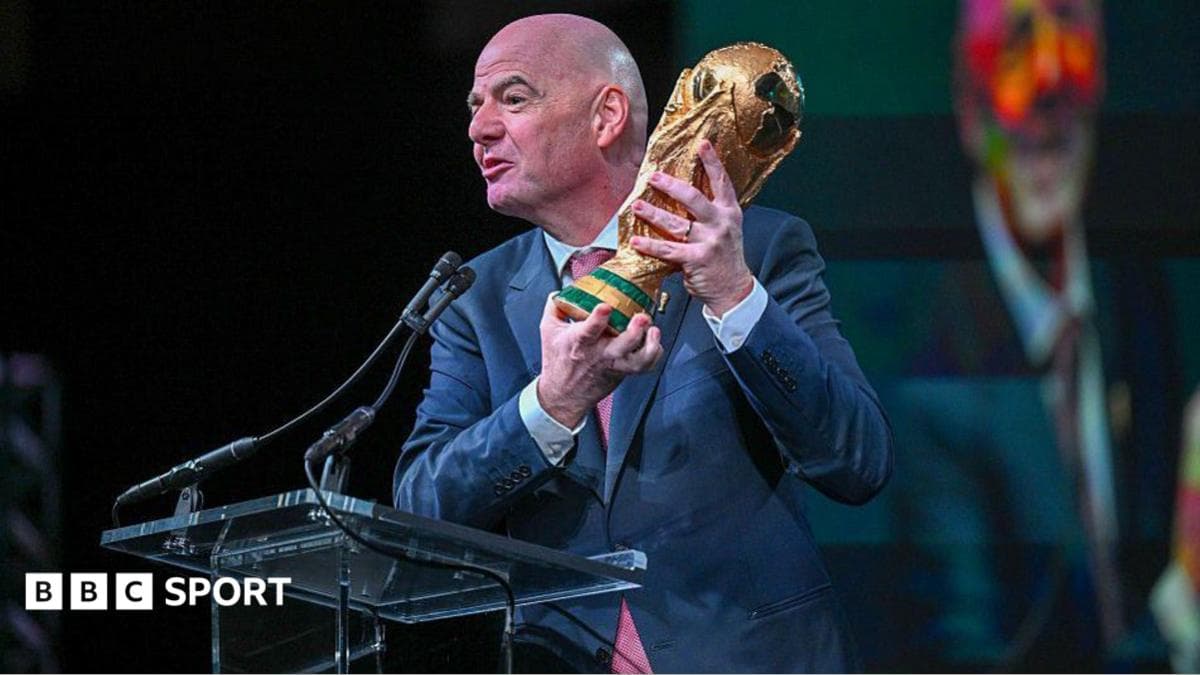
World Cup 2026: Is a 64-Team Tournament on the Horizon?
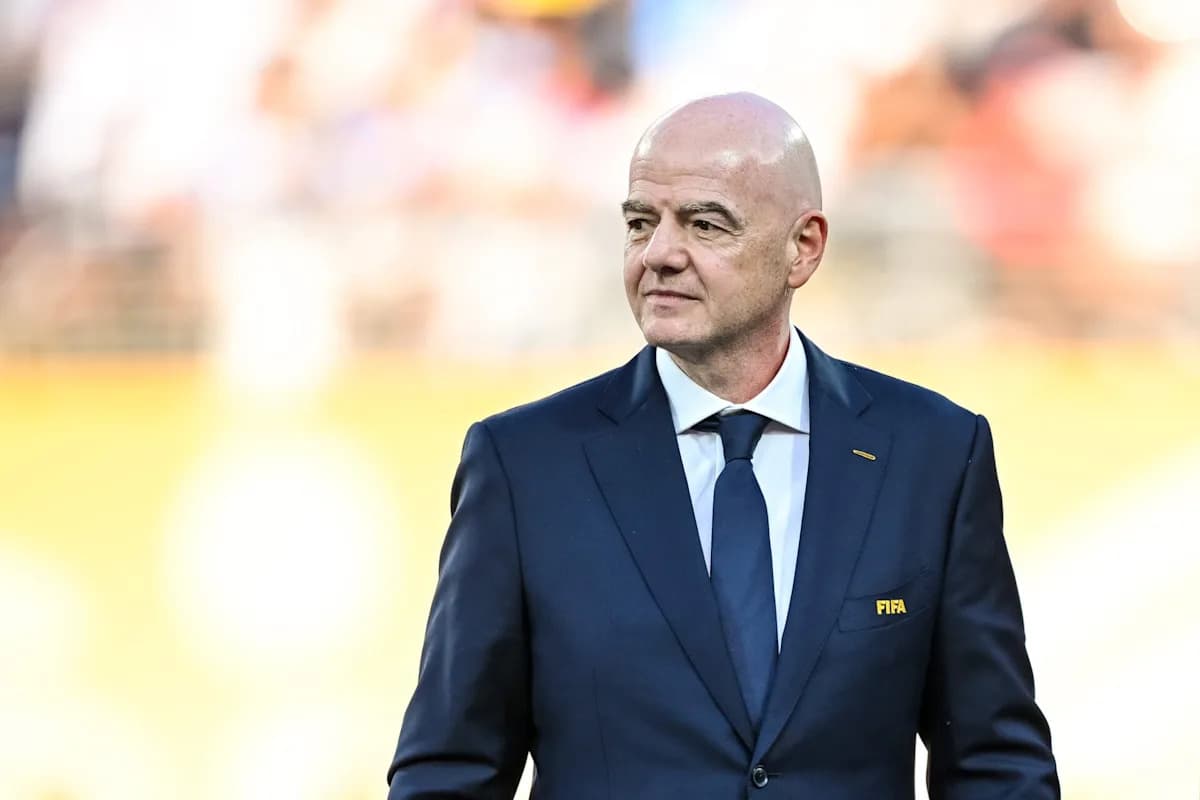
Gianni Infantino, Fifa president for over a decade, has consistently pushed for expansion. More tournaments, more matches, and bigger events have marked his tenure. From an enlarged World Cup to a revamped Club World Cup, he seems to believe that increasing scale brings benefits. The recent World Cup final even featured a 27-minute halftime show akin to the Super Bowl.
Now, talk of a 64-team World Cup is gaining traction. Infantino argues smaller nations need chances to participate to keep growing their football standards. Yet smaller countries already qualify if they perform well—look at Cape Verde, Curacao, Jordan, and Uzbekistan. The idea behind 64 teams simplifies the tournament format: sixteen groups with the top two advancing, removing the complexity of selecting third-placed teams.
The Push Behind Expansion
The centenary 2030 World Cup will be shared across Morocco, Portugal, Spain, and South America. Conmebol, the South American confederation, requested a one-time 64-team tournament in April 2025 to accommodate extra groups. Alejandro Dominguez, Conmebol’s president, said it would ensure everyone feels included. After 2026, he reiterated plans to push for 64 teams by 2030, emphasizing global growth.
Other voices remain unconvinced. UEFA's Aleksander Ceferin called the idea unwise for both tournament quality and qualification. Concacaf’s Victor Montagliani warned it could harm football ecosystems, while AFC’s Sheikh Salman bin Ibrahim Al Khalifa predicted chaos from further expansion. The final call rests with FIFA Council's 37 members.
Does More Teams Mean Less Quality?
Two benefits stand out for 64 teams: a cleaner group-to-knockout structure and more spots for emerging countries. Infantino highlights stories like Cape Verde’s surprising run, including draws with Spain and Uruguay and a tight last-16 loss to Argentina after extra time. Yet, several debutants such as Haiti, Iraq, Jordan, Panama, Tunisia, and Uzbekistan earned no points. The group stage often lacked suspense for top seeds.
Adding more teams may reduce surprises like Belgium’s failure to reach knockouts in 2022 or Germany’s early exit in 2018. Examining who would qualify with 64 teams shows some mid-ranked squads joining:
Six of these teams rank inside FIFA’s top 50, but many come from weaker confederations. Asia and Concacaf struggled in recent tournaments, with few teams advancing past group stages. Africa performed better, with nine of ten countries progressing. This imbalance raises questions about where extra slots should go—Europe might deserve more for competitive balance, but expanding access can help the sport grow globally.
Logistical Challenges of a Bigger World Cup
Adding four more groups means 24 extra matches. Since the 2026 event lasted 39 days, extending it by five days or so would be necessary. The unique feature of multiple time zones and indoor stadiums allowed long matchdays, but future hosts may not have that luxury. Climate concerns add complexity, especially with hotter weather limiting daytime play.
Hosting a 64-team event demands more stadiums, top-tier training facilities, accommodation, and transport infrastructure. The 2026 World Cup used 16 cities with stadiums seating 43,000 to 81,000 fans. Expanding this scale strains resources, particularly for countries less equipped to manage such an event alone. Joint hosting across regions, like the UK and Scandinavia or Eastern Europe, might become the norm. Funding challenges remain acute for many Asian or African nations.
Is Money the Real Motive?
Infantino promised increased funding for football associations, with $8 million available over four years to each, plus extra for smaller nations. Confederations receive large sums to develop and promote the game. Most of this funding originates from the World Cup’s revenue.
Projections in 2017 estimated a 48-team World Cup could generate $6.5 billion. By 2022, with more matches added, expectations rose to $9 billion. A 64-team tournament likely boosts income further through TV rights, sponsorships, and ticket sales. FIFA claims expanding football’s reach is part of its mission, but critics worry growth might undermine the competition's quality and integrity.
Related News
FIFA World Cup 2026 Commentary Team: Complete List of Presenters and Analysts
World Cup 2026 Best XI: Messi, Rodri, Mbappe Lead the Lineup

Spain’s Tactical Mastery Behind Their Second World Cup Triumph
Gianni Infantino Criticizes World Cup 2026 Detractors Amid Event's Success
FIFA President Gianni Infantino Responds Strongly to 2026 World Cup Critics
Kylian Mbappé Pens Open Letter to France Fans After 2026 World Cup