
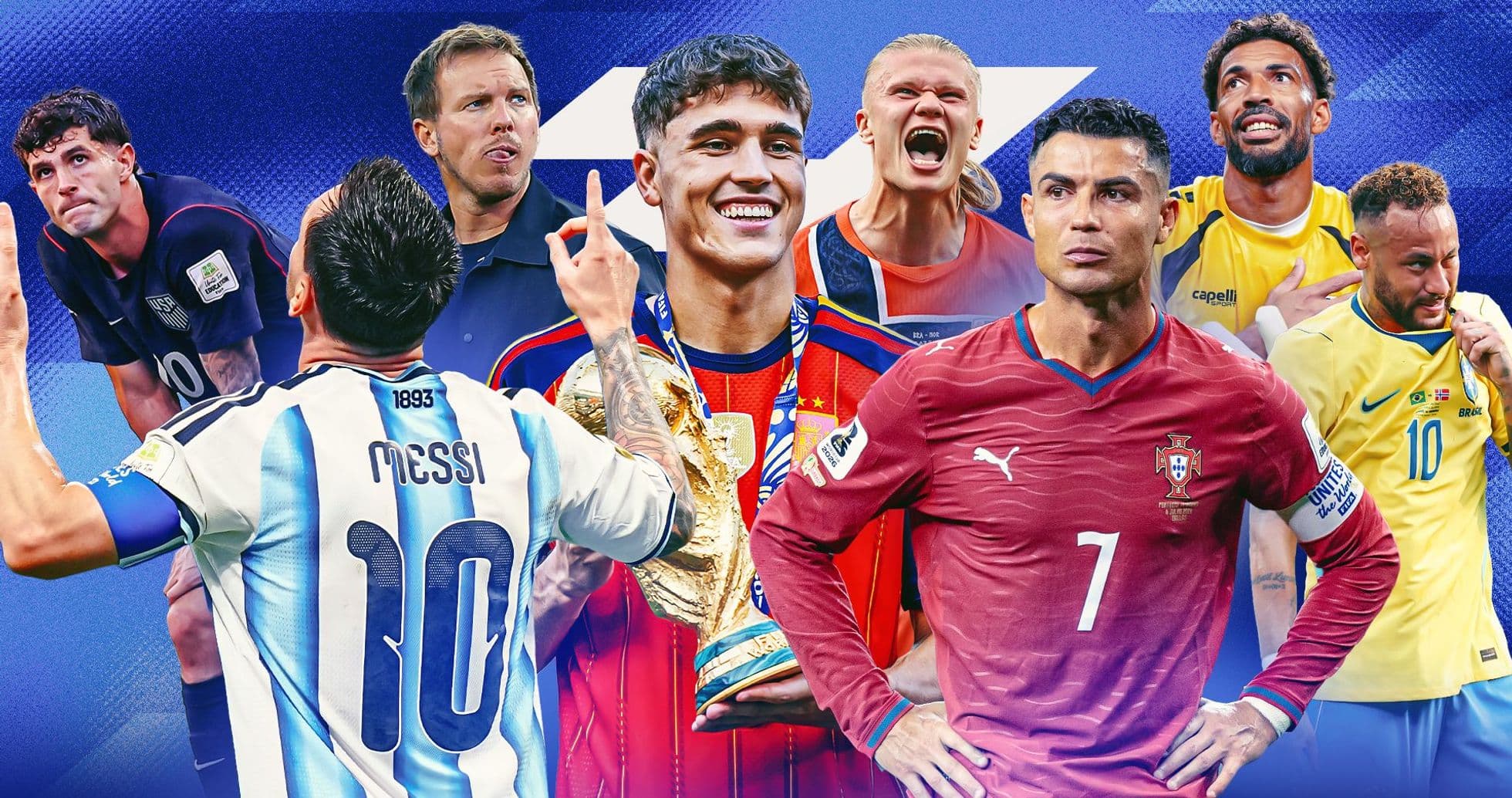
2026 World Cup: Standouts and Setbacks From Messi to Mbappe and Beyond
The 2026 World Cup wrapped up in New Jersey with Spain clinching the title after a 1-0 victory over a ten-man Argentina. Substitute Ferran Torres scored the decisive goal in what turned out to be a defensive struggle, compounded by Enzo Fernandez's late red card. The final was one of the dullest in recent memory.
Post-match tensions flared as Argentina’s Leandro Paredes lashed out at Spanish players during their celebration. Spain’s triumph was built on disciplined defending and midfield control, proving them worthy champions.
Top Performers
Erling Haaland
Despite Norway's quarter-final exit against England, Erling Haaland shone with seven goals in five matches. His performance captivated fans and boosted Norway’s profile worldwide. Reflecting on the tournament, Haaland expressed pride in his team’s unity and the joy they brought to their nation.
Kylian Mbappe
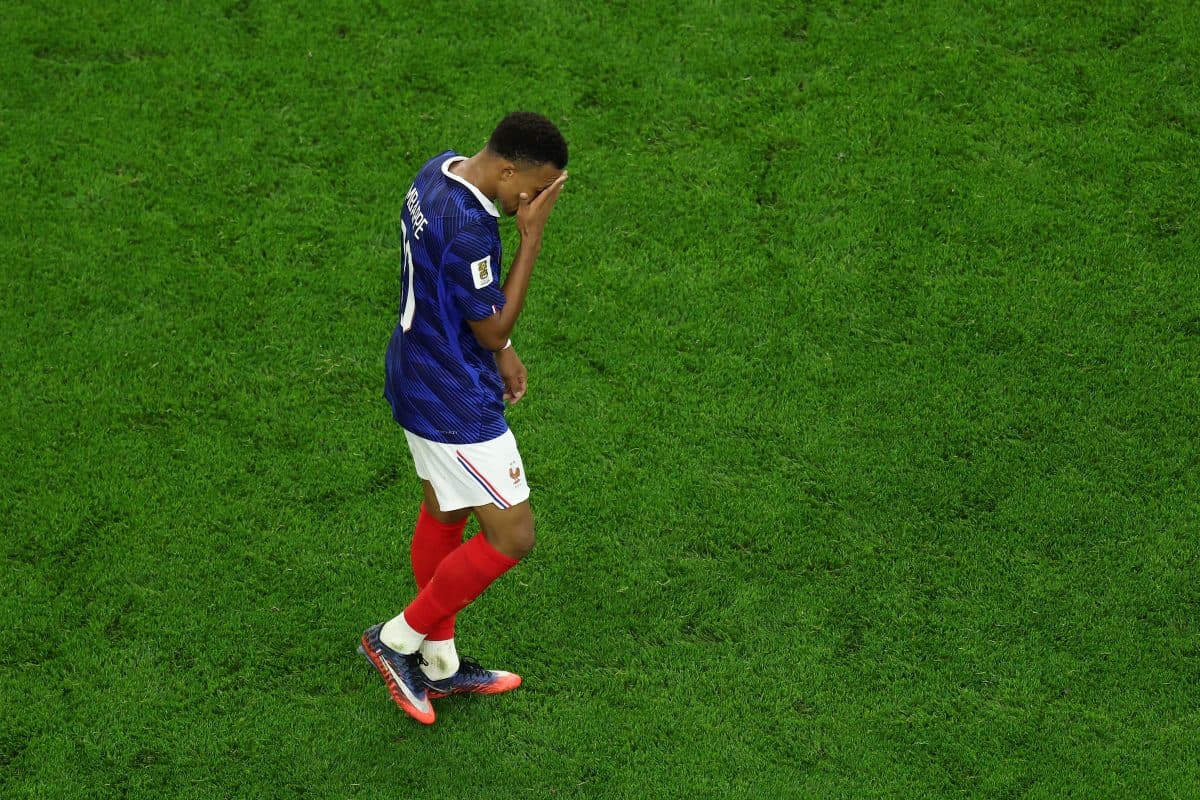
Kylian Mbappe became the first player to win the Golden Boot twice and surpassed Messi as the World Cup's all-time leading scorer, netting crucial goals even after France's elimination. At 27, he could set records that last for generations.
Lamine Yamal
Injuries limited Lamine Yamal’s impact, but his maturity and team play stood out. At 19, he already holds both World Cup and European Championship titles. Spain’s coach praised his sacrifice and influence on the collective success.
Jude Bellingham
Jude Bellingham emerged as England’s shining light, scoring seven goals to become the highest-scoring Englishman at a single World Cup. Despite frustrations in the semi-final, his skill and contributions made him indispensable.
Morocco
The African contingent impressed, especially Morocco, who reached the quarter-finals. Their attacking threat increased since Qatar 2022, though injuries impacted key players like Ismael Saibari. Coach Mohamed Ouahbi remains optimistic about future success, including co-hosting the next World Cup.
Cape Verde
The smallest nation by land mass at the tournament, Cape Verde, delivered a fairy tale story. They pushed Argentina to the brink and stunned Spain with a solid defensive display. Their improbable run inspired many, embodying football’s unpredictable magic.
Spain’s Defensive Line
The backbone of Spain’s victory was their rock-solid defense. Pedro Porro, Aymeric Laporte, Marc Cucurella, and 19-year-old Pau Cubarsi stood out, conceding just one goal across eight matches. Midfielder Rodri anchored the team superbly.
Thomas Tuchel
Thomas Tuchel salvaged some pride for England by winning the third-place match in a thrilling 10-goal game against France. Despite heavy criticism for tactics during the semi-final collapse, this result helped justify his continued tenure.
Hossam Hassan
Egypt’s coach used football as a platform to highlight the suffering of Palestinians amid ongoing conflict, calling for global solidarity and peace. His plea underscored the political undercurrents shadowing the tournament.
Lionel Messi
At 39, Lionel Messi gave a stirring performance, earning the Silver Ball and Silver Boot with eight goals and four assists. Though the final was disappointing, Messi carried an average Argentina side to the final, cementing his status among football’s legends.
Disappointments and Controversies
Neymar
Neymar bid farewell to international football in a frustrating loss to Norway. Once tipped to rival Messi, his career was marred by injuries and inconsistency. His final game reflected a player who never fully realized his potential.
Christian Pulisic
The US star faced backlash for prioritizing rest following an injury-shortened campaign. Veteran Landon Donovan publicly criticized Pulisic’s commitment during critical moments, sparking debate about the player’s dedication.
Julian Nagelsmann
Germany’s early exit intensified scrutiny on Julian Nagelsmann. Despite high expectations, his tenure ended abruptly amid criticism of predictable tactics and failure to advance beyond the group stage.
Didier Deschamps
France’s fourth-place finish marked the end of Didier Deschamps’s 14-year reign. Although he won the 2018 World Cup, the team’s lackluster performances and pragmatic approach left many feeling his legacy was mixed.
Marcelo Bielsa
Uruguay’s disastrous campaign highlighted issues behind the scenes. Coach Marcelo Bielsa admitted to toxicity within the squad, leaving a void upon departure after failing to secure a single win.
Jesse Marsch
Canada’s historic progress was overshadowed by coach Jesse Marsch’s controversial comments post-defeat to Morocco, which many saw as disrespectful toward a superior opponent.
Cristiano Ronaldo
The 41-year-old Cristiano Ronaldo struggled throughout the tournament, looking far from the dynamic player of old. His presence arguably hindered Portugal’s chances, exposing flaws in management and team dynamics.
Senegal
Senegal’s collapse in the round of 32 was marked by missed opportunities and internal strife, including disputes over bonuses and coaching conflicts. Their chaotic campaign matched previous off-field controversies.
Asian Football
Most Asian teams underperformed, with only Japan and Australia reaching the knockout rounds before exiting immediately. This poor showing raised questions about the confederation’s growing allocation of World Cup spots.
Scotland
Despite passionate support, Scotland delivered a conservative and underwhelming display, winning just once. Critics argued the expanded format allowed mediocre teams to advance, diluting the tournament’s quality.
VAR Controversies
Numerous VAR decisions marred the competition, including a disallowed injury-time equalizer for Croatia against Portugal. Coaches and players lamented how technology drained emotion and fairness from crucial moments.
Iran
Iran endured politically motivated hardships, including disruptive travel restrictions imposed by the US government, severely affecting their preparations. Despite these obstacles, they nearly advanced past the group stage, leaving a lasting impression.
FIFA’s Credibility
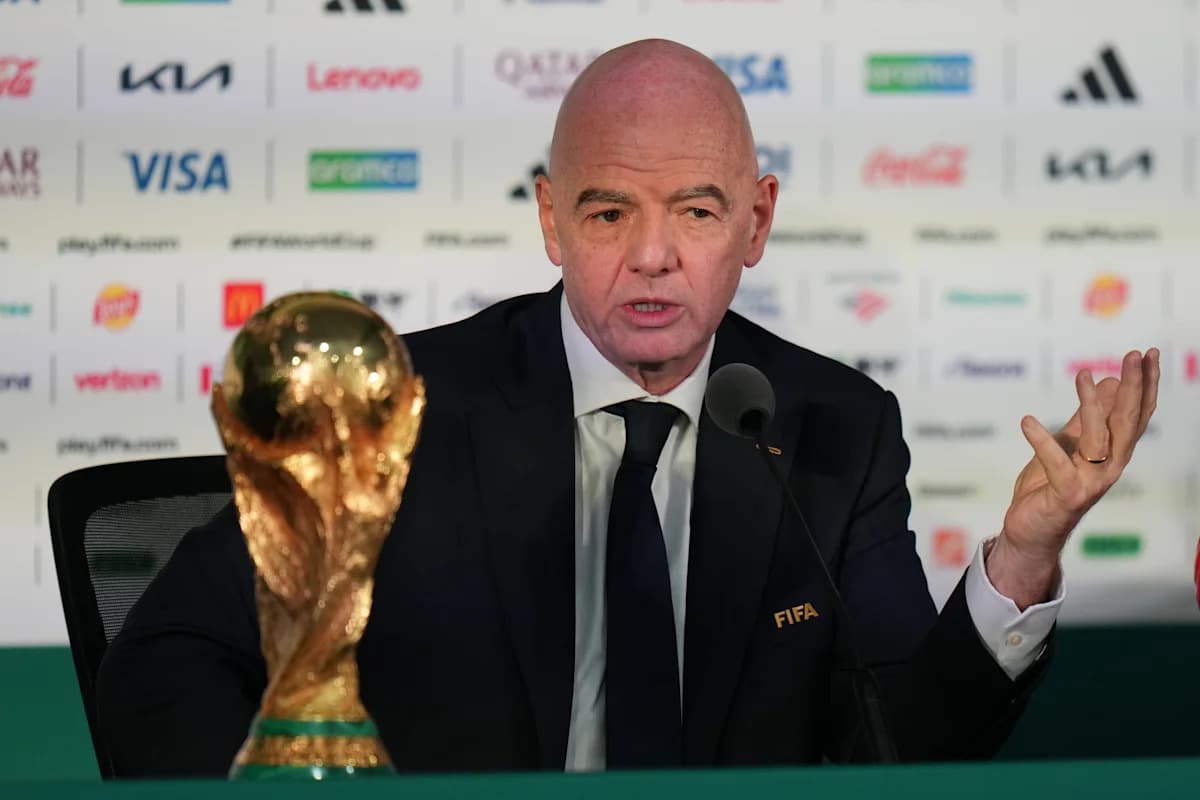
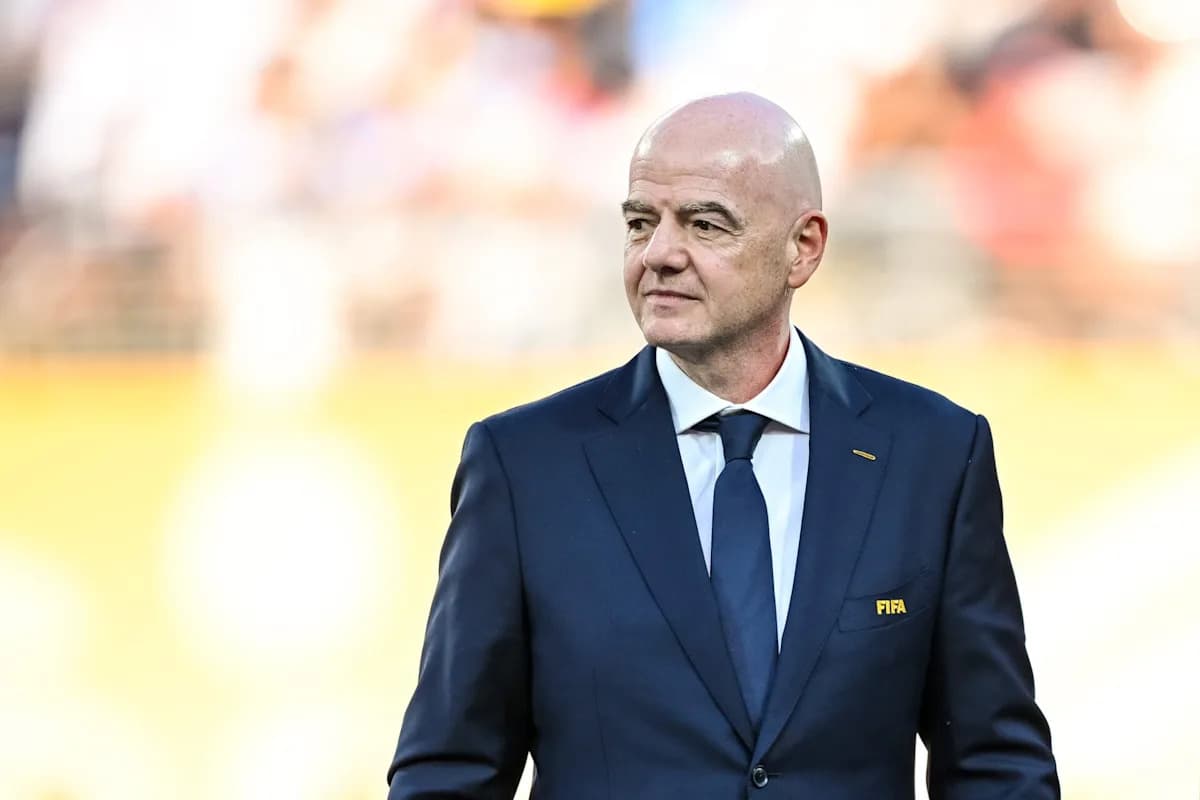
The tournament’s integrity suffered amid political interference, controversial rule changes, and administrative failures. FIFA President Gianni Infantino’s actions often drew criticism, culminating in widespread doubts about the organization’s future direction.
Related News
FIFA World Cup 2026 Commentary Team: Complete List of Presenters and Analysts
World Cup 2026 Best XI: Messi, Rodri, Mbappe Lead the Lineup
Spain’s Tactical Mastery Behind Their Second World Cup Triumph
Gianni Infantino Criticizes World Cup 2026 Detractors Amid Event's Success
FIFA President Gianni Infantino Responds Strongly to 2026 World Cup Critics
Kylian Mbappé Pens Open Letter to France Fans After 2026 World Cup