
Why Is the Republic of Ireland Facing Israel in Football?
Before the UEFA Nations League draw in Brussels last February, the Football Association of Ireland (FAI) was bracing for challenges. Placed in Pot 3 of League B, they knew one of their possible opponents from Pot 1 could cause significant political and logistical problems. That opponent turned out to be Israel. The Republic of Ireland found itself in Group B3 alongside top seeds Israel, plus Austria and Kosovo.
Almost immediately after the draw, the FAI announced that both matches against Israel would go ahead but without being held in either country. Instead, Ireland will play their away fixture in Debrecen, Hungary on 27 September, then host the game behind closed doors in Backa Topola, a small Serbian town, on 4 October. The decision to move these matches far from Irish soil and without fans did not quell questions about why Ireland is playing Israel at all.
Calls for boycotts have surged, especially since the United Nations’ independent commission accused Israel of committing genocide in Gaza. This double-header has become one of the most talked-about football events involving the Republic of Ireland in recent memory.
Tensions Around Comments and Protests
Things heated up after comments from Republic of Ireland head coach Heimir Hallgrimsson. He said, “We’re not playing with genocide, we’re playing against genocide,” clarifying that his team is facing Israel in sport but not endorsing the situation politically. The Israeli government strongly denies the genocide accusations that followed their response to Hamas’s deadly October 7 attacks nearly three years ago, when roughly 1,200 people were killed and 250 taken hostage. Since then, over 70,000 Palestinians have died in Gaza according to UN data. The Israel Football Association called Hallgrimsson’s remarks "stupidity, ignorance and hypocrisy."
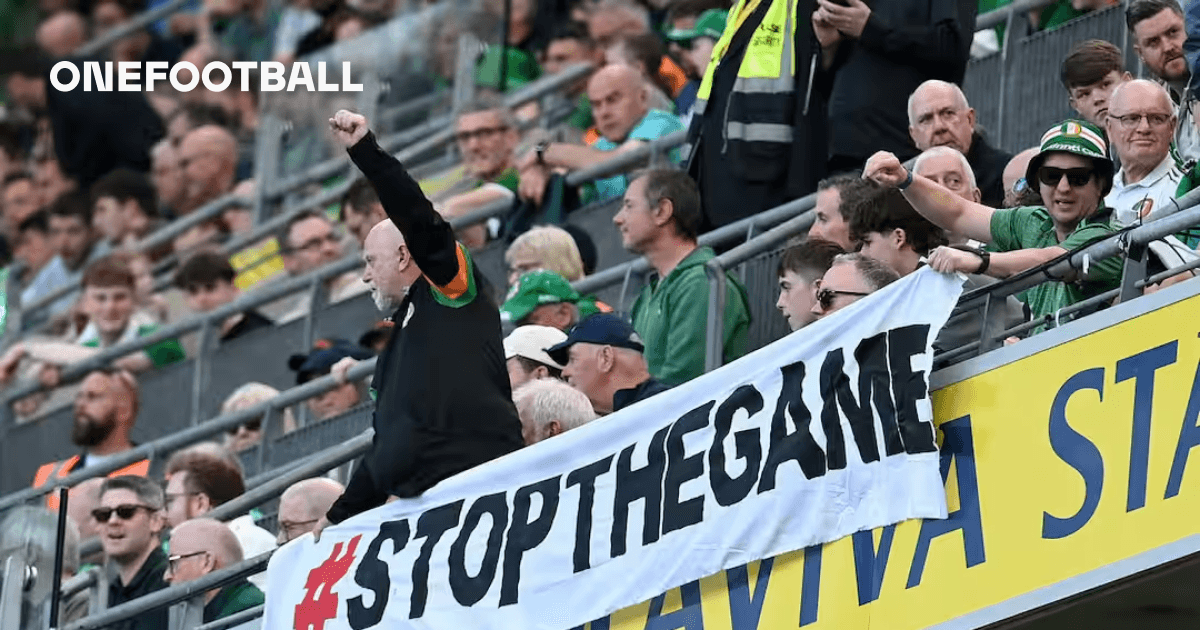
Protesters gathered outside the Irish team hotel in Dublin as part of the "Stop the Game" campaign. The controversy echoed wider public debates, reminiscent of the fallout from Ed Sheeran’s Loop tour when rapper Macklemore was dropped after voicing support for Palestine. Two Irish acts who supported Macklemore by withdrawing from the tour, Aaron Rowe and folk band Beoga, showed solidarity that made headlines.
Former Ireland player Kevin Kilbane, who earned 110 caps, wrote in the Irish Times that fulfilling these fixtures would leave a “stain” on the FAI. Kilbane stated, “Ireland should not be playing Israel. Not in Dublin, not in Hungary and definitely not a ‘home’ match in Serbia.”
FAI’s Position and UEFA’s Decisions
The FAI had appealed to UEFA’s Executive Committee last November to suspend the Israel Football Association immediately. Still, they decided that refusing to play Israel could harm Irish football deeply. Losing Nations League points might damage their chances to qualify for Euro 2028, which Ireland will co-host, as well as future World Cups.
Unlike the quick suspension of Russia from international football after its 2022 invasion of Ukraine, Israel has continued competing in UEFA and FIFA tournaments since the October 7 attacks. UEFA planned to vote on the matter last year but delayed after reports of a ceasefire between Israel and Hamas, which ultimately broke down, resulting in more than 1,300 Palestinian deaths.
Wider European Response and Neutral Venue Choices
No European country has boycotted matches against Israel so far. Pro-Palestinian protests appeared in cities like Oslo and Udine before World Cup qualifiers involving Israel, but no forfeits occurred. Norwegian Football Federation president Lise Klaveness explained, “A boycott would only result in Israel going to the World Cup instead of us.”
The FAI asked UEFA to separate Ireland and Israel in future draws, but the request was denied due to the absence of direct conflict between the two nations. UEFA noted that decisions to avoid certain matchups consider security risks and political conditions case-by-case.
UEFA did approve moving Ireland’s home fixture away from Dublin to a neutral location citing safety concerns. No tickets are available for Irish fans at the away game in Hungary either. Ireland’s public broadcaster RTE confirmed it will provide limited coverage of these matches, without studio shows or punditry, using only the international feed for commentary.
The Matches and Their Impact
Even though the stadiums will be empty and broadcasts minimal, these games remain highly charged events. Back in Ireland, voices opposing the fixtures remain loud and persistent, ensuring the debate continues beyond the pitch.
- Group B3 teams: Republic of Ireland, Israel, Austria, Kosovo
- Match dates and venues: Away vs Israel - 27 Sept in Debrecen, Hungary; Home vs Israel - 4 Oct in Backa Topola, Serbia (behind closed doors)
- Deaths since October 7 attacks: Approx. 1,200 Israelis killed, 70,000+ Palestinians killed (UN figures)
- Protests: Outside Irish team hotel in Dublin, "Stop the Game" campaign
- FAI stance: Fulfil fixtures to protect chances for Euro 2028 and World Cups
- UEFA decisions: Denied separating Ireland and Israel in draws, approved neutral venue for home match due to safety
Related News
Max Verstappen Responds to George Russell's Call for Cooling Vest Rule Change Before Bahrain GP
Anthony Joshua Accepts Major Pay Cut to Secure Tyson Fury Fight in UK
Cristiano Ronaldo Sits Out Portugal's Match Against Norway Amid Tensions
Cesc Fabregas Opens Up on Como Journey from Serie B to Champions League
Claudia Pina Nets Four as Barcelona Overwhelms Real Madrid 7-0 in El Clasico
Juventus Coach Luciano Spalletti Compares Kenan Yildiz to PSG's Khvicha Kvaratskhelia