
Understanding the Number 10 Role in Soccer and Its Historical Roots
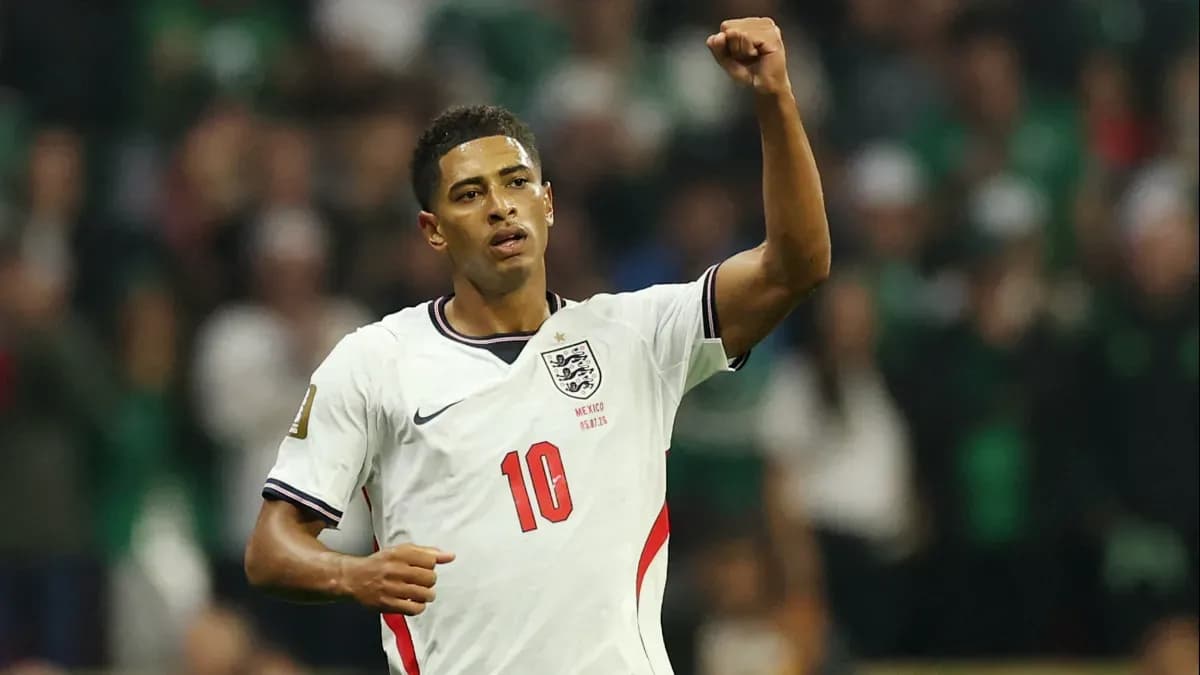
The term "number 10" pops up a lot during the World Cup, but it doesn’t always correspond to the jersey number a player wears. For example, England’s Jude Bellingham is both the number 10 on the team sheet and wears the No. 10 on his shirt. Yet, this label mostly points to a position on the pitch rather than just the digits on the back.
The Role of a Number 10
The number 10 is typically an attacking midfielder who operates just behind the striker. This player acts as a creative force, orchestrating the offense with skill and vision. Legends like Lionel Messi exemplify the talent expected from someone in this spot.
Origin of the Number 10 Label
The number 10 comes from early football traditions where jersey numbers were assigned based on positions. Back then, teams numbered players from 1 to 11, matching their place on the field. The goalkeeper took No. 1, while the attacking midfielder was assigned No. 10. Over time, that number stuck to the role rather than just being a number on the shirt.
More from the World Cup Scene
- USA and England could clash on the grandest stage.
- Norway made headlines by bringing 600 pounds of salmon to the tournament.
- Lamine Yamal’s younger brother has gone viral recently.
- Messi continues to blend history with unforgettable moments.
- Folarin Balogun can play against Belgium despite a previous red card.
"A number 10 is more about creativity and the ability to influence the game just behind the striker," says soccer writer Billy Heyen. "It’s a role steeped in history, not just a number on a jersey."
Billy Heyen is a freelance sports writer for The Sporting News. A Syracuse University graduate, he’s covered everything from basketball to high school sports and major league baseball. Sports writing keeps him busy, leaving little time for movies—he’d probably be watching a match instead. Running is his main pastime away from reporting.
Related News
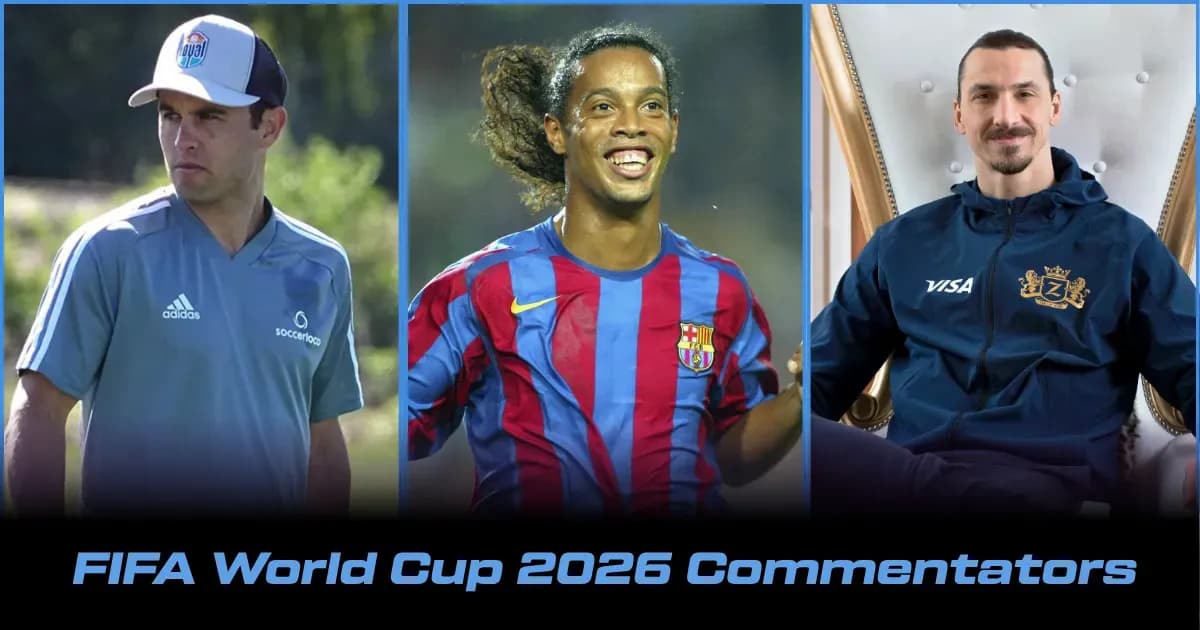
FIFA World Cup 2026 Commentary Team: Complete List of Presenters and Analysts
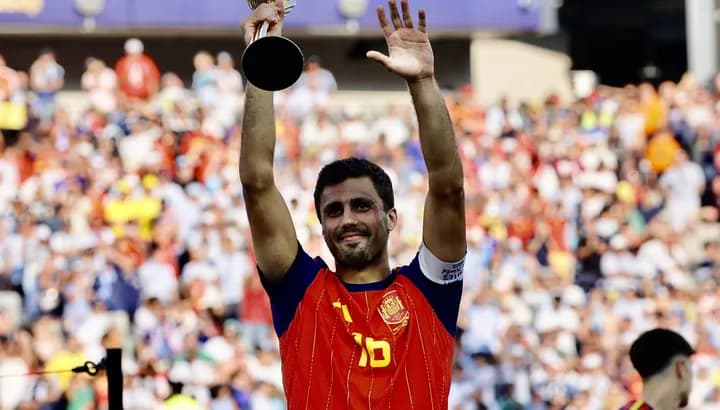
World Cup 2026 Best XI: Messi, Rodri, Mbappe Lead the Lineup
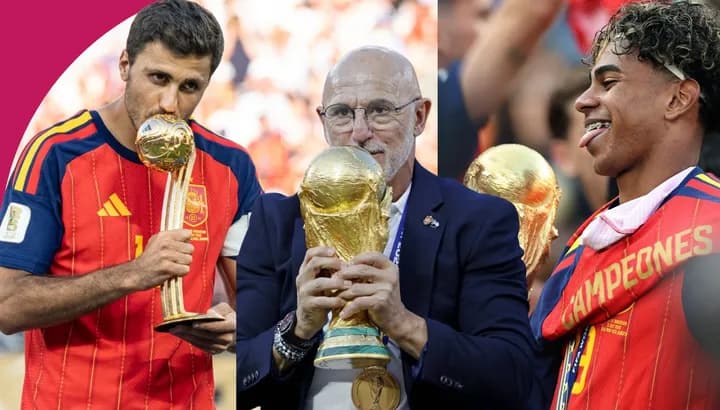
Spain’s Tactical Mastery Behind Their Second World Cup Triumph
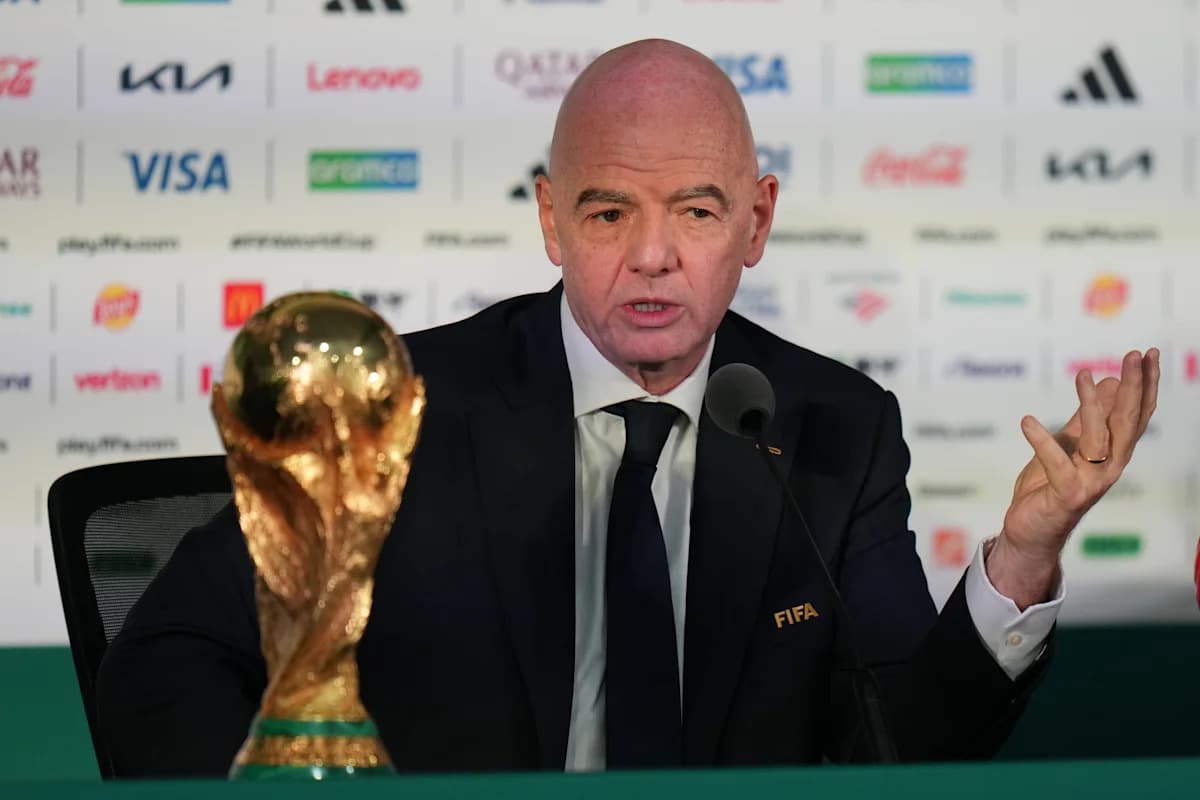
Gianni Infantino Criticizes World Cup 2026 Detractors Amid Event's Success
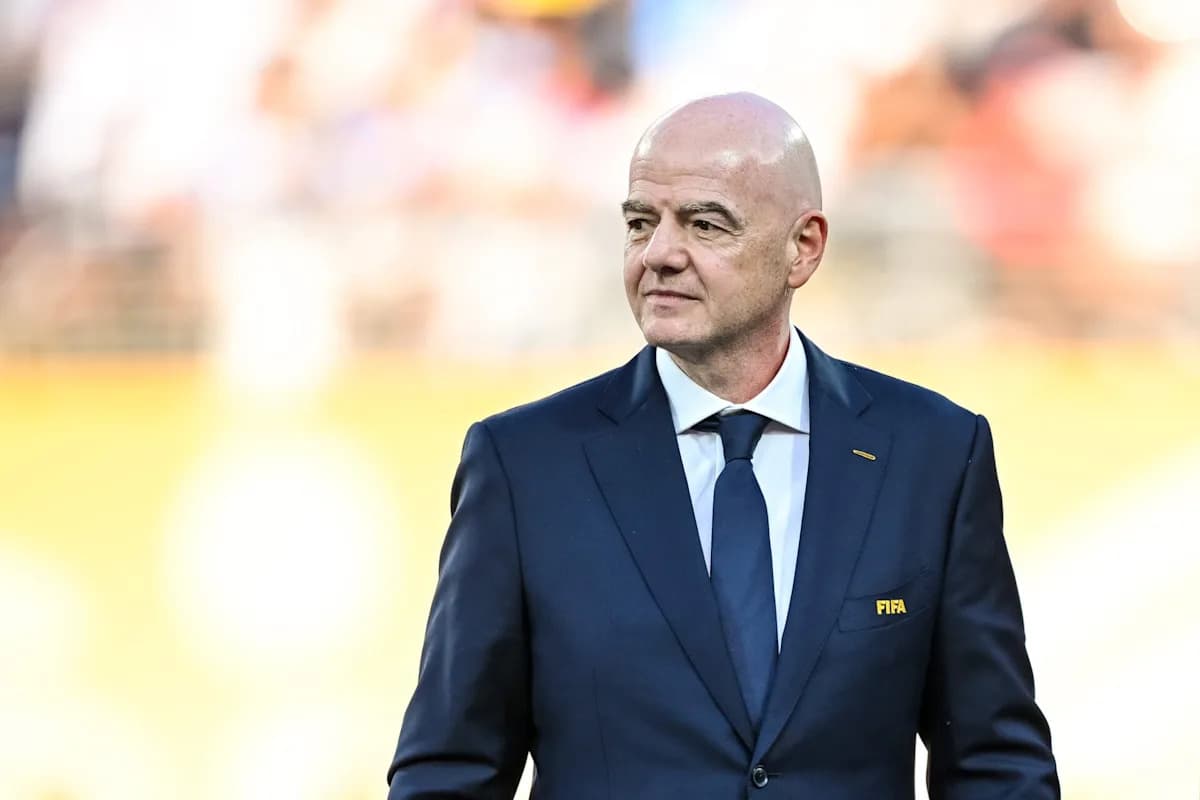
FIFA President Gianni Infantino Responds Strongly to 2026 World Cup Critics
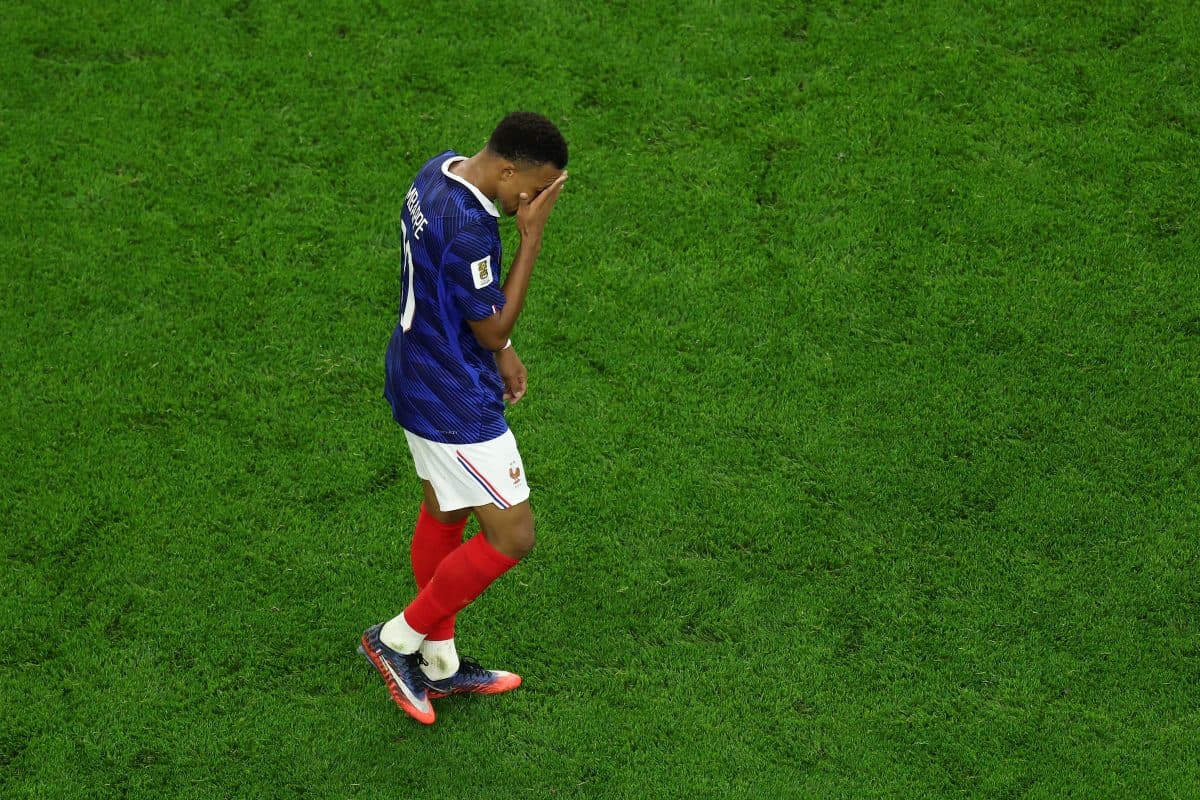
Kylian Mbappé Pens Open Letter to France Fans After 2026 World Cup