

Viking vs Dinamo Zagreb: UEFA Champions League Play-Off Showdown
Viking host Dinamo Zagreb at Lyse Arena in a decisive UEFA Champions League play-off second leg, with the 2–2 draw in Zagreb leaving this tie finely balanced and the outcome likely to define whether either club reaches the lucrative group stage or drops out of Europe in 2026.
Head-to-Head Tactical Summary
The only recent meeting between these sides came on 18 August 2026 at Stadion Maksimir in Zagreb, where Dinamo Zagreb and Viking drew 2–2. Dinamo led 2–2 at half-time as well, underlining a wide-open first period with both attacks finding space. The scoreline reflects Viking’s capacity to threaten away from home and Dinamo’s ability to create multiple chances, setting up this return leg as a continuation of an already attacking tie.
Global Season Picture
- League Phase Performance: There is no group-stage standings data yet for either Viking or Dinamo Zagreb in the 2026 UEFA Champions League; all available indicators come from early qualifying and play-off matches rather than established group tables.
- Season Metrics: In the league phase context so far, Viking have played 1 match, drawing it 2–2 away, scoring and conceding 2 goals, and using a 4-3-3 setup. They have not kept a clean sheet but have also scored in their only outing, with a single yellow card shown late in the match window (61–75 minutes). Dinamo Zagreb have a broader sample of 5 matches, with 3 wins and 2 draws, scoring 13 goals and conceding 6. They average roughly 2.6 goals scored and 1.2 conceded per match, and have experimented tactically with 4-1-4-1, 4-3-3, and 4-2-3-1 formations. Discipline-wise, Dinamo accumulate yellow cards fairly evenly across the match, with a slight spike between minutes 61–75, and have already received one red card in the 31–45 minute range, hinting at an aggressive defensive approach in key phases.
- Form Trajectory: Viking’s form string of “D” reflects a single draw so far, but crucially that draw came away at Dinamo, suggesting resilience under pressure. Dinamo’s “DWWWD” run shows they are unbeaten across five matches, with three wins and two draws and a current pattern of consistently finding ways not to lose, even when not at their fluent best.
Tactical Efficiency
Across these early matches, Viking’s profile is that of a compact but still untested side at this level: one match, two goals scored and two conceded, and a preference for a 4-3-3 that can morph quickly into a 4-5-1 without the ball. Their ability to score twice away in Zagreb suggests an attack capable of exploiting transitions, but the identical goals-for and goals-against numbers underline that their defensive structure is not yet proven against sustained pressure.
Dinamo Zagreb, by contrast, show a more complete tactical picture. With 13 goals from 5 matches, their attack is operating at a high output, supported by flexible formations that allow them to overload wide areas or central zones as needed. Conceding 6 in the same span indicates a defense that is generally solid but can be stretched, particularly when they commit numbers forward. Their disciplinary record — frequent yellow cards and one red — points to a defensive unit that is aggressive in duels and willing to take tactical fouls, which can both break up Viking’s counters and create risk of suspensions or playing long periods with ten men. Overall, Dinamo’s efficiency is higher on both sides of the ball, but Viking’s small sample and strong away performance mean there is scope for them to grow into this home leg.
The Verdict: Seasonal Impact
This play-off second leg is season-defining for both clubs. For Viking, overturning the away draw and winning at Lyse Arena would deliver a breakthrough into the Champions League group stage, transforming their 2026 campaign financially and competitively, and potentially reorienting domestic priorities around managing a heavier European schedule. Failure to progress, after taking a 2–2 result from Zagreb, would feel like a missed opportunity and likely shift focus back to domestic consolidation rather than continental ambition.
For Dinamo Zagreb, who arrive unbeaten and with stronger early-season metrics, progression would reaffirm their status as a consistent group-stage presence and maintain their pathway to prize money and coefficient gains that underpin their long-term squad-building model. An exit at this hurdle, despite superior experience and a potent attack, would be a significant setback: it would compress revenue expectations for 2026, force re-evaluation of squad depth and tactical risk-taking, and could prompt strategic adjustments ahead of domestic and future European campaigns. In short, this single result will heavily influence each club’s financial ceiling, recruitment leverage, and competitive narrative for the rest of 2026.
Related News

Lamine Yamal Shares What Barcelona Must Do to Triumph in the Champions League

Luis Díaz Confident Bayern Munich Can Win Champions League

Insights from AFC Champions League Matchday One: K League Clubs’ Strategies

Vincent Kompany's Bayern Munich Future Not Tied Solely to Champions League Outcome

Barcelona's Camp Nou Chosen for 2029 Champions League Final, Munich Set for 2028
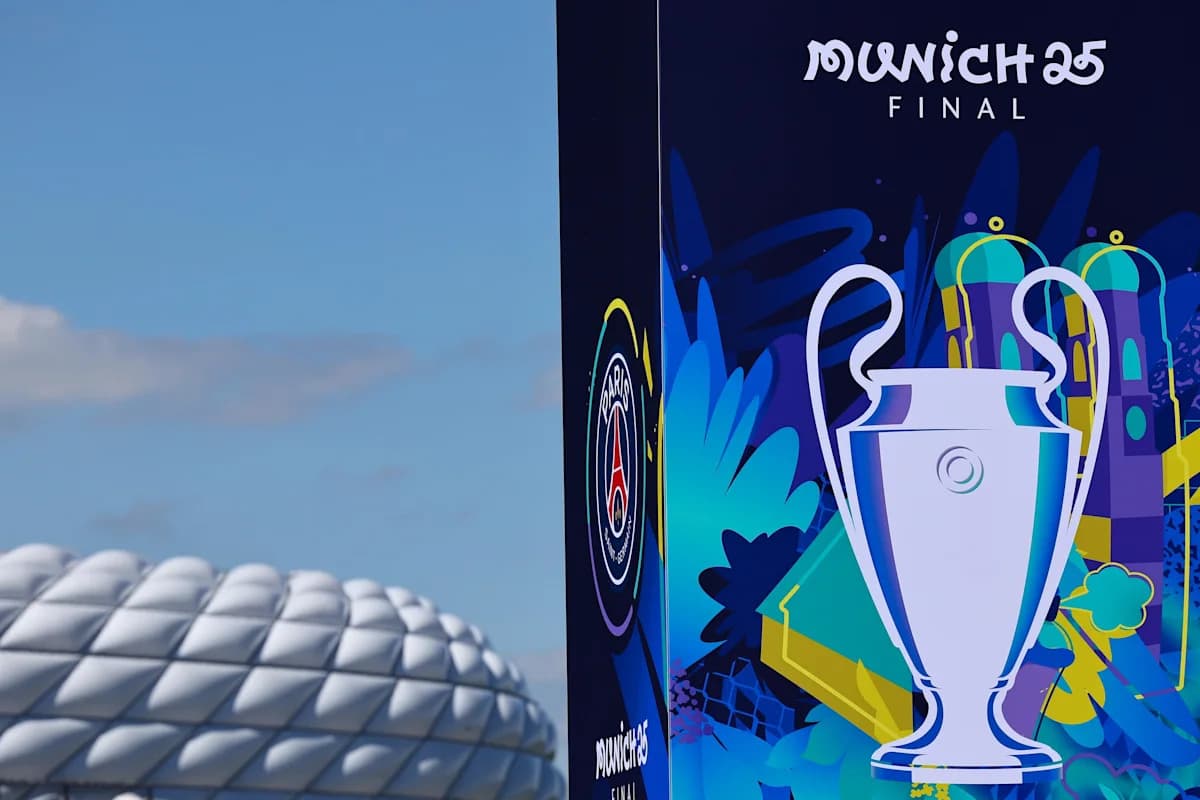
Allianz Arena to Host 2028 UEFA Champions League Final