
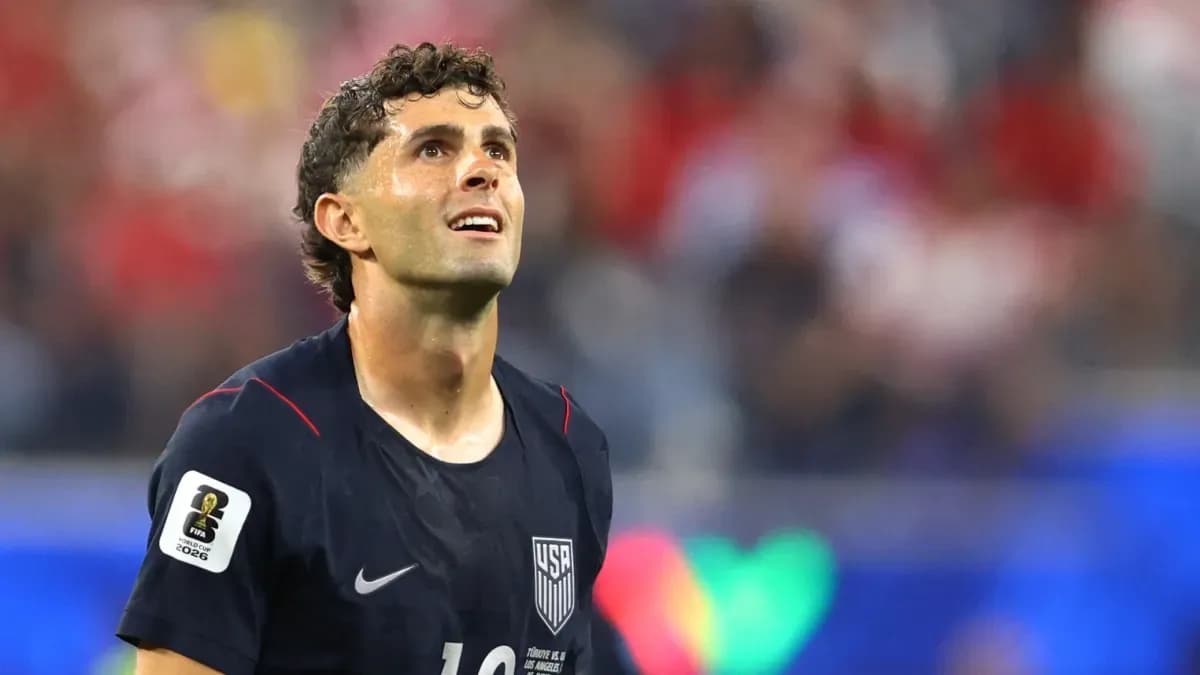
USMNT’s Projected Squad for the 2030 World Cup: Christian Pulisic at the Forefront of a New Era
The United States missed out on a strong finish at the 2026 FIFA World Cup after an early exit in the Round of 16, losing 4-1 to Belgium. Despite some promising moments in the group stage and a Round of 32 win over Bosnia and Herzegovina, the team’s performance exposed gaps in development and competitive intensity.
Coach Mauricio Pochettino was brought in with hopes of raising the team’s level against Europe’s middle-tier powerhouses, but the results showed there’s still plenty to do. The buzz around soccer in the US remains high following the 2026 event, making it a good moment to look ahead to 2030. The current core will be aging out soon, and fresh talent must step up.
Previewing the USMNT Roster for the 2030 World Cup
Four years can change everything in professional sports. Injuries, form shifts, and emerging players could dramatically reshape the lineup. For instance, Alex Freeman was not even a consideration two years before 2026 but has since become a starter. Here’s an early projection of who might make the squad in 2030, factoring age and growth prospects.
*Cavan Sullivan is already signed with Manchester City and will join a Premier League club upon turning 18.
Goalkeepers: A Shift in Guard
Matt Turner will be 36 in 2030, likely retired from international duty. Matt Freese is expected to have taken over by 2026, but young talents like Diego Kochen and Gaga Slonina will compete for spots if they secure consistent minutes at their clubs. Duran Ferree, who has risen with San Diego FC, could also emerge as a contender.
Center-Back: Biggest Concern
This area feels unsettled. Veterans Tim Ream and Miles Robinson will be gone by 2030. Chris Richards and Auston Trusty may remain, joined by newcomers Noahkai Banks, George Campbell, and Cameron Carter-Vickers. Banks faces a choice between the US and Germany, which adds intrigue. Benfica youth Josh Wynder could push for time if he breaks into the first team soon. Depth beyond these names looks thin.
Full-Backs: Mixed Prospects
Experienced players like Sergino Dest and Joe Scally are likely to remain. Antonee Robinson, now 32 and struggling with knee injuries, may or may not be a starter. Several MLS youngsters such as Luca Bombino, Reed Baker-Whiting, and Frankie Westfield show promise and could fill gaps.
Midfield: Blend of Experience and Youth
Tyler Adams, Weston McKennie, and Malik Tillman are expected to provide leadership, though Adams and McKennie will be on the older side. Newcomers Johnny Cardoso, Rokas Pukstas, and especially Cavan Sullivan offer excitement. Sullivan’s move to Manchester City marks him as a key future player. Other midfielders like Gio Reyna and Yunus Musah face pressure to prove themselves at club level or risk losing ground.
Wingers: Pulisic Leads the Way
Christian Pulisic will still be a core figure at 31, though his peak might be behind him. Tim Weah is another holdover. Cole Campbell, developing at Borussia Dortmund, could rise as the next big attacker. Zavier Gozo and Mathis Albert are other hopefuls breaking through at younger ages.
Strikers: Stability Emerging
Surprisingly, striker looks like a stable spot with Folarin Balogun and Ricardo Pepi both young and improving. Damion Downs appears on track to join this group by 2030. Older players like Josh Sargent and Haji Wright might still be options, but the next generation is ready to take over.
"The evolution of the squad over the next four years will shape US soccer's future," said Kyle Bonn, senior content producer. "Pulisic’s leadership alongside rising stars like Sullivan could define the team's identity in 2030."
Related News
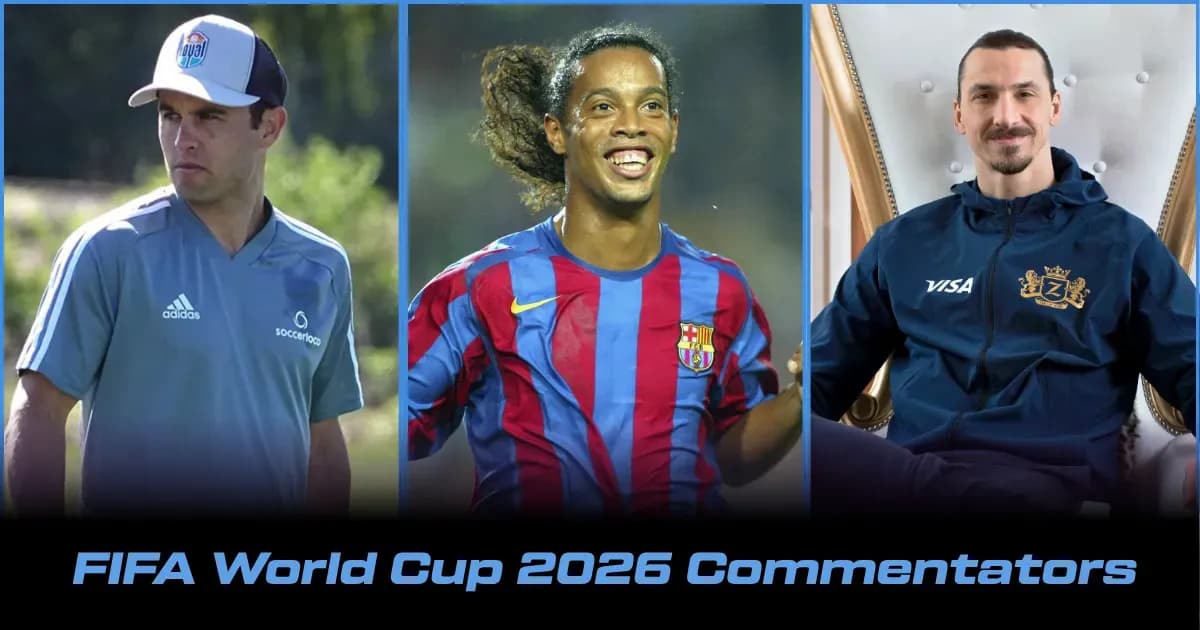
FIFA World Cup 2026 Commentary Team: Complete List of Presenters and Analysts
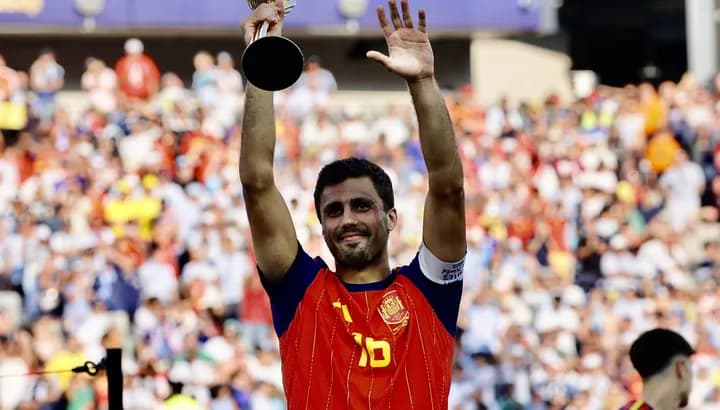
World Cup 2026 Best XI: Messi, Rodri, Mbappe Lead the Lineup
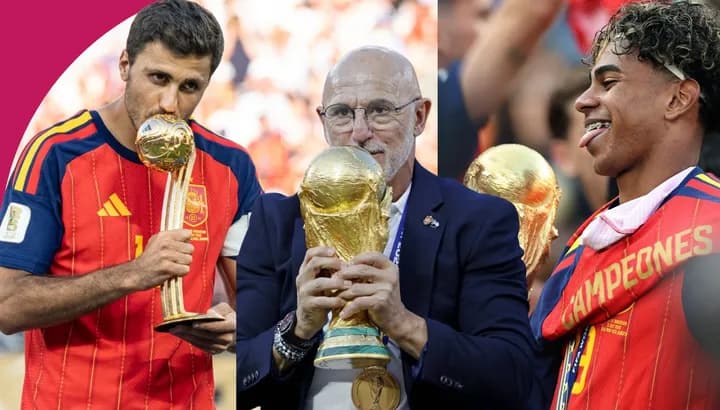
Spain’s Tactical Mastery Behind Their Second World Cup Triumph
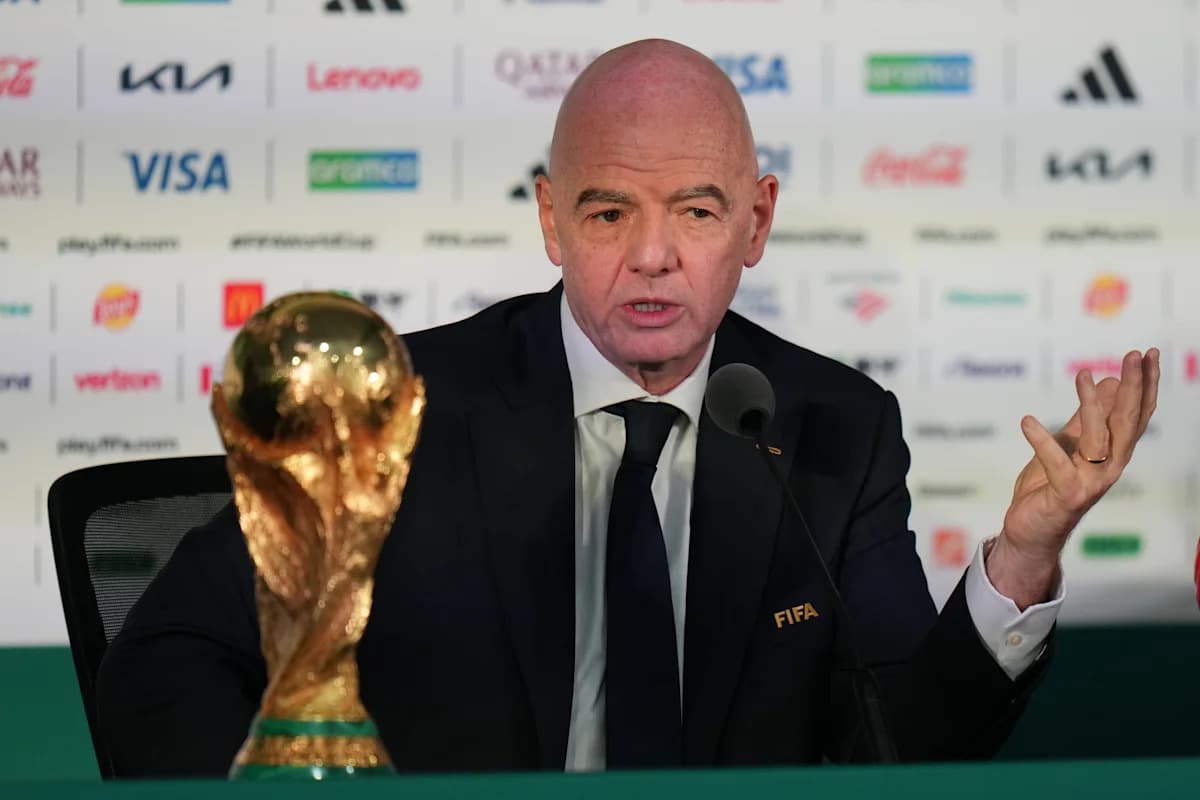
Gianni Infantino Criticizes World Cup 2026 Detractors Amid Event's Success
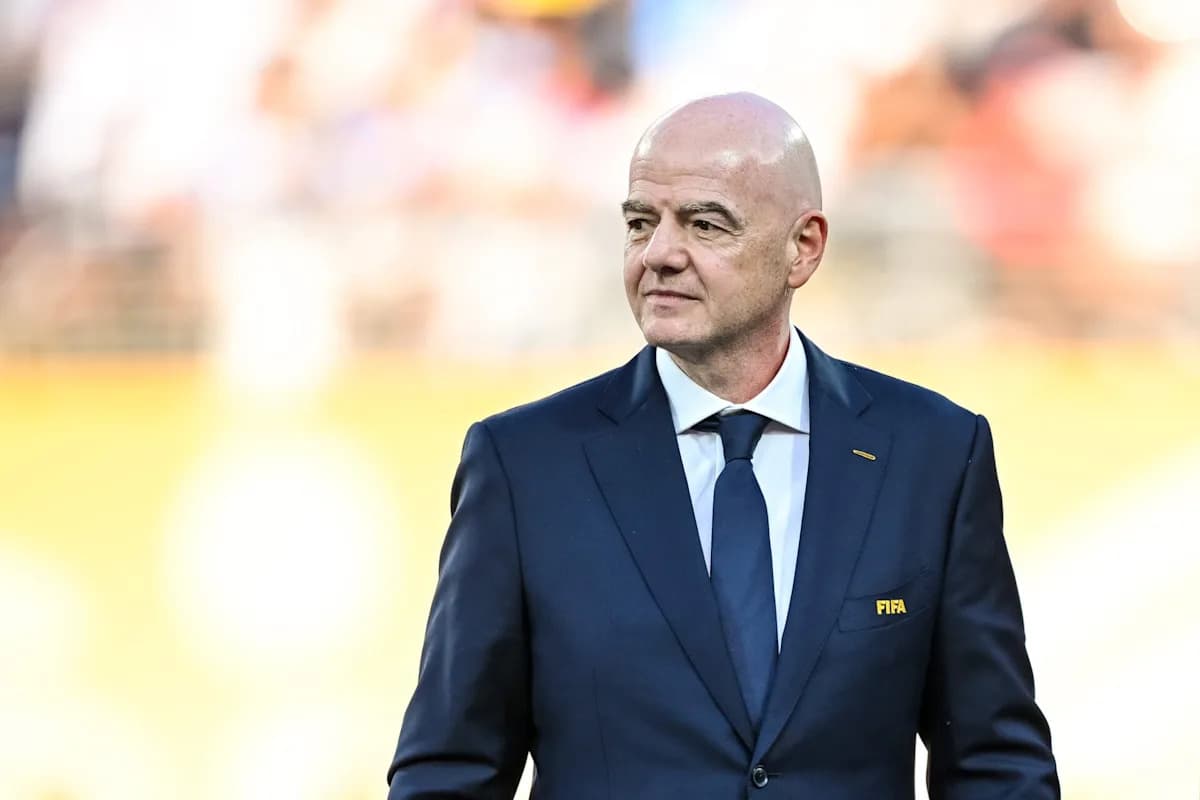
FIFA President Gianni Infantino Responds Strongly to 2026 World Cup Critics
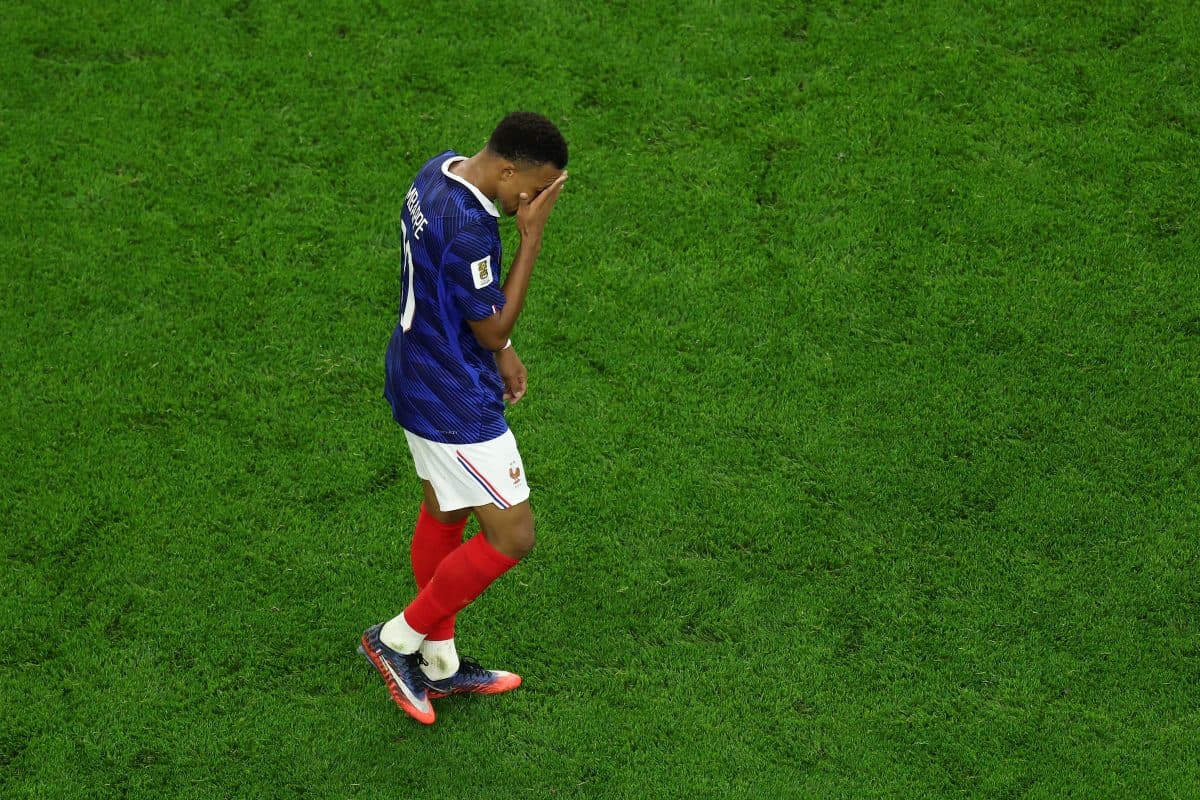
Kylian Mbappé Pens Open Letter to France Fans After 2026 World Cup