
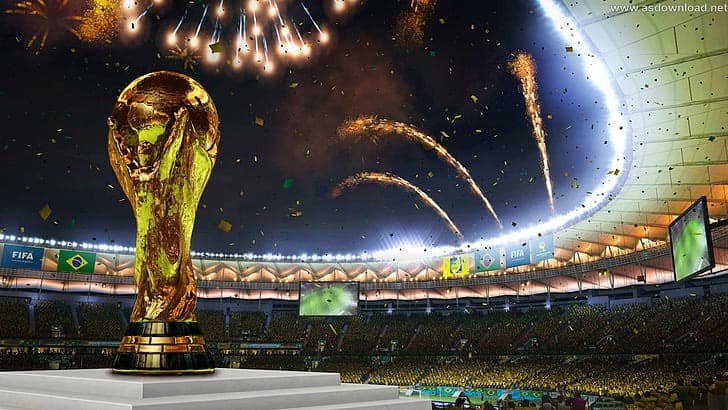
The Unpredictable Thrill of the 2026 World Cup
When FIFA revealed that the 2026 World Cup would grow to 48 teams, many were quick to doubt. Concerns ranged from dull group stages to a dip in quality. Yet, as the tournament unfolds across the USA, Canada, and Mexico, this vast new format has produced an unexpected level of unpredictability.
Unlike Qatar 2022, which felt like a procession for traditional powerhouses, this edition has defied expectations. The usual hierarchy barely matters now, making each knockout round intensely gripping.
Heavyweights Falter as Underdogs Rise
Adding more teams inevitably changes the seeding dynamic. Top squads expected smooth progress but instead faced well-prepared opponents with unique tactics. This setup favored nations quietly building strong squads away from the spotlight, exploiting any hint of complacency.
Brazil’s shocking Round of 16 exit against Norway in New Jersey stands out. Despite a roster full of Champions League stars, Brazil looked lost against a relentless Norwegian side led by Erling Haaland, who overwhelmed their defense.
In Boston’s Round of 32, Paraguay showcased a different tactic: defensive grit. After a harsh 4-1 loss to the USA in the groups, Paraguay held firm against Germany’s pressure, forcing penalties and ultimately winning 4-3. Their disciplined low block remains a potent weapon in knockout matches.
Cape Verde captured hearts as the true underdog story. With just over half a million people, they stunned Spain to a goalless draw and pushed defending champions Argentina to extra time before narrowly losing 3-2. Their run highlights why this expanded format works—giving smaller nations a chance to rewrite the script.
A Grueling Test of Endurance
The sheer number of games has changed how teams manage their energy. Previously, elite sides could rotate players and save strength for later rounds. Now, the longer path means fatigue is unavoidable.
Argentina’s Round of 32 match against Egypt in Atlanta showed this clearly. Egypt's aggressive play gave them a surprising two-goal lead. Meanwhile, a tired Argentine squad struggled, with Lionel Messi missing a first-half penalty. It took tactical adjustments from coach Lionel Scaloni to turn the game around, with Messi and Enzo Fernandez scoring late goals for a 3-2 win. This format demands not just skill but stamina and mental toughness.
Powerhouses Still Standing
The chaos hasn’t wiped out the giants. France has dominated their matches with ruthless precision. Spain and Argentina also survived early threats, proving the elite remain strong. Yet, the quarter-final lineup features unexpected contenders alongside these favorites.
Bookmakers at NetBet still see the trophy staying within familiar hands, with a clear gap between the top four and the rest. England, despite needing a defensive masterclass against Mexico, remains in the mix thanks to Thomas Tuchel’s leadership.
Why the 2026 World Cup Excites
This tournament blends the presence of football’s biggest names with the unpredictable challenges posed by underdogs like Cape Verde, Paraguay, and Egypt. The drama lies in knowing that past achievements offer no guarantees once the whistle blows. We think that unpredictability keeps fans glued to their seats and makes every match worth watching.
Related News

FIFA World Cup 2026 Commentary Team: Complete List of Presenters and Analysts
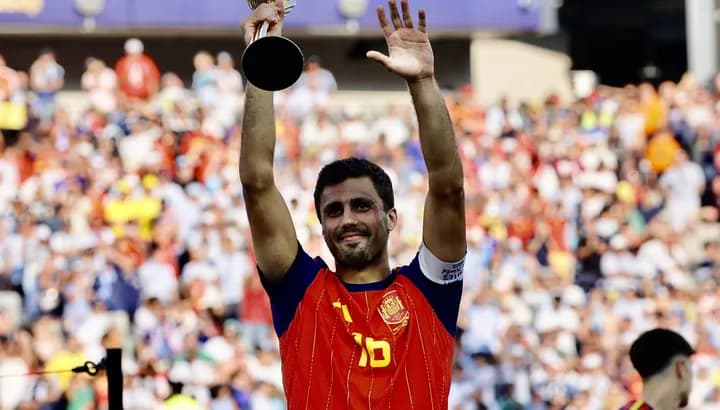
World Cup 2026 Best XI: Messi, Rodri, Mbappe Lead the Lineup

Spain’s Tactical Mastery Behind Their Second World Cup Triumph
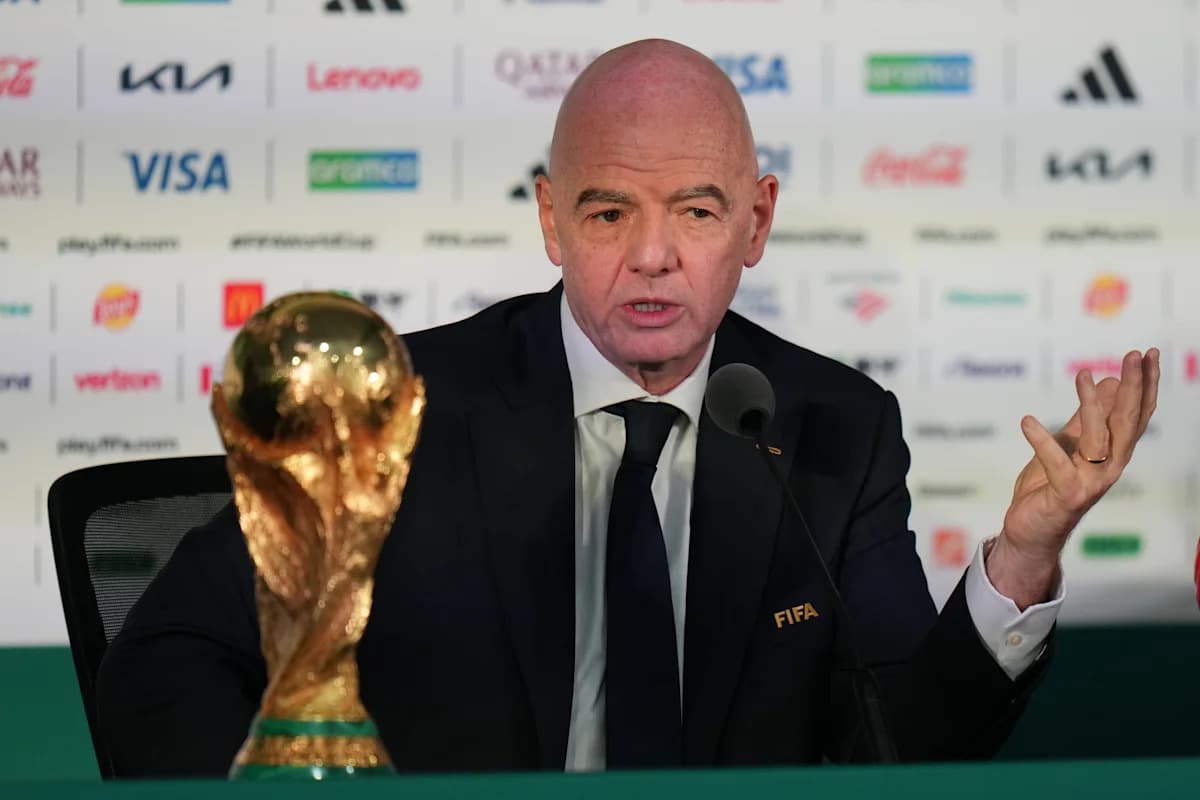
Gianni Infantino Criticizes World Cup 2026 Detractors Amid Event's Success
FIFA President Gianni Infantino Responds Strongly to 2026 World Cup Critics
Kylian Mbappé Pens Open Letter to France Fans After 2026 World Cup