
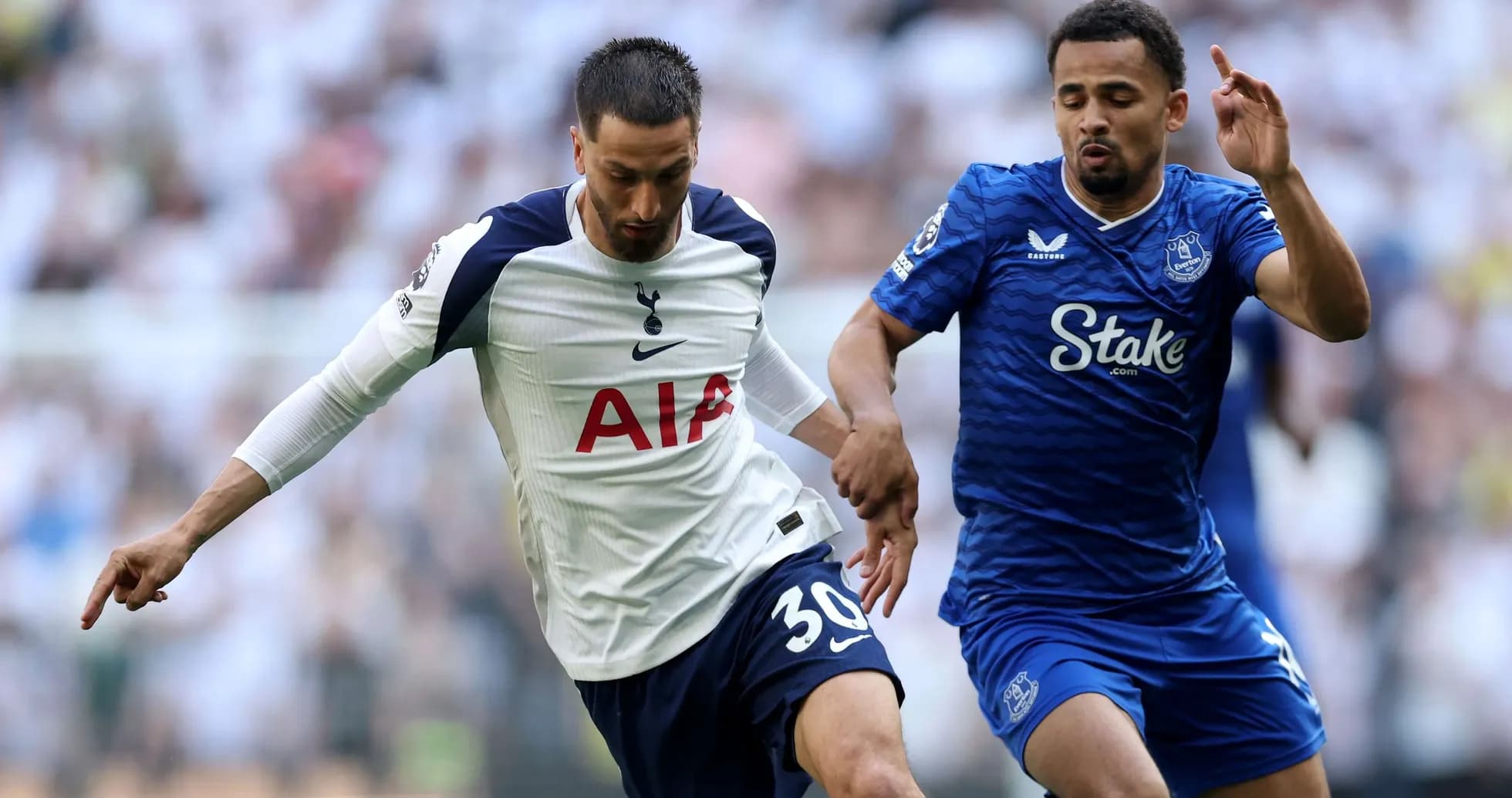
Tottenham's Narrow Victory Over Everton: A Season in Review
Under a grey May sky at the Tottenham Hotspur Stadium, this felt less like a dead‑rubber finale and more like a referendum on two projects heading in different directions. Following this result, Tottenham close a bruising Premier League season in 17th on 41 points, clinging to safety with a goal difference of -9 (48 scored, 57 conceded). Everton, 13th with 49 points and a goal difference of -3 (47 for, 50 against), finish as the more stable side on paper, yet it was Tottenham who imposed their will in a tight 1-0 win.
I. The Big Picture – A season distilled into 90 minutes
Both sides lined up in a 4-2-3-1, but the shapes carried very different emotional weight. For Roberto De Zerbi, this was a final audition for a new identity at a club that has spent the season veering between chaos and control. Tottenham’s campaign has been defined by volatility: heading into this game they had won 10, drawn 11 and lost 17 in total, scoring 1.3 goals per game overall while conceding 1.5. At home, the numbers were even starker – only 3 wins from 19, with 1.2 goals scored and 1.6 conceded per match.
Everton, under Leighton Baines, arrived with a sturdier if unspectacular profile. Across the season they took 13 wins, 10 draws and 15 defeats, scoring 1.2 goals per game overall and conceding 1.3. On their travels they were balanced: 7 away wins, 7 losses, 5 draws, with 1.1 goals scored and 1.2 conceded per away match. That away resilience set the backdrop for a contest that always threatened to be decided by fine margins.
II. Tactical Voids – Absences that bent the game’s shape
The teamsheets told their own story of what was missing. Tottenham were stripped of much of their creative and defensive spine: C. Romero, X. Simons, D. Kulusevski, M. Kudus, W. Odobert and B. Davies were all listed as missing the fixture, several with knee injuries, Davies with an ankle problem. Romero’s absence removed an aggressive organiser at the back; Simons and Kulusevski took with them a layer of final-third invention that has often masked the team’s structural flaws.
Everton’s voids were just as significant but different in nature. J. Branthwaite (hamstring), I. Gueye and J. Grealish (foot injury) were all unavailable. Without Branthwaite, Baines turned to the experienced pairing of J. Tarkowski and M. Keane, flanked by J. O’Brien and V. Mykolenko. The loss of Gueye stripped some bite from the base of midfield, while Grealish’s absence robbed Everton of a ball‑carrying outlet who had contributed 6 assists across the season.
Discipline has been a live wire for both clubs. Tottenham’s season-long yellow card distribution shows a clear spike between 61-75 minutes, where 24.75% of their yellows arrived – a period where emotional control tends to fray. Their red cards are concentrated in the 31-45 minute band (50.00%), underlining how quickly a tight game can tilt if their aggression spills over before half-time. Everton, for their part, see 21.62% of their yellows in the 76-90 window and have taken red cards early (0-15), mid (61-75) and late (76-90), a scatter that hints at a team willing to push the line across all phases.
III. Key Matchups – Hunter vs Shield, and the battle for control
Hunter vs Shield: Richarlison vs Everton’s away defence
The emotional core of this fixture sat in the penalty area. Richarlison, Tottenham’s leading scorer this season with 11 league goals and 4 assists, carried the burden of a side that has failed to score in 7 matches overall. His profile is that of a combative forward: 47 shots, 26 on target, 20 key passes and a willingness to engage in 325 duels, winning 137. This is a striker who lives in collisions as much as in spaces.
He was up against an Everton away unit that, heading into this game, conceded 23 goals in 19 away matches – 1.2 per away game – a number that speaks to organisation rather than dominance. Tarkowski and Keane formed the central wall, but the broader “shield” was systemic: Everton’s 4-2-3-1 has been their default in 37 of 38 league matches, a continuity that breeds automatisms in the back four and double pivot.
The duel was as much psychological as tactical. Everton’s defenders, particularly O’Brien – who across the season has combined 57 tackles with 16 blocked shots and 15 interceptions – are comfortable defending their box. But Richarlison’s movement between the lines, supported by the roaming of M. Tel and C. Gallagher, repeatedly asked them to defend the channels rather than just the six-yard line.
The Engine Room: Palhinha & Bentancur vs Garner & Iroegbunam
If the penalty areas were about emotion, the centre of the pitch was about control. Tottenham’s double pivot of J. Palhinha and R. Bentancur was designed to give structure to a side that has too often been stretched. Palhinha, a natural ball-winner, anchored the space in front of K. Danso and M. van de Ven, allowing the full-backs P. Porro and D. Udogie to push high and wide.
Everton’s answer was the pairing of J. Garner and T. Iroegbunam. Garner, listed as a defender but operating here as a deep midfielder, has been one of the league’s most complete contributors: 1792 passes at 87% accuracy, 56 key passes, 120 tackles, 10 blocked shots and 57 interceptions. He is both Everton’s top assist provider with 7 and their most-booked player with 12 yellows, a dual role that captures his influence and his edge.
This “engine room” clash defined the game’s rhythm. Tottenham sought to compress Everton in their own half, using Gallagher’s pressing and Tel’s drifting to lock the visitors into narrow exits. Everton tried to play through Garner’s calm distribution, but without Gueye’s defensive coverage and Grealish’s ball-carrying, the responsibility on Garner became almost total. Each time he stepped forward to thread a pass, Palhinha looked to pounce; each time he dropped deep to build, Richarlison and Gallagher curved their runs to block his lanes.
IV. Statistical Prognosis – What the numbers say about the performance
Following this result, the scoreline – 1-0 to Tottenham – echoed the season-long statistical tension between these sides. Tottenham’s overall goal difference of -9 (48 for, 57 against) encapsulates a team that creates enough to survive but not enough to thrive. Everton’s -3 (47 for, 50 against) suggests a marginally more balanced outfit, yet on the day they were edged by a sharper execution in both boxes.
From an Expected Goals lens, even without explicit xG numbers, the profiles are revealing. Tottenham, with 1.3 goals scored and 1.5 conceded per game overall, typically play in open, high-event contests. Their 9 clean sheets in total show they can, on occasion, lock things down, but the defensive baseline has been fragile. Everton’s 1.2 goals scored and 1.3 conceded per match, combined with 11 clean sheets overall, point to a side more comfortable in low‑margin football.
This match followed that Everton template more than Tottenham’s: tight, narrow, decided by a single strike. The absence of Romero and Simons could have unbalanced the hosts, but van de Ven’s authority at the back – he has blocked 22 shots and intercepted 23 across the season – and Porro’s two-way energy (75 tackles, 10 blocked shots, 29 interceptions) helped close the door when it mattered.
Disciplinary risk always hovered. Tottenham’s propensity for cards between 61-75 minutes met an Everton side whose yellows spike late (21.62% between 76-90), creating a combustible final half-hour. Yet both managed to finish with eleven men, a small but telling sign of growing game management in a fixture that, earlier in the season, might have boiled over.
In narrative terms, this felt like Tottenham finally winning the kind of game their season statistics said they usually lose at home: low‑scoring, nervy, decided by concentration rather than chaos. For Everton, the numbers still paint them as a more balanced project, but this finale underlined a lingering issue: away from home, they can keep things tight, yet lack the extra layer of creativity – especially without Grealish – to turn control into cutting edge.
As the curtain falls on the 2025 Premier League campaign, the squads leave with contrasting lessons. Tottenham’s spine, even patched and depleted, showed it can grind when the occasion demands. Everton’s structure held, but their ceiling remains capped by a reliance on a small cluster of creators. The table says mid‑table versus survival; the performance suggests both clubs still searching for a clearer identity beneath the numbers.
Related News
Brighton vs Arsenal Predicted Lineups: Team News and Match Insights
Manchester City vs Sunderland Predicted Lineups: Team News and Match Analysis
Bournemouth vs Liverpool Prediction: Key Stats and Betting Tips
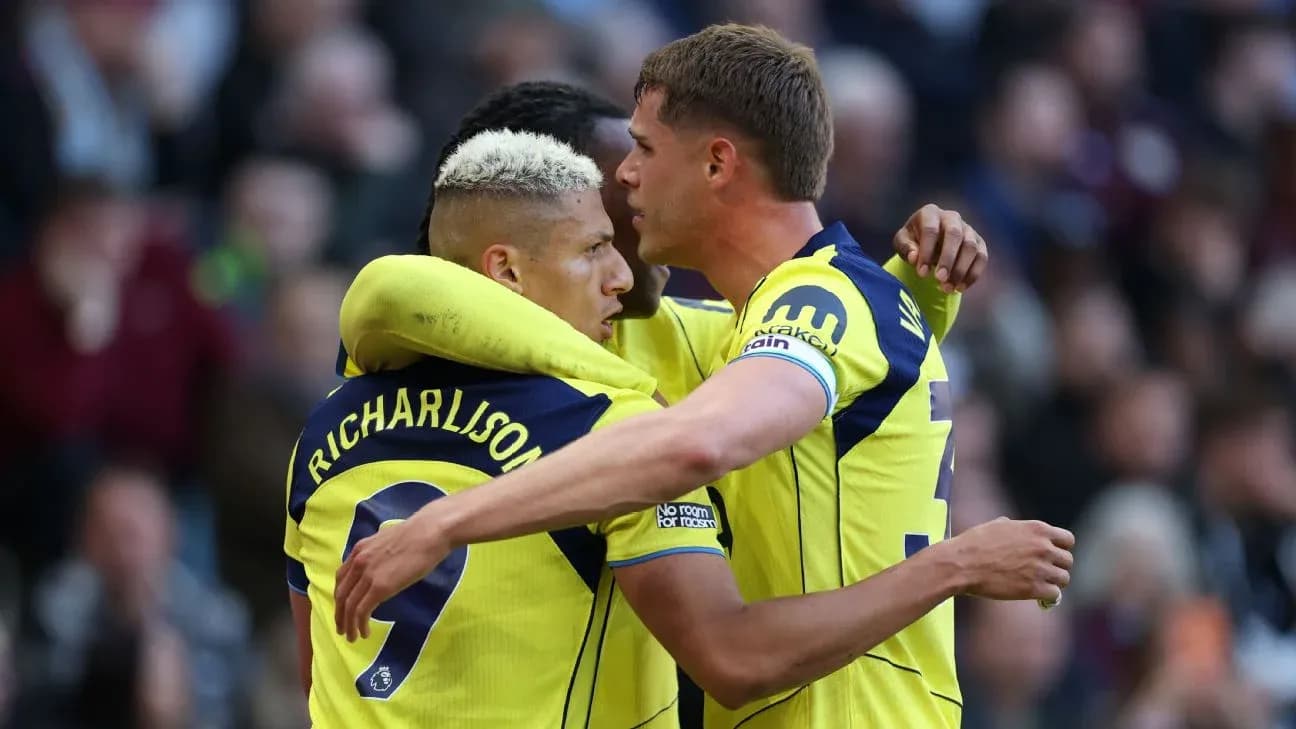
Tottenham vs Aston Villa Predicted Lineups: Team News for Premier League Clash
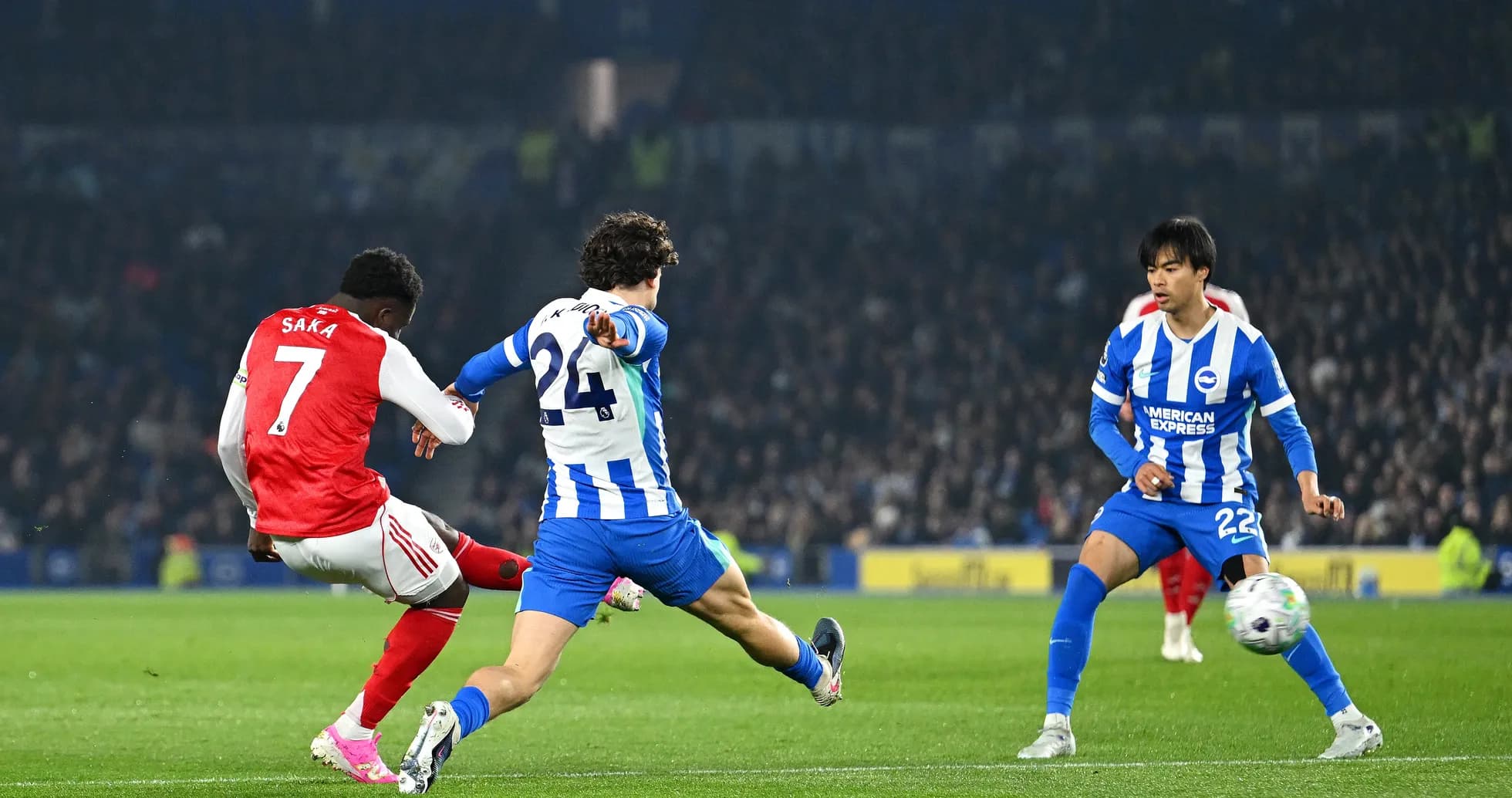
Brighton vs Arsenal: Premier League Clash Preview
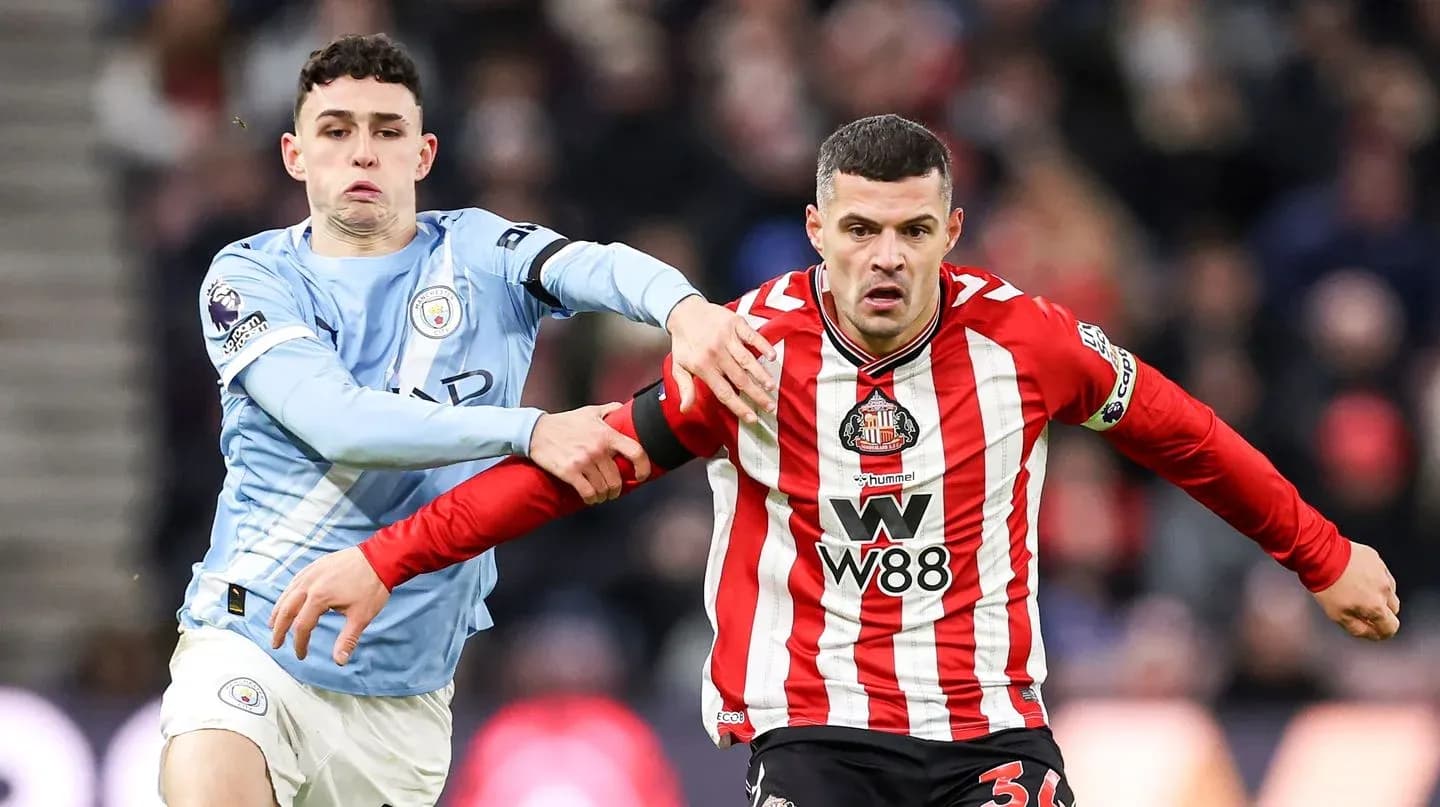
Manchester City vs Sunderland: Premier League Clash Preview