
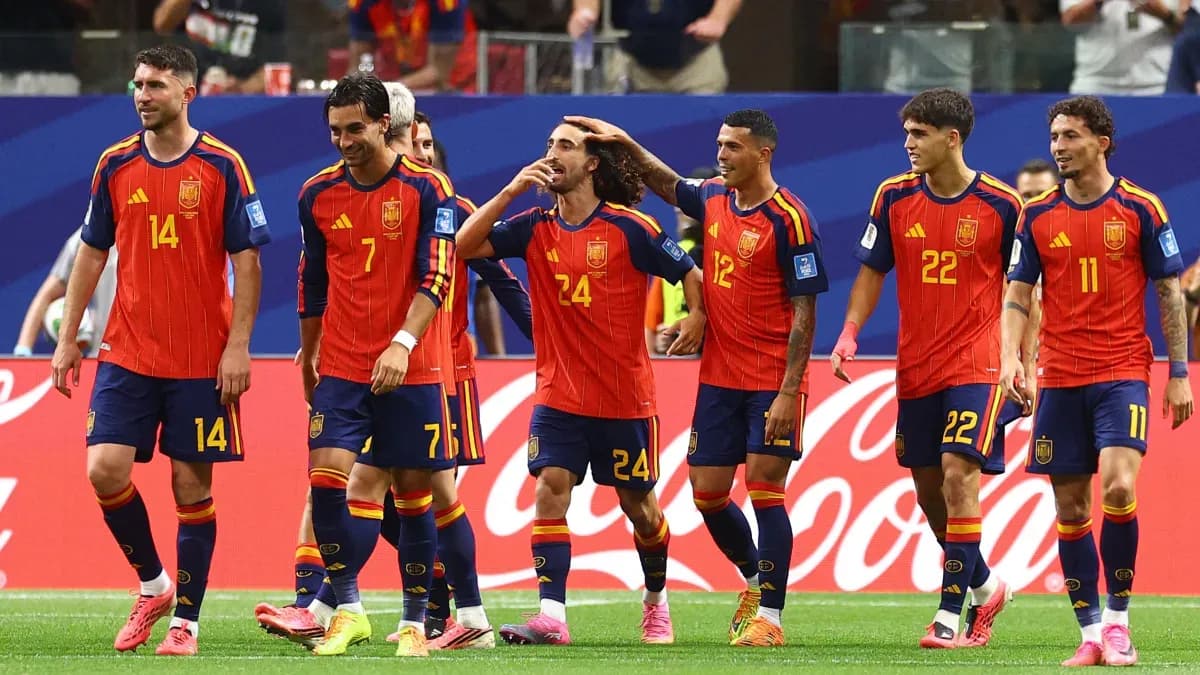
Understanding Spain's National Anthem: La Marcha Real and Its History
Unlike most anthems around the world, Spain's national anthem, known as "La Marcha Real", does not have official words. This means there is no English translation to sing along before Spanish matches. Instead, the anthem is performed entirely as an instrumental piece, with players and fans standing silently during its play.
Origins and Significance
La Marcha Real dates back to the 18th century when it was composed as a military march. It stands as one of the oldest national anthems still in use today. The title translates to "The Royal March," a nod to its roots in royal ceremonies and Spain's monarchy.
Over the years, several attempts were made to add official lyrics. None succeeded because Spain is home to many languages, cultures, and political opinions that made consensus difficult. As a result, the anthem remains purely instrumental at formal events and international sports fixtures.
The Anthem in Football Culture
Spain has been a powerhouse in international football for decades, and La Marcha Real is one of the most recognizable anthems in the sport. From legends like Iker Casillas and Xavi to current stars such as Rodri and Lamine Yamal, generations of Spanish players have stood proudly for this anthem before major matches.
The anthem plays before Spain’s games in tournaments like the FIFA World Cup and UEFA European Championship, serving as a symbol of national pride despite lacking sung words.
Full Instrumental Version
The music continues to resonate deeply with Spaniards and football fans worldwide. It reflects a long history entwined with Spain’s identity and monarchy, even without lyrics to convey a message.
Related News
FIFA World Cup 2026 Commentary Team: Complete List of Presenters and Analysts
World Cup 2026 Best XI: Messi, Rodri, Mbappe Lead the Lineup
Spain’s Tactical Mastery Behind Their Second World Cup Triumph
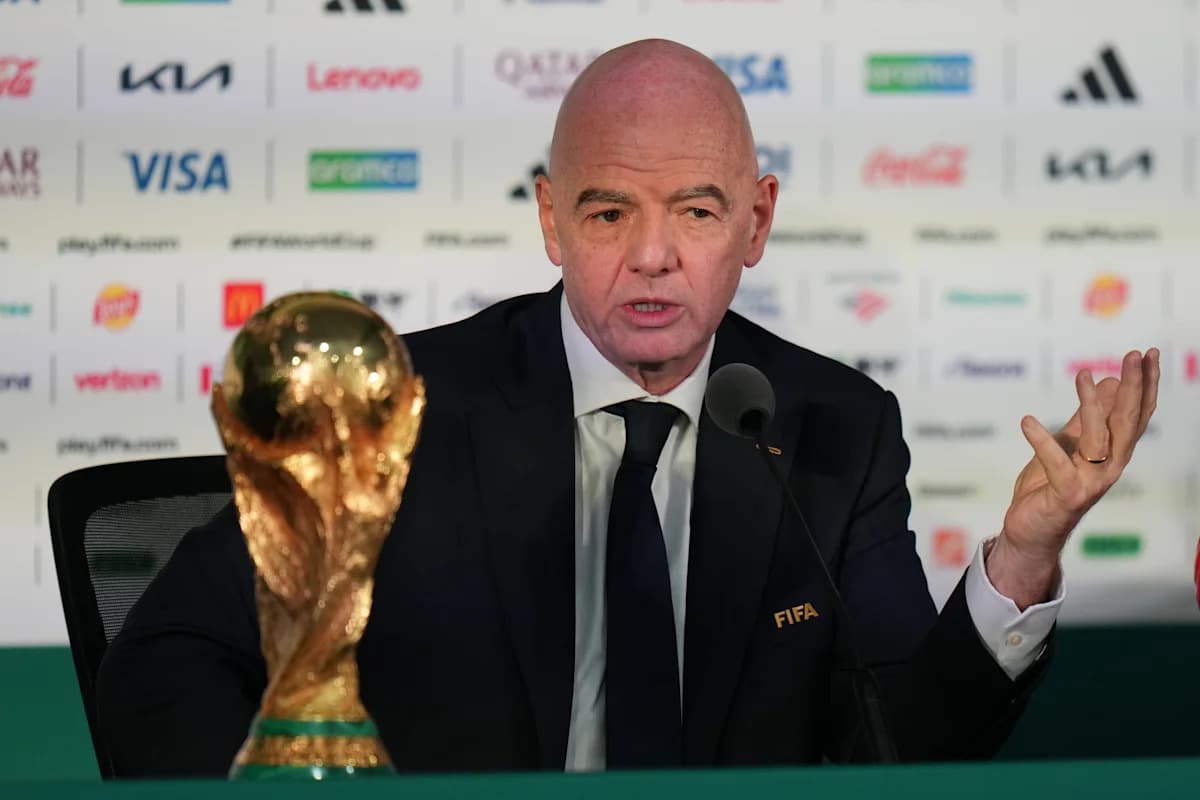
Gianni Infantino Criticizes World Cup 2026 Detractors Amid Event's Success
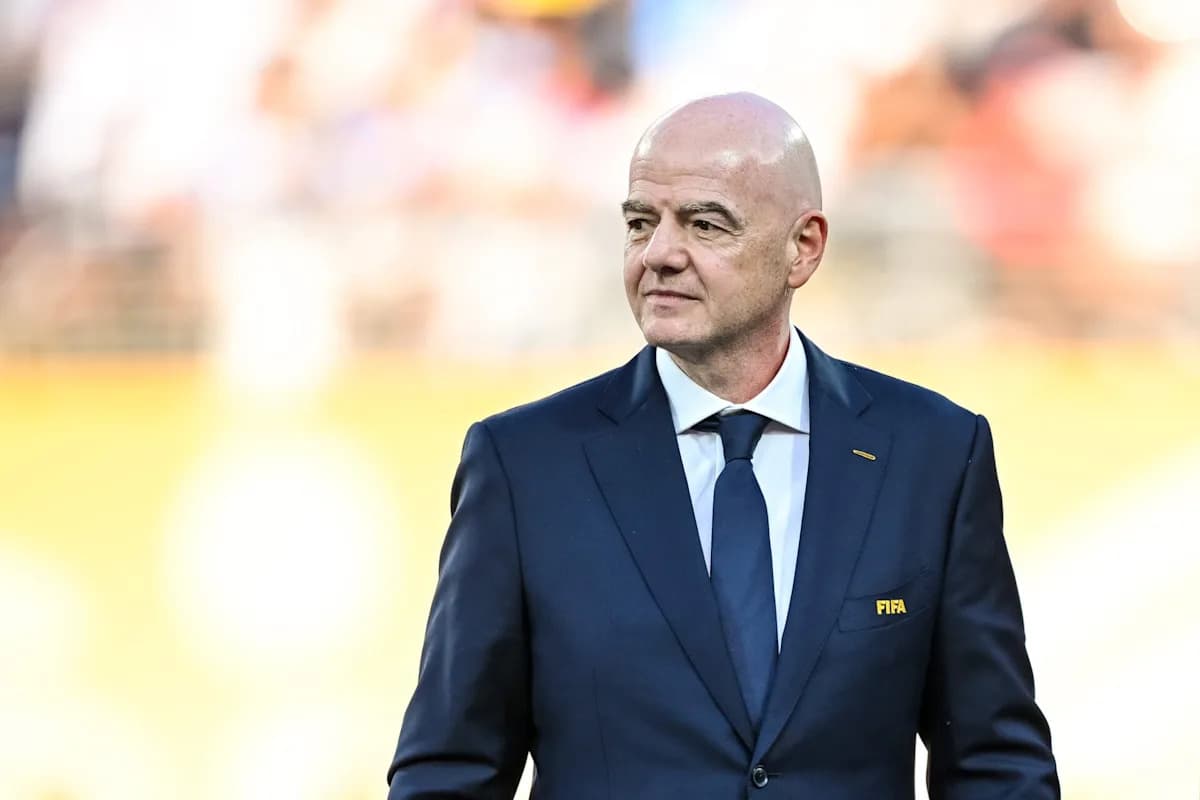
FIFA President Gianni Infantino Responds Strongly to 2026 World Cup Critics
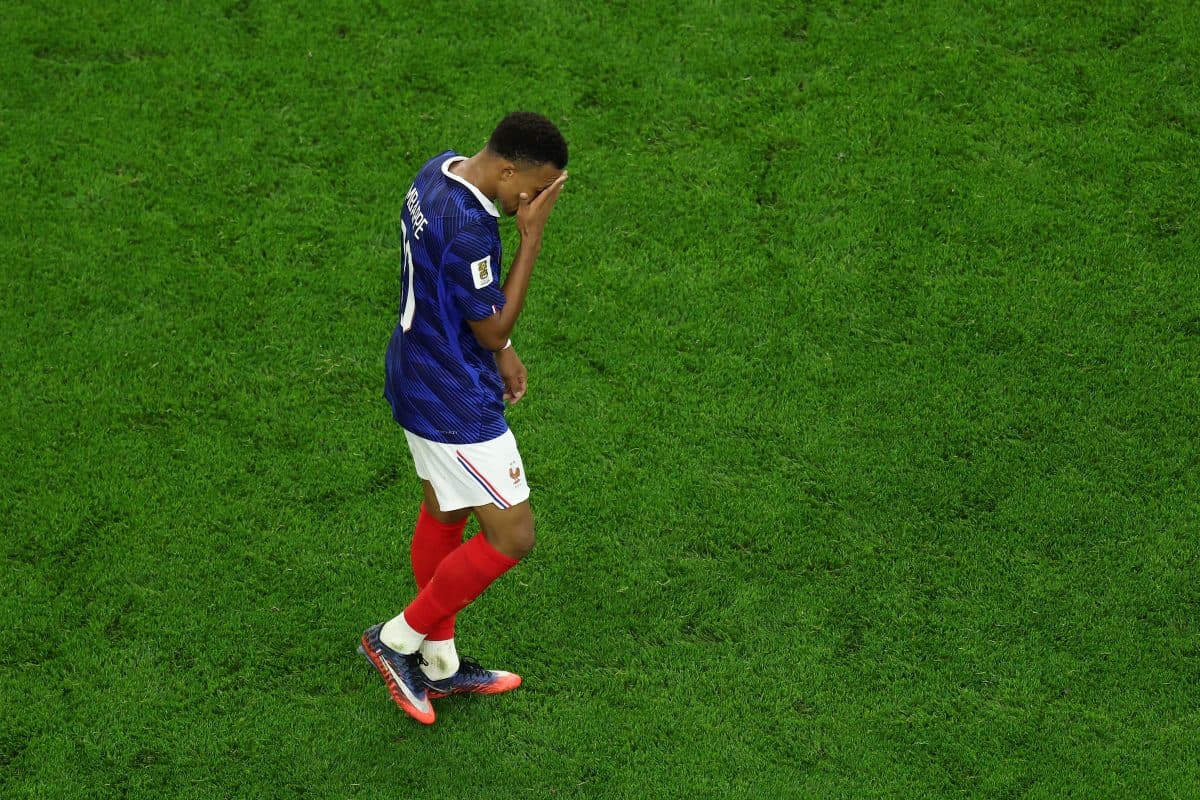
Kylian Mbappé Pens Open Letter to France Fans After 2026 World Cup