
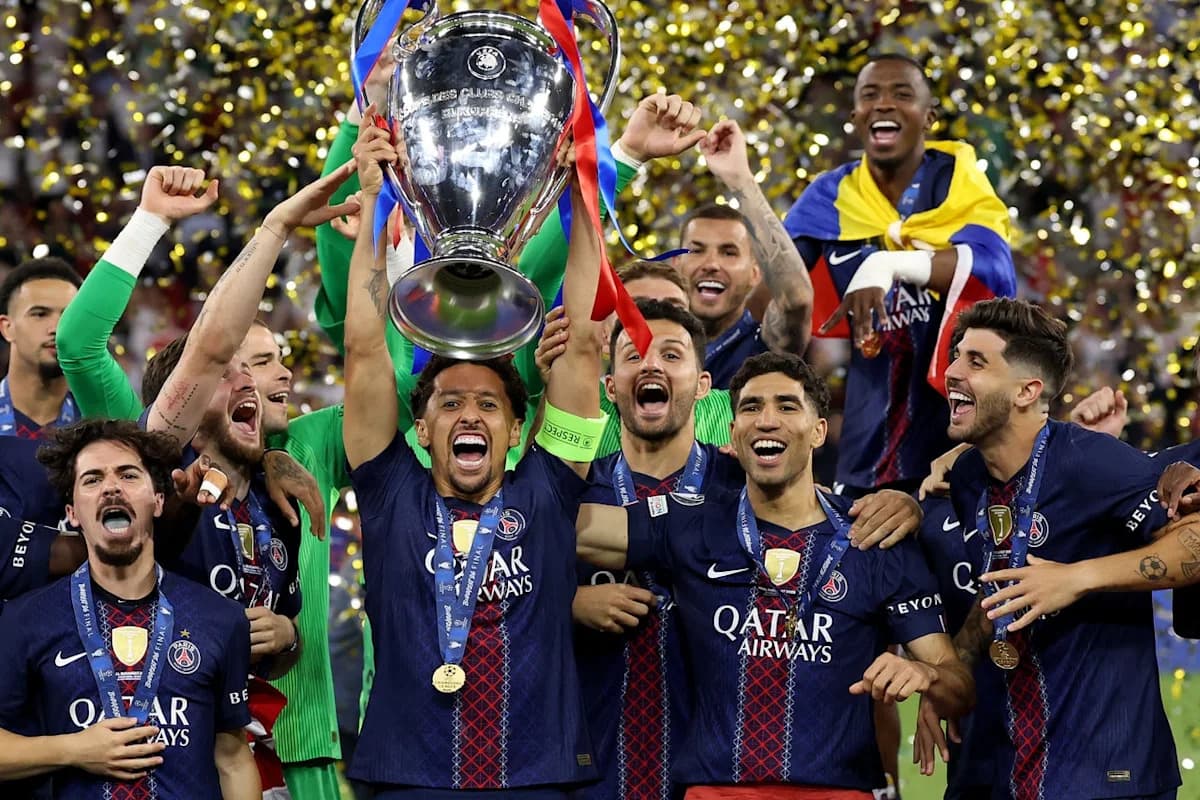
PSG’s Champions League Edge Is Also Its Greatest Challenge
After the 2026 Champions League final, Mikel Arteta was fixated on one question that nearly overshadowed Arsenal's Premier League triumph: how does a team beat Paris Saint-Germain? With PSG chasing an unprecedented third straight Champions League title, this query has taken center stage as the competition restarts its third season following the expansion to 36 teams.
Yet, maybe the real issue isn’t whether PSG are the best side—they probably are—but if the current format gives unintended benefits to powerhouse clubs from leagues like Ligue 1 or the Bundesliga. This touches on broader debates about English financial dominance and its reflection in later stages, though the difference in approach at those stages makes much of that seem less relevant now.
PSG’s Approach to the Group Phase
PSG seem indifferent to the Champions League group stage, often showing their true strength only after February. During their two recent victories, they finished 15th and 11th respectively in the league phase, forcing them into tough play-off rounds. They know how to elevate their game when it counts most—a skill many teams lack.
This reality also highlights why the early rounds no longer hold the excitement seen in the 1990s and early 2000s. The rise in prize money has cemented a tiered club structure, reducing surprises and turning group matches into almost background football. Yet, there remains enjoyment in seeing newcomers like Como, LASK, Viking, and Sabah embark on their journeys.
English Clubs and the Champions League Landscape
For clubs like Manchester United, the return to the Champions League rekindles old magic, while Jose Mourinho aims for his third title with Real Madrid, 16 years after his last. Pep Guardiola's departure from Manchester City—his first absence since 2012—might open new opportunities for teams like Liverpool under Andoni Iraola, adapting to the physical demands of the calendar.
The routine of the Champions League now mirrors a domestic league in some ways, making it feel like constant background content, full of stories but ultimately a prelude to knockout intensity. UEFA’s tennis-style fixed route for the tournament is in its second year, but the real factor remains how seriously elite clubs treat the eight-match league phase.
Many top teams might prefer to conserve their best players for later, avoiding fatigue and ensuring readiness for tougher games. This can be seen in English dominance in the table: no Premier League club has exited at the group stage, and even Tottenham, despite a poor campaign last season, secured fourth place, though not reflecting their true strength compared to Atletico Madrid, who advanced after finishing 14th.
Challenges Faced by English Teams
A key issue for English sides is the Premier League’s competitiveness and the financial balance across clubs. This makes the league more demanding overall, intensifying the strain on teams competing in Europe. Paradoxically, the expanded group stage partly addresses concerns about Premier League power by offering a wider platform, competing with the Premier League in broadcasting and scheduling.
The increased match load encroaches on Premier League schedules and player stamina. It also highlights where England falls short: star power. Clubs like Real Madrid, Barcelona, and PSG boast higher revenues and wages, attracting top talent and extending careers at the highest level.
Barcelona’s Revival and Rodri’s Impact
The signing of Rodri has turned Barcelona into Champions League contenders for the first time in eight years. His move back to LaLiga wasn't just personal—it reflects a strategic choice recognizing the league’s ability to sustain players’ peak performance.
Barcelona have struggled to assert themselves in Europe since 2019. Thanks to young talent like Lamine Yamal and coach Hansi Flick’s efforts, they've regained respectability, though Flick’s aggressive high line has sometimes been a liability. Rodri’s presence helps solve many issues by stabilizing midfield and absorbing pressure, making them a more serious contender.
What Lies Ahead
With PSG still the main team everyone must figure out how to beat, Arteta stresses raising squad quality. Even if PSG stumble early in the season, they remain the only team seasoned in finishing strong. The Champions League field looks deeper this year with one more potential winner in Barcelona. But if not PSG, others face the challenge of cracking the code to overcome the French giants.
Related News
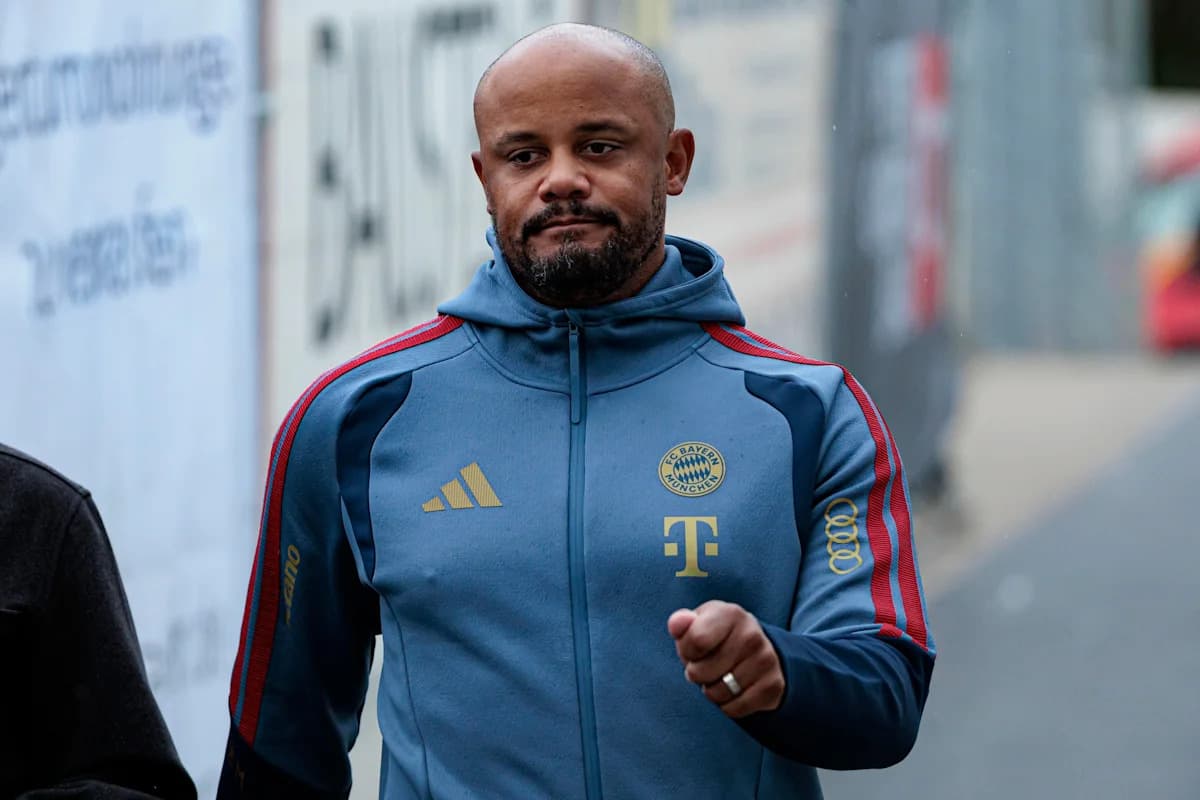
Vincent Kompany's Bayern Munich Future Not Tied Solely to Champions League Outcome
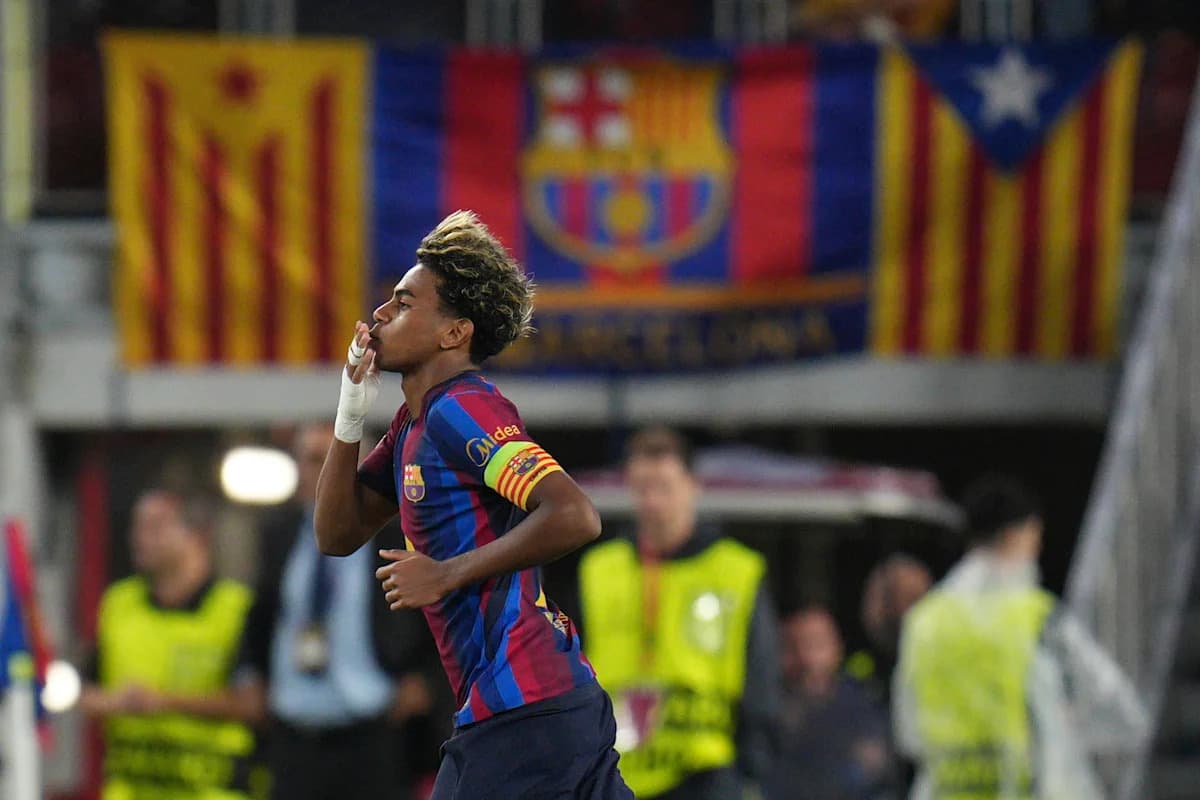
Barcelona's Camp Nou Chosen for 2029 Champions League Final, Munich Set for 2028
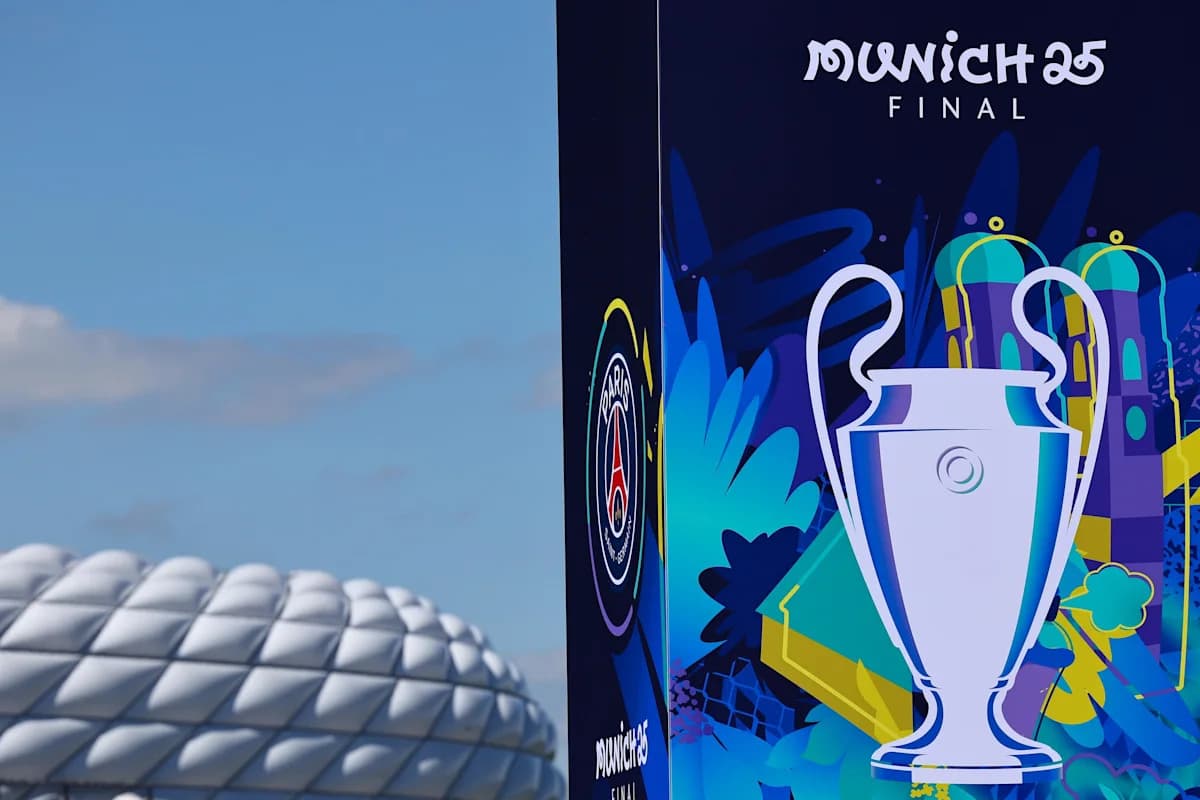
Allianz Arena to Host 2028 UEFA Champions League Final
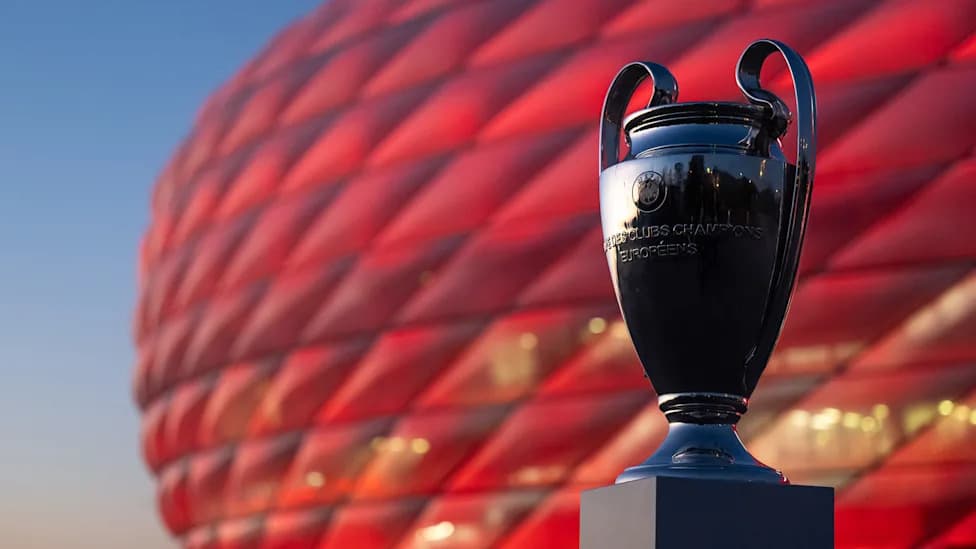
Allianz Arena to Host 2028 Champions League Final for Third Time
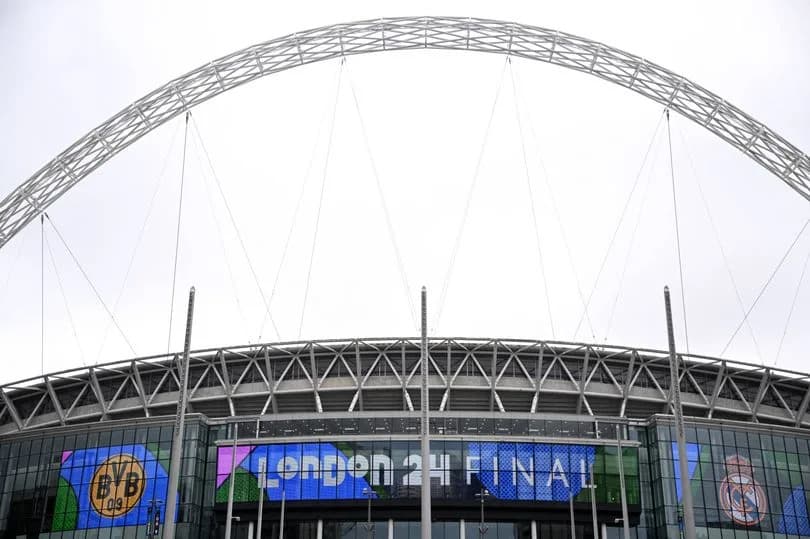
Barcelona's Nou Camp Chosen for 2029 UEFA Champions League Final Over Wembley and Dortmund
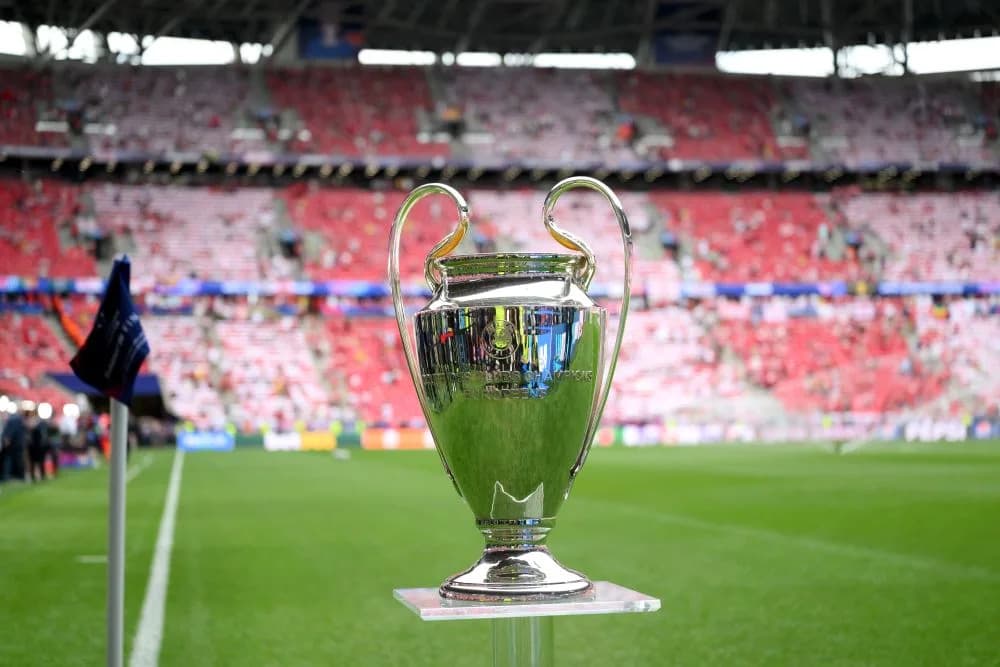
Five English Clubs Secure Wins in Champions League Opening Round