
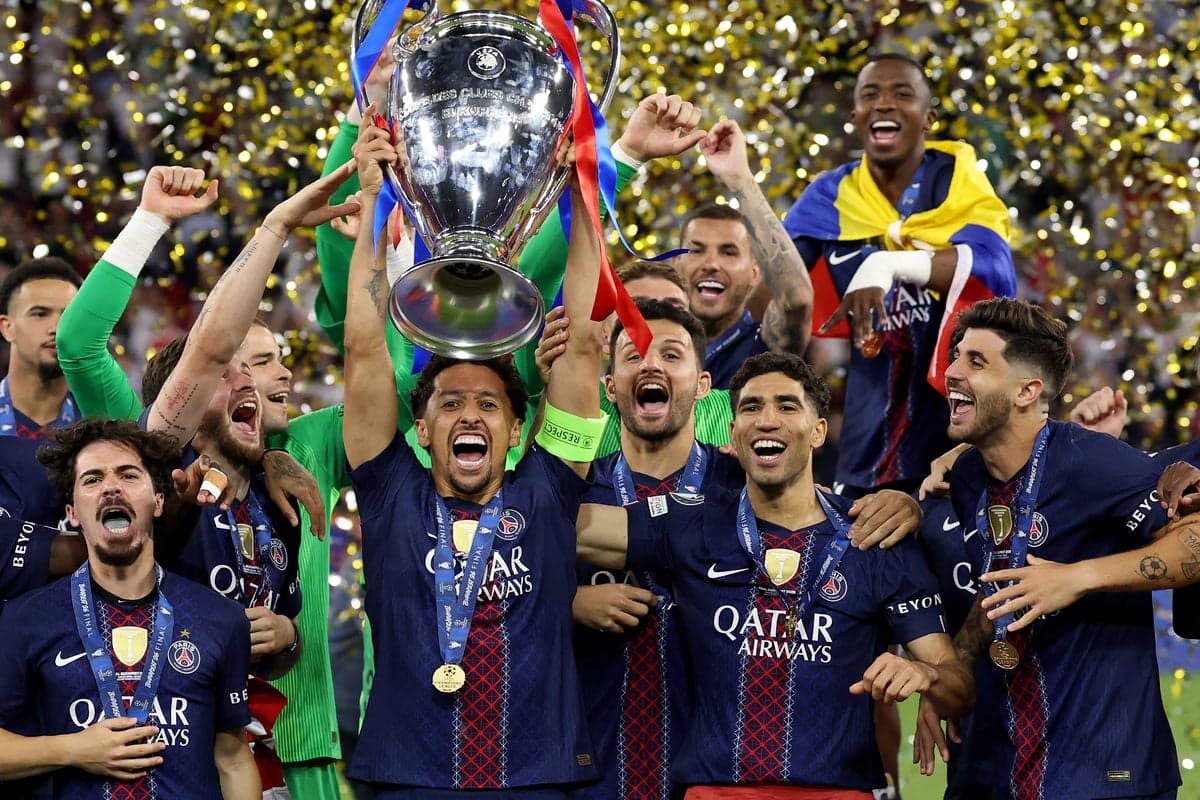
PSG’s Champions League Strength Also Highlights Its Biggest Challenge
After the 2026 Champions League final, Mikel Arteta was consumed by one question: how can Arsenal beat Paris Saint-Germain to become European champions? This season marks the third year since the tournament expanded to 36 teams, with PSG aiming for a historic third straight title. Yet, the bigger question might be whether the current format unfairly favors super clubs from single-team leagues like Ligue 1 or the Bundesliga.
This debate touches on several ongoing themes about the Champions League, including whether English clubs’ financial muscle is truly reflected in the competition's later stages. But because of how different the knockout rounds are, these issues don’t seem all that relevant right now.
PSG’s Approach to the Group Stage
PSG often appears indifferent to the group stage until February. In their two victorious seasons, they ranked 15th and 11th in the initial league phase, which forced them into a play-off round. They clearly know how to raise their game when it matters most.
This isn’t just about criticizing the early rounds or accusing the tournament of turning into a financial “super league” by another name. Prize money has created a tiered club system where surprise teams rarely emerge. Despite this, there is still excitement to be found in the group stage, with drama and fresh stories from debutants like Como, LASK, Viking, and Sabah adding interest.
The Competition’s Changing Face
Fans will enjoy watching Manchester United reconnect with a tournament they hold dear at Old Trafford, while Jose Mourinho aims for his third Champions League title with Real Madrid after 16 years. This season is the first without Pep Guardiola since 2012, and it will be interesting to see if Manchester City benefits from his departure. Liverpool’s Andoni Iraola faces the challenge of balancing physical demands in his debut Champions League season.
Fatigue could affect teams differently. The Champions League's regular schedule almost mimics a domestic league, becoming a constant backdrop, almost like "wallpaper football"—always present but sometimes overlooked despite its layers of complexity.
The New Format and English Clubs’ Challenges
Uefa’s second season of a tennis-style fixed route still depends on how seriously wealthy clubs treat the eight-game league phase. Some teams believe resting their stars during early matches preserves them for tougher knockout battles.
English clubs dominate the top spots, with none eliminated in the group stage so far. Even Tottenham, despite a poor recent season, finished fourth. However, Atletico Madrid, which placed 14th, proved they were stronger when meeting Spurs in the last 16.
Tottenham’s struggle coincided with a relegation fight, highlighting how competitive the Premier League is from top to bottom, unlike other leagues where the gap between richest and poorest clubs is wider. This competitiveness makes the English league more demanding.
The Broader Football Landscape
The expanded group stage unintentionally serves as a counterbalance to Premier League dominance. It also plays into football politics, including the ongoing tension between Fifa and Uefa, where many top European clubs seek to challenge English power.
The Super League was one attempt to push back, but the extended Champions League now competes directly with the Premier League in broadcasting rights and player demands, even affecting scheduling.
This intensity links to another area where the Premier League falls short: star players. Clubs like Real Madrid, Barcelona, and PSG earn more revenue and pay higher wages, often enabling their stars to maintain top form longer.
Barcelona’s Revival and Season Outlook
The signing of Rodri has boosted Barcelona to Champions League contender status for the first time in years. His arrival may shape this season’s outcomes, especially after Arsenal missed out on a similar attacking star. Barcelona had struggled to look like serious contenders since 2019, but Rodri offers a solid solution to their defensive and midfield concerns.
With Rodri strengthening the field, there’s now another potential winner besides PSG. If PSG does not take the trophy, the rest must figure out how to get past them. That’s why Arteta emphasizes raising his team’s level; PSG may have stumbled early, but in this calendar, they remain the only side who consistently know how to finish strong.
Related News
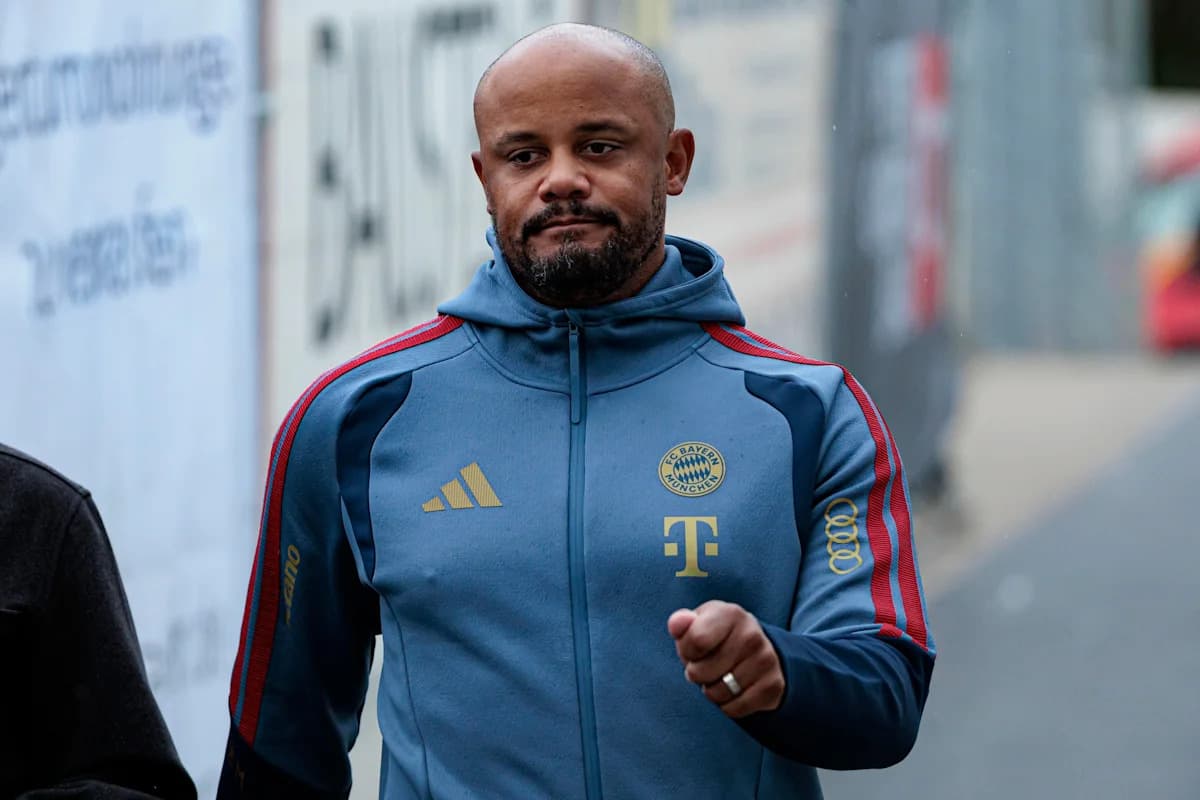
Vincent Kompany's Bayern Munich Future Not Tied Solely to Champions League Outcome
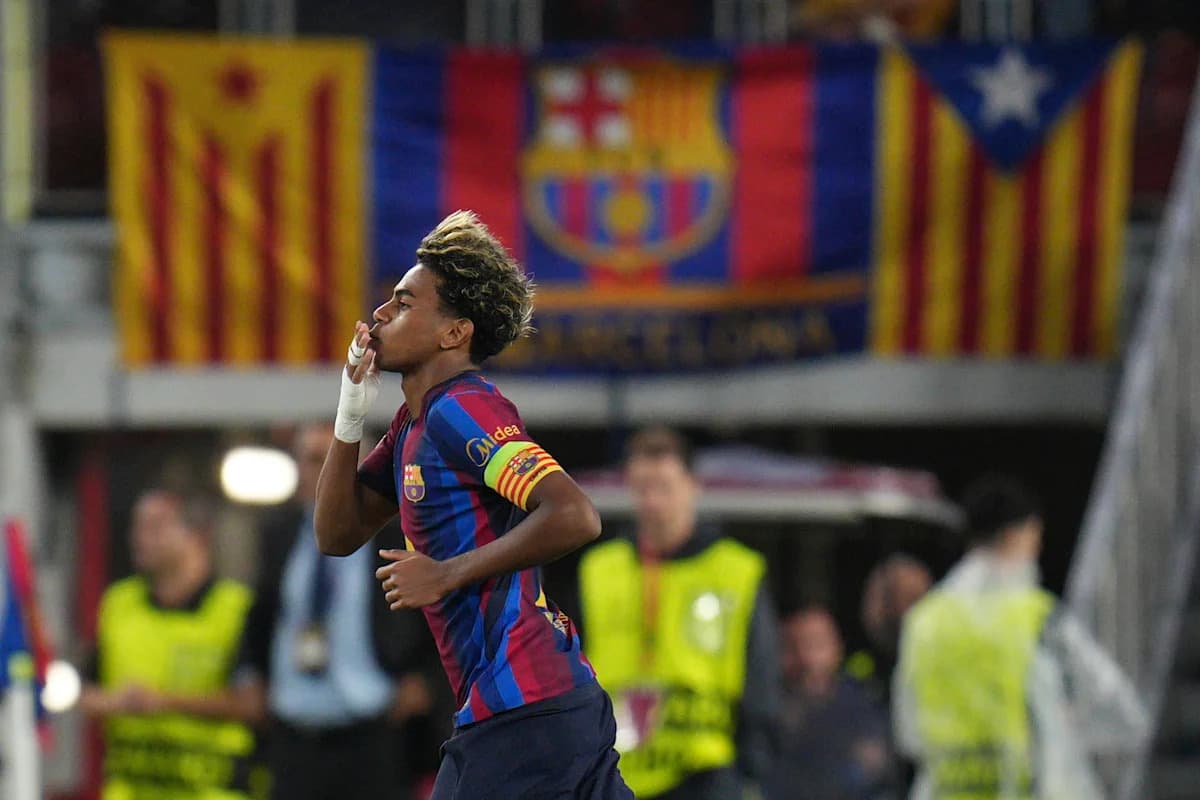
Barcelona's Camp Nou Chosen for 2029 Champions League Final, Munich Set for 2028
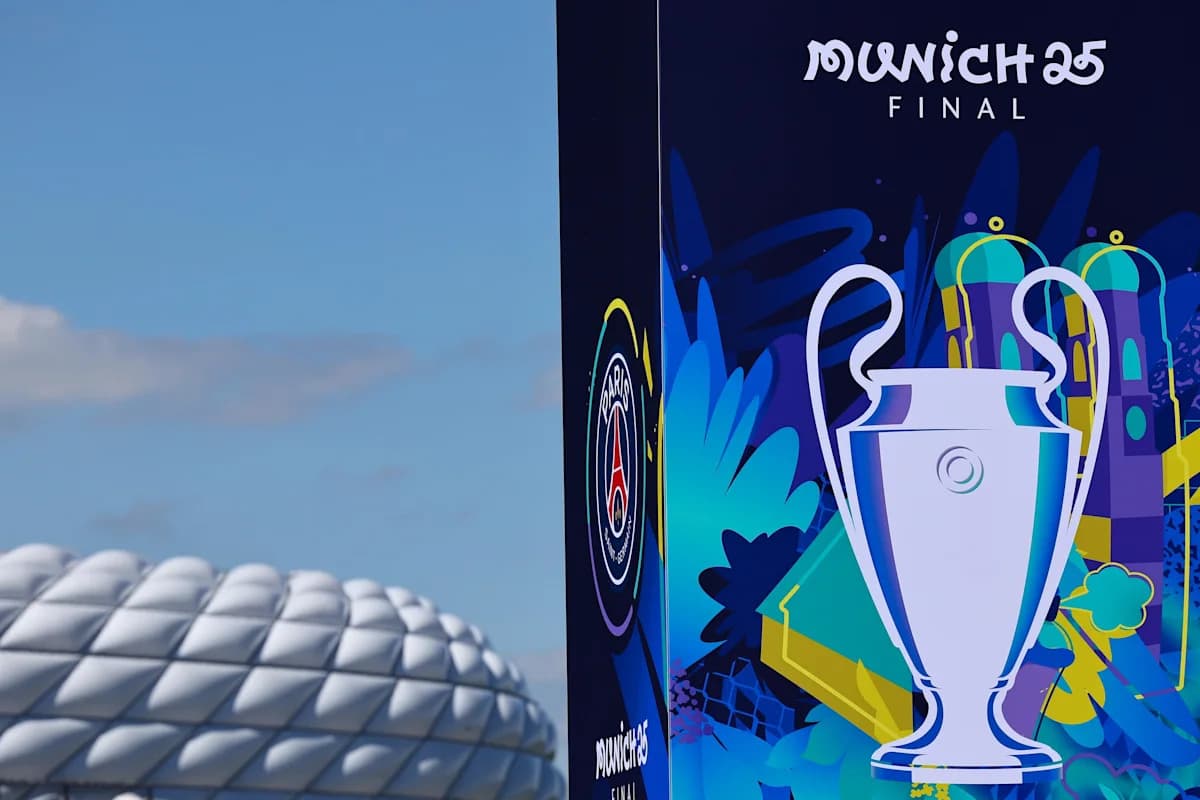
Allianz Arena to Host 2028 UEFA Champions League Final
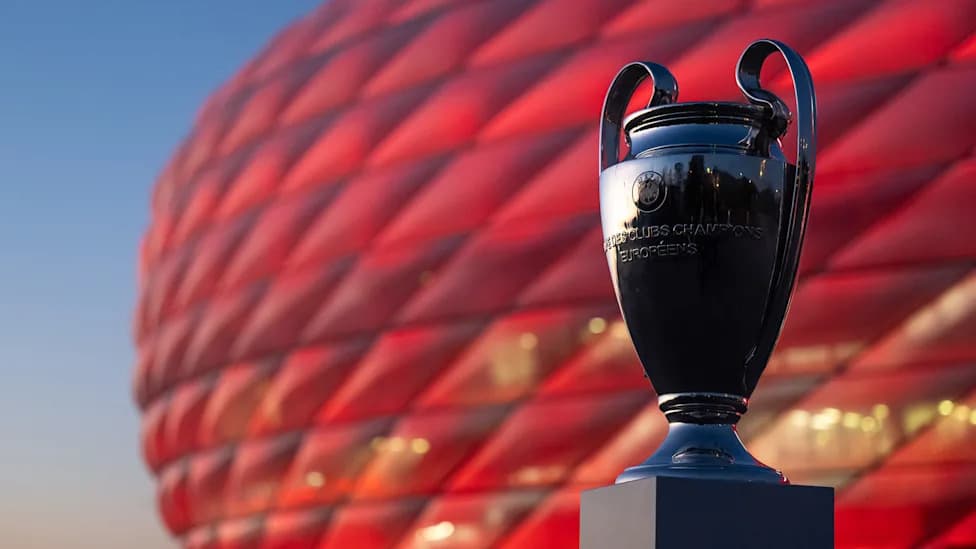
Allianz Arena to Host 2028 Champions League Final for Third Time
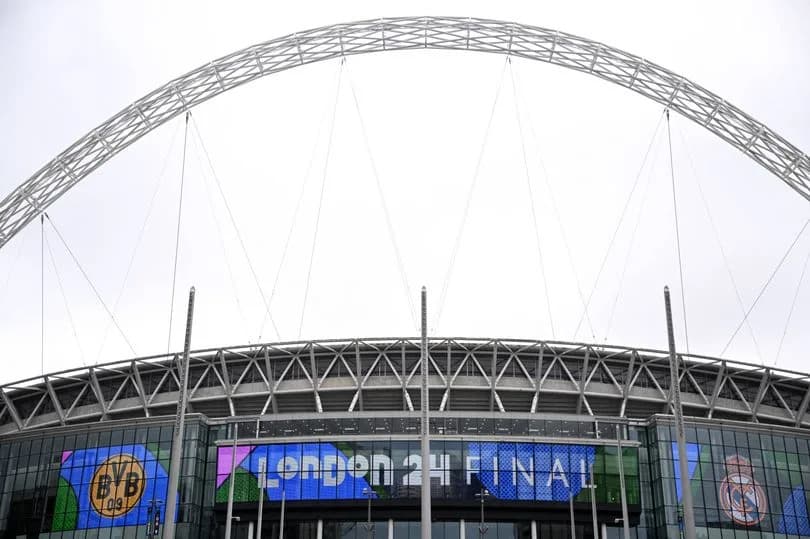
Barcelona's Nou Camp Chosen for 2029 UEFA Champions League Final Over Wembley and Dortmund
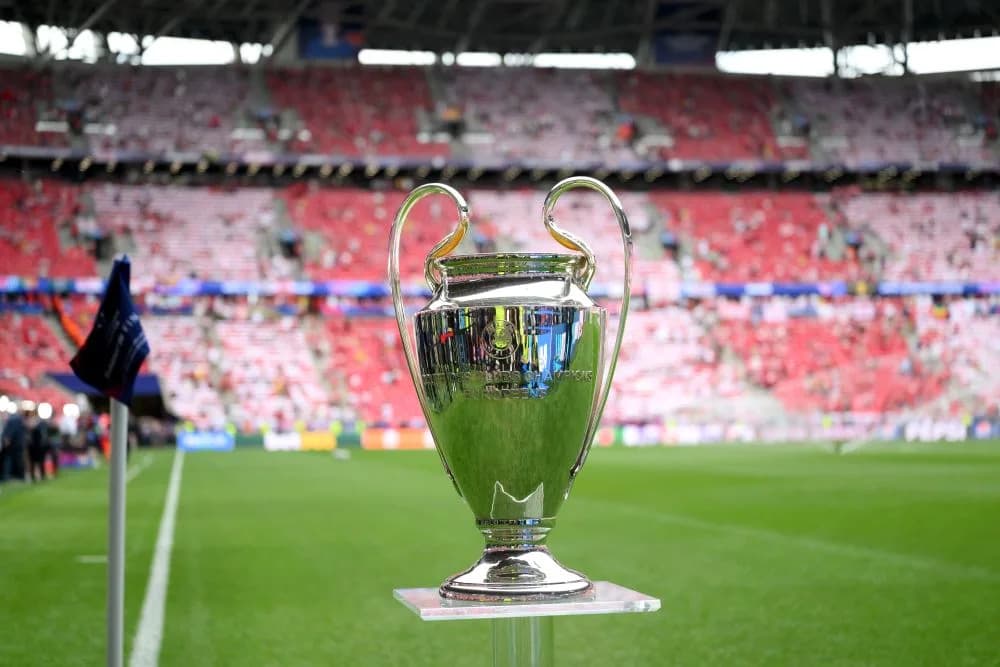
Five English Clubs Secure Wins in Champions League Opening Round