
How Premier League Clubs Are Navigating Around New Anti-Gambling Shirt Sponsorship Rules
The Premier League has banned betting sponsors from the front of matchday shirts starting this season, following a decision made over three years ago by the 20 clubs. Yet, gambling advertising remains widespread in stadiums and on training kits, with major clubs like Manchester United and Tottenham finding ways to continue profiting from gambling sponsorships.
A Mixed Response to the Ban
Although this change is seen as progress by some, it’s worth noting that 18 out of 20 Premier League clubs initially voted against completely banning gambling sponsors on their primary kits. The agreement was announced in April 2023 after consultations involving the league, clubs, and the UK government’s Department for Culture, Media and Sport (DCMS).
- Ban Announcement: Premier League clubs agreed to remove gambling sponsors from front-of-shirt positions.
- Implementation: Took effect at the start of the 2026-27 season.
- Prior Prevalence: In the previous two seasons, 11 of 20 clubs had gambling companies as their main shirt sponsors.
- Deal Value: Estimated combined value of gambling sponsorship deals was around £104 million for 2024-25.
History of Gambling Sponsorship in English Football
The rise of gambling sponsors in English football traces back to the 2005 Gambling Act, which relaxed regulations and led to a surge in betting companies sponsoring teams. Tottenham was among the first to sign a notable deal in 2006 with online casino Mansion. Other clubs, including Middlesbrough with 888, quickly followed, leading to many Premier League and Championship clubs featuring betting brands on their kits by 2019.
- 2005: Gambling Act liberalized sponsorship opportunities.
- 2006: Tottenham signed with Mansion; Middlesbrough with 888.
- 2019: 28 out of 44 top-flight and second-tier clubs had betting sponsors on shirts.
Advertising Persists Despite Shirt Ban
Even with the ban on front-of-shirt logos, gambling advertisements remain highly visible. Stadium hoardings, pre-match attire, training kits, and media broadcasts still display betting brands prominently. Research showed that before the ban, a single televised Premier League match could feature up to 3,500 gambling logos.
- Advertising Locations: Stadium boards, big screens, pre-match wear, training kits.
- Media Presence: Betting companies sponsor TV coverage on Sky Sports and TNT.
- Financial Impact: Clubs benefit significantly from these sponsorship deals.
Exploiting the Loophole: Sleeve and Training Kit Deals
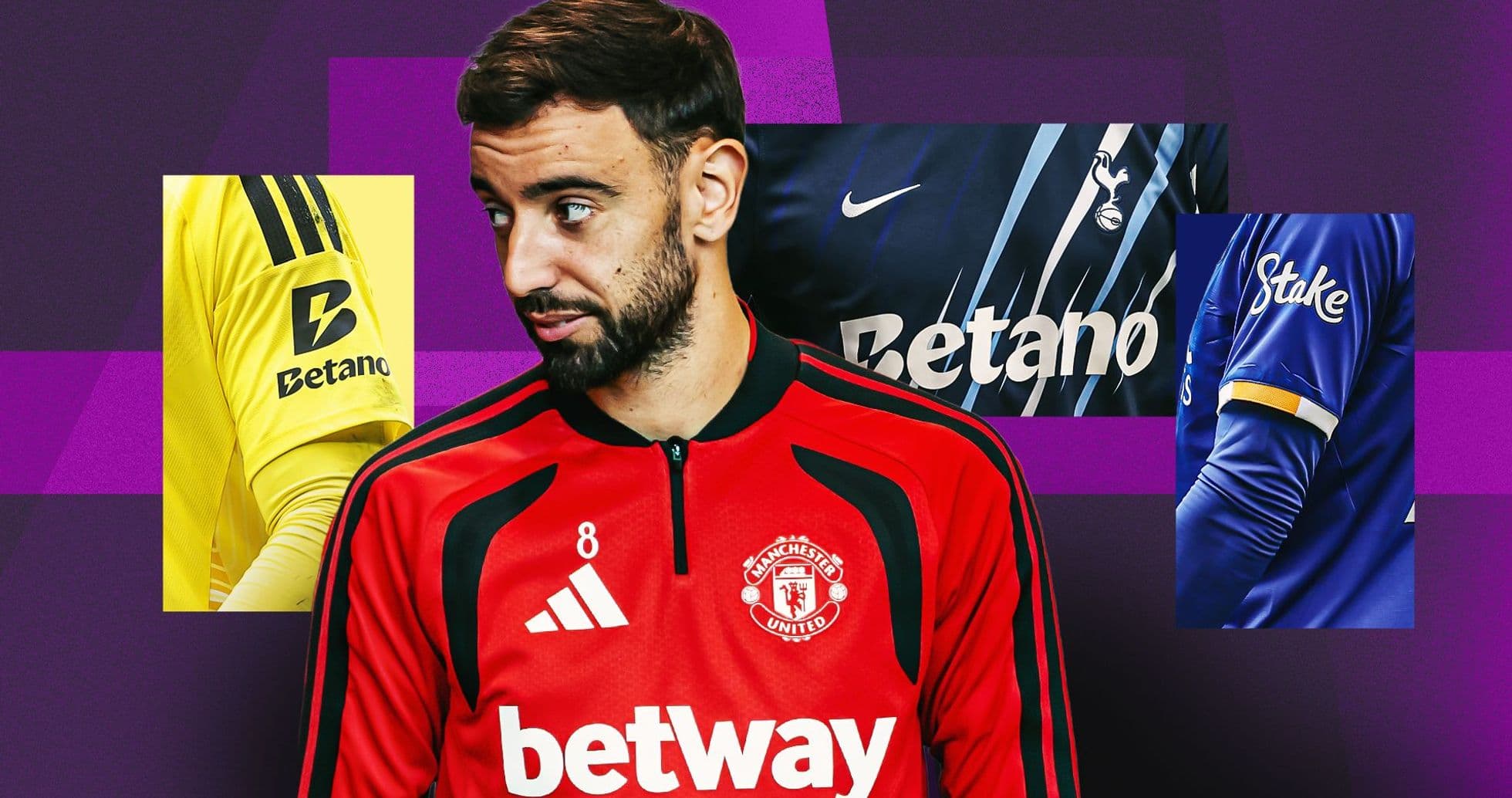
Some clubs have taken advantage of a loophole allowing gambling sponsorship on sleeves and training gear. Notably, Manchester United signed a record £20 million per year deal with Betway for their training kits, surpassing many front-of-shirt agreements. Similarly, Tottenham partnered with Betano for training and pre-match kits, while clubs like Everton and Aston Villa moved gambling sponsors to their shirt sleeves.
- Man Utd's Deal: £20m/year with Betway on training kits.
- Tottenham: Betano appears on training and pre-match wear.
- Everton & Aston Villa: Gambling sponsors shifted to sleeves.
- Total: Six Premier League clubs have gambling companies on sleeves this season.
This ongoing exposure means fans, including young viewers, encounter gambling promotions frequently, even outside official matchwear.
Government Targets Unlicensed Gambling Sponsorship
The DCMS is focusing on cracking down on unlicensed gambling operators sponsoring Premier League clubs. Many deals involve companies not licensed in the UK, such as Stake.com (Everton), SBOTOP (Fulham), and 8XBet, which primarily target Asian markets. A proposed ban on unlicensed operator sponsorships is expected to come into force next year, pending government approval.
- Unlicensed Operators: Half of Premier League clubs linked to these sponsors.
- Market Size: Unregulated market earned nearly £380 million from UK users in H1 2025.
- Concerns: Lack of consumer protections, links to addiction and financial harm.
- League Lobbying: Premier League opposes the ban, citing service availability issues.
A DCMS spokesperson emphasized concern about unlicensed sponsors raising profiles of risky sites and said the goal is to ban such operators from British sport sponsorships.
The Big Step Campaign and Personal Stories
The Big Step campaign, active for seven years, raises awareness about gambling harms in football. Led by people affected personally by gambling addiction and loss, the group highlights alarming statistics, including between 117 and 496 gambling-related suicides annually in England, and a high rate of problem gambling among young adults.
- Gambling Harms: Over 10% of UK 18-24-year-olds suffer from problem gambling.
- Population Impact: Nearly 11% harmed directly or indirectly by gambling.
- Marketing Effect: One in three gamblers triggered to gamble by advertising.
James Grimes, a recovering addict and director of the national gambling harm prevention program Chapter One, founded The Big Step in 2019. He recalls losing £100,000 over 12 years and struggling with recovery due to persistent gambling ads tied to football.
"The relationship between gambling and football was absolutely my route in because that relationship went from being something largely hidden to being on the front of lots of football shirts and TV adverts," Grimes said. "I was struggling to watch football during recovery because of the volume of gambling advertising."
Criticism of Loopholes and Call for Government Action
Grimes criticizes clubs exploiting the loophole, saying it shows how football and gambling industries prioritize profit over public health. He warns more loopholes will appear unless the government listens to fans and those with lived experience.
"It’s not rocket science what’s happening here—more advertising leads to more gambling harm, especially among young people," Grimes added. "Football has a responsibility to offer young people a better chance by removing encouragement to gamble when they engage with the sport."
Contradictions Within Clubs
Ironically, some players who have struggled with gambling addiction now wear training kits sponsored by gambling companies. For example, former Tottenham player Sandro Tonali, suspended for betting offenses due to addiction, wears Betano-sponsored gear after Spurs' deal with the company.
"There aren’t many workplaces where someone must wear clothes advertising a product that destroyed their life," The Big Step noted on social media.
Grimes remarked on this contradiction: "Clubs have players who struggled with gambling addictions but still act as billboards for the very thing that hurt them."
Looking Ahead
While removing front-of-shirt gambling sponsors is a step forward, advocates say much more is needed. The Premier League declined to comment on the exploitation of the loophole but believes the ban reduces brand visibility and is part of a broader responsible gambling approach.
Gambling Issues Among Players
Gambling addiction has also affected players. Ivan Toney was banned eight months by the FA for 232 betting breaches, with his ban reduced after an addiction diagnosis. Tonali received a 10-month suspension from the Italian federation and has admitted to developing a gambling problem.
These cases underline the complexity of gambling’s impact within football beyond just fans.
Related News
Bournemouth vs Liverpool Predicted Lineups: Team News and Insights
Brentford vs Chelsea Preview: Premier League Betting Picks, Odds, and Promotions
How Premier League Clubs Are Navigating Around New Anti-Gambling Shirt Sponsorship Rules
Fulham vs Manchester United: Premier League Clash Preview
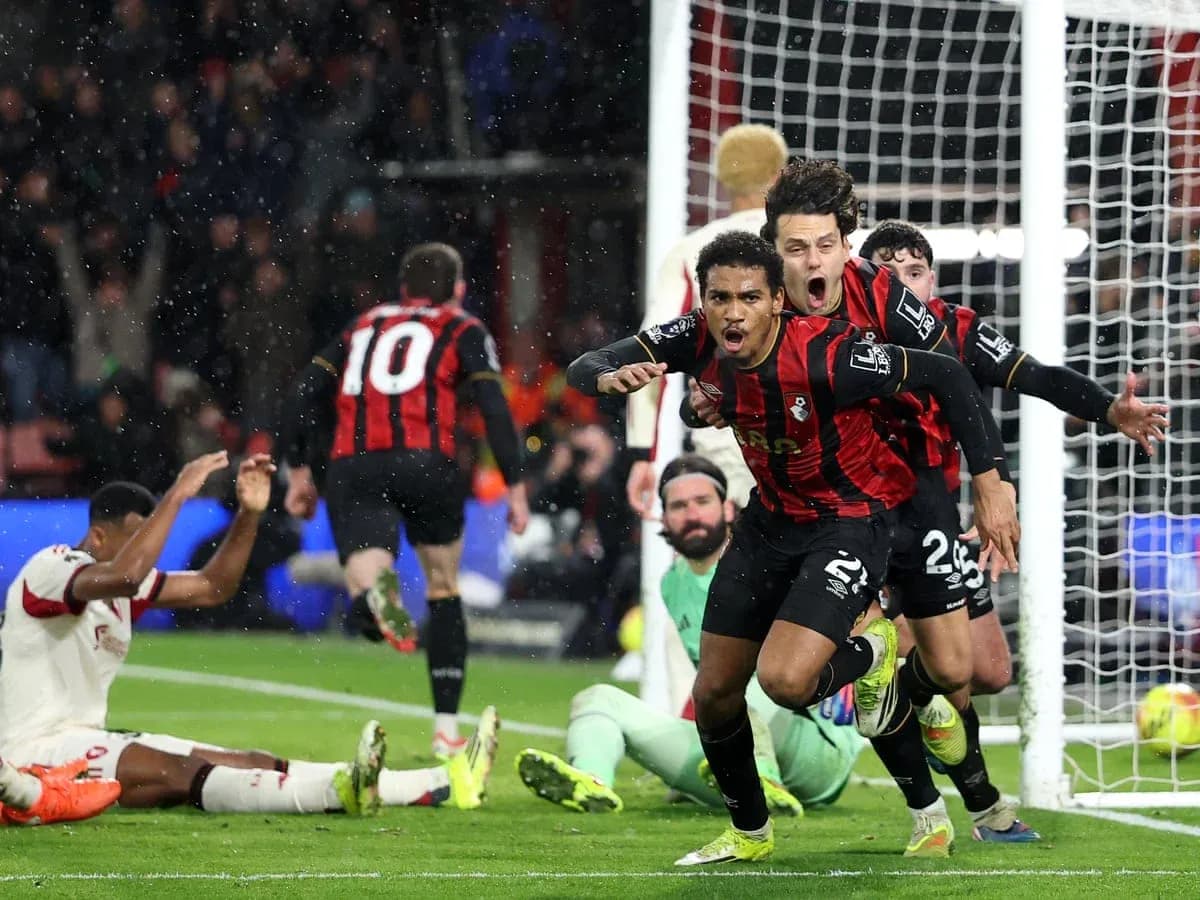
Bournemouth vs Liverpool Preview: Premier League Clash on 20 September 2026
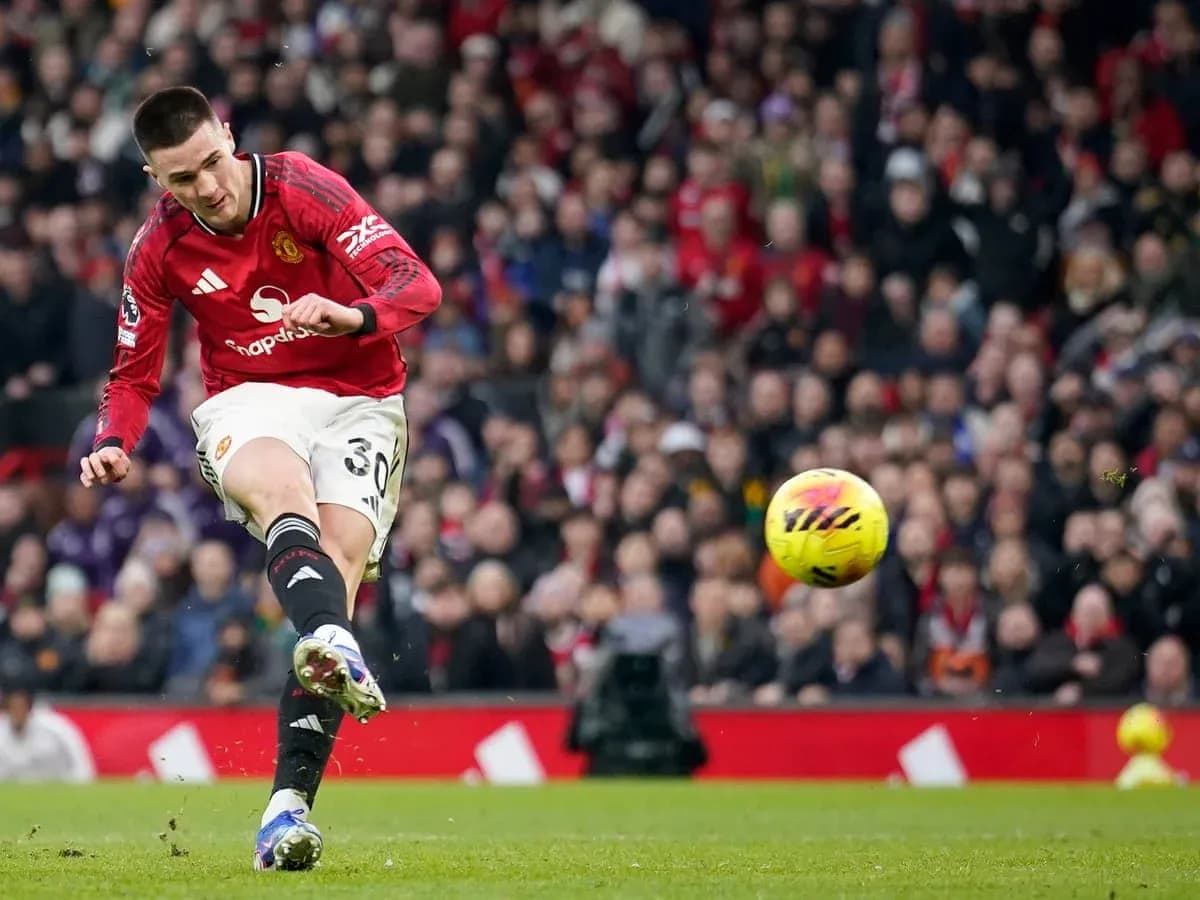
Fulham vs Manchester United Prediction: Key Stats, Team News, Betting Tips