
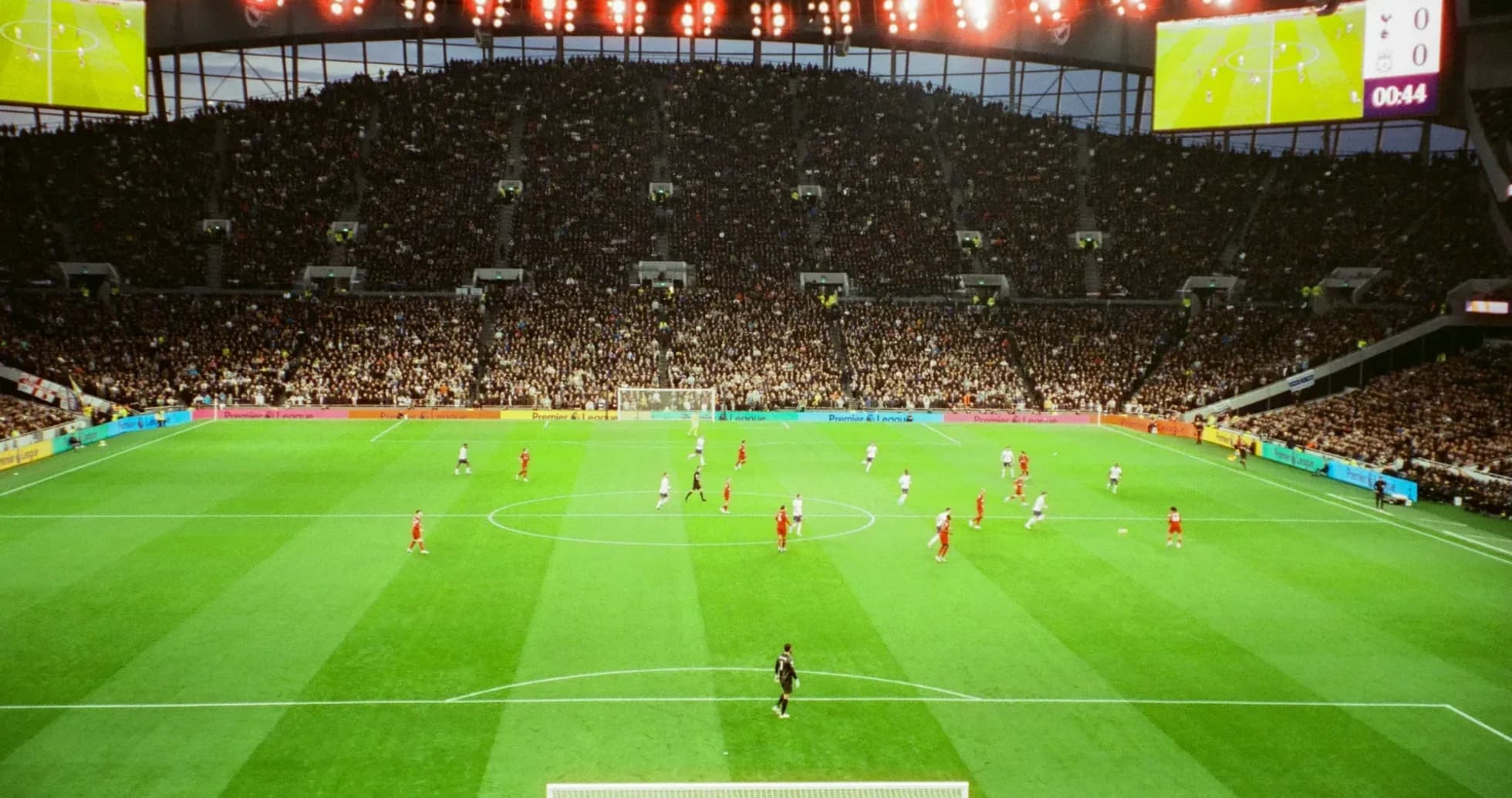
One Knoxville Edges Chattanooga Red Wolves in Penalty Shootout
Under the lights of Regal Stadium, One Knoxville and Chattanooga Red Wolves dragged each other through the full 120 minutes and into the nerve‑strip of a penalty shootout, where the home side finally edged it 5‑4 after a 1‑1 draw. In a competition built on small margins and tight group dynamics, this was less a spectacle than a stress test of each squad’s identity and resilience.
I. The Big Picture – Group stakes and stylistic DNA
This USL League One Cup night was framed by contrasting trajectories in Group 3. Heading into this game, One Knoxville were shaping a competitive profile: in total this campaign they had played 3 fixtures, winning 2 and losing 1, with 4 goals scored and 3 conceded. That gives them a total average of 1.3 goals for and 1.0 against, a slim but meaningful attacking edge. At home, they had been more conservative: 2 goals for and 2 against across 2 matches, averaging 1.0 scored and 1.0 conceded.
Chattanooga arrived as a side searching for any kind of foothold. In total this campaign they had played 3 fixtures and lost all 3, with just 2 goals scored and 5 conceded. Their total attacking output of 0.7 goals per game has been undermined by a total defensive average of 1.7 conceded, a gap that underlines why they sat 6th in the group table. On their travels, they had at least shown a measure of balance, drawing their only away fixture with 1 goal scored and 1 conceded, but the broader trend was of a team constantly under siege.
The standings snapshot underlines the stakes: One Knoxville, ranked 3rd in Group 3 with 4 points and a goal difference of 1 (10 goals for, 9 against in the standings feed), were within touching distance of the qualification picture. Chattanooga, 6th with 2 points and a goal difference of -3 (8 goals for, 11 against), were trying to stay alive in a group that had already exposed their defensive frailties.
II. Tactical Voids and Discipline – Where the cracks appear
There were no listed injuries or absentees, so both Ian Fuller and Scott MacKenzie had the luxury—and the burden—of choice. That makes the tactical imprint of their selections more revealing.
For One Knoxville, the season‑long data hints at a side that struggles to fully control games but rarely collapses. They have yet to keep a clean sheet in total this campaign, and they have already failed to score once, a reminder that their attacking rhythm can stall. Their disciplinary pattern is unusual: all recorded yellow cards are concentrated late, with 50.00% shown in the 61‑75 minute window and another 50.00% in 91‑105. That suggests a squad that grows increasingly stretched as matches lengthen, either chasing results or defending slender leads with rising desperation.
Chattanooga’s disciplinary profile is more evenly spread but equally problematic. In total this campaign, 12.50% of their yellow cards arrive in the opening 0‑15 minutes, 25.00% between 31‑45, 37.50% in the 46‑60 band, and another 25.00% from 76‑90. This is a team that tackles aggressively across the full 90, with a particular spike just after half‑time when they appear to push the intensity line. In a knockout‑style scenario decided by penalties, that constant edge risked leaving them short‑handed, even if no reds have appeared yet.
III. Key Matchups – Hunter vs Shield, Engine Room vs Enforcer
Without explicit top‑scorer and assist data, the tactical story is told through structure and roles rather than pure numbers.
For One Knoxville, the spine built around N. Lemen, S. McLeod and Bull suggests a back line tasked with being solid rather than spectacular, supported by the dual‑purpose presence of D. Williams and J. J. Murphy. Ahead of them, the attacking trident of M. Goling, K. Linhares and B. Diene is designed to stretch defenses horizontally and vertically. Linhares and Diene, both wearing low attacking numbers (11 and 7), project as the primary “hunters,” constantly probing the channels and half‑spaces.
Their opposite number is a Chattanooga defensive unit anchored by R. Jerez and the outfield shield of E. Kinzner and Y. Lelin. Given Chattanooga’s total record of 5 goals conceded in 3 matches, the “Shield” has been porous. On their travels, they concede 2.0 goals per game on average, which is a dangerous platform when facing a One Knoxville side that averages 2.0 goals for per away match and 1.3 in total. Even if this game took place at Regal Stadium, the underlying pattern is clear: Knoxville’s attackers are more efficient than Chattanooga’s defenders are secure.
In midfield, the “Engine Room” duel is defined by contrasting profiles. For Knoxville, H. Cordova and E. Conway are tasked with linking phases, giving J. J. Murphy the license to shuttle and break lines. For Chattanooga, the creative burden sits with O. Hernandez and M. Acosta, both asked to feed the movement of P. Hernandez and M. Bentley. Yet with Chattanooga averaging only 0.5 goals at home and 1.0 on their travels, the supply line has too often been choked by turnovers and pressure rather than liberated by control.
IV. Statistical Prognosis and xG‑style Outlook
Even without explicit xG numbers, the volume and balance of goals for and against allow a reasoned projection of chance quality. One Knoxville’s total ratio of 4 scored to 3 conceded across 3 matches points to a side that tends to edge the shot quality battle, if only narrowly. Their goal difference in the standings feed—10 for and 9 against—confirms a team that lives on the edge but usually finds a way to stay on the right side of it.
Chattanooga, by contrast, show all the hallmarks of a side constantly swimming upstream. A total of 2 goals scored and 5 conceded in the statistical feed, and 8 for versus 11 against in the standings, describes a team whose defensive structure leaks more than their attack can compensate. The negative goal difference of -3 in the group table is the numerical echo of that imbalance.
In a 120‑minute contest that finished 1‑1 before One Knoxville triumphed 5‑4 on penalties, the narrative and the numbers finally aligned. Following this result, Knoxville’s profile as a marginally superior attacking unit with just enough defensive resilience was validated under maximum pressure. Chattanooga, despite battling to parity over open play, again found that when the margins narrowed to their thinnest, their season‑long deficit in both efficiency and composure remained just too large to bridge.
Related News

Indy Eleven Edges Lexington in USL League One Cup Showdown
Louisville City Edges Detroit City in Penalty Shootout
Lexington vs Indy Eleven: Key USL League One Cup Clash
Lexington vs Indy Eleven: USL League One Cup Group Stage Preview
Detroit City vs Louisville City Match Preview

Lexington vs Indy Eleven Predicted Lineups: Team News and Match Insights