
Louisville City Edges Detroit City in Penalty Shootout
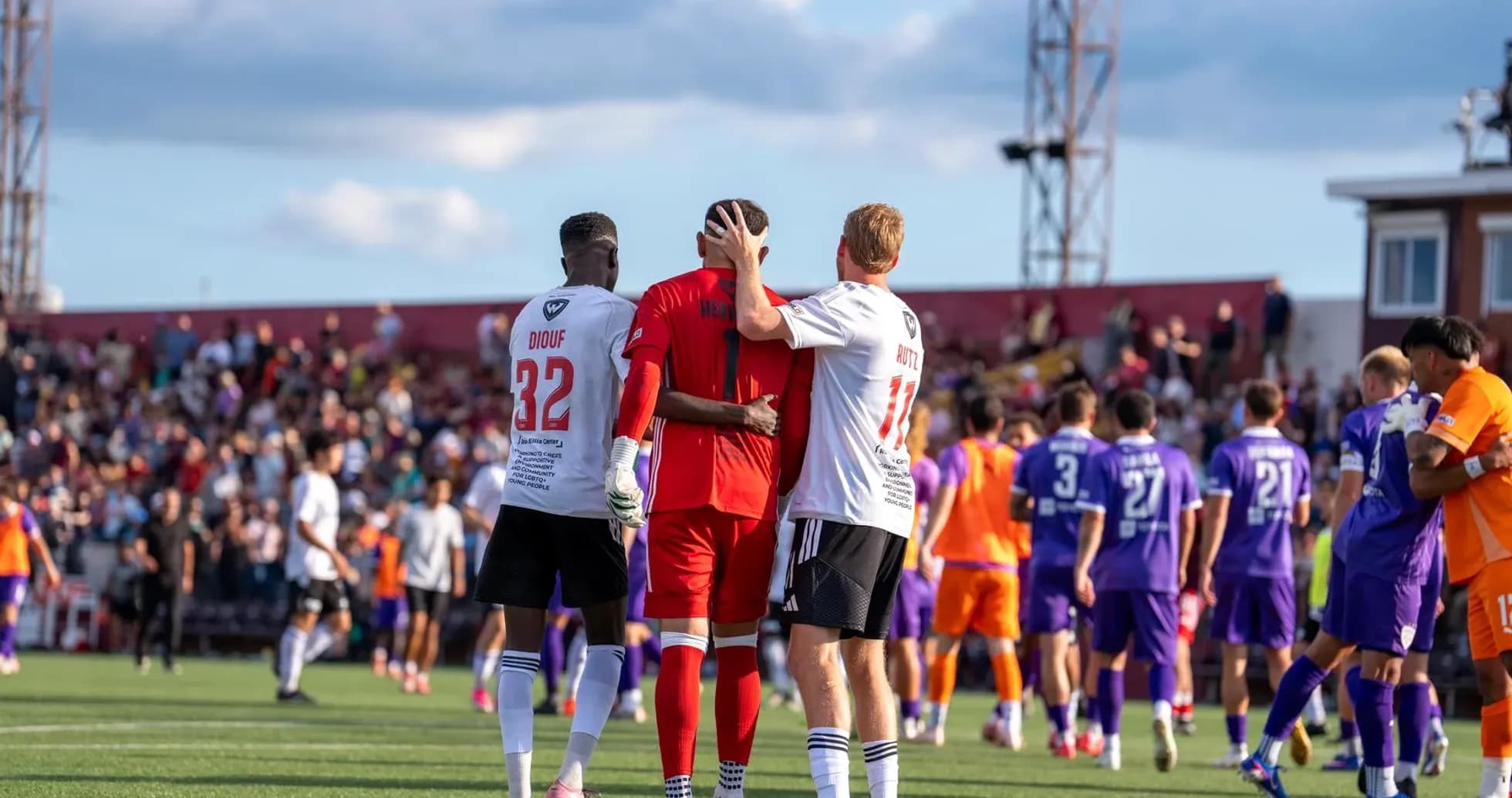
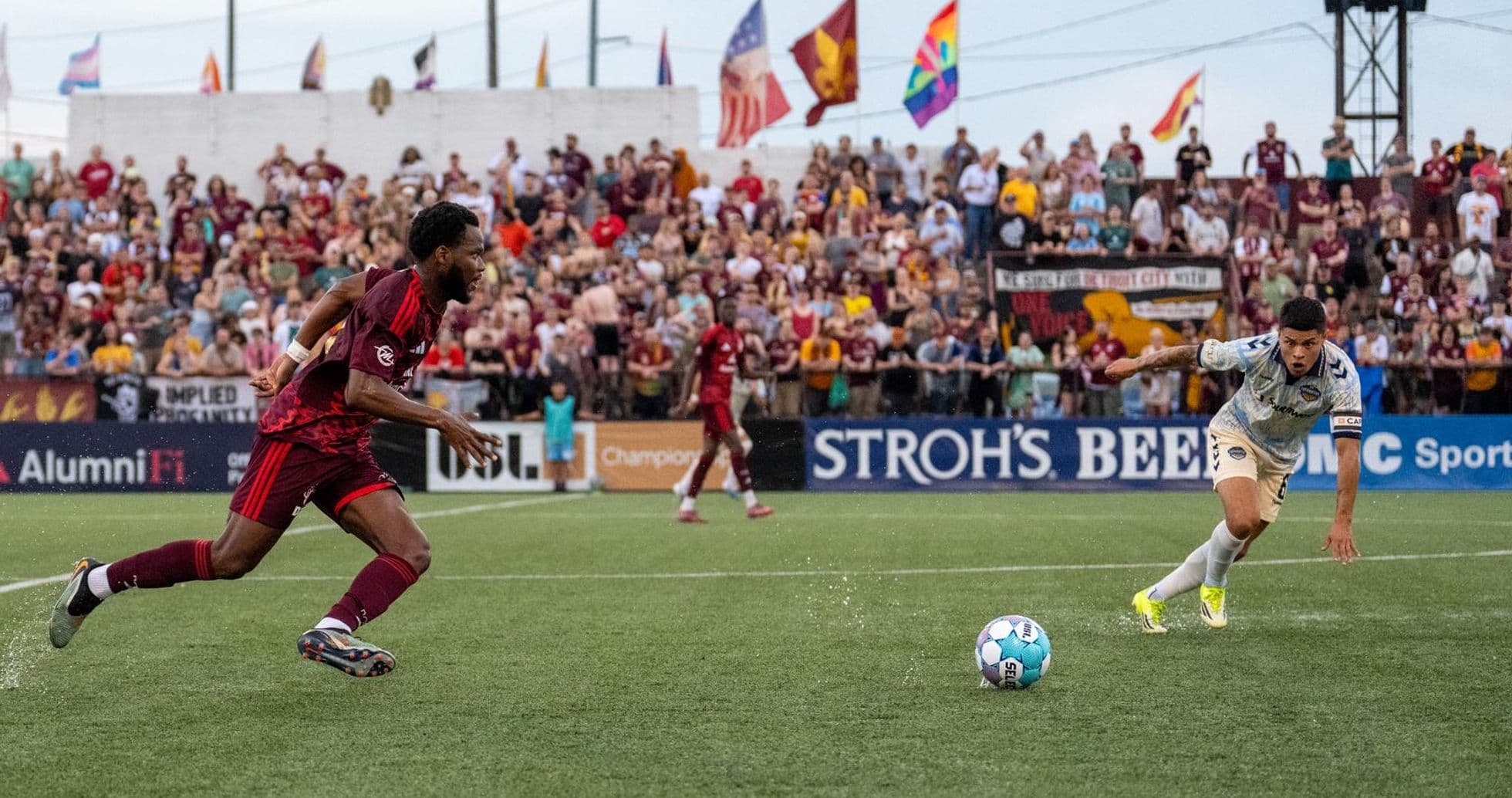
Under the lights at Keyworth Stadium, Detroit City and Louisville City played out 120 minutes of stalemate before the group-stage narrative in the USL League One Cup twisted on penalties. Following this result, Louisville’s 4–3 shootout edge after a 0–0 draw underlined the contrast between a side already shaped like a contender and a host still trying to reconcile their identity with the demands of this new competition.
Detroit arrived as a team of contradictions. In total this campaign they had played 3 fixtures, winning 1 and losing 2, with 2 goals scored and 3 conceded. At home, though, the numbers were harsher: 2 matches, 0 wins, 0 draws, 2 defeats, only 1 goal for and 3 against. The goal difference overall was -1, and the table reflected that fragility: 5th in Group 4 with 4 points and a “LW” form line heading into this game. Louisville, by contrast, came in as the group’s benchmark. In total they had 3 wins from 3, with 9 goals for and only 2 against, a goal difference of +7 and a perfect “WWW” form. In the Group 4 standings they sat 1st with 6 points and a “Playoffs” tag already attached to their name.
The match itself, stretching to 120 minutes, became a test of squad depth and mental resilience more than open attacking quality. Detroit’s lineup, named by Danny Dichio, hinted at a side still experimenting. C. Herrera in goal was shielded by a defensive core featuring H. Yamazaki, R. Hope-Gund, D. Amoo-Mensah and T. Silva, with K. Hernandez-Foster adding a hybrid profile capable of stepping into midfield. Ahead of them, the double presence of A. Diop and A. Stanley, flanked by Rafa Mentzingen and A. Diouf, suggested a willingness to press and counter, with B. Morris as the reference point up front.
Louisville’s Simon Bird countered with a more settled, confident XI. D. Faundez started in goal behind a back line including S. Totsch, B. Dayes, A. Dia and A. McFadden. In front of them, Z. Duncan and B. Niang gave structure and bite, while J. Morris and J. Wilson offered width and running lanes. R. Serrano and T. Showunmi completed a front line designed to exploit transitions and punish any loose possession.
Tactically, the void for Detroit was less about missing personnel and more about the gap between their defensive numbers and their attacking output. In total this campaign they had averaged only 0.7 goals per game, with 0.5 at home, while conceding 1.0 overall and 1.5 at home. They had kept just 1 clean sheet, and that came away. Their penalty profile told its own story: 5 penalties awarded in total, but only 3 scored, with 2 missed for a 60.00% conversion rate. In a knockout-style finish decided from the spot, that history loomed large.
Louisville’s statistical profile, on the other hand, read like that of a ruthless cup side. In total they averaged 3.0 goals per game, both at home and on their travels, while conceding only 0.7 overall. They had yet to lose, had never failed to score, and had a perfect penalty record: 4 taken, 4 scored, a 100.00% return. That composure from 12 yards would ultimately define the night.
Discipline added another layer of nuance. Detroit’s yellow card distribution in total this campaign showed a spread of pressure moments: 25.00% of their cautions between 31–45 minutes, 37.50% from 46–60, 12.50% from 61–75 and 25.00% from 76–90. That pattern suggested a side that often has to foul to reset the game either side of half-time and again in the closing stages. Louisville’s bookings were concentrated earlier: 28.57% in the 16–30 window, 28.57% from 31–45 and 42.86% between 46–60. They tend to front-load their aggression, then manage the game with more control later on. Across 120 minutes here, that difference in emotional management helped Louisville stay composed as the tension rose.
Within the matchups, the “Hunter vs Shield” dynamic was inverted by the 0–0 scoreline but still visible in the data. Louisville, the competition’s most potent attack so far with 9 goals in total, ran into a Detroit side that, despite their struggles, had only conceded 3 in total. Detroit’s ability to limit damage, particularly with Herrera organizing a back line anchored by Hope-Gund and Amoo-Mensah, was a rare success. Yet the flip side was brutal: Detroit’s own attack, with just 2 goals in total and a tendency to fail to score in 1 of their 3 games, could not crack a Louisville defense conceding only 0.5 goals per game on their travels.
Engine Room
In the “Engine Room,” the contest between Detroit’s central figures like A. Diop and A. Stanley and Louisville’s Z. Duncan and B. Niang defined the rhythm. Louisville’s structure in total this campaign — 3 wins from 3, no draws, no defeats, never failing to score — is built on that midfield’s ability to both protect and progress. Detroit’s midfield, by contrast, has been forced into reactive phases too often, reflected in those clustered yellow cards after half-time.
Statistically, the prognosis from this match and the wider campaign is clear. Louisville’s xG profile, while not numerically provided, can be inferred from their 3.0 goals-for average and low goals-against: they consistently create high-quality chances while limiting opponents. Detroit’s lower scoring average and negative overall goal difference of -1 suggest thinner margins and a reliance on defensive resilience and set pieces rather than sustained pressure.
Following this result, the narrative is that Detroit can hang with the group’s best for long stretches — 120 minutes without conceding to a side averaging 3.0 goals per game is no small feat — but they lack the ruthless edge in both boxes. Louisville, by contrast, confirmed their status as Group 4’s standard-bearers: efficient, disciplined, and unflinching from the spot. In a cup that will increasingly be decided by fine details, those penalty percentages, those concentrated yellow-card windows, and that perfect record on their travels all point in one direction: Louisville are built for these knife-edge nights, and Detroit must evolve quickly if they are to join them.
Related News

Indy Eleven Edges Lexington in USL League One Cup Showdown
Louisville City Edges Detroit City in Penalty Shootout
Lexington vs Indy Eleven: Key USL League One Cup Clash
Lexington vs Indy Eleven: USL League One Cup Group Stage Preview
Detroit City vs Louisville City Match Preview

Lexington vs Indy Eleven Predicted Lineups: Team News and Match Insights