
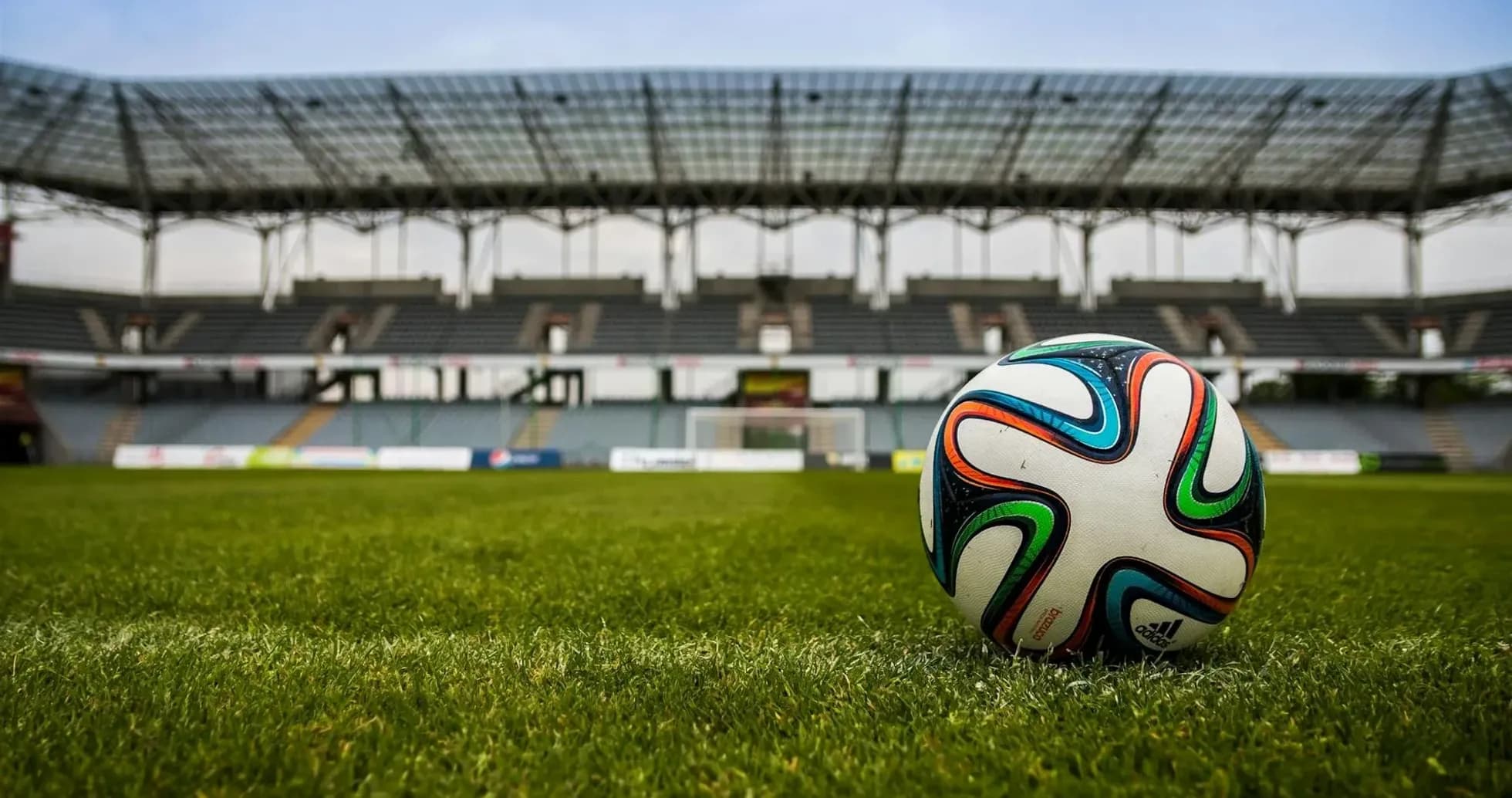
NEC Nijmegen Triumphs Over Olympiakos in UEFA Champions League
NEC Nijmegen’s 2-1 extra‑time win over Olympiakos Piraeus at Stadion de Goffert was built on clear structural ideas from both benches and a gradual territorial takeover by the hosts. Across 120 minutes, NEC’s 3-1-4-2 out‑passed (603 to 505) and out‑shot Olympiakos (16 to 10), eventually turning their control into a decisive extra‑time strike that settled this UEFA Champions League 3rd Qualifying Round tie after a 1-1 draw in regulation.
Olympiakos’ 4-2-3-1 was front‑loaded for transition and early verticality. With Dani García and Santiago Hezze as a double pivot and A. El Kaabi as the lone striker, the visitors looked to compress the central corridor, then spring quickly into space, especially through G. Martins and Jota Silva before his early substitution. Their 46' opener from El Kaabi reflected that plan: a direct, incisive move immediately after the interval, punishing NEC before the back three and single pivot D. Nejasmic could re-establish their rest‑defence structure.
NEC’s 3-1-4-2, on the other hand, was possession‑oriented and width‑driven. The back three of T. Storm, P. Sandler and D. Fonville, screened by Nejasmic, allowed the wing‑oriented midfield line of S. Ouaissa, N. Lebreton, D. Tadic and C. Bischoff to push high and wide. With T. Chery and B. Linssen up front, NEC consistently created overloads between Olympiakos’ full-backs and wide midfielders. The 54% possession and 603 passes, with 457 accurate (76%), underline how Schreuder’s side tried to suffocate Olympiakos by keeping the ball and circulating until gaps appeared.
The substitution patterns were pivotal in shifting the tactical balance. Olympiakos moved early: at 15', K. Fortounis (IN) came on for Jota Silva (OUT), adding a more creative, between-the-lines profile in the No.10 space. This initially helped link El Kaabi to the midfield, but also reduced Olympiakos’ natural width on the left, gradually inviting NEC’s wing-backs and wide midfielders higher.
For NEC, the 30' and 34' changes were structural as much as reactive. E. Mor (IN) for S. Ouaissa (OUT) injected direct dribbling and one‑v‑one threat on the flank, while B. Pereira (IN) for P. Sandler (OUT) subtly altered the back line’s distribution angles, giving NEC more progressive passing from deep on the right. These moves increased NEC’s capacity to pin Olympiakos back, which is reflected in the shot profile: 11 of NEC’s 16 efforts came from inside the box, showing that the hosts were not restricted to speculative attempts.
The second half became a duel between NEC’s sustained pressure and Olympiakos’ increasingly strained defensive block. The visitors’ foul count (19 to NEC’s 17) and card profile – yellow cards for Dani García, Rodinei and Gustavo Sá (all for “Foul”), plus a later yellow for Lorenzo Scipioni (“Argument”) – mirror a side frequently forced into emergency defending. The 70' equaliser from B. Linssen, assisted by D. Tadic, arrived as NEC finally converted their territorial dominance into a clear central‑zone chance, with Tadic exploiting the half-space and Linssen attacking the box from a forward’s starting position.
Olympiakos’ bench management in the 60–75' window was an attempt to reset the midfield battle. C. Mouzakitis (IN) replaced G. Sá (OUT) at 61', then L. Scipioni (IN) for D. Garcia (OUT) and J. Roca (IN) for G. Martins (OUT) both at 72'. On paper, this refreshed the double pivot and the advanced midfield line, but in practice it fragmented the visitors’ pressing cohesion. NEC continued to dominate the ball, and the lack of stable automatisms in the reconfigured Olympiakos midfield contributed to increased defensive exposure and fouling.
The turning point came around Fortounis. After a VAR “Card upgrade” check at 79', Kostas Fortounis received a straight red card for “Foul” at 80', leaving Olympiakos with ten men for the closing phase of normal time and all of extra time. From that moment, the 4-2-3-1 collapsed into a deep 4-4-1, with El Kaabi isolated and transitions almost entirely blunted. NEC, already ahead in possession, now faced a low block with reduced counter‑threat, allowing them to push an extra man into the last line and attack with near‑constant five‑ and six‑man waves.
NEC’s bench was then used to maintain intensity and add penalty‑box presence. K. Sierhuis (IN) replaced C. Bischoff (OUT) at 88', adding a more classic No.9 profile. Although a potential goal by Kaj Sierhuis was disallowed by VAR at 90+4', his movement immediately began to destabilise the Olympiakos centre‑backs. In extra time, J. Monteiro (IN) for B. Linssen (OUT) and B. Nuytinck (IN) for N. Lebreton (OUT) at 106' refreshed both the attacking and defensive lines, while K. Kers (IN) at 106' further increased forward options. These layers of fresh legs kept NEC’s press and attacking tempo high against a tiring, numerically inferior opponent.
The decisive extra‑time goal by E. Mor at 95', assisted by K. Sierhuis, encapsulated NEC’s tactical arc: a high-possession side using width and fresh attacking profiles to eventually break down a deep, fatigued block. Mor’s positioning as an advanced wide threat, combined with Sierhuis’ central presence, created the exact inside‑channel combination NEC had been seeking all night.
In goal, G. Crettaz (NEC Nijmegen) was largely protected by the structure in front of him, facing only two shots on target and making 1 save. B. Popovic (Olympiakos Piraeus), by contrast, was under heavier fire: NEC produced 7 shots on goal, forcing Popovic into 5 saves. The discrepancy in goalkeeping workload aligns with the overall shot and possession numbers and underlines how territorially tilted the contest became, especially after the red card.
Statistically, NEC’s 54% possession, 16 total shots (7 on goal, 3 blocked) and 603 passes at 76% accuracy show a side that imposed its rhythm and structure across 120 minutes. Olympiakos’ 10 shots (2 on goal, 2 blocked) and 505 passes at 69% accuracy point to a more sporadic, transition‑based threat that faded as the match lengthened and as numerical inferiority took hold.
Discipline was a major tactical factor: Olympiakos finished with 4 yellow cards and 1 red (Total: 5 cards), while NEC collected 2 yellow cards (Total: 2 cards). For Olympiakos: Dani García (“Foul”), Rodinei (“Foul”), Gustavo Sá (“Foul”), Lorenzo Scipioni (“Argument”), and the red for Kostas Fortounis (“Foul”). For NEC: Brayann Pereira (“Foul”) and Kaj Sierhuis (reason not specified). The imbalance in cards mirrors the imbalance in pressure and territory; the visitors were repeatedly forced into last‑ditch interventions, and once reduced to ten men, they could no longer contest NEC’s structured, possession‑heavy approach.
Related News
Lamine Yamal Shares What Barcelona Must Do to Triumph in the Champions League
Luis Díaz Confident Bayern Munich Can Win Champions League
Insights from AFC Champions League Matchday One: K League Clubs’ Strategies
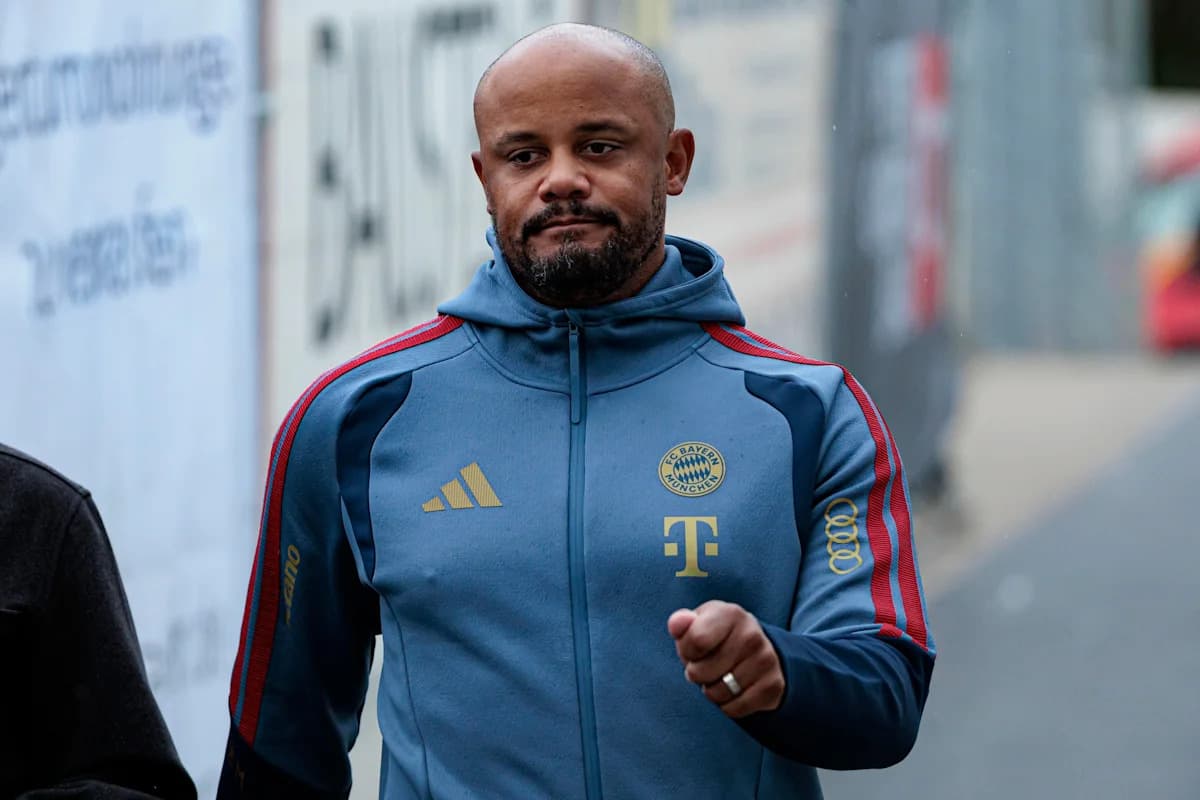
Vincent Kompany's Bayern Munich Future Not Tied Solely to Champions League Outcome
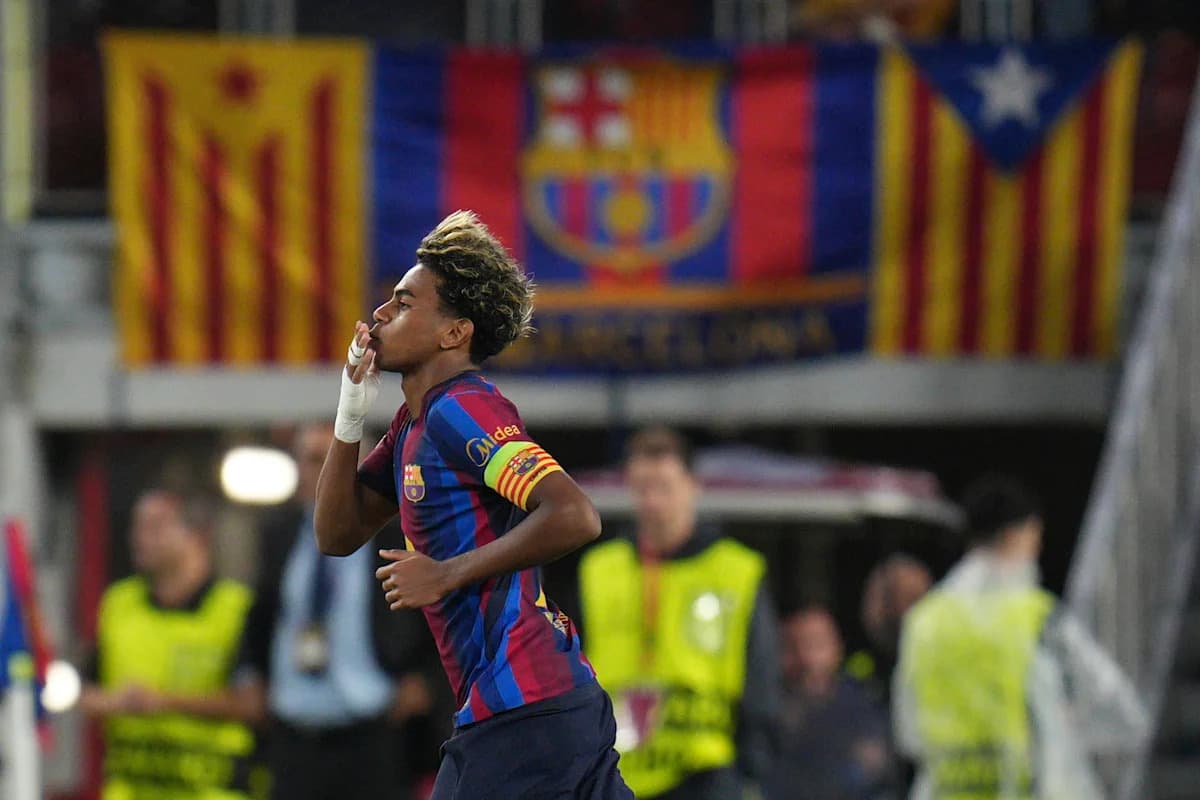
Barcelona's Camp Nou Chosen for 2029 Champions League Final, Munich Set for 2028
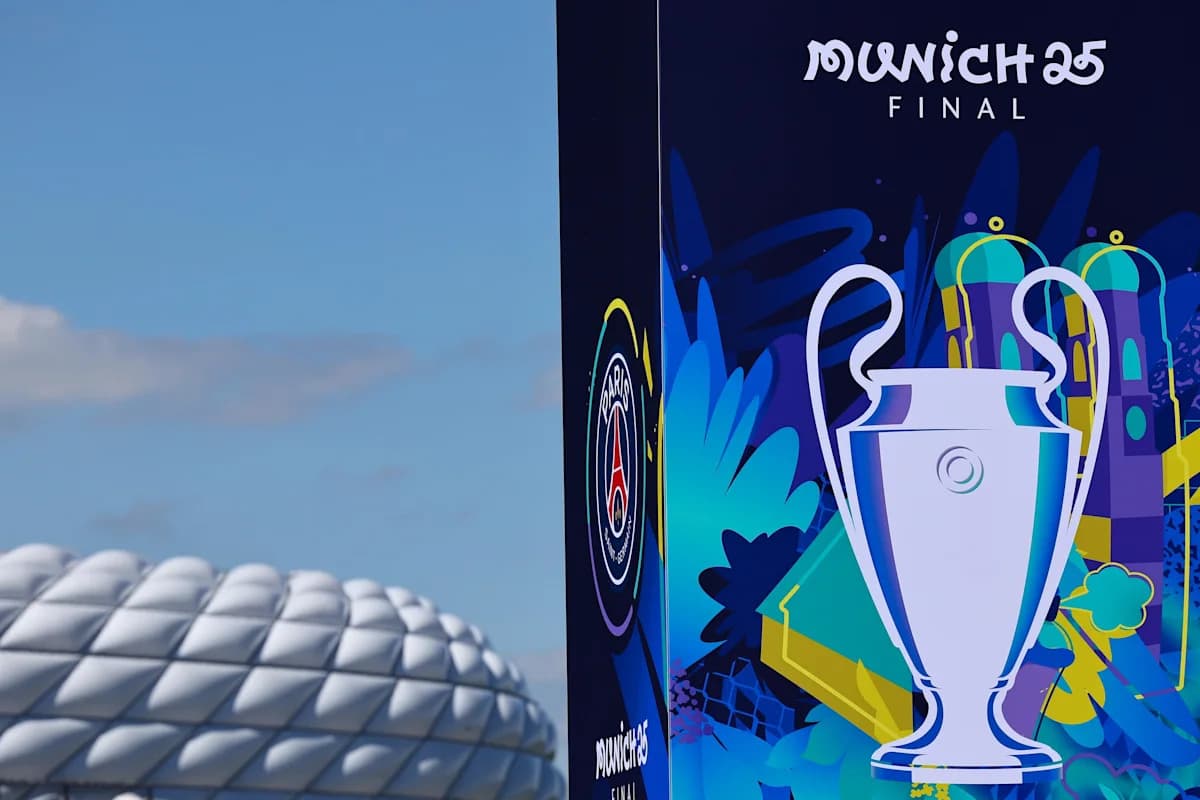
Allianz Arena to Host 2028 UEFA Champions League Final