
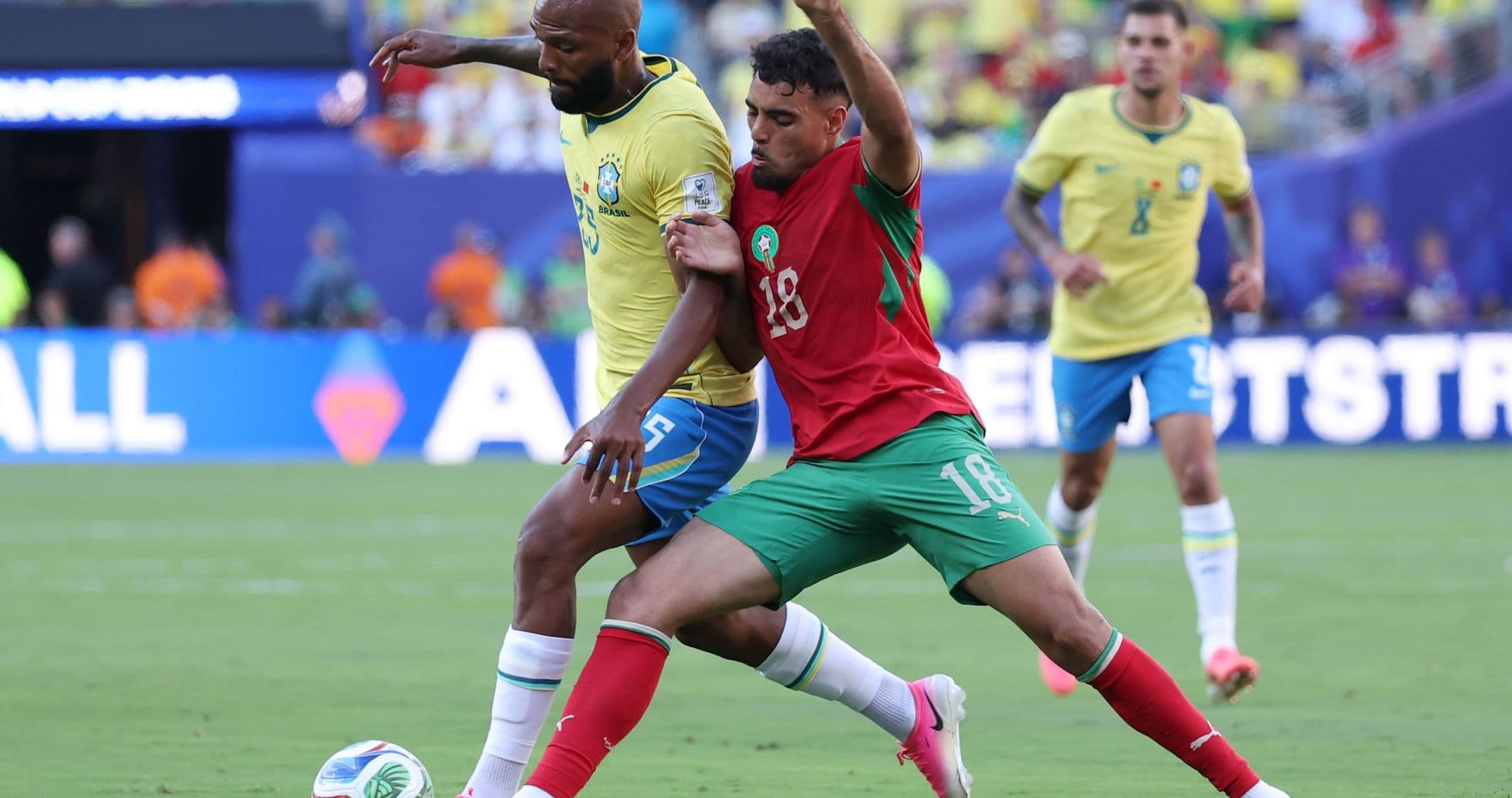
Morocco Holds Brazil to a Draw with Tactical Mastery at the World Cup
Morocco's Strategy Stuns Brazil Early On
The opening moments of the match between Brazil and Morocco were anything but ordinary. Morocco’s fast-paced start wasn’t accidental; it was a deliberate tactical maneuver that caught Brazil off guard.
The game ended 1-1, showcasing a clash between Brazil’s individual talent and Morocco’s disciplined team structure. Despite Brazil’s superior technical skill, Morocco’s organization made a significant impact.
Lineups and Formations
Brazil set up in a 4-2-3-1 formation: Allison guarded the goal, backed by Ibanez, Marquinhos, Gabriel, and Santos in defense. Casemiro and Guimaraes formed the midfield pivot, supporting an attacking line of Paqueta, Raphinha, Vinicius, and Thiago Silva leading the offense.
Morocco also deployed a 4-2-3-1: Bono in goal, Mazraoui, Riad, Diop, and Hakimi defended. Midfielders Aynaoui, Bouaddi, and Ounahi controlled the center, while El Khannous, Saibari, and Diaz spearheaded attacks.
Early Pressure from Morocco Shakes Brazil
Although Brazil entered the match as favorites, Morocco quickly established dominance through swift transitions and a tight, aggressive midfield block. This approach disrupted Brazil’s rhythm and earned Morocco the first goal.
Bouaddi stood out for Morocco, orchestrating play with relentless energy both offensively and defensively. Morocco’s defensive setup centered on a compact 4-4-2 shape, minimizing space between lines.
Instead of pressing high, Morocco focused on protecting central zones, cutting off Brazil’s passing options, and forcing the ball wide. This strategy forced Brazil into predictable patterns, culminating in Morocco intercepting a wide pass and launching a rapid counterattack that led to Saibari’s goal.
Brazil's Struggles with Cohesion and Progression
Brazil’s main problem wasn’t holding onto the ball but moving it forward effectively. Their build-up play suffered due to lack of connection between midfield and attack. The back three of Santos, Gabriel, and Marquinhos attempted to support Ibanez higher up, yet the distances between players were often too great.
Casemiro and Guimaraes anchored the midfield but struggled to break lines or create smooth progressions. These issues caused turnovers and stalled Brazil’s offensive flow early on.
Defensively, Brazil appeared disorganized. Morocco’s fluid possession repeatedly exposed gaps, with Brazil’s midfield chasing shadows. Casemiro in particular showed signs of slowing down physically, leading to his substitution by Fabinho early in the second half. Morocco seemed to exploit Brazil’s weaknesses especially in midfield and fullback areas, prompting early tactical changes.
Vinicius Shines Amid Brazil’s Offensive Issues
Despite Brazil’s trouble creating chances, Vinicius’s individual brilliance kept their attack alive. Brazil lacked a player to link midfield and forwards effectively—someone comfortable receiving under pressure and initiating combinations. Thiago Silva’s role as a classic target man didn’t help, as he waited to be served rather than driving play.
Cunha might have been better suited to lead Brazil’s line, offering more mobility and link-up play. His absence was noticeable, given how many attacks fizzled out before reaching a threatening stage.
Final Thoughts
Brazil’s top-tier talent didn’t translate into a dominant performance. Their inability to break down a well-organized defense and their shaky structure after losing possession were clear issues. These flaws might prove costly as the competition advances.
Morocco once again proved why they’re respected for their tactical discipline and defensive solidity. Their ability to execute a game plan and transition swiftly allowed them to hold one of football’s giants to a draw. This result came from strategy, not luck.
Related News
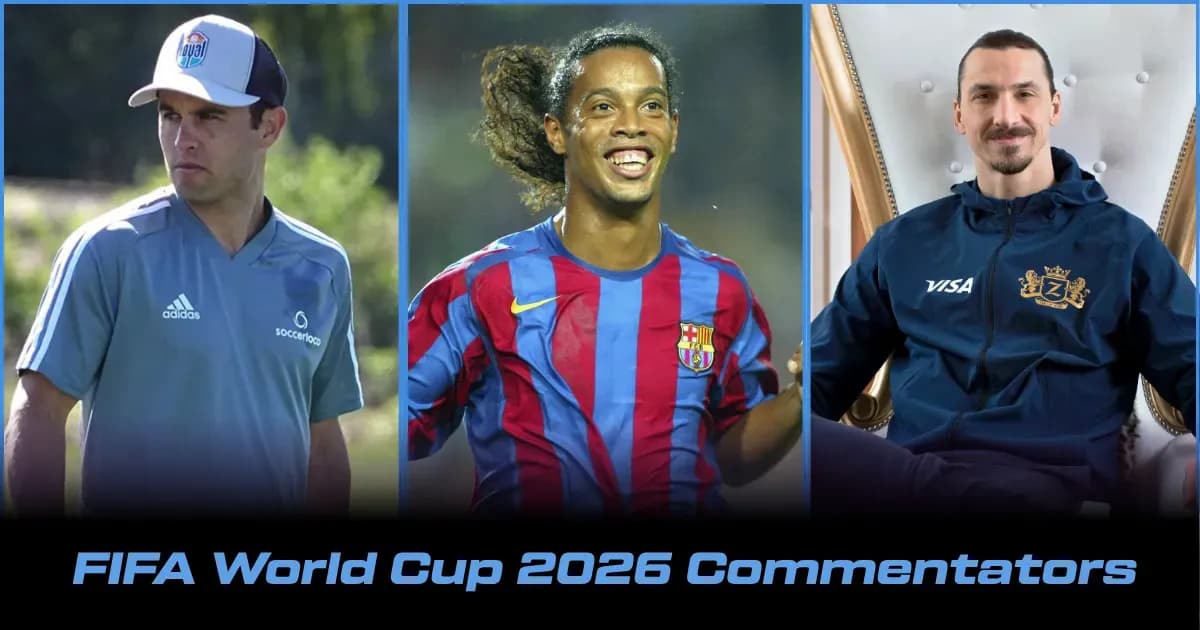
FIFA World Cup 2026 Commentary Team: Complete List of Presenters and Analysts
World Cup 2026 Best XI: Messi, Rodri, Mbappe Lead the Lineup
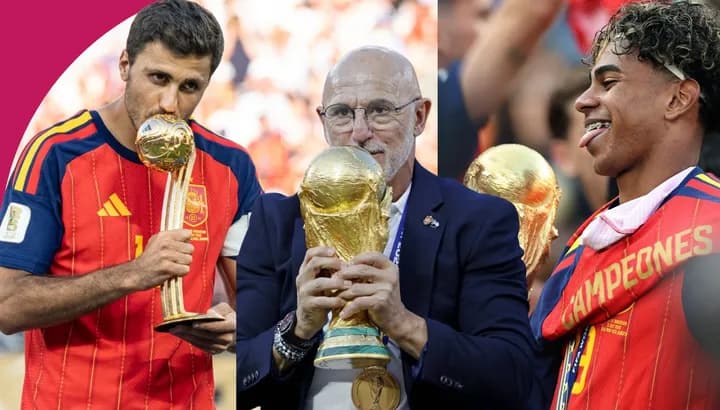
Spain’s Tactical Mastery Behind Their Second World Cup Triumph
Gianni Infantino Criticizes World Cup 2026 Detractors Amid Event's Success
FIFA President Gianni Infantino Responds Strongly to 2026 World Cup Critics
Kylian Mbappé Pens Open Letter to France Fans After 2026 World Cup