
Mexico's World Cup Journey Sparks Joy Amid a Year of Uncertainty
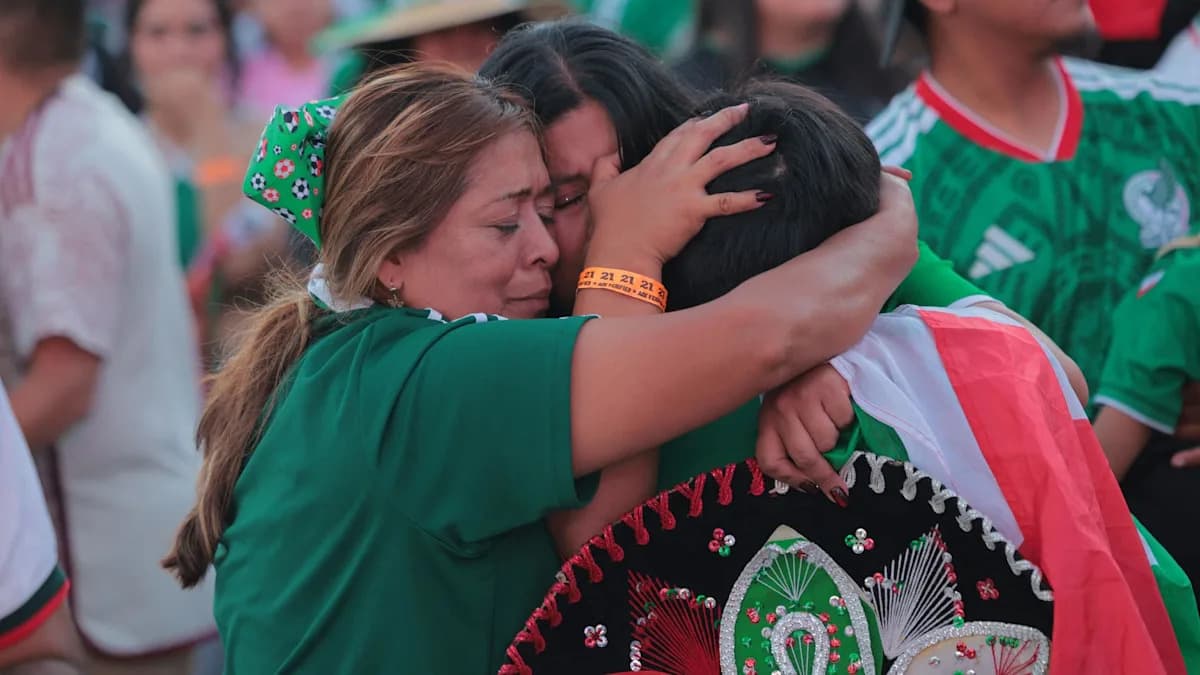
In Southern California, where one of the largest Mexican communities outside Mexico thrives, the World Cup brought a wave of happiness, even though Mexico fell in the last 16 to England with a 3-2 scoreline at Azteca Stadium. The mood felt far from defeat in this passionate football community.
Inside a crowded Santa Ana bistro, fans stood waving Mexican flags and singing Cielito Lindo as emotions mixed between disappointment and pride. Louie Leyla, a Mexican-American living in California since 1990, said, "This is sad, but we’re going to keep rooting for our people no matter what."
A Victory Beyond the Pitch
Alicia Rojas described the loss as bittersweet, saying, "It’s a loss, but a win for our community here in Santa Ana." Nearby, Cynthia Rebolledo’s young son, clad head-to-toe in Mexico colors, keeps asking if they’ll still attend the parade, believing Mexico had won. For many, this World Cup meant more than just football.
Leigh Slater reflected on the tournament’s deeper meaning: "Football is like life. You lose, you win. What we’ve seen throughout this World Cup is the unbreakable spirit of immigrants in this country. This is catharsis." Before facing England, Mexico had not conceded a goal in the first half across 15 consecutive World Cup matches.
Passion in Southern California’s Mexican Community
Mexican supporters stood out with their bright green shirts, flags, and chants in stadiums across the United States and Mexico alike. Southern California was especially vibrant, home to a large Mexican population.
This celebration contrasts sharply with the area's mood just a year ago, when many Latino neighborhoods faced intense ICE immigration raids. Businesses saw fewer customers, families avoided public gatherings, and fear hung heavy. Los Angeles Times columnist Gustavo Arellano recalled how deserted the streets were during those times, with National Guard vehicles parked nearby and protests dominating public spaces.
"They were occupying the same streets that a year earlier were completely dead," he said, highlighting the drastic change within a year. The area that once felt lifeless now buzzed with maracas, horns, and cheers.
From Fear to Festivity
For many, Mexico's role as one of the World Cup's three host nations, combined with their spirited performance, offered a rare chance to celebrate their identity openly. After months of anxiety over immigration enforcement, fans wore El Tri jerseys, waved flags, and sang the national anthem in public fan zones filled with families.
Arellano pointed out how Mexican football fans were once seen as unpatriotic for displaying Mexican flags during the anti-immigration politics of the 1990s. Now, as America grows more diverse, such expressions have become bigger and more accepted.
He shared a mix of realism and pride: "The cynic in me says this is what always happens to Mexico. We’re good but can’t quite compete with the world’s elite. But we never give up. I’m proud of what they did. We didn’t give up until the very end. England was just better."
Celebrating Dual Identities
As the US marks its 250th anniversary amid debates about immigration and national identity, diaspora communities turned out passionately not only for Mexico but also for countries like Scotland, Argentina, Colombia, Ecuador, Morocco, and Egypt. This revealed an America where millions embrace connections to multiple homelands.
For many Mexican-Americans, the World Cup became a celebration of two homes they hold dear. Arellano described the tournament as a chance for Latino communities to express joy during a challenging time.
Related News

FIFA World Cup 2026 Commentary Team: Complete List of Presenters and Analysts
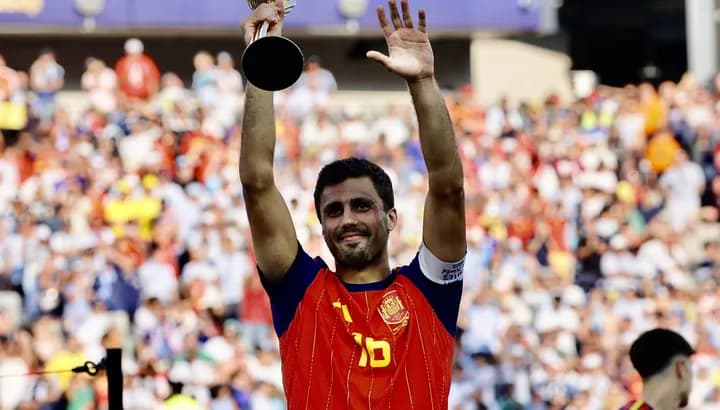
World Cup 2026 Best XI: Messi, Rodri, Mbappe Lead the Lineup

Spain’s Tactical Mastery Behind Their Second World Cup Triumph
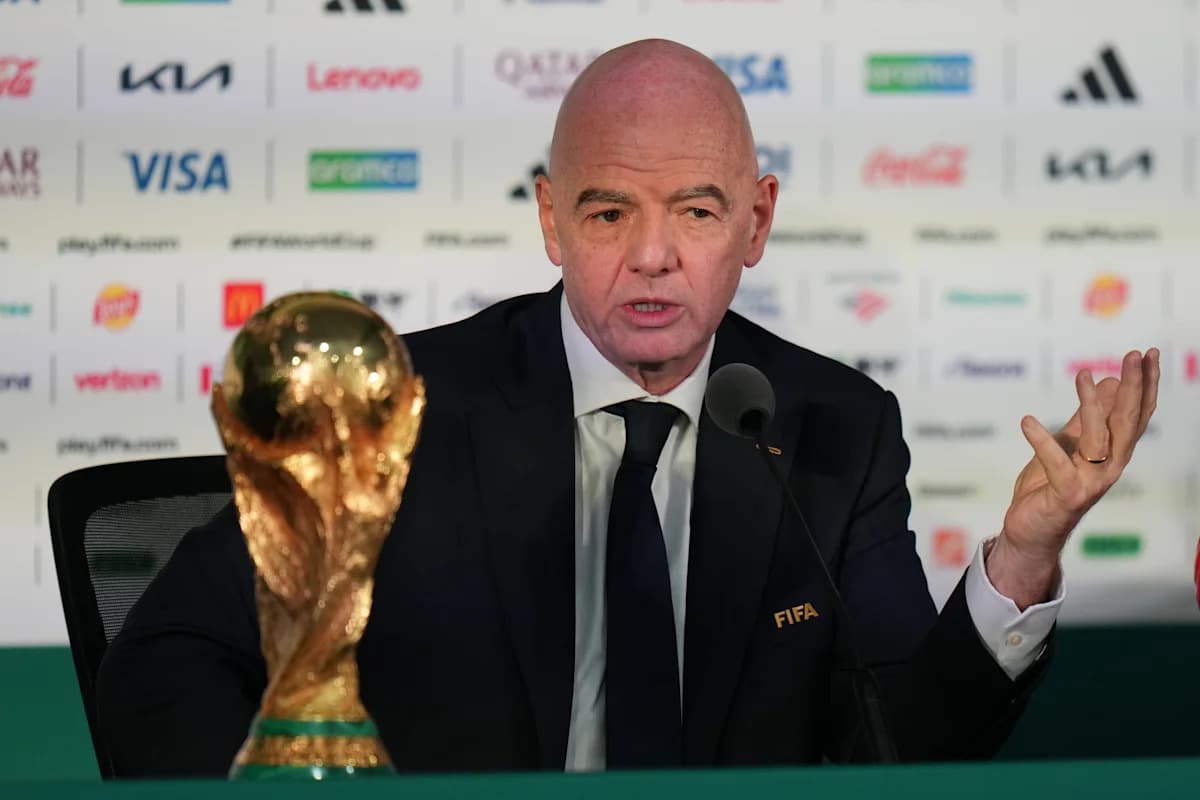
Gianni Infantino Criticizes World Cup 2026 Detractors Amid Event's Success
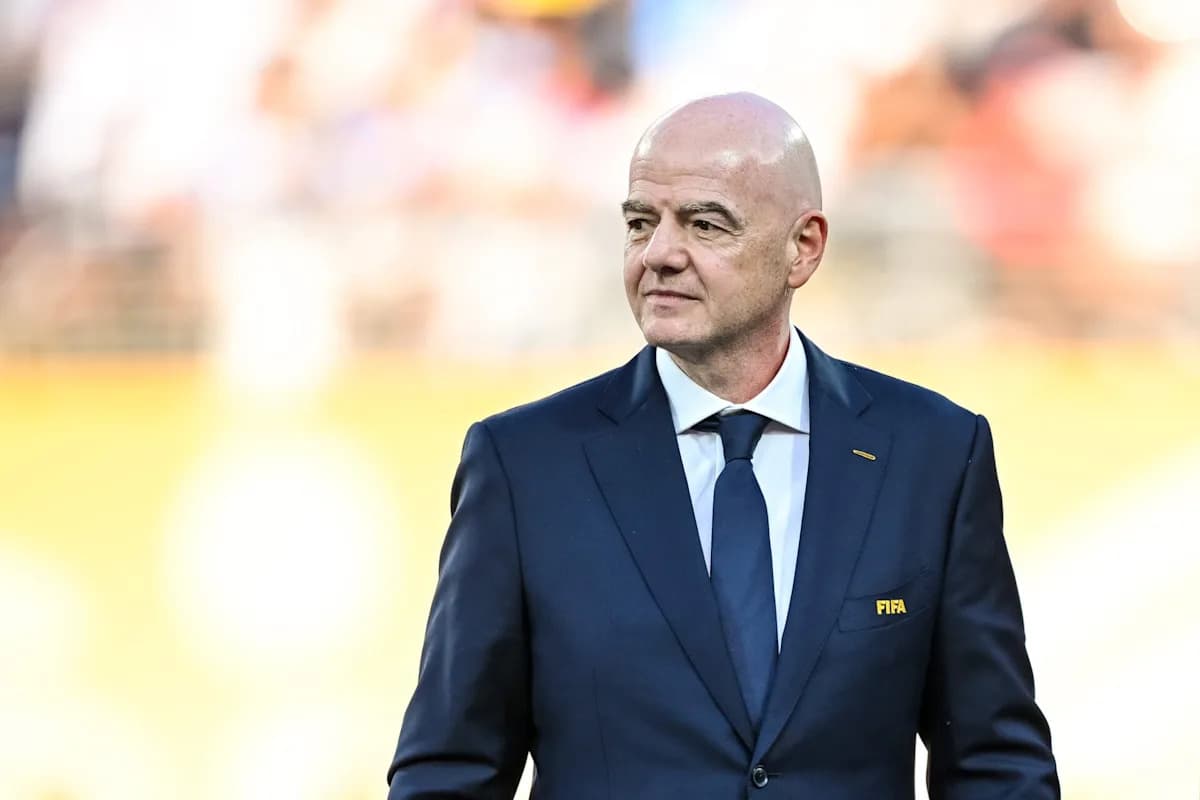
FIFA President Gianni Infantino Responds Strongly to 2026 World Cup Critics
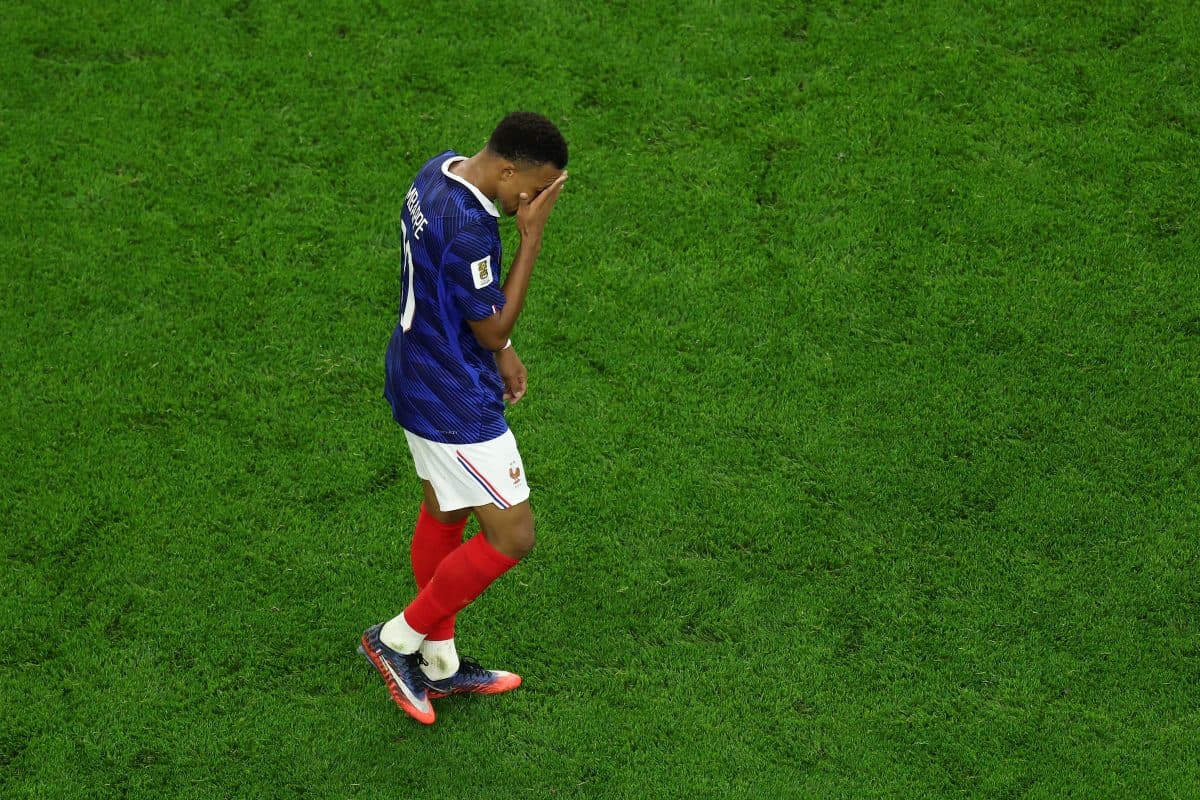
Kylian Mbappé Pens Open Letter to France Fans After 2026 World Cup