
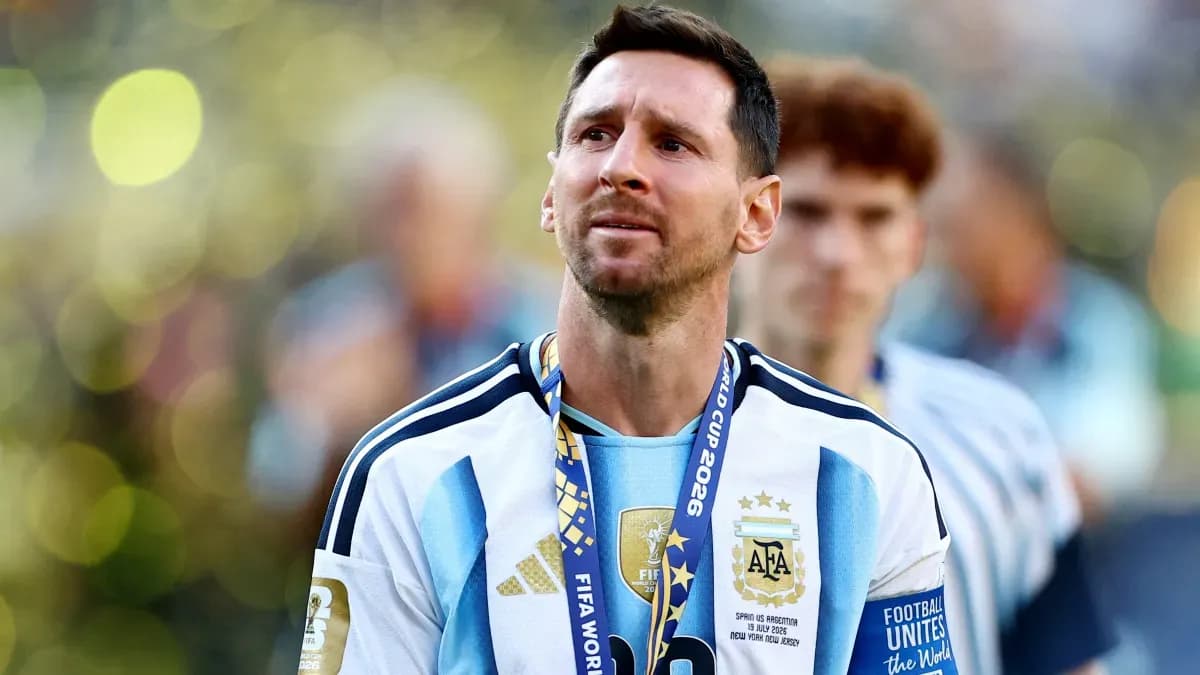
Lionel Messi's Complex Emotions After World Cup Defeat Reflect a Storied Career
At the close of the World Cup final in East Rutherford, Lionel Messi was visibly emotional facing the Argentina fans at MetLife Stadium’s east side. The tears did not seem to come from sadness or anger but rather from a sense of pride and acceptance. He seemed to recognize the end of an incredible chapter, proud of the achievements yet aware that time moves on.
If Argentina had won against Spain with a late goal by reserve striker Fernan Torres, Messi’s expression might have been similar, just accompanied by a gold medal and more smiles. Argentina sought a rare feat: winning back-to-back men’s World Cups, something unseen for six decades. Messi was chasing a spot among legends like Garrincha, Pele, and Ronaldo, who have multiple World Cup titles. Only a handful have managed this; even Zidane, Beckenbauer, and Maradona only won once, showing how difficult it is.
Struggles at MetLife Stadium
Messi probably does not believe in jinxes, but his record in this stadium is notable. At MetLife, Argentina scored no goals in 120 minutes during the 2016 Copa America final and again were held scoreless through extra time in this World Cup final. FIFA even renamed the venue “New York/New Jersey Stadium” for the tournament because its corporate sponsor was not affiliated with FIFA. Still, that made no difference.
This stadium also marks a painful memory: in 2016, Messi briefly retired from international football after losing four consecutive finals—three Copa Americas and the 2014 World Cup final. Back then, he wrestled with the pressure of living up to Diego Maradona, who led Argentina to World Cup glory in 1986. Before recent triumphs, Messi’s international trophies were limited to the Olympics and FIFA U-20 World Cup. Despite his club success and individual awards, that felt insufficient.
A Decade of Redemption
His retirement lasted only a few months. Since returning, Messi has helped Argentina win three major titles and scored 70 goals, placing him among the top 25 male international scorers. The loss at MetLife was bitter, but other troubles surfaced too. Midfielder Leandro Paredes received a red card after a post-match altercation triggered by a taunt referencing Messi’s missed chance and the team’s exit.
“I understand why he reacted because emotions were running very high,” defender Lisandro Martinez said. “We’d just lost a World Cup final, and hearing comments like that isn’t going to calm anyone down.”
Martinez added that respect should remain after the final whistle, regardless of the result.
Uncertain Future for Messi and Scaloni
No one knows if this match marked Messi’s last for Argentina. Coach Lionel Scaloni avoided answering questions about Messi’s future, stating he hadn’t spoken with him. Scaloni’s own contract expires this year after leading Argentina to four finals and three championships in recent tournaments. His continuation feels likely but is not guaranteed. Messi appeared deeply moved when reflecting on what comes next, taking time to consider his path forward.
“It was a dream to play for everyone,” Scaloni said, referring to the Argentine people. “We tried until the last minute to give our utmost. This place is wonderful. It is a dream.”
Messi’s Impressive Legacy
If this is truly the end, Messi leaves behind remarkable numbers: one World Cup title, two finals appearances, two Copa America wins, five Copa America finals, 207 caps, and 125 international goals. Many fans lingered long after the match, reluctant to leave the stadium, perhaps aware they might never see the icon wear Argentina’s blue and white again.
Scaloni pointed out that reaching a final and losing can still represent success, though some may struggle to see it that way. Argentina earned believers through resilient comebacks against Egypt and England and a hard-fought victory over Cabo Verde despite giving up leads. Spanish players expressed surprise at how fiercely Argentina competed.
Argentina failed to get a shot on goal in the final and managed only one shot inside the box—a late chance by substitute Giuliano Simeone just before the end. The team’s performance was below their usual standard.
Would playing at SoFi Stadium in Los Angeles have changed anything? Probably not. Argentina has no significant history there, and the distance from East Rutherford to LA is almost 2,800 miles. That gap might offer no real advantage.
Related News
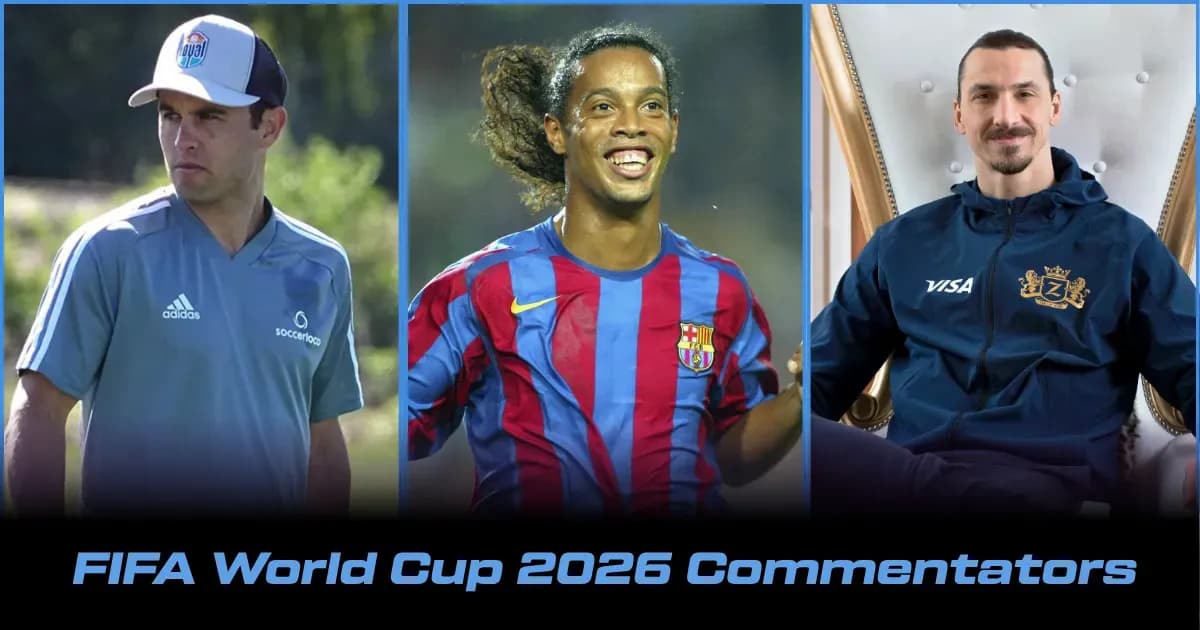
FIFA World Cup 2026 Commentary Team: Complete List of Presenters and Analysts
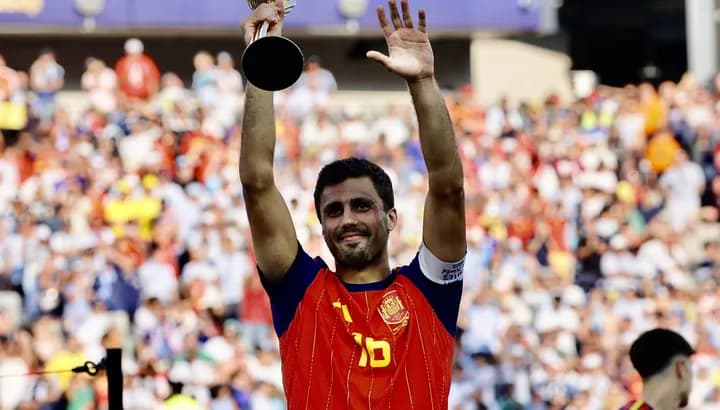
World Cup 2026 Best XI: Messi, Rodri, Mbappe Lead the Lineup
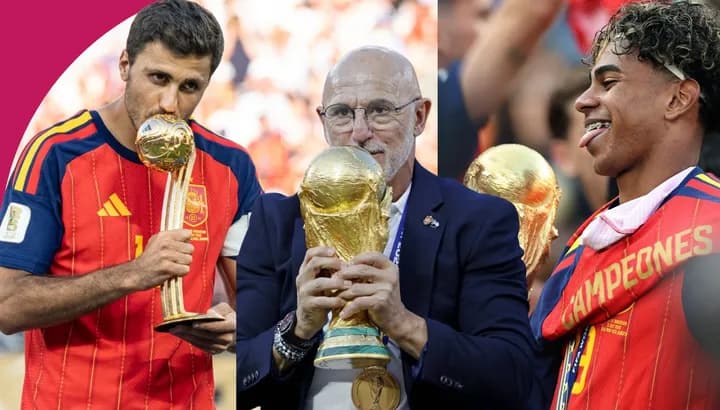
Spain’s Tactical Mastery Behind Their Second World Cup Triumph
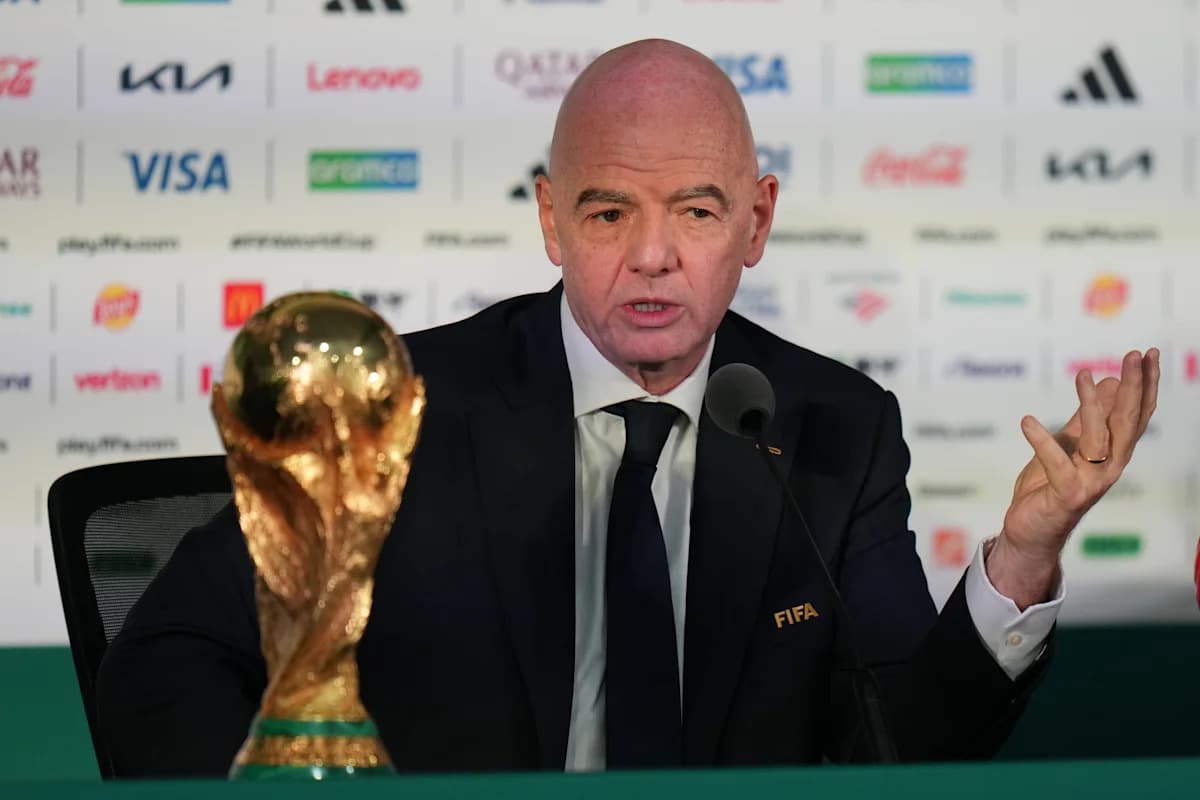
Gianni Infantino Criticizes World Cup 2026 Detractors Amid Event's Success
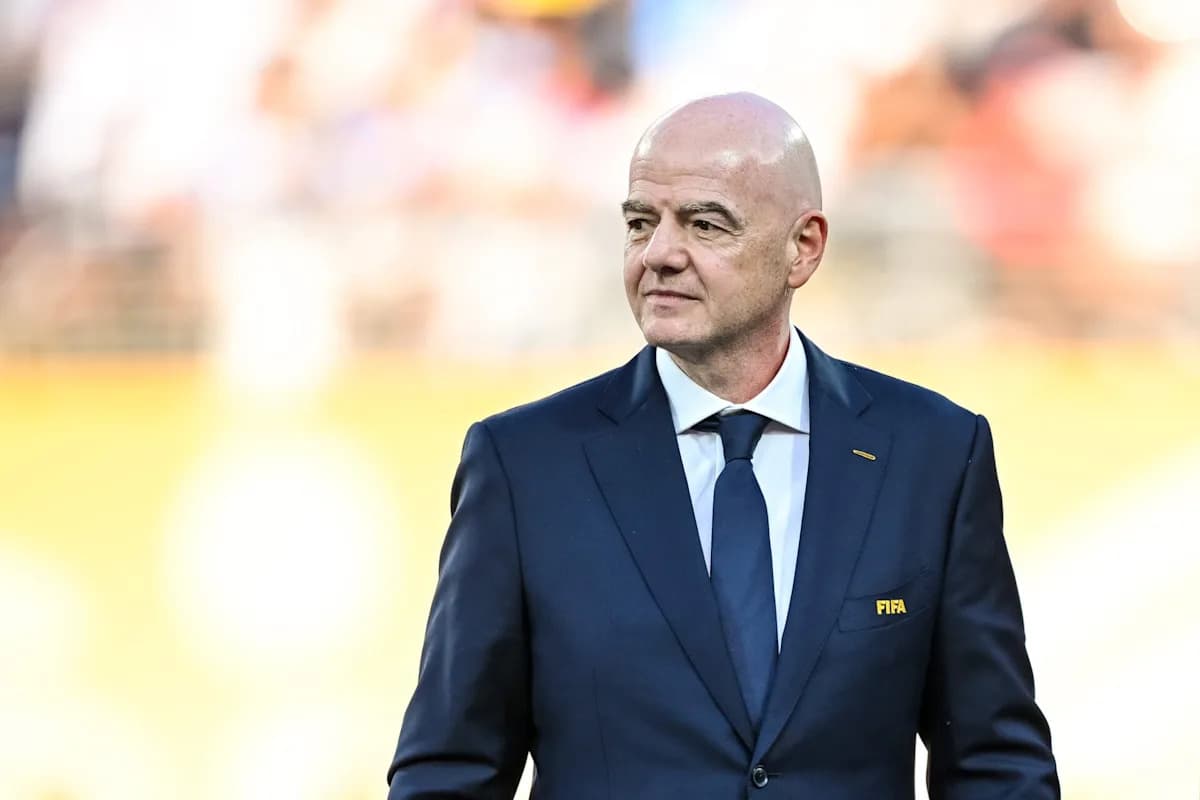
FIFA President Gianni Infantino Responds Strongly to 2026 World Cup Critics
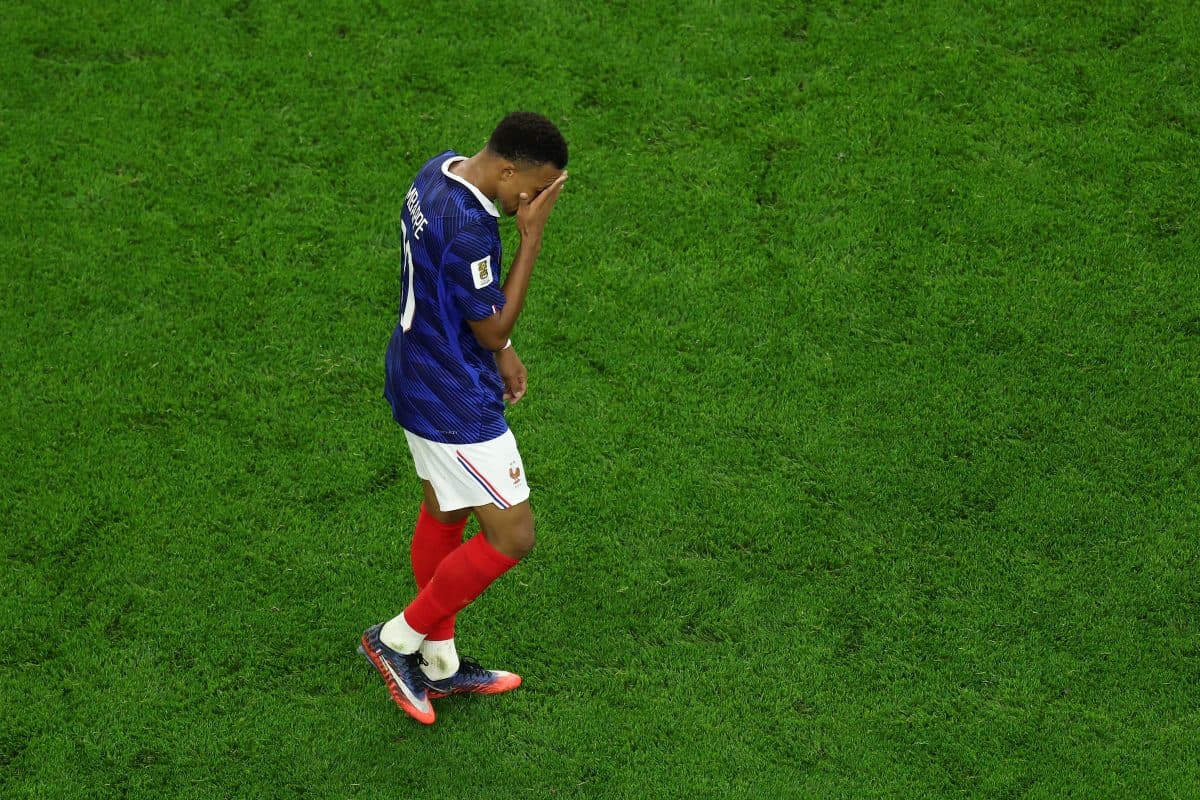
Kylian Mbappé Pens Open Letter to France Fans After 2026 World Cup