

Manchester City vs Bournemouth: Tactical Analysis of Premier League Opener
Under a grey Manchester sky at the Etihad Stadium, the Premier League’s new season opened with a familiar storyline: Manchester City finding a way. A 2–1 home win over Bournemouth, sealed after trailing 0–1 at half-time, sends Enzo Maresca’s side into the early table in 7th place on 3 points, with a home goal difference of +1 (2 scored, 1 conceded). Bournemouth leave Manchester empty-handed, 14th with 0 points and an away goal difference of -1 (1 scored, 2 conceded), but not without hints of a more ambitious identity under Marco Rose.
I. The Big Picture – Maresca’s City, Same Shape, New Faces
Both managers mirrored each other structurally, each deploying a 4-2-3-1. For City, it was a new era with familiar principles: G. Donnarumma in goal, a back four of R. Lewis, A. Khusanov, R. Dias and J. Gvardiol, with E. Anderson and M. Guehi as a double pivot. Ahead of them, P. Foden, N. O’Reilly and A. Semenyo supported E. Haaland as the lone striker.
Bournemouth’s response was bold rather than reactive. D. Petrovic started in goal behind a back line of A. Smith, J. Hill, A. Silva and A. Truffert. L. Cook and A. Scott anchored midfield, with Rayan, J. Kluivert and M. Tavernier tucked in behind centre-forward Evanilson.
Heading into this game, the numbers were a blank slate, but following this result the early trends are already clear. At home, City have played 1, won 1, scoring 2 and conceding 1. Their overall averages are 2.0 goals for and 1.0 against per match, with no clean sheets and no penalties taken or missed. Bournemouth, on their travels, have played 1, lost 1, scoring 1 and conceding 2, with an away average of 1.0 goal for and 2.0 against, and likewise no penalties involved.
II. Tactical Voids – Absences and Discipline
Both squads came into the fixture carrying significant absences that shaped their benches and in-game options.
For Manchester City, J. Doku’s calf injury removed Maresca’s most explosive one‑v‑one winger, while Savinho’s absence due to transfer negotiations deprived City of another vertical runner. The result was a more interior, combination-heavy attacking structure, with Semenyo and Foden tasked with creating width and penetration rather than classic touchline wingers.
Bournemouth’s list was longer and more disruptive. A. Adli (injury), J. Araujo (thigh injury), E. J. Kroupi (foot injury), V. Milosavljevic (injury) and J. Soler (lacking match fitness) stripped Rose of depth and variety between the lines. R. Christie was also unavailable due to a red-card suspension, removing a key connector in midfield. That forced Bournemouth to lean heavily on L. Cook and A. Scott as a disciplined double pivot and on J. Kluivert and Tavernier to provide creative sparks from the half-spaces.
Disciplinary patterns from this opening round underline the different emotional temperatures of the two sides. City’s cards this season have come exclusively in the 76–90 minute window, with 100.00% of their yellow cards arriving late – a sign of game management fouls and fatigue under pressure. Foden himself has already been booked once, reflecting his dual role as creator and first presser, committing 2 fouls while winning 7 of 13 duels.
Bournemouth’s yellow-card timing is split: 50.00% of their cautions came between 46–60 minutes and 50.00% between 76–90, pointing to aggression both at the restart and in the closing stages. Evanilson, who has 1 yellow card, embodies this edge, combining 2 fouls committed with 1 foul drawn and 7 duels contested.
III. Key Matchups – Hunter vs Shield, Engine Room Battles
The “Hunter vs Shield” duel was always going to centre on E. Haaland against Bournemouth’s central pairing of J. Hill and A. Silva. With City’s home average now at 2.0 goals scored per game and Bournemouth’s away average at 2.0 conceded, the structural imbalance tilted towards the Norwegian. Maresca’s decision to field an interior-heavy three of Semenyo, O’Reilly and Foden behind him meant Haaland could constantly threaten the space between Bournemouth’s centre-backs and full-backs, dragging Hill and Silva into uncomfortable lateral movements.
Yet Bournemouth’s defensive line was not passive. A. Truffert and A. Smith narrowed aggressively to compress central zones, trusting Tavernier and Rayan to sprint out to the flanks. That occasionally left Petrovic exposed to cut-backs and late arrivals, especially once City turned to their bench.
There, the subplot belonged to R. Cherki. Coming in from the bench for City, Cherki delivered 2 assists in 27 minutes, completing 13 passes with 4 key passes and 92% accuracy. He did not need volume; he needed moments. His cameo reframed the attacking geometry, with Haaland now supplied by a true final-third specialist rather than a more balanced midfielder. In the “Hunter vs Shield” narrative, Cherki became the spotter, picking out Haaland and the late box-runners with disguised passes.
In the “Engine Room”, L. Cook and A. Scott were tasked with disrupting City’s rhythm. Cook’s positional discipline allowed Bournemouth to stay compact, while Scott stepped higher to pressure City’s pivots, E. Anderson and M. Guehi. Foden’s work without the ball – 3 tackles and constant pressing from the right half-space – ensured City could quickly suffocate Bournemouth’s attempts to build through the middle.
Evanilson, meanwhile, was Bournemouth’s reference point in transition. He registered 1 assist, 12 passes at 83% accuracy, 3 interceptions and 1 tackle, a centre-forward acting as first defender and outlet. His movement into the channels tried to drag R. Dias and A. Khusanov wide, opening lanes for Kluivert and Tavernier to attack the inside spaces.
IV. Statistical Prognosis – What This Game Tells Us
Following this result, City’s statistical profile is already familiar: high scoring at home, vulnerable enough to concede but confident they can outgun opponents. With no penalties taken and no clean sheets, their defensive line still has sharpening to do, but the attacking upside is clear. The fact that their biggest home win so far is 2–1 tells us the margin for error remains slim.
Bournemouth’s away averages – 1.0 goal scored, 2.0 conceded – hint at a team willing to trade punches. They failed to keep a clean sheet and yet did not fail to score, suggesting Rose’s Bournemouth will not die wondering. The card data, with yellows clustered after half-time and late on, speaks to a side that pushes the physical and tactical limits to stay in games.
In xG terms, even without raw figures, the shape of the contest is obvious: City’s territorial dominance, volume of final-third entries and the creative influence of Cherki and Foden would likely have produced a higher expected goals total than Bournemouth’s more selective, transition-based attacks. Defensively, City’s single goal conceded from Bournemouth’s 1 away goal for this season indicates they can be punctured but rarely overwhelmed.
As the campaign stretches out from this opening chapter, the tactical threads are clear. City, ranked 7th but already humming, will rely on the interplay between structured possession and the chaos-creation of talents like Cherki and Foden to feed Haaland. Bournemouth, 14th yet tactically brave, will live on the edge: pressing high in waves, leaning on Evanilson’s two-way work and trusting that their risk-taking will, over time, tilt the margins back in their favour.
Related News

Manchester United vs Tottenham Stats: Head-to-Head Record and Past Meetings

Premier League Players and Agents Eye Compensation Claims Against Manchester City Over Guilty Verdict

Premier League Midfielder Shares Ambition to Join Real Madrid

Is Possession Football Losing Its Grip in the Premier League?
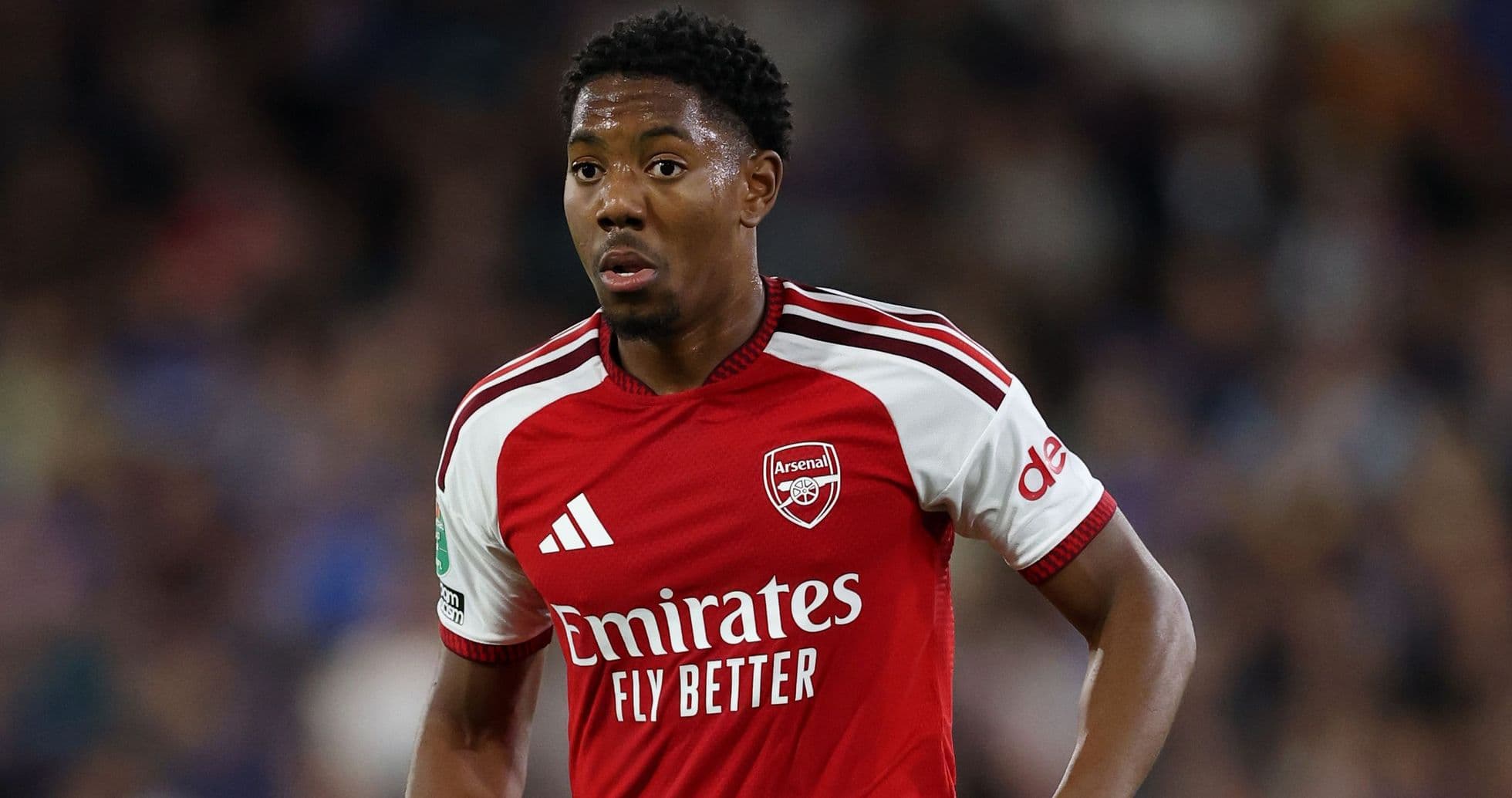
Arsenal's Myles Lewis-Skelly Surprises by Naming Tottenham's Mateus Fernandes as Toughest Premier League Rival

Three Premier League Players Making Impressive Early Season Impact