
Loudoun United's Dominance Over Richmond Kickers in USL League One Cup
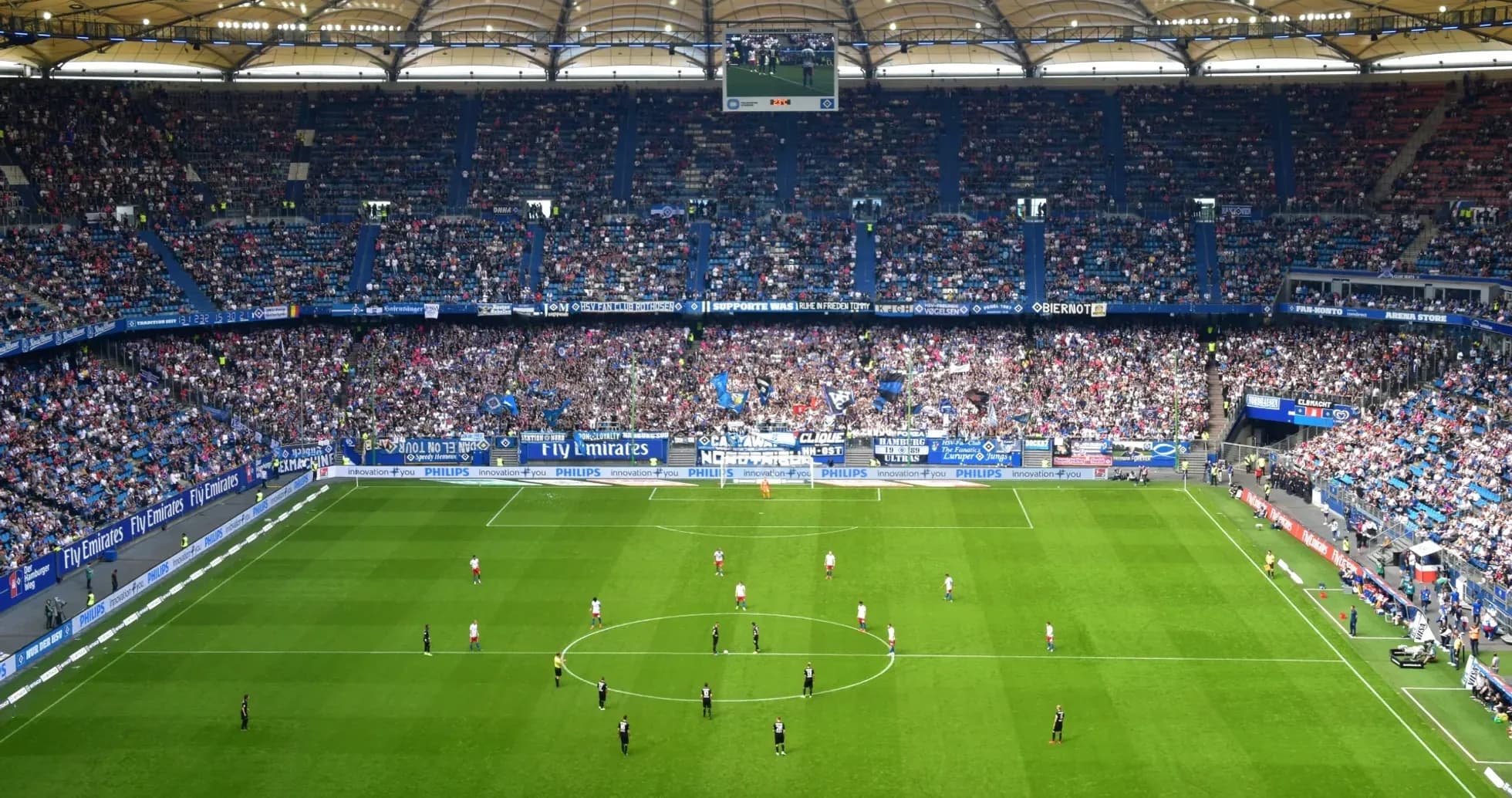
Under the lights at Segra Field, Loudoun United’s 2–0 win over Richmond Kickers felt less like a routine group-stage result and more like a statement of intent in the USL League One Cup. Following this result, Loudoun sit 4th in Group 6 with 3 points and a positive goal difference of 1, while Richmond remain bottom in 6th, still pointless and now carrying a bruising overall goal difference of -7. The trajectories of the two squads could hardly be more different.
For Loudoun, this Cup campaign has been defined by controlled aggression at home. Across their 2 matches in total, they have scored 3 goals and conceded 2, all at Segra Field. That 1.5 total goals scored per game, against 1.0 total conceded, paints the picture of a side willing to front-foot games without losing their defensive bearings. The clean sheet here – their first of the competition – confirms that Anthony Limbrick’s side are learning quickly how to close the door once they’ve seized control.
Richmond, by contrast, arrive at this point in the group with a profile that is starkly unforgiving. In total this campaign, they have played 3 matches, losing all 3, scoring only 1 goal and conceding 8. Their attacking return of 0.3 total goals per game is nowhere near enough to offset a defensive record of 2.7 total goals conceded per match. The Cup has exposed a side that is both fragile at the back and too blunt up front to compensate.
The tactical voids for both squads are less about missing personnel – there is no data on absentees – and more about structural habits. Loudoun’s disciplinary record offers one of the few warning lights on an otherwise positive dashboard. Their yellow cards cluster heavily after the break: 60.00% of their cautions arrive between 46–60 minutes, with another 40.00% in the 76–90 window. This late and early-second-half indiscipline hints at a side that can become overzealous when pushing to tilt the game, or when trying to protect a lead.
Richmond’s card profile is even more telling. They spread their yellows across the match, but the peak is clear: 37.50% of their cautions come between 46–60 minutes, with meaningful spikes in the 31–45 (25.00%) and 0–30 ranges (a combined 25.00%). Darren Sawatzky’s team are repeatedly forced into reactive defending as halves wear on, a symptom of chasing games and arriving late into duels.
On the pitch, Loudoun’s XI against Richmond carried a clear spine. In goal, J. Farr provided the calm platform a side with attacking ambitions requires. Ahead of him, the defensive line built around N. Adnan, A. Essengue and S. Mazzaferro gave Loudoun enough physical presence to defend higher without fear of being overrun in transition. C. Torres rounded out a back unit that, collectively, finally turned their improving numbers into a clean sheet.
The real story, though, was in the middle and final thirds. B. Akinyode and J. Panayotou formed the pivot that allowed Loudoun to control rhythm. Akinyode’s role as a screen in front of the back line freed Panayotou to connect with P. Santos, the creative heartbeat wearing 10. With J. Murphy operating as a link player and the wide threat of A. Aboukoura, Loudoun could stretch Richmond horizontally while still having the vertical thrust of T. Ulfarsson up top.
This is the “Hunter vs Shield” dynamic that defined the evening. Loudoun’s attack, averaging 1.5 total goals per game, went up against a Richmond defence conceding 2.7 in total. The outcome – 2 goals without reply – simply reflected the statistical imbalance. Loudoun’s biggest win at home in the competition, a 2–0 scoreline, is now the template: score early enough, manage the tempo through Akinyode and Panayotou, and let the back line defend in a structure rather than in chaos.
For Richmond, the “Shield” is riddled with cracks. J. Sneddon has been left far too exposed by a defensive unit including M. Murana, S. Vinberg, B. Howell and D. Moore. The numbers are brutal: in total, they have conceded 6 at home and 2 away. Even their heaviest defeats – 0–4 at home and 2–0 away – underline a pattern of being outplayed, not simply undone by moments.
In the “Engine Room” matchup, Richmond’s midfield of N. Seufert, T. Pannholzer and A. Amer never quite imposed themselves. Seufert is the nominal playmaker, but with the team starved of sustained possession and territory, his influence has been sporadic. O. O’Malley and L. Johnson offered work rate and occasional outlets, yet the supply line into J. Kirkland was too thin to trouble Loudoun’s centre-backs consistently.
The forward line for Richmond is thus trapped in a vicious cycle: Kirkland and his supporting cast run channels and press, but with the side averaging only 1 total goal in 3 matches, their work rarely translates into chances. Lucca Dourado off the bench offers an alternative profile, but without structural stability behind him, he is being introduced into games that are already slipping away.
From a disciplinary and game-state perspective, the second half remains the critical intersection for both teams. Loudoun’s surge in yellow cards between 46–60 minutes collides directly with Richmond’s own peak in cautions in the same window. It is in this period that matches involving these sides become stretched, emotional, and open to momentum swings. In this fixture, Loudoun’s superior structure allowed them to ride that turbulence; Richmond, again, were dragged under by it.
From an xG-style perspective, even without explicit numbers, the underlying patterns are clear. Loudoun create enough to justify their 1.5 total goals per game and are tightening up defensively, as evidenced by conceding only 2 in total across 2 matches and now banking a clean sheet. Richmond’s combination of 0.3 total goals scored and 2.7 conceded suggests they are consistently conceding higher-quality chances than they create.
Following this result, the prognosis is straightforward. Loudoun United look like a side whose squad roles are settling: Farr secure in goal, a back line with defined responsibilities, Akinyode anchoring, Santos orchestrating, and Ulfarsson leading the press and penalty-area threat. Their path forward in Group 6 will hinge on sustaining that home dominance while curbing their late-game card surge.
Richmond Kickers, meanwhile, must treat this as an inflection point. The spine of Sneddon, Howell, Seufert and Kirkland has experience, but without a recalibration of defensive distances and a clearer plan for progressing the ball, the numbers will continue to weigh heavily against them. The Cup is already slipping away; the real tactical challenge now is to use these harsh lessons to rebuild a more resilient identity before the damage spreads beyond the group stage.
Related News

Indy Eleven Edges Lexington in USL League One Cup Showdown
Louisville City Edges Detroit City in Penalty Shootout
Lexington vs Indy Eleven: Key USL League One Cup Clash
Lexington vs Indy Eleven: USL League One Cup Group Stage Preview
Detroit City vs Louisville City Match Preview

Lexington vs Indy Eleven Predicted Lineups: Team News and Match Insights