
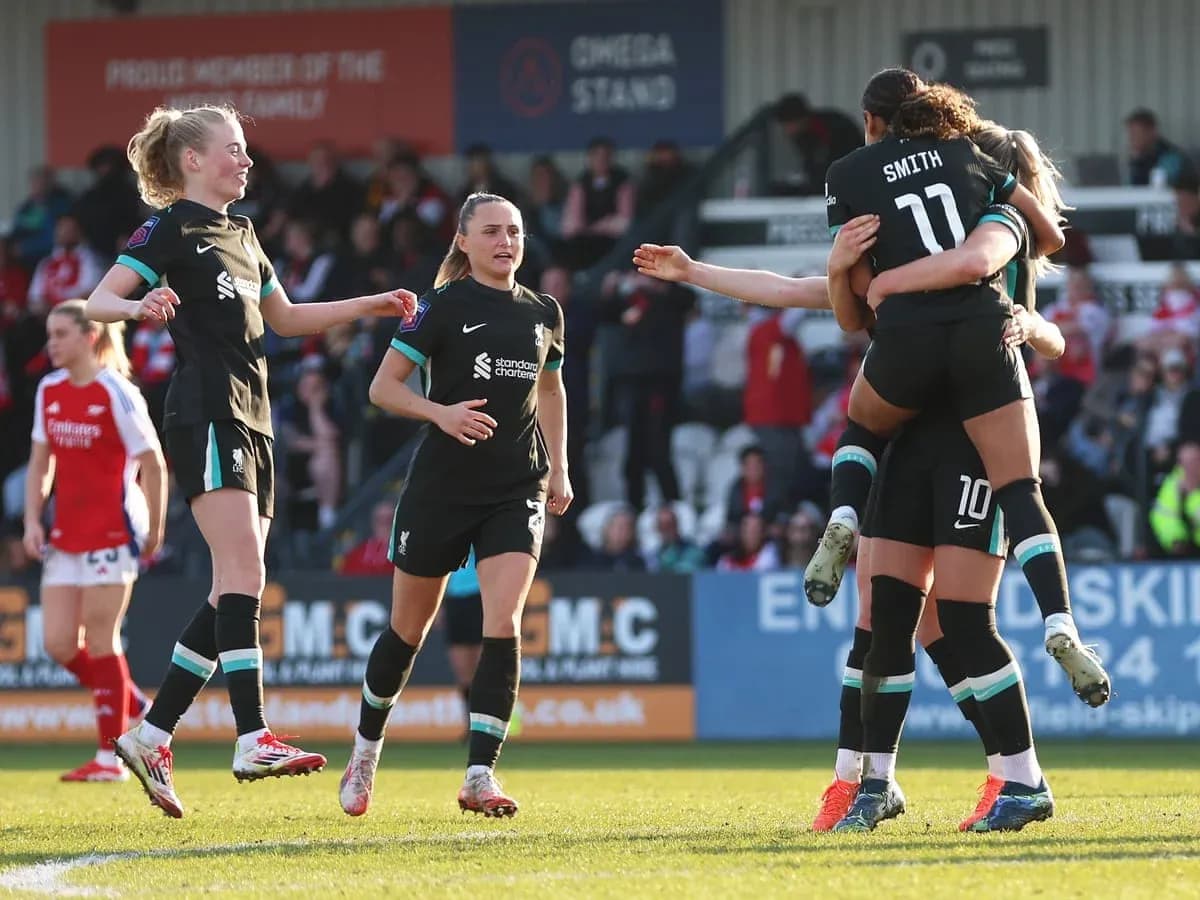
Liverpool W vs Arsenal W: FA WSL Clash at Anfield
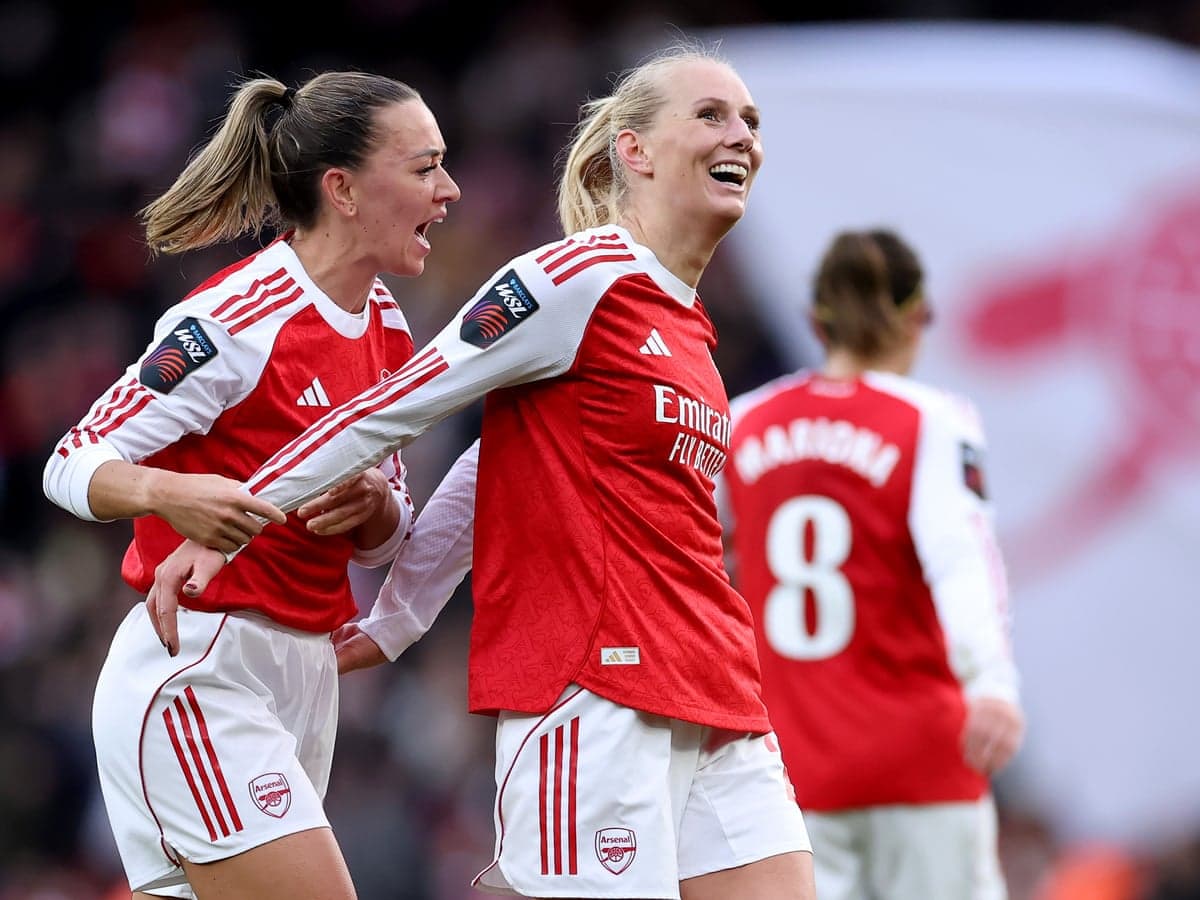
Anfield stages a classic FA WSL contrast on 16 May 2026 as struggling Liverpool W host title-chasing Arsenal W in the final stretch of the regular season. Liverpool arrive in 11th place with 17 points and a negative goal difference of -11, still looking over their shoulder, while Arsenal sit 2nd on 48 points with a formidable +37 goal differential and Champions League football already underlined in the table description.
With no cup subplots or knockout stakes here, the incentive is clear: Liverpool are fighting to finish a difficult league campaign on a positive note and steer clear of danger, while Arsenal cannot afford any slip if they want to keep pressure at the top and protect their Champions League-qualifying position.
Form and momentum
In the league, Liverpool’s season has been a grind. They have 4 wins, 5 draws and 12 defeats from 21 matches, scoring 20 and conceding 31. The table form line “LLWDW” suggests recent inconsistency: a couple of wins and a draw mixed with defeats, but their broader season form string in the stats (“LLLLLLDDLLDDWLWLWDWLL”) underlines how rarely they’ve been able to build sustained momentum.
At Anfield and their other home venues this season, Liverpool have been more competitive: 3 wins, 3 draws and 4 losses from 10 home fixtures, with 12 goals scored and 12 conceded. A perfectly balanced home goal record hints at a side that can keep things tight in front of their own fans, even if the results column is still underwhelming.
Arsenal, by contrast, are a model of consistency. In the league they have 14 wins, 6 draws and just 1 defeat from 21 matches, with 50 scored and 13 conceded. Their form line “WWDWW” in the standings and the extended sequence in the stats (“WWDDLWWDDWWDWWWWWWDW”) show a team that almost never loses and often strings together long winning runs; their biggest streak includes six consecutive victories.
Away from home, Arsenal have been nearly as dominant as at the Emirates: 6 wins, 3 draws and 1 defeat from 10 away games, scoring 22 and conceding just 7. An average of 2.2 goals for and 0.7 against per away match underlines both their attacking depth and defensive control on the road.
Tactical outlook: structure vs firepower
Liverpool’s statistical profile suggests a pragmatic, often reactive approach. Their most-used formation is 4-1-4-1 (8 matches), followed by 4-2-3-1 (4 matches), with occasional shifts to 5-4-1 and 4-3-3. That mix points to a side willing to add an extra defender or holding midfielder against stronger opponents, prioritising compactness and protection of the back line.
They average 1.2 goals for and 1.2 against at home, and have kept 3 clean sheets in 10 home games. However, they have also failed to score in 3 home fixtures and 9 overall, which hints at a recurring problem progressing the ball and creating high-quality chances against organised defences.
In that context, Liverpool’s attacking responsibility will again fall heavily on Beata Olsson and Mia Enderby. Olsson has 4 league goals and 2 assists from 15 appearances, with 6 shots on target from 11 attempts and a rating of 6.83. She is not a high-volume shooter but tends to be involved in the few big moments Liverpool do create. Enderby, with 3 goals and 2 assists across 21 appearances, brings energy from midfield, decent passing accuracy (77%) and 11 successful dribbles from 21 attempts. Her ability to carry the ball through midfield could be crucial in relieving pressure and linking counters.
Arsenal, meanwhile, have the profile of a side comfortable dominating territory and possession. Their most common shape is 4-2-3-1 (9 matches), with occasional shifts to 4-4-2, 4-3-3 and 4-1-4-1. With an average of 2.5 goals per game across all phases and 10 clean sheets in 20 league fixtures, they combine a high attacking ceiling with defensive stability.
The attacking options are deep and varied. Alessia Russo leads their scoring chart with 6 goals and 2 assists in 20 appearances, taking 32 shots with 22 on target and averaging a strong 7.45 rating. She is both a reliable finisher and a focal point who links play, as indicated by 16 key passes and solid duel numbers.
Behind and around Russo, Arsenal can call on Stina Blackstenius (5 goals, 2 assists) and Olivia Smith (4 goals, 2 assists). Blackstenius has 14 shots on target from 26 attempts in limited minutes (467), underlining her efficiency as either a starter or impact substitute. Smith, from midfield, contributes both creativity (19 key passes) and work rate (19 tackles, 51 duels won), making her a key two-way presence in Jonas Eidevall’s structure.
Chloe Kelly adds another dimension from wide areas with 4 goals and 1 assist in just 299 minutes, plus strong passing accuracy (80%) and pressing contributions (7 tackles, 5 interceptions). Her presence allows Arsenal to stretch the pitch horizontally, isolating full-backs and creating the half-spaces that Russo and Smith exploit.
Discipline, intensity and small margins
Discipline could play a role. Liverpool’s card profile shows a tendency to pick up yellows late in games: 11 yellow cards between minutes 61–75 and a notable cluster between 91–105. They have also seen 2 red cards, one in the 16–30 range and one in the 61–75 window. Against an Arsenal side that often ramps up pressure in the second half, Liverpool must manage their aggression carefully to avoid going down to 10 players.
Arsenal’s record is cleaner: no red cards and a more evenly distributed yellow count, with a slight spike in the final quarter of games (5 yellows between 76–90). That fits a team often controlling matches but still willing to commit tactical fouls to prevent transitions.
From the spot, both teams are reliable this season. Liverpool have scored 2 of 2 penalties, Arsenal 1 of 1, with no misses recorded at team level. There are no standout individual penalty specialists in the top-scorer data, but both sides can approach any spot-kick situation with confidence based on current numbers.
Head-to-head: recent history
The last five competitive meetings between these sides underline Arsenal’s general superiority, but also show Liverpool are capable of upsetting the odds:
- 06 December 2025, Emirates Stadium (FA WSL): Arsenal W 2-1 Liverpool W – Arsenal home win.
- 22 March 2025, Emirates Stadium (FA WSL): Arsenal W 4-0 Liverpool W – Arsenal home win.
- 09 March 2025, Mangata Pay UK Stadium (FA Women’s Cup quarter-finals): Arsenal W 0-1 Liverpool W – Liverpool away win in a 1/4 final.
- 15 December 2024, St Helens Stadium (FA WSL): Liverpool W 0-1 Arsenal W – Arsenal away win.
- 28 January 2024, Prenton Park (FA WSL): Liverpool W 0-2 Arsenal W – Arsenal away win.
Across these five competitive fixtures, Arsenal have 4 wins, Liverpool have 1, and there have been 0 draws. Liverpool’s 1-0 victory in the FA Women’s Cup quarter-finals in March 2025 is the standout result, showing that they can produce a disciplined, narrow win against this opponent in knockout pressure.
Key battlegrounds
- Liverpool’s defensive block vs Arsenal’s central combinations: Liverpool’s 4-1-4-1 or 4-2-3-1 must compress space between the lines to limit Russo’s touches and Smith’s creative passing lanes. If they are forced into a deeper 5-4-1, the wing-backs will be under constant stress from Kelly and the overlapping full-backs.
- Transitions and Enderby’s ball-carrying: Liverpool’s best route to goal is likely via quick transitions when Arsenal’s full-backs are high. Enderby’s dribbling and Olsson’s movement into channels will be vital to turning rare turnovers into genuine chances.
- Set pieces and physical duels: With Arsenal superior in open play metrics, Liverpool may lean heavily on corners and free-kicks. Arsenal’s defensive record (only 13 conceded in 21 league games) suggests they are generally solid on first contacts, so Liverpool must be precise with delivery.
The verdict
All available data points towards Arsenal W as clear favourites. They are 2nd in the league, have lost only once in 21 matches, score more than twice as many goals per game as Liverpool, and boast a far stronger defensive record. Their away form is excellent, and they hold a 4–1–0 edge in the last five competitive head-to-heads.
Liverpool’s home resilience and that memorable 1-0 cup win in March 2025 prevent this from being a foregone conclusion. At Anfield, with a compact shape and disciplined performance, they can make life uncomfortable for Arsenal and keep the scoreline tight.
However, over 90 minutes, Arsenal’s depth in attack – led by Russo, supported by Blackstenius, Smith and Kelly – and their structural stability without the ball make them strong candidates to take all three points. Liverpool will likely need near-perfect execution, especially defensively, to repeat their cup upset; anything less, and Arsenal’s title-chasing machine should have enough to edge another important league victory.
Related News
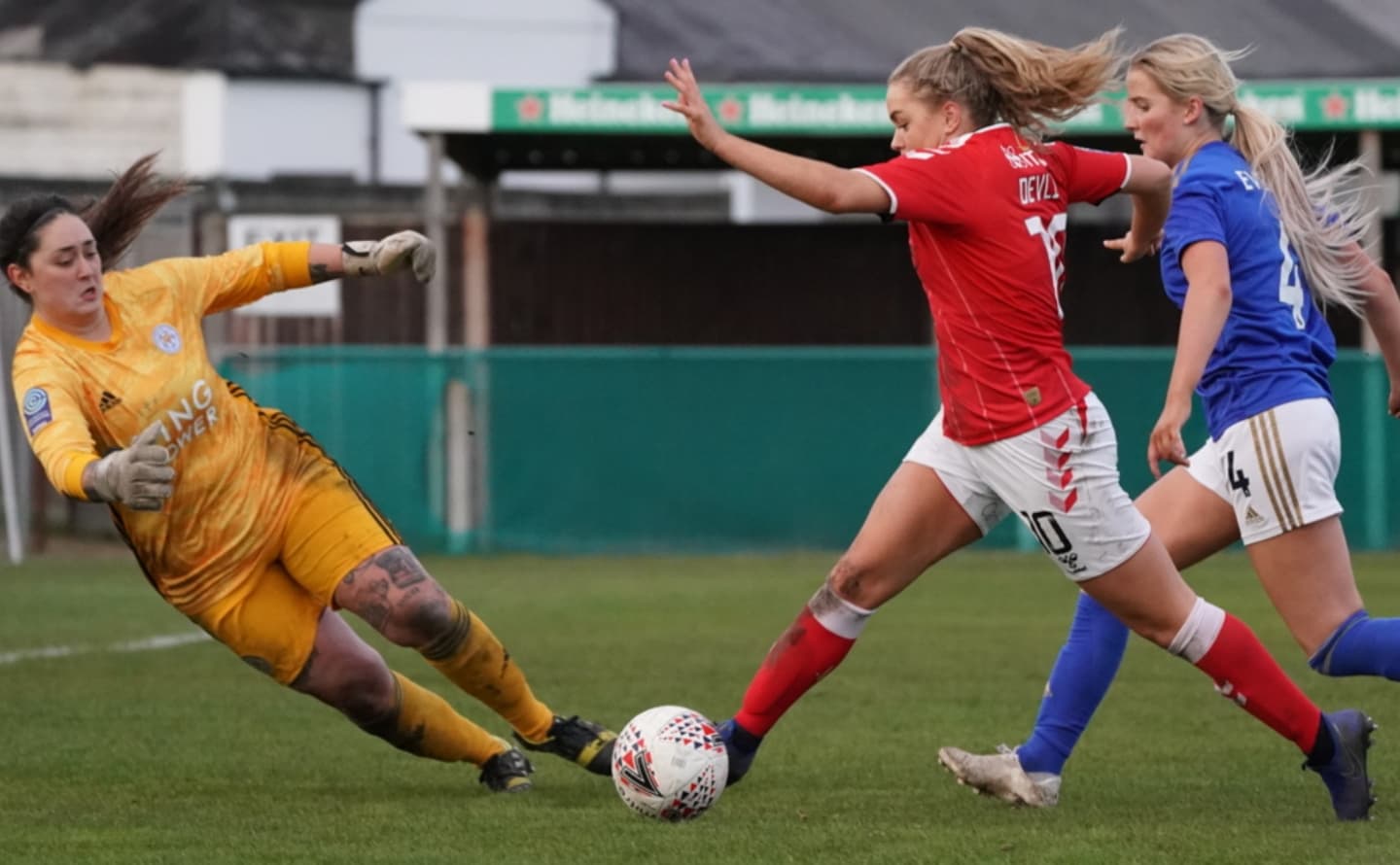
Charlton Athletic W vs Leicester City WFC: FA WSL Final Preview
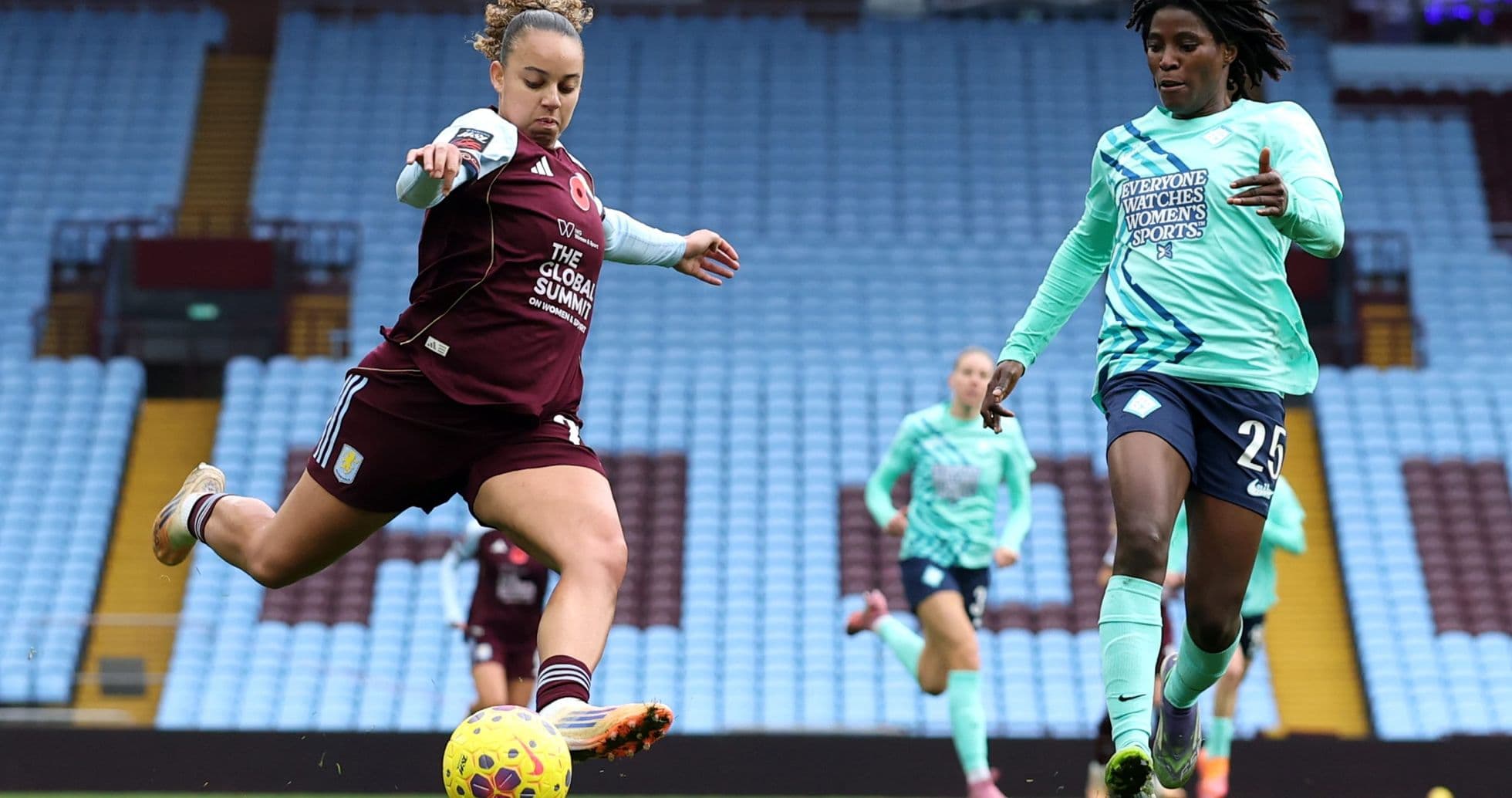
London City Lionesses Secure Comeback Victory Over Aston Villa W

Chelsea W vs Manchester United W: A Tactical Analysis of the FA WSL Clash
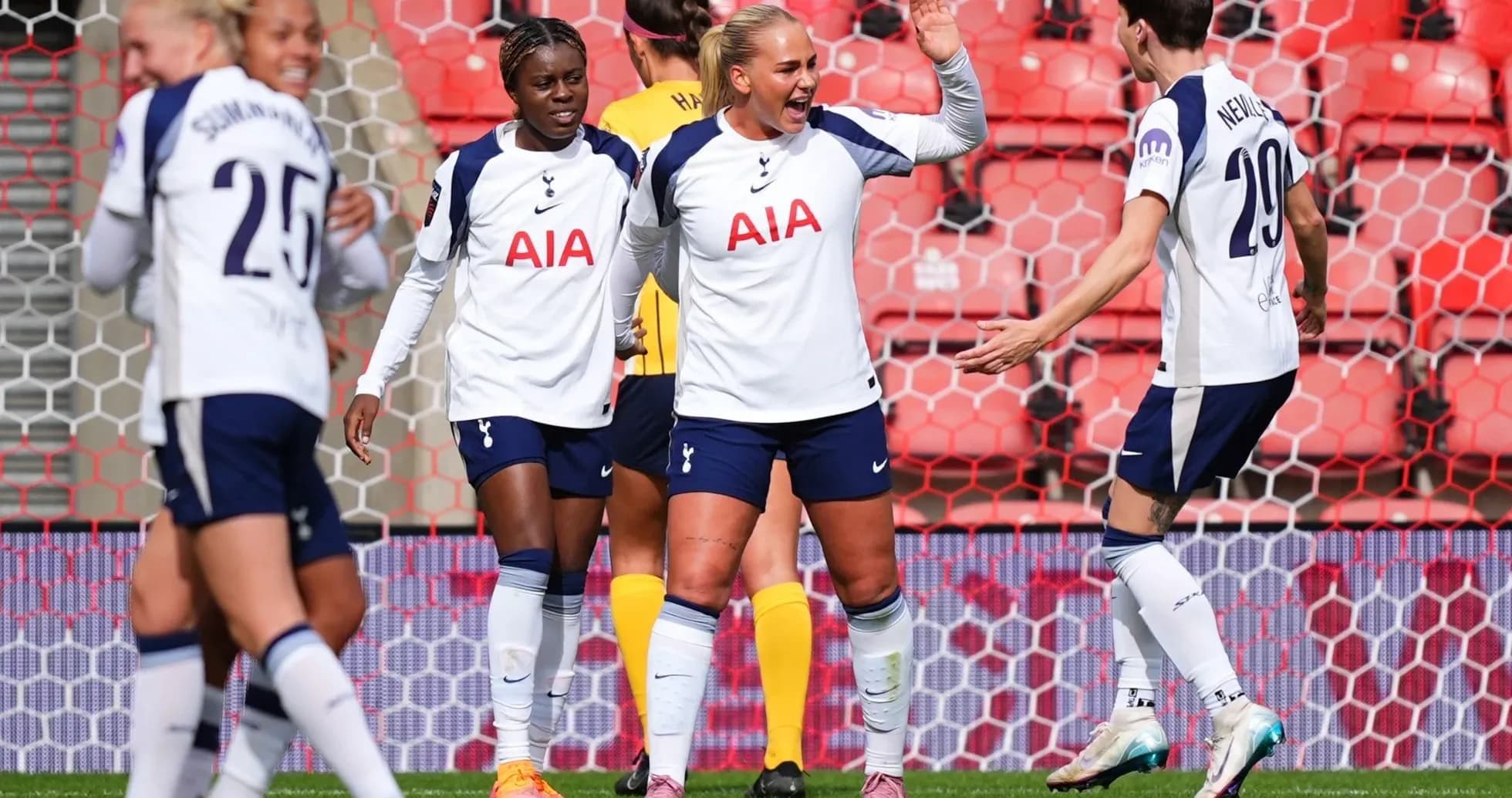
Tottenham Hotspur W Claims Victory Over Brighton W in FA WSL Clash
Liverpool W vs Arsenal W: A Tale of Two Teams in FA WSL

Manchester City Dominates West Ham in 2025 FA WSL Clash