
Liverpool W vs Arsenal W: A Tale of Two Teams in FA WSL
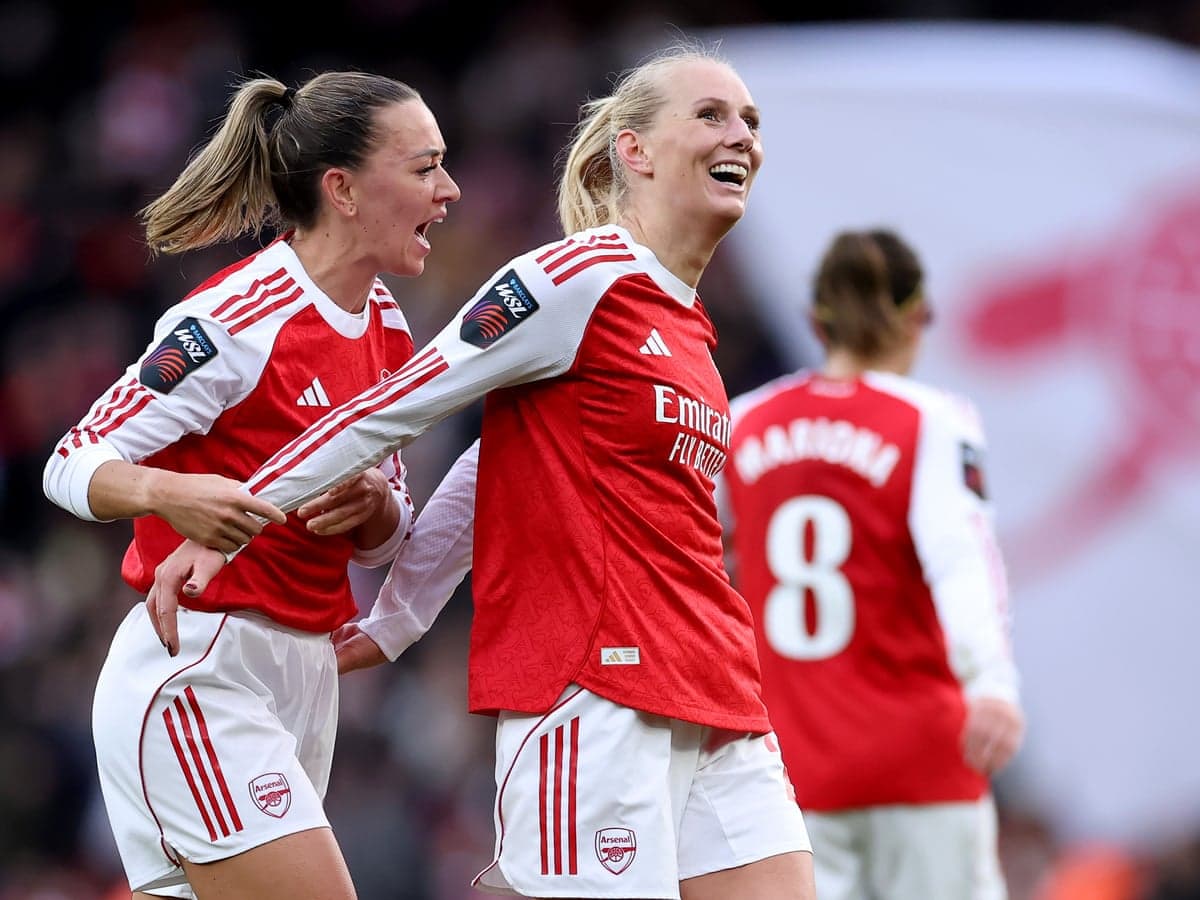
Anfield closed its FA WSL season under a slate-grey sky and a familiar storyline. Liverpool W, 11th in the table with 17 points and a goal difference of -13 following this result, fell 3-1 to a ruthless Arsenal W side whose 51-point campaign and towering +39 goal difference underline the gulf between survival and title contention. The scoreline mirrors the broader seasonal DNA: Liverpool honest but outgunned, Arsenal composed, relentless and structurally superior.
The pattern of the match was set early. Arsenal arrived with the confidence of a team that, overall this campaign, has scored 53 goals at an average of 2.4 per game and conceded only 14 at 0.6 per match. Liverpool, by contrast, came in with 21 goals for (1.0 on average overall) and 34 against (1.5 overall), and those numbers played out almost to type: Arsenal three goals to the good by half-time, Liverpool finding only a late consolation.
Lineups
The lineups told their own stories. For Liverpool, J. Falk anchored things from the back, shielded by a defensive core featuring G. Fisk and A. Bergstrom, with J. Clark and A. Bernabe offering width and progression. In front of them, K. MacLean and F. Nagano were tasked with knitting transitions, while M. Enderby and D. O'Sullivan provided the running and pressing between lines. Up top, A. Josendal and B. Olsson were the twin threats, with Olsson in particular carrying the burden of end product; in total this campaign she has scored 4 league goals and supplied 2 assists, a bright spark in a struggling attack.
Arsenal’s XI, though, looked every inch a Champions League side. D. van Domselaar brought assurance in goal, protected by E. Fox, C. Wubben-Moy, L. Codina and K. McCabe – a back line that has underpinned 11 clean sheets overall. Ahead of them, M. Caldentey and V. Pelova formed a technically rich midfield axis, with B. Mead and C. Foord stretching the pitch from wide areas. Crucially, the front line of S. Blackstenius and A. Russo combined a poacher’s instinct with a complete centre-forward’s toolkit; Russo’s 6 goals and 2 assists, plus 32 shots with 22 on target, mark her out as one of the league’s most efficient attackers.
Tactical Analysis
Tactically, Liverpool’s void lay not in effort but in structural fragility. Across the season they have conceded 15 goals at home at an average of 1.4 per game at Anfield, and that vulnerability resurfaced once Arsenal began to rotate the ball into the half-spaces. With no firm data on minute-by-minute goal timings, the shape of the contest still felt familiar: Liverpool’s block dropping deeper as the first half wore on, Arsenal’s midfield three stepping higher, Russo and Blackstenius pinning Fisk and Bergstrom back and creating pockets for late runners like Pelova.
Fisk, one of Liverpool’s more reliable defenders this season, has produced 15 tackles, 9 successful blocks and 15 interceptions overall, but the volume of work demanded against this Arsenal side was simply too great. When Liverpool did break, it was often through Enderby’s energy and Olsson’s movement. Enderby’s 21 appearances and 3 goals from midfield, with 11 successful dribbles and 88 duels contested, speak to her willingness to drive the team upfield; yet Liverpool’s overall attacking average of 1.2 goals at home and 0.7 on their travels reveals how rarely those surges are converted into a consistent threat.
Arsenal, by contrast, managed the game with the calm of a side that knows its defensive platform. On their travels they have scored 25 goals at 2.3 per game and conceded only 8 at 0.7, and that away resilience was visible in how Wubben-Moy and Codina controlled Liverpool’s sporadic counters. Even when Liverpool pushed bodies forward after the break, Arsenal’s compactness between the lines and van Domselaar’s command of her area ensured the game never truly felt in jeopardy.
Discipline
Discipline added another layer of contrast. Liverpool’s season-long yellow card profile shows a pronounced spike between 61-75 minutes, where 35.48% of their bookings arrive, and a further 25.81% in the 91-105 window. That late-game indiscipline mirrors the psychological strain of chasing games. Their red card history is also telling: one dismissal in the 16-30 minute range and another between 61-75, with G. Bonner’s season including a straight red despite otherwise solid defensive numbers and 3 successful blocks. Arsenal, by comparison, have spread their cautions more evenly, with 25.00% of yellows coming between 76-90 minutes but no reds at all. Even their more combative forward option, C. Kelly – 4 goals, 1 assist, 4 yellow cards – walked the disciplinary line without crossing it.
Matchup Analysis
In the “Hunter vs Shield” matchup, Russo and Blackstenius were always likely to expose Liverpool’s defensive record. Overall, Liverpool concede 1.5 goals per match; Arsenal’s twin strikers alone have combined for 11 league goals and 4 assists, supported by creators like O. Smith and S. Holmberg from deeper positions. Smith’s 4 goals, 2 assists and 19 key passes underline how many different lanes Arsenal can attack from. Liverpool’s own “Hunter”, Olsson, faced a “Shield” that has allowed only 8 away goals all season; the odds were never in her favour.
In the “Engine Room”, Nagano and MacLean were asked to contain Caldentey and Pelova while still progressing the ball. But Arsenal’s midfielders, backed by the security of a defence that concedes just 0.5 goals at home and 0.7 away, could take more risks in possession. Liverpool, whose season has included 9 matches where they failed to score, were far more cautious – and once they trailed 3-0 by half-time, that caution turned to damage limitation.
From an analytical standpoint, the expected goals balance – even without explicit xG numbers – leans heavily towards Arsenal. Their shot volume, chance quality and season-long scoring rate suggest they would generate the better opportunities, while Liverpool’s overall average of 1.0 goals for and 1.5 against frames their 3-1 defeat as a continuation rather than an anomaly.
Following this result, the tactical verdict is clear. Liverpool’s survival has been built on grit and isolated attacking flashes from players like Olsson and Enderby, but their structure, discipline and attacking volume remain a tier below the league’s elite. Arsenal, meanwhile, look every inch a Champions League side: multi-layered in attack, miserly at the back, and mentally ruthless enough to kill games early. On this evidence, the gap between 2nd and 11th is not just numerical; it is systemic.
Related News
Charlton Athletic W vs Leicester City WFC: FA WSL Final Preview

London City Lionesses Secure Comeback Victory Over Aston Villa W

Chelsea W vs Manchester United W: A Tactical Analysis of the FA WSL Clash
Tottenham Hotspur W Claims Victory Over Brighton W in FA WSL Clash
Liverpool W vs Arsenal W: A Tale of Two Teams in FA WSL

Manchester City Dominates West Ham in 2025 FA WSL Clash