
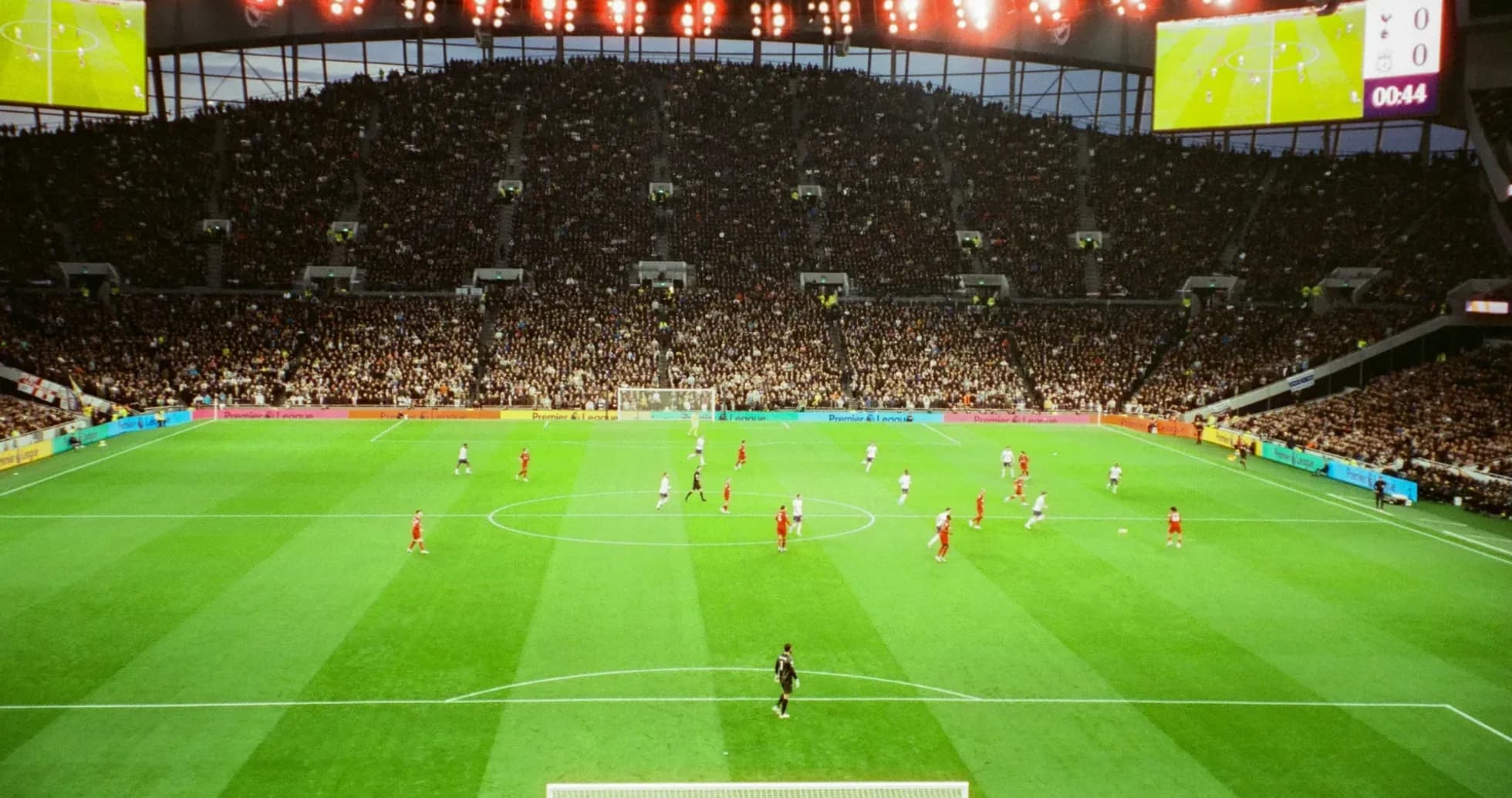
Kauno Žalgiris vs Dinamo Zagreb Tactical Analysis: UEFA Champions League
Kauno Žalgiris’ 4-1-4-1 at Steponas Darius and Stasys Girenas was built to control territory and rhythm, and the numbers show it largely worked: 61% possession, 8 corners to 1, and a 7–5 advantage in shots on goal. Yet Dinamo Zagreb’s 4-3-3, even after going down to ten men, proved far more efficient and structurally resilient, converting two of their five efforts on target and then surviving long spells of pressure to close out a 2-1 away win in the UEFA Champions League 3rd Qualifying Round.
Eivinas Cerniauskas set Kauno Žalgiris up with a clear single-pivot build-up. F. Baldassarra sat as the lone holding midfielder in front of a back four of J. Moutachy, A. Tolordava, R. Lekiatas and M. Konatar, with V. Slivka and L. Krekovic as advanced interiors and Renan Oliveira as the reference point up front. In possession, this morphed into a 2-3-4-1: full-backs pushed high to pin Dinamo’s wingers, Baldassarra dropped between or alongside the centre-backs, and the two “wide” forwards, M. Burba and A. Benchaib, frequently tucked inside to overload the half-spaces.
The early phase, however, exposed the structural risk of that approach. With so many numbers committed ahead of the ball, any turnover left the back line exposed against Dinamo’s direct 4-3-3. Mario Kovacevic’s side used J. Misic and L. Kacavenda as vertical launch points from midfield, looking early for D. Beljo’s runs between centre-back and full-back. The first yellow cards for Kauno Žalgiris – Anton Tolordava (Foul at 10') and Joris Moutachy (Foul at 11') – reflected defenders being forced into emergency interventions as Dinamo broke through the first press.
Goals
Dinamo’s opener on 19' encapsulated their plan: win the ball, play quickly into Beljo, and use his ability to link and release runners. L. Kacavenda’s goal, assisted by D. Beljo, came from exploiting the space behind an advanced Kauno midfield. The second on 30', a strike from J. Misic, underlined Dinamo’s threat from the second line; their midfield three were better at arriving onto loose balls around the box than Kauno’s single pivot could cope with in transition.
The match’s tactical hinge arrived at 32', when Ivan Filipović (Dinamo Zagreb) was sent off for Foul. Reduced to ten men and forced to reorganise, Dinamo immediately adjusted their structure. At 34', I. Nevistic (IN) came on for M. Lisica (OUT), with the substitute goalkeeper enabling Dinamo to retain a recognisable back four while sacrificing a midfielder. From that moment, Dinamo’s 4-3-3 became a compact 4-4-1 without the ball, with one forward left high and the wide midfielders dropping alongside Misic and Kacavenda to form two narrow banks of four.
Kauno Žalgiris’ response was to double down on attacking presence. At 46', G. Debeljuh (IN) replaced Renan Oliveira (OUT), giving them a more penalty-box oriented striker to attack crosses. Simultaneously, Dinamo freshened their defensive block: B. Goda (IN) for M. Perez Vinlof (OUT) and G. Vidovic (IN) for L. Stojkovic (OUT), both at 46', were clearly aimed at maintaining energy and defensive concentration in the wide areas where Kauno were now focusing their attacks.
The statistical pattern from that point is clear. Kauno’s 61% possession and 8 corners came largely after the red card, as they camped in Dinamo’s half. Their 7 shots on goal, matched by Dinamo’s 4 blocked shots, show a side that managed to work shooting positions but often into crowded central zones. The 14 fouls committed by Kauno, compared to Dinamo’s 8, tell of an increasingly aggressive counter-press as they tried to keep Dinamo pinned in.
The key attacking adjustment came on 56', when G. Debeljuh scored to make it 1-2. His presence as a classic number nine gave Kauno a more direct focal point, allowing wide players and advanced midfielders to attack second balls around him. Immediately afterwards, Cerniauskas layered on more creativity: at 57', Leo Ribeiro (IN) came on for L. Krekovic (OUT) and I. Fiolic (IN) for M. Burba (OUT), adding fresh legs and technical quality between the lines. Later, at 66', A. Kalik (IN) replaced F. Baldassarra (OUT), effectively sacrificing some defensive cover for another ball-playing midfielder, and at 79', F. Ourega (IN) came on for A. Benchaib (OUT) to maintain intensity in the final third.
Dinamo’s substitutions were the mirror image: all about defensive consolidation and game management. At 61', F. Topic (IN) replaced D. Beljo (OUT), removing their main outlet but adding a fresher runner to help stretch occasional counters and press the ball. At 72', N. Galesic (IN) came on for L. Kacavenda (OUT), shoring up the midfield line as legs tired. These changes, combined with their disciplined shape, allowed Dinamo to absorb waves of pressure despite facing more shots and corners.
Discipline-wise, Kauno Žalgiris finished with two yellow cards (Tolordava and Moutachy, both for Foul), while Dinamo Zagreb collected one yellow – Dion Drena Beljo (Foul at 54') – plus the crucial red for Filipović. The card profile aligns with the tactical story: Kauno fouling high and often to sustain pressure, Dinamo fouling selectively but suffering a single, game-shaping dismissal.
Without goalkeeper save data or xG values, the clearest quantitative verdict comes from the shot and possession split. Kauno Žalgiris generated more volume and territory but were forced to attack into a set, numerically inferior yet well-organised 4-4-1 block. Dinamo Zagreb, by contrast, maximised the early open-structure phase to build a 2-0 lead and then, even a man down, managed the game with compact lines, low foul count, and selective counter-attacks. Tactically, the match was defined less by sustained chance creation and more by Dinamo’s ruthless use of transition before the red card and their disciplined defensive management afterwards, against a Kauno side that could not quite convert territorial dominance into an equaliser.
Related News
Lamine Yamal Shares What Barcelona Must Do to Triumph in the Champions League
Luis Díaz Confident Bayern Munich Can Win Champions League
Insights from AFC Champions League Matchday One: K League Clubs’ Strategies
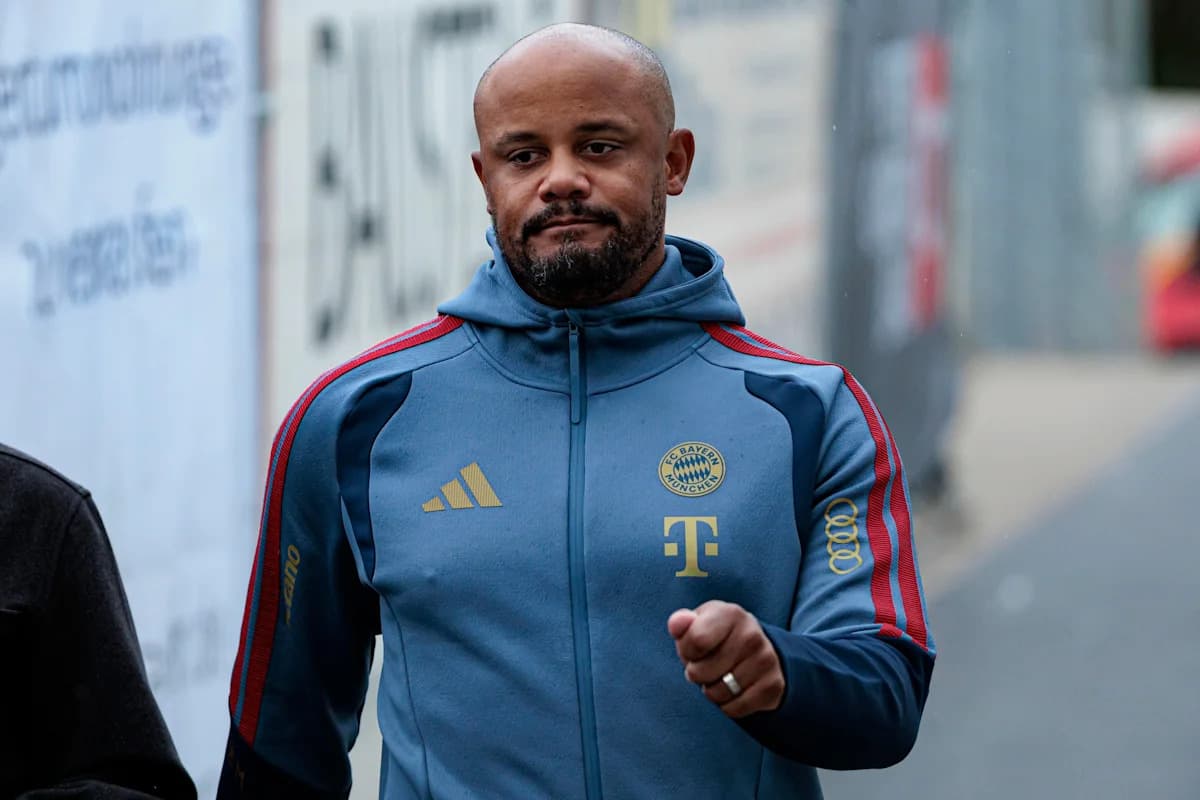
Vincent Kompany's Bayern Munich Future Not Tied Solely to Champions League Outcome
Barcelona's Camp Nou Chosen for 2029 Champions League Final, Munich Set for 2028
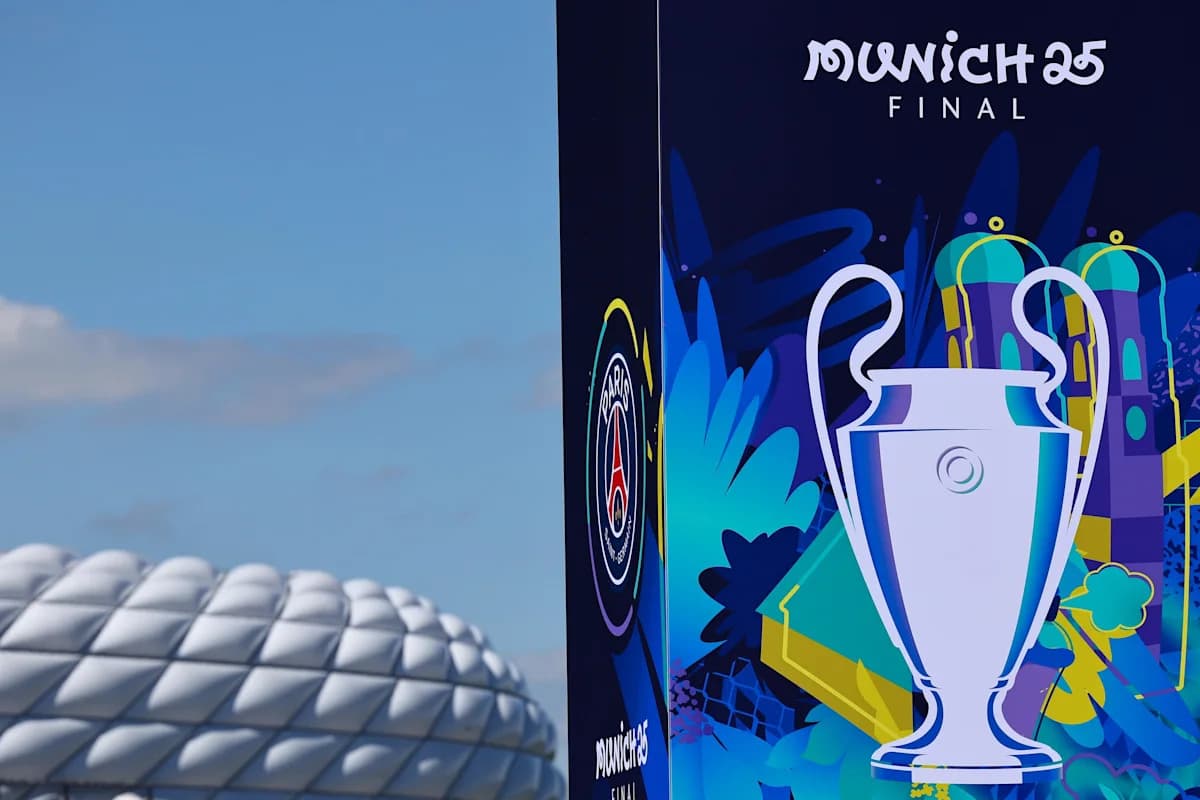
Allianz Arena to Host 2028 UEFA Champions League Final