
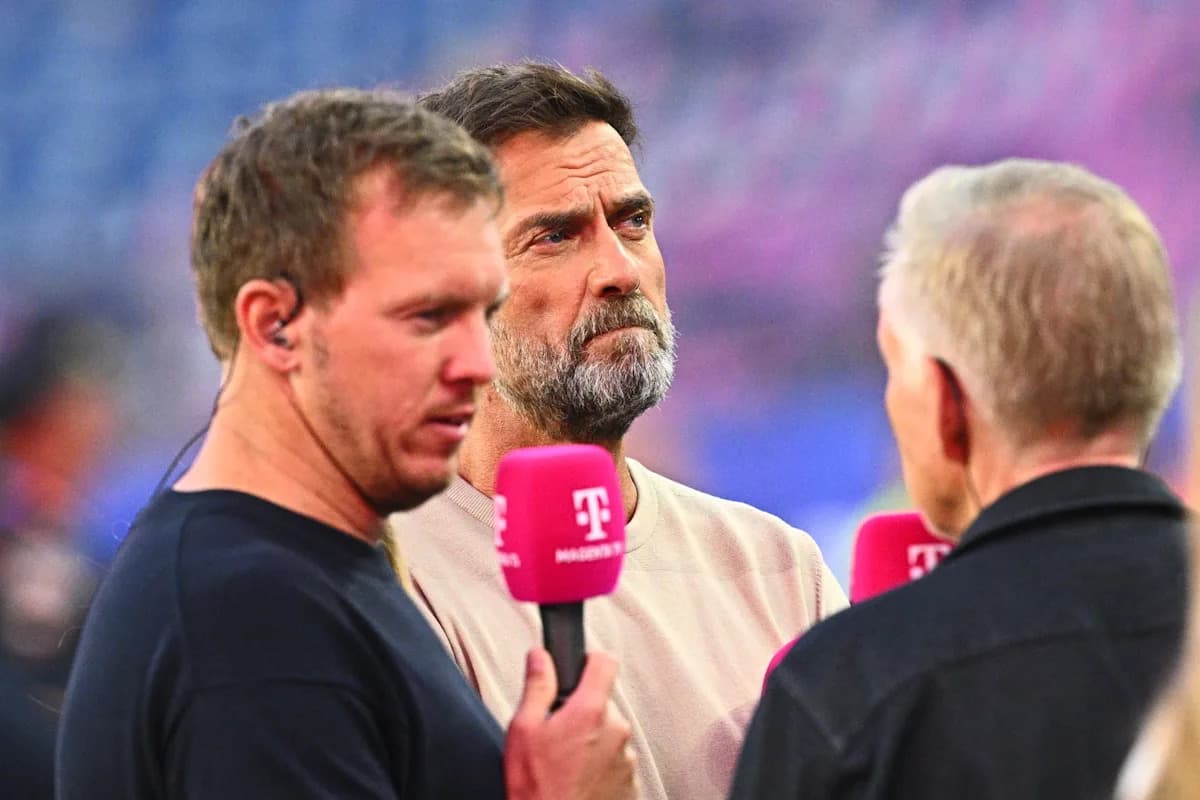
Why Jürgen Klopp Could Revive Germany’s World Cup Hopes After 2026 Disappointment
After a promising run at EURO 2024 on home ground, where Germany just missed the semifinals due to a controversial non-call, the national team’s journey at the 2026 World Cup ended abruptly. Following poor showings in the 2018 and 2022 tournaments, hopes were cautiously renewed under Julian Nagelsmann’s leadership. Yet, the team again fell short on football’s biggest stage, leading to Nagelsmann stepping aside.
A New Era with Jürgen Klopp
The German Football Association (DFB) is poised to hand over the reins to Jürgen Klopp, marking a significant shift. Klopp, known for his trophy-laden club career, is set to replace Nagelsmann after finalizing his departure from Red Bull GmbH. His appointment has stirred excitement among fans eager to see him restore Germany’s standing.
Klopp’s Track Record Speaks Volumes
Klopp’s credentials are impressive: promotion to Bundesliga with Mainz, Bundesliga titles and DFB-Pokal wins with Borussia Dortmund, and a haul of domestic and international trophies with Liverpool, including ending their 30-year league title drought in 2019/20. His success overshadows Nagelsmann’s achievements, underscoring why he’s viewed as the ideal candidate for the national job.
Experience on the world stage counts heavily in international football, and Klopp’s extensive background gives him an edge. Unlike many managers who jump straight into national roles, Klopp brings a wealth of club-level triumphs and heartbreaks, ready to translate that knowledge into leading Germany forward.
Strong Connections with the DFB
Familiarity breeds trust, and Klopp already shares solid relationships with key figures within the DFB, including Bernd Neuendorf, Hans-Joachim Watzke, and Rudi Völler. These ties may not be overt but create a supportive environment crucial during high-pressure moments. His plan to bring assistants Peter Krawietz and Zsolt Löw ensures continuity and cohesion in his coaching team.
Full Authority to Rebuild
Reports suggest Klopp will have broad powers to reshape the squad and overhaul youth development, aiming for a revival akin to the early 2000s' "Das Reboot" era. This level of control is rare and reflects the DFB’s confidence in Klopp’s vision. His signature "heavy metal" football promises risk but also the potential for great rewards.
At Mainz, Dortmund, and Liverpool, Klopp worked with varying degrees of authority yet left lasting legacies. Now, with more freedom, his influence could shape every aspect of Germany’s national setup—from player selection to tactical strategy and youth integration.
Balancing Youth and Experience
Klopp’s ability to manage different player profiles stands out. He nurtured young talents like Robert Lewandowski and Trent Alexander-Arnold while maximizing veterans such as James Milner and Jordan Henderson. Germany’s ongoing debate about squad balance might find resolution under his guidance.
Whether he pushes for newcomers like Said El Mala or recalls experienced players like Robert Andrich, Klopp’s track record suggests he will strike the right balance. Germany’s mix of seasoned Bundesliga and Champions League winners combined with emerging stars offers plenty of options.
Looking Ahead to 2028 and 2030
Germany’s consecutive World Cup disappointments cannot continue. With Klopp at the helm, there is hope for a return to the top. His blend of experience, relationships, and granted authority could fuel strong performances at EURO 2028 and the 2030 World Cup, putting Germany back where they belong.
Related News
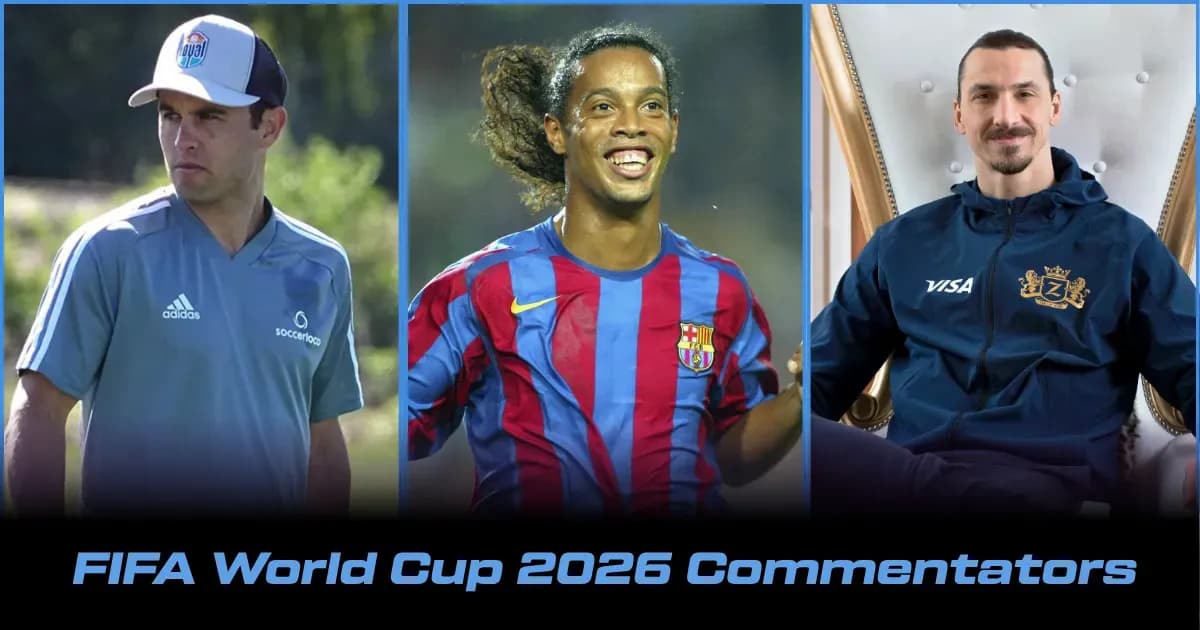
FIFA World Cup 2026 Commentary Team: Complete List of Presenters and Analysts
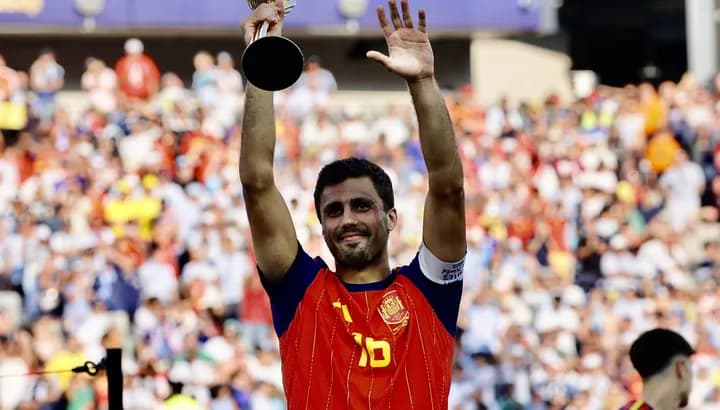
World Cup 2026 Best XI: Messi, Rodri, Mbappe Lead the Lineup
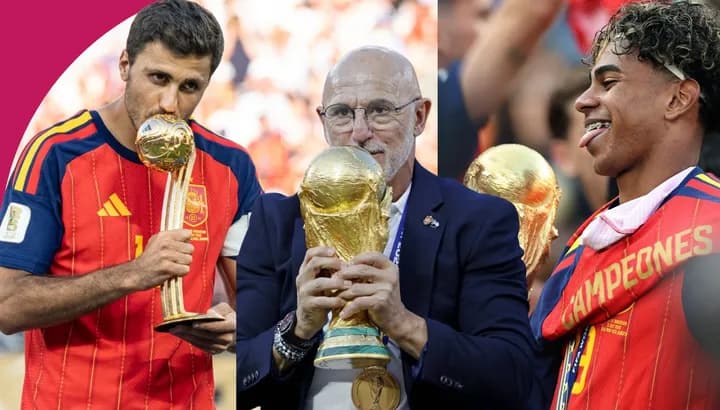
Spain’s Tactical Mastery Behind Their Second World Cup Triumph
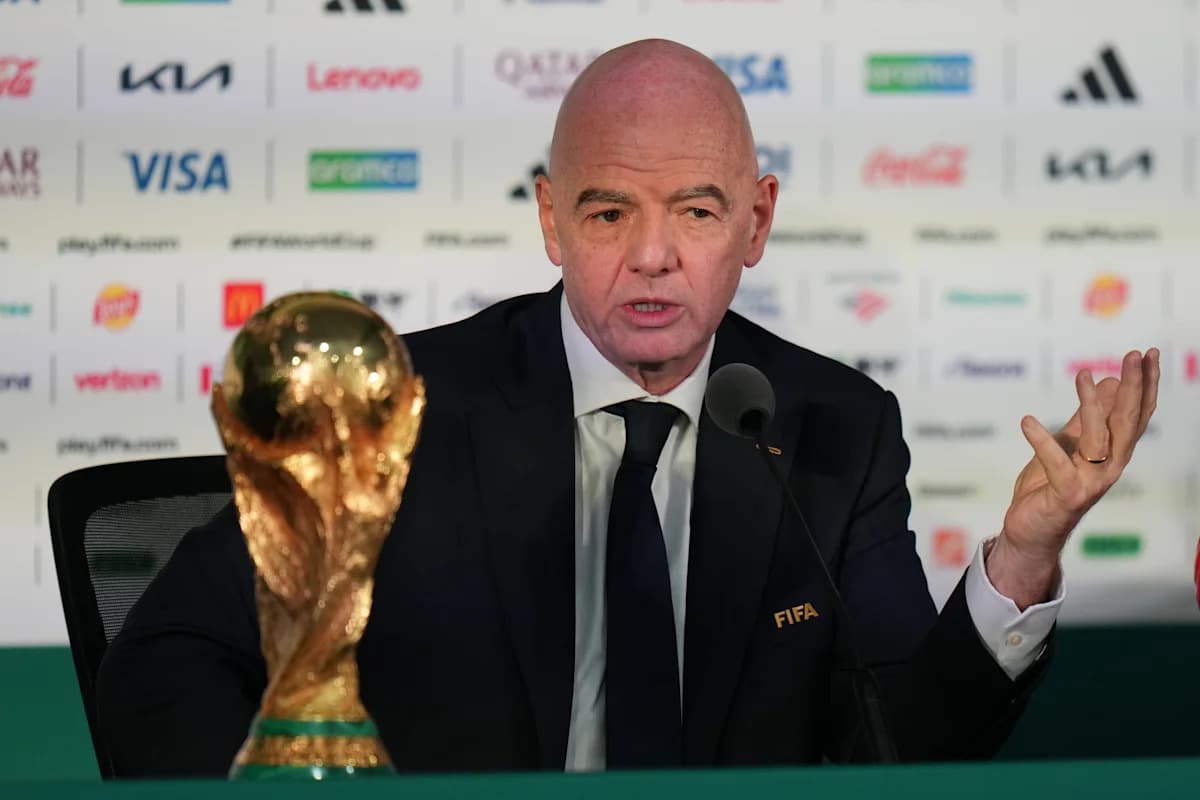
Gianni Infantino Criticizes World Cup 2026 Detractors Amid Event's Success
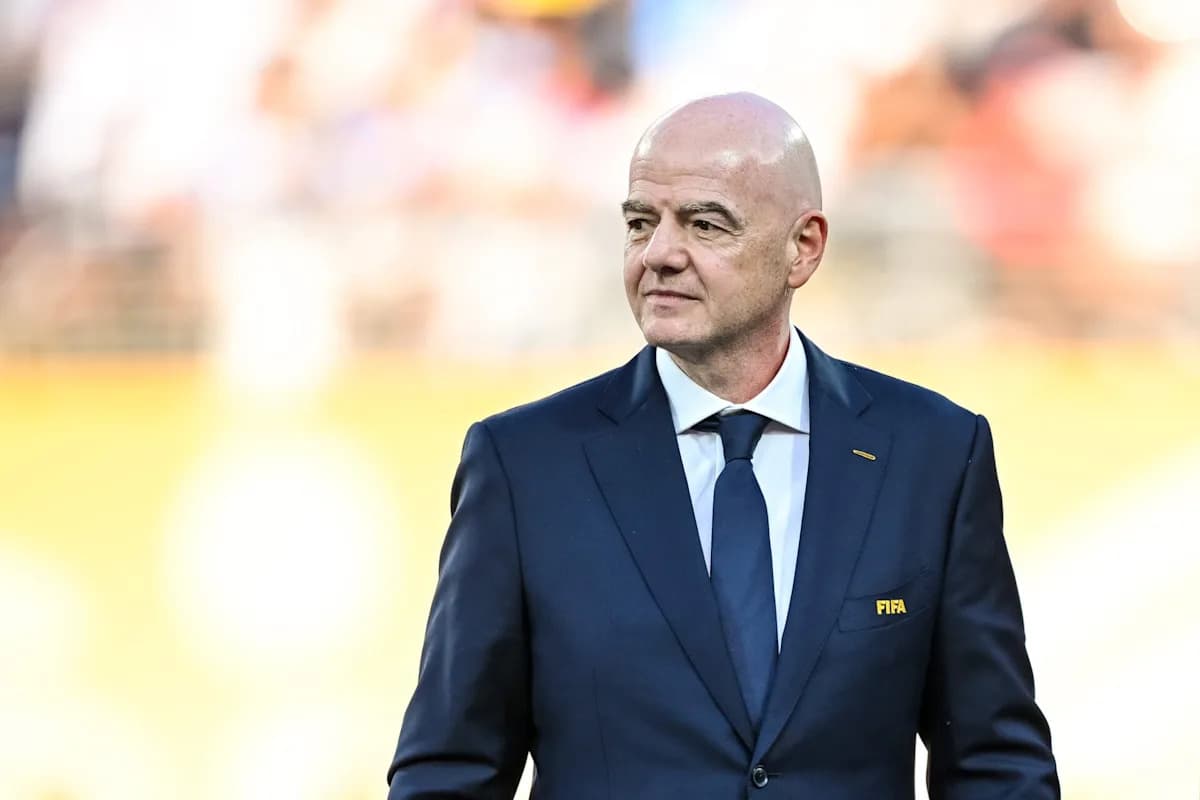
FIFA President Gianni Infantino Responds Strongly to 2026 World Cup Critics
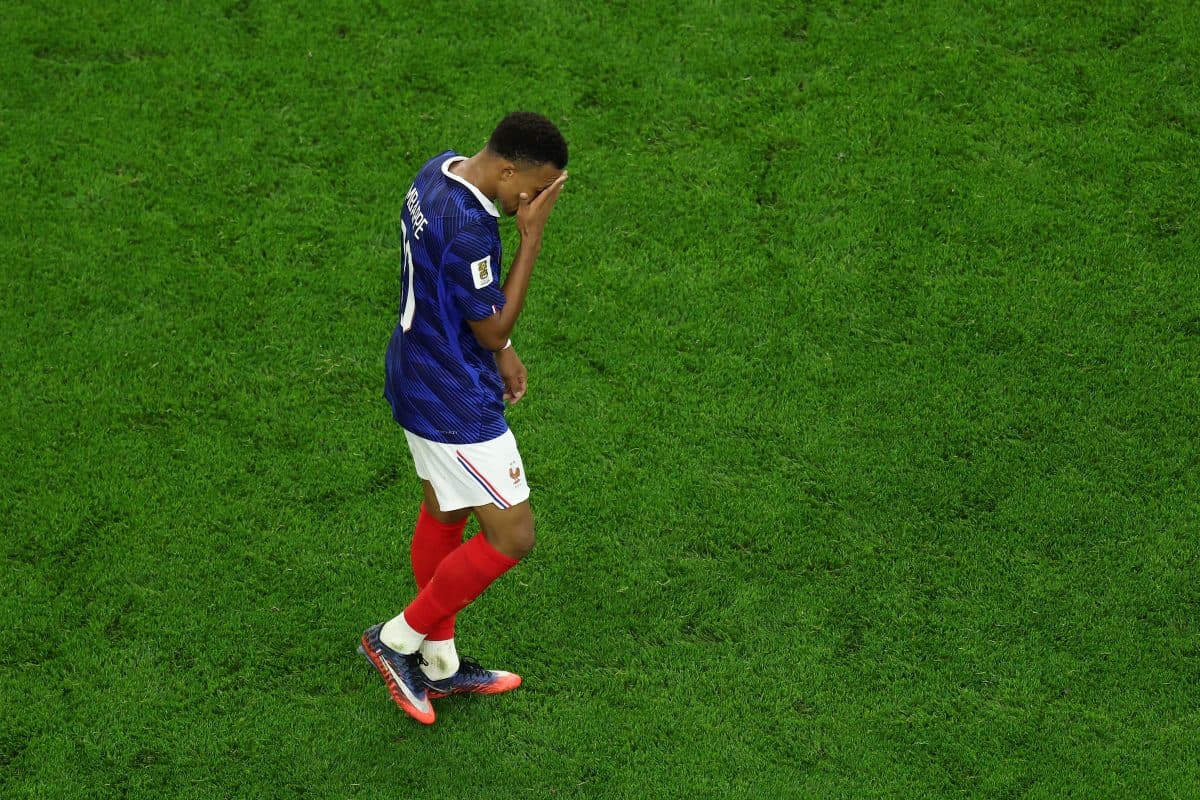
Kylian Mbappé Pens Open Letter to France Fans After 2026 World Cup