
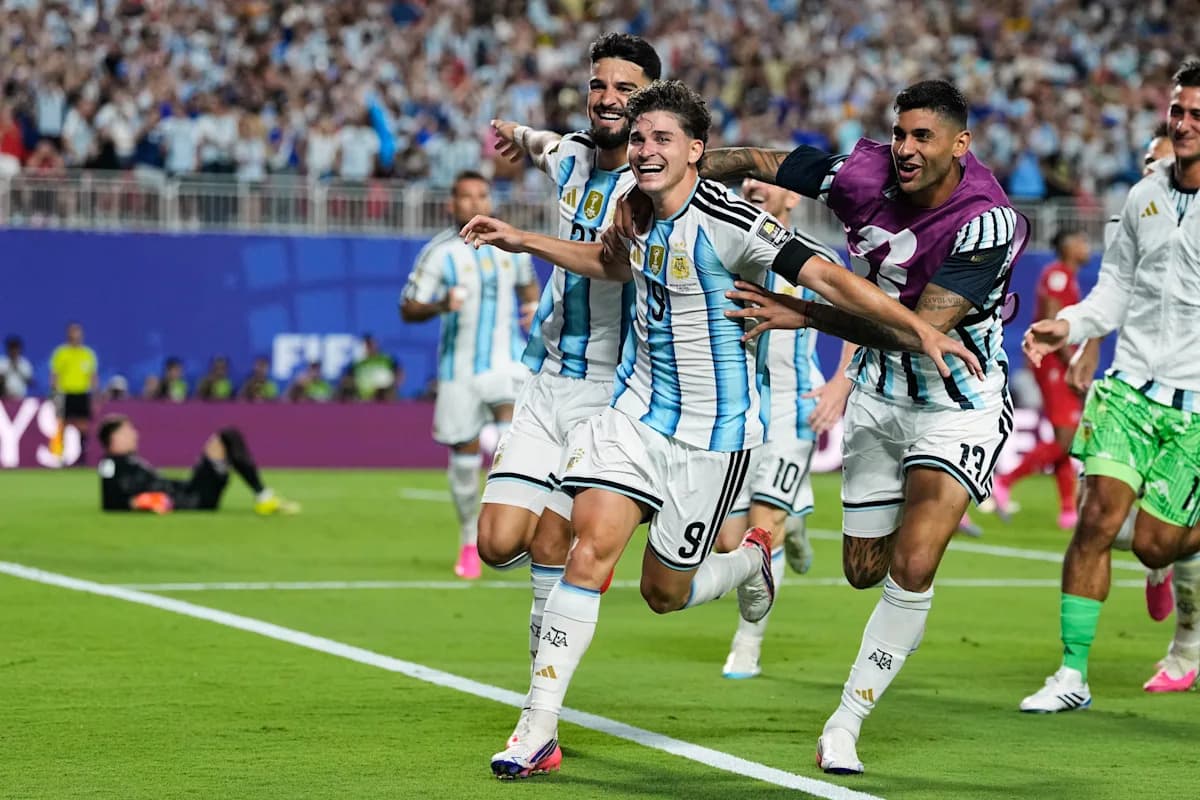
Julián Álvarez's Extra-Time Strike Sends Argentina Past Switzerland in World Cup Quarterfinal
Argentina once again found themselves needing extra time to secure a win. Julián Álvarez delivered with a spectacular strike from outside the box in the 112th minute, leading Argentina to a 3-1 victory over a ten-man Switzerland in the World Cup quarterfinals. This marked the second extra-time win for Argentina in three knockout matches, and they now advance to face England in the semifinals on Wednesday.
The goal came after Argentina had spent over 20 minutes of the second half plus all of extra time with a numerical advantage. Switzerland’s Breel Embolo received a red card for simulation, leaving his team to defend deep and absorb pressure. Despite this, Switzerland’s defense stood firm, repeatedly blocking Argentina’s attempts to penetrate the penalty area.
Álvarez’s shot took goalkeeper Gregor Kobel by surprise, finding the far post with precision. Few expected a long-range effort from that position, making it all the more impressive.
Switzerland Pushes Forward but Pays the Price
Once Álvarez scored, Switzerland had no choice but to push forward in search of an equalizer, abandoning their defensive stance. This left them vulnerable on the counterattack. Lautaro Martínez capitalized late in stoppage time, sealing Argentina’s win with a goal in the 121st minute. The celebration showed the relief felt by the Argentine squad, including Lionel Messi.
Controversy Over Embolo's Red Card
Breel Embolo’s dismissal was a turning point. He appeared to fall after minimal contact from Argentina’s Leandro Paredes near the sideline. The referee, João Pinheiro, quickly issued Paredes a yellow card, likely influenced by an earlier booking of Embolo for a rough challenge on Paredes.
This early yellow card allowed VAR to review the incident, confirming Embolo had simulated a foul. After watching the replay, Pinheiro gave Embolo a second yellow, resulting in a red card and reducing Switzerland to ten players.
This mirrored an incident from the United States’ opening game, where VAR intervened after an initial yellow card, leading to a diving caution for Miguel Almirón.
The initial caution against Paredes triggered the VAR review that changed the course of the match. Without that first card, the dive might have gone unnoticed, and the game would have proceeded differently.
Momentum Shifts Following the Red Card
Before Embolo’s sending off, Switzerland had drawn level through Dan Ndoye’s header five minutes prior. Their offense gained strength after halftime, applying steady pressure on Argentina’s defense, which struggled to maintain its earlier dominance.
Argentina’s Late Drama Continues
Argentina has shown a pattern of needing late goals to win in this tournament. Earlier matches, including a comeback versus Egypt and a tight contest against Cape Verde, required extra-time heroics. This game followed the same script despite Argentina looking comfortable early on.
Alexis Mac Allister put Argentina ahead with a headed goal off a Messi corner just ten minutes in, and Switzerland seemed unlikely to threaten during the first half.
Still, Argentina could not hold the lead easily. Missing key attacker Johan Manzambi due to injury, Switzerland fought back strongly. Messi struggled to break down their defense, and it took Álvarez, playing only his third start of the tournament, to provide the decisive moment.
Related News

FIFA World Cup 2026 Commentary Team: Complete List of Presenters and Analysts
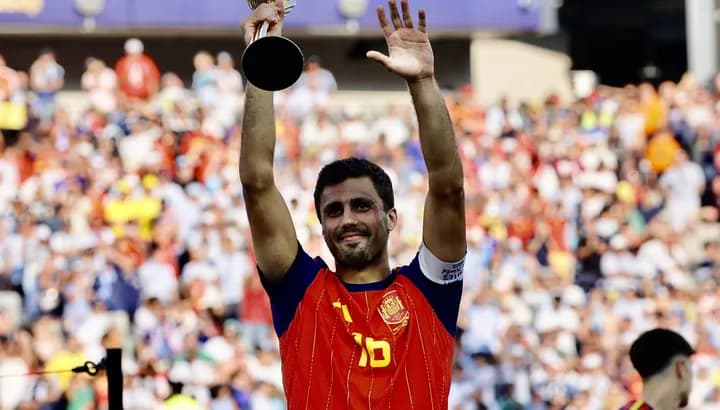
World Cup 2026 Best XI: Messi, Rodri, Mbappe Lead the Lineup

Spain’s Tactical Mastery Behind Their Second World Cup Triumph
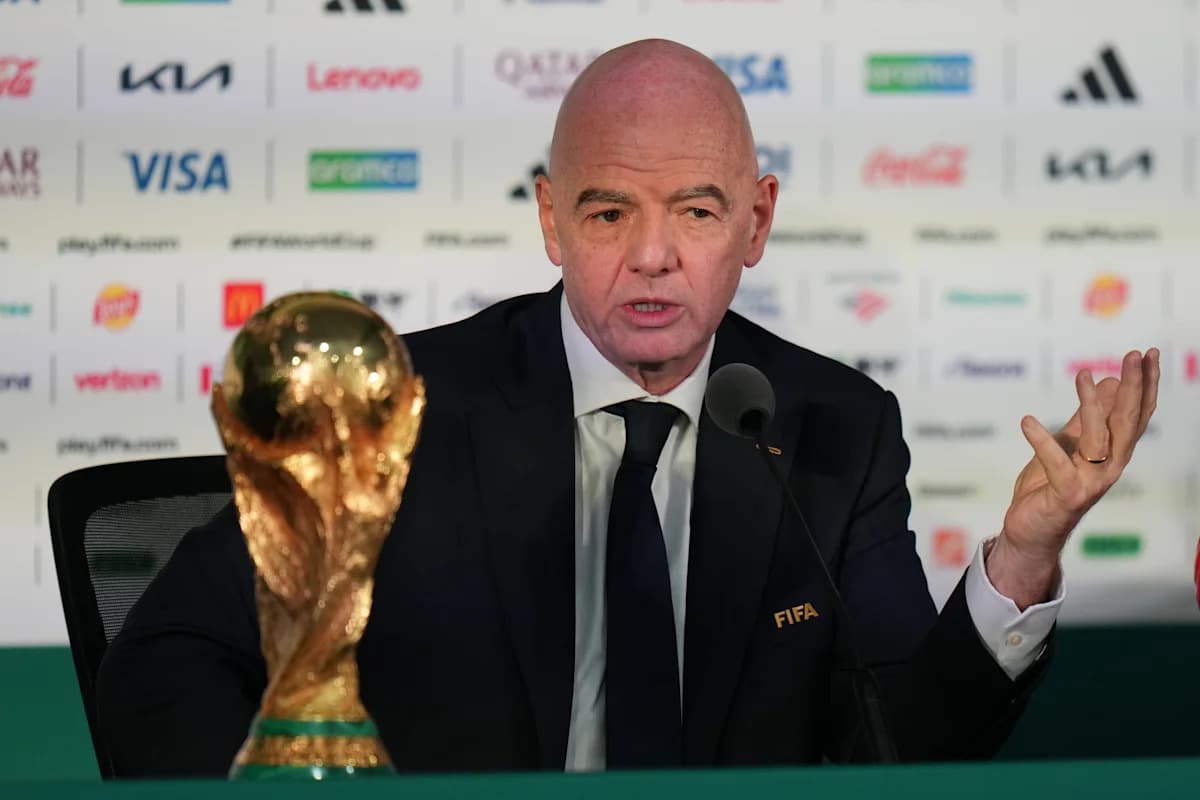
Gianni Infantino Criticizes World Cup 2026 Detractors Amid Event's Success
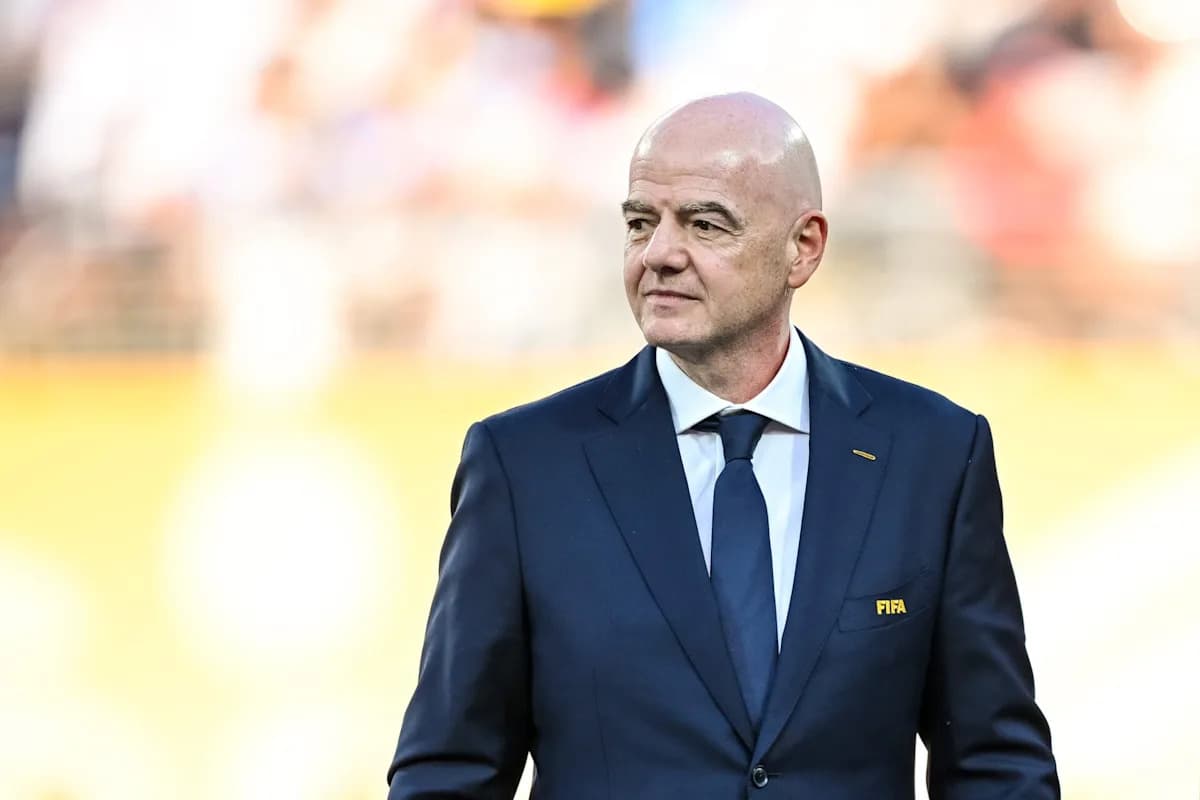
FIFA President Gianni Infantino Responds Strongly to 2026 World Cup Critics
Kylian Mbappé Pens Open Letter to France Fans After 2026 World Cup