

Hapoel Beer Sheva vs Vikingur Reykjavik: UEFA Champions League Showdown
Hapoel Beer Sheva host Vikingur Reykjavik at Toto Turner Stadium in the second leg of the UEFA Champions League 2nd Qualifying Round, needing a turnaround after a 2-1 away defeat in Reykjavik; the tie is finely balanced, but for the Israelis this home game already carries the weight of their entire European campaign, while Vikingur are 90 minutes from a notable progression.
Head-to-Head Tactical Summary
The only previous meeting between these sides came on 21 July 2026 at Víkingsvollur Stadium in Reykjavik, where Vikingur Reykjavik, playing at home, beat Hapoel Beer Sheva 2-1. The match was goalless at half-time (0-0) before opening up after the break, with Vikingur finding enough attacking incision to edge the contest while still conceding once, a pattern that underlines their capacity to create chances but also leave spaces that Beer Sheva can target in the return leg.
Global Season Picture
- League Phase Performance: There is no group-stage standings data available yet for the 2026 UEFA Champions League qualifiers, so both teams’ league-phase picture in this competition is limited to their early qualifying ties rather than a full table of goals for, goals against, and points.
- Season Metrics: In the league phase, Hapoel Beer Sheva have played 1 match, losing it, with 1 goal scored and 2 conceded; they have not kept a clean sheet but also have not failed to score, and their main statistical markers are disciplinary, with yellow cards concentrated between minutes 31–45 and 61–75. Vikingur Reykjavik, across 3 qualifying matches, are unbeaten with 2 wins and 1 draw, scoring 5 and conceding 3; they have 1 clean sheet and have scored in every game. Their attacking output is consistent home and away, while defensively they have been tighter at home than on the road, and their yellow cards are clustered late in games (especially minutes 76–90), hinting at an aggressive game-management phase when protecting results.
- Form Trajectory: Hapoel Beer Sheva’s form string in this competition is a single loss, indicating they enter the home leg under immediate pressure with no margin for another defeat. Vikingur Reykjavik’s form reads as one win, one draw, then another win (WDW), a steady upward trajectory that reflects resilience and the ability to navigate different game states without losing, which psychologically tilts the tie in their favour coming into this decisive match.
Tactical Efficiency
Hapoel Beer Sheva’s early-season numbers point to a side that can create at least one clear scoring phase even away from home but that currently concedes more than they score, with no evidence yet of defensive control in this Champions League campaign. Their use of a 4-3-3 in their single outing suggests an intention to press and attack in wide areas, but the 2 goals conceded and absence of clean sheets underline that their defensive structure is still vulnerable, especially when chasing the game. Vikingur Reykjavik, also operating predominantly in a 4-3-3 over 3 matches, have been more tactically efficient: they combine a positive goal difference (+2), consistent scoring (no matches without a goal), and one clean sheet, while their late-game yellow-card profile suggests an intense, physical closing phase that can disrupt opponents’ rhythm. Compared to Beer Sheva’s small-sample averages, Vikingur’s balance between goals for and against and their unbeaten run indicate a more effective integration of their attacking and defensive schemes, giving them a structural edge as they defend a narrow aggregate lead away from home.
The Verdict: Seasonal Impact
This second leg is season-defining for both clubs’ 2026 European trajectories. For Hapoel Beer Sheva, elimination at this stage would mean an abrupt end to their Champions League path and likely a major recalibration of objectives toward domestic consolidation and, potentially, a secondary European route if available; progression, however, would validate an aggressive 4-3-3 approach and give them momentum and financial leverage heading into later qualifying rounds. For Vikingur Reykjavik, successfully protecting or extending their 2-1 first-leg advantage would mark a significant step forward in continental credibility, reinforcing a model built on unbeaten, efficient performances and late-game intensity; it would also increase their chances of reaching deeper qualifying rounds, raising the club’s profile and resources for the rest of 2026. Conversely, failing to see out this position from a winning first leg would expose defensive fragilities away from home and could force a tactical rethink, particularly around game management and discipline in high-pressure away ties.
Related News
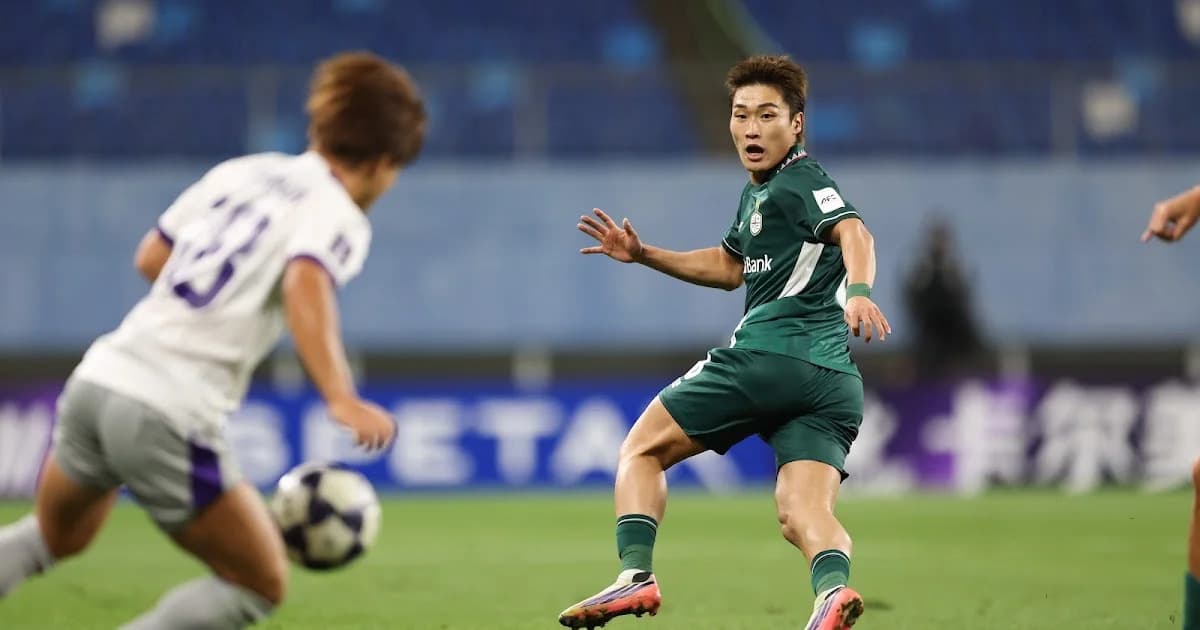
Insights from AFC Champions League Matchday One: K League Clubs’ Strategies
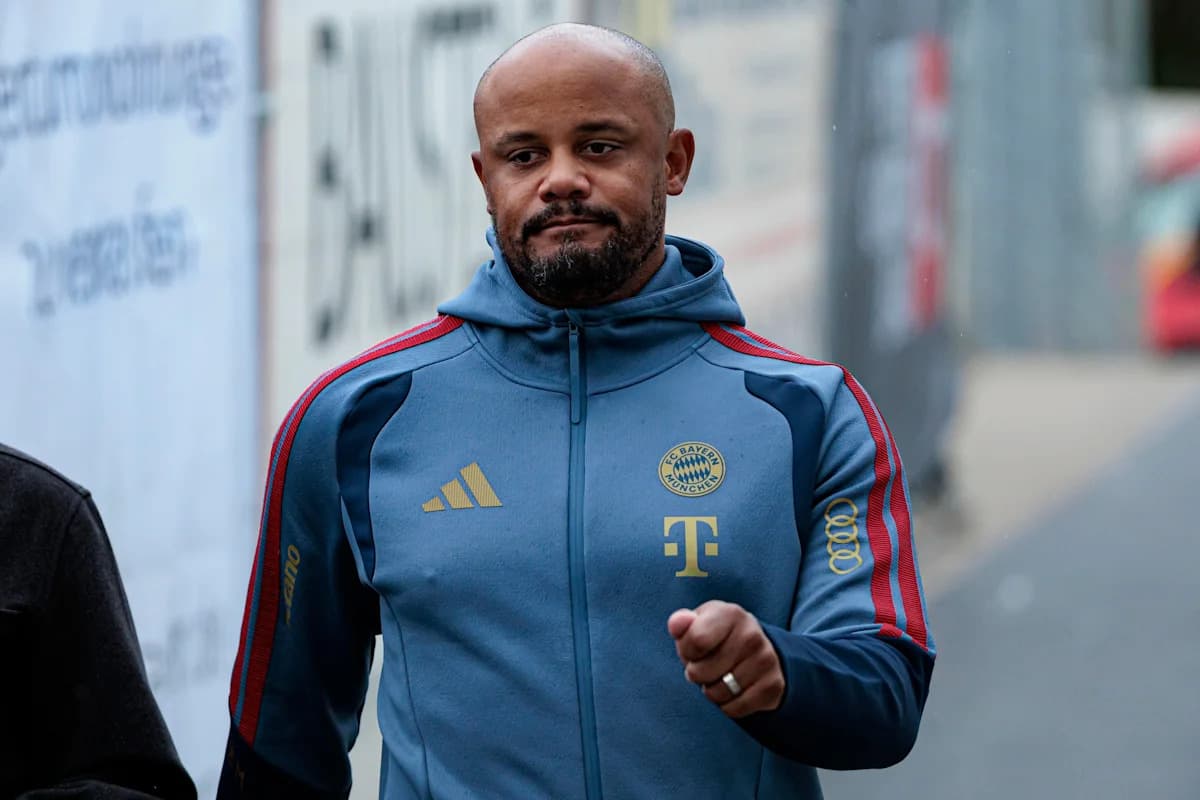
Vincent Kompany's Bayern Munich Future Not Tied Solely to Champions League Outcome
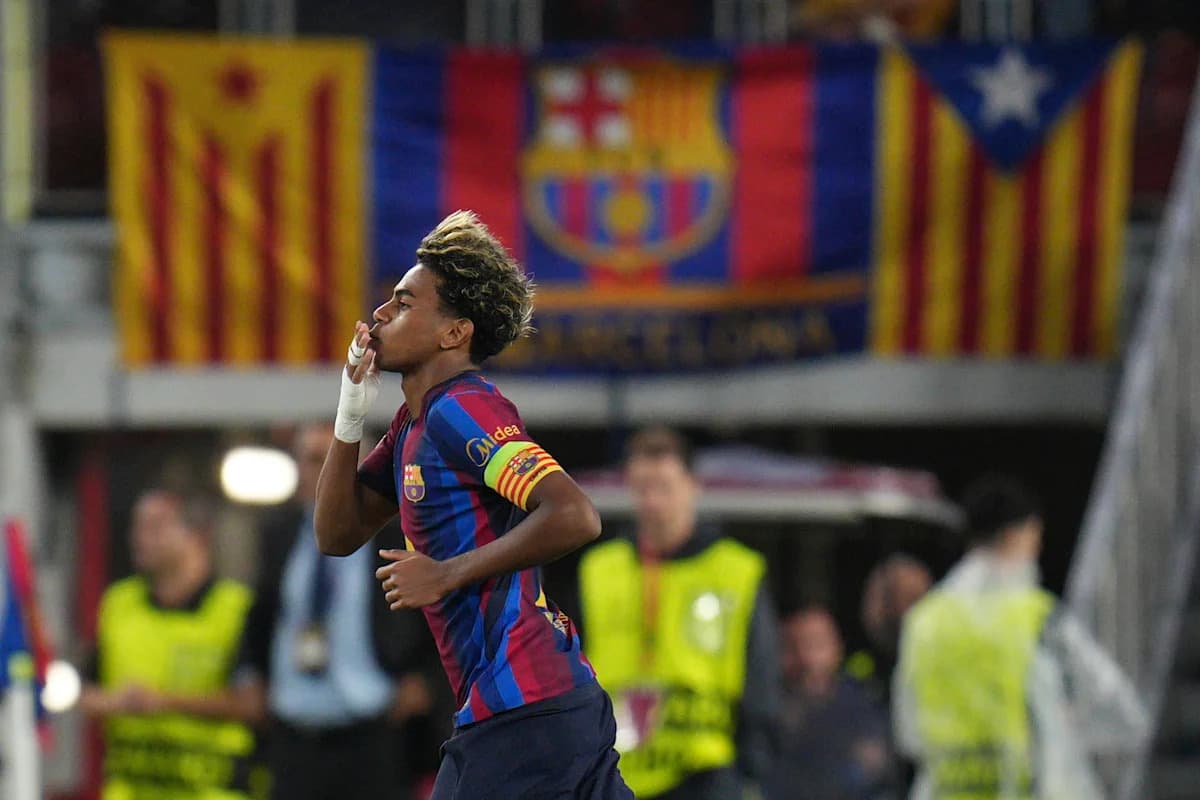
Barcelona's Camp Nou Chosen for 2029 Champions League Final, Munich Set for 2028
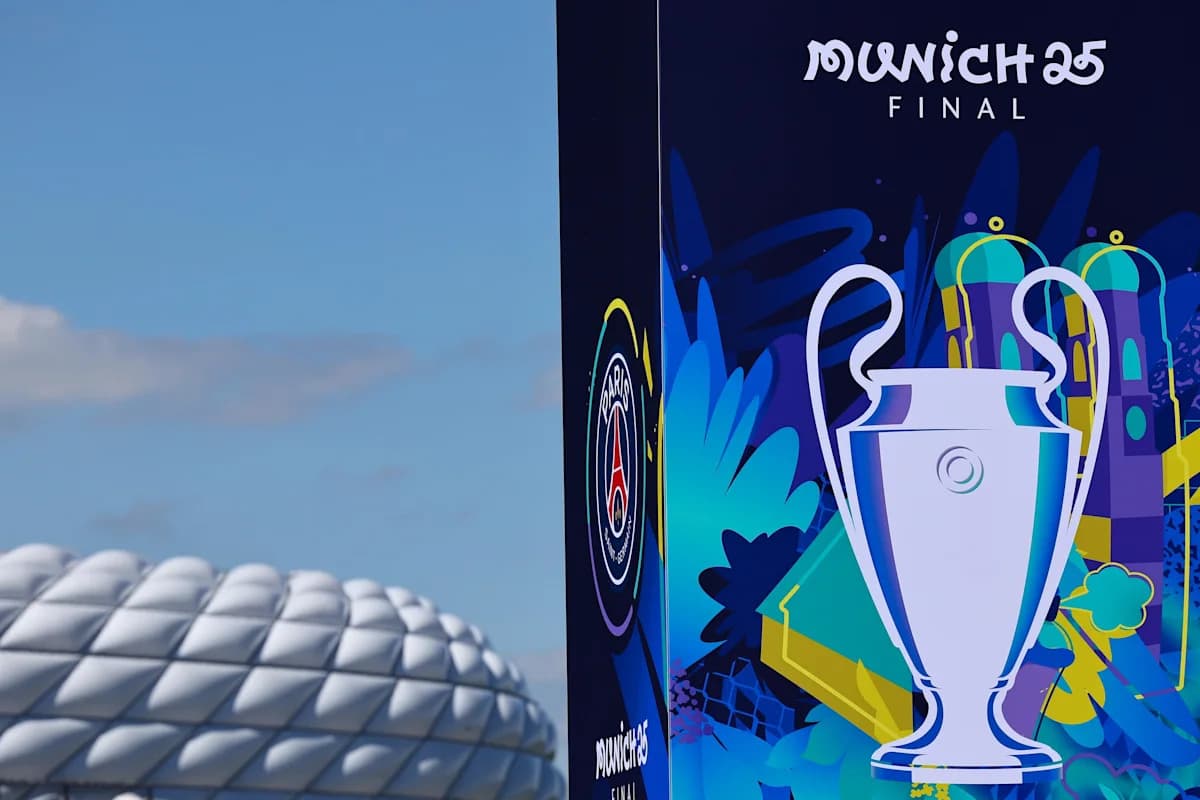
Allianz Arena to Host 2028 UEFA Champions League Final

Allianz Arena to Host 2028 Champions League Final for Third Time
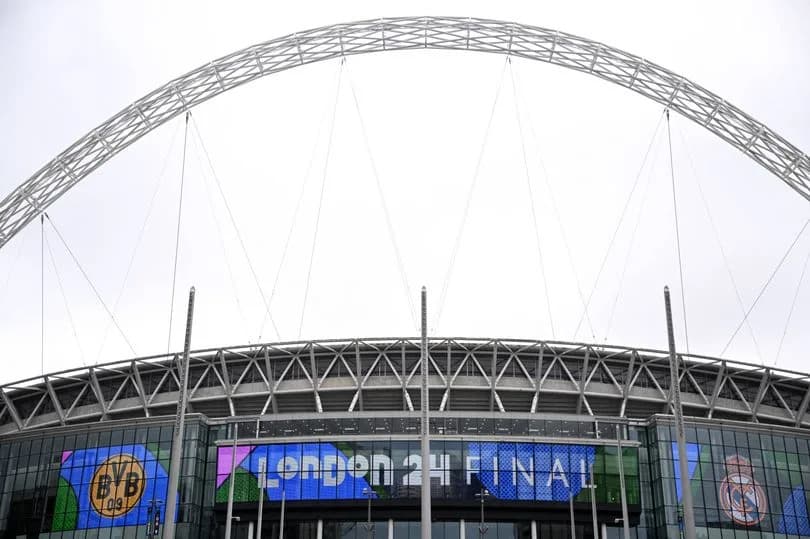
Barcelona's Nou Camp Chosen for 2029 UEFA Champions League Final Over Wembley and Dortmund