
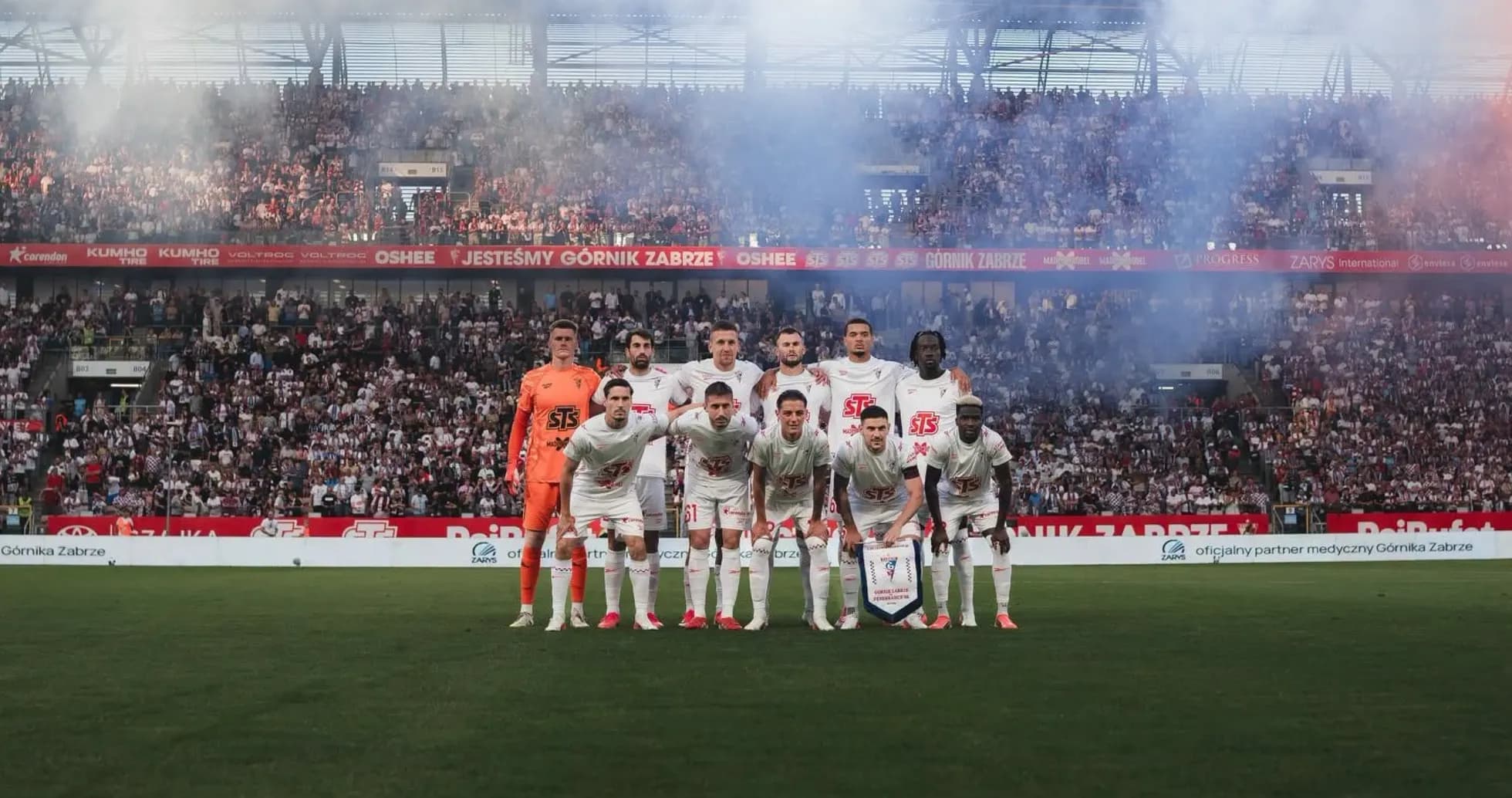
Gornik Zabrze vs Fenerbahçe: Tactical Clash in UEFA Champions League
The 1-1 draw at Stadion im. Ernesta Pohla unfolded as a clear clash of structures: Gornik Zabrze in a 4-1-4-1 seeking vertical surges from a compact base, Fenerbahçe in a 4-2-3-1 aiming to dominate circulation and half-spaces. The statistical profile – 52% possession and 432 passes for Fenerbahçe against 48% and 379 for Gornik – underlines that the visitors controlled more of the ball, but the shot map and card pattern show a game that became increasingly fractured and attritional.
Gornik’s Strategy
Gornik’s 4-1-4-1 hinged on the single pivot, Maximilian Dietz, screening in front of a back four and enabling the two advanced central midfielders, Yvan Ikia Dimi and Lukáš Sadílek, to step out aggressively. With 9 corners to Fenerbahçe’s 7 and 15 total shots (6 on goal), the home side translated their structure into sustained pressure in wide and set-piece situations. The full-backs, Erik Janža on the left and Michal Sáček on the right, were key to this: Janža’s high positioning and crossing threat forced Fenerbahçe’s wide men to track deep, while Sáček not only overlapped but arrived in the box to score the 45+10’ equaliser, assisted by Erik Prekop. That goal encapsulated Gornik’s plan: circulate through Dietz, push the wide midfielders and full-backs high, and flood the box late rather than station a second striker.
Defensive Approach
Defensively, Gornik balanced aggression with risk. They committed only 8 fouls to Fenerbahçe’s 15, but their 4 yellow cards – Sadílek for “Holding”, Janža and Rafał Janicki both for “Unsportsmanlike conduct”, and Josema for “Roughing” – reveal a pattern of tactical and emotional interventions to disrupt transitions and aerial duels. With just 1 goalkeeper save recorded, Philipp Schulze (Gornik Zabrze) was rarely exposed to clear one-on-ones; instead, the back four and Dietz focused on blocking lanes and contesting second balls, reflected in the 5 blocked shots they registered.
Fenerbahçe’s Performance
Fenerbahçe’s 4-2-3-1, built around the Fred–Mattéo Guendouzi double pivot, produced a cleaner passing performance: 432 total passes, 372 accurate at 86%, compared to Gornik’s 379/297 at 78%. They used this base to move the ball into the final third, generating 14 shots and a notable 10 from inside the box, suggesting they regularly managed to penetrate the last line. However, only 2 of those efforts hit the target, pointing to issues with shot selection and execution once they reached promising zones.
First Half Dynamics
In the first half, the structure worked as designed: the pivots controlled tempo, and the front four of Kerem Aktürkoğlu, Marco Asensio, İrfan Can Kahveci and Talisca stretched Gornik horizontally. Talisca’s 12’ penalty, giving Fenerbahçe the lead, came from this sustained pressure. Yet the fact that they could not convert territorial superiority into more shots on goal foreshadowed the second half’s struggles.
In-Game Management
Ismail Kartal’s in-game management was aggressive. At 46’, he reshaped his attacking band: İsmail Yüksek (IN) came on for Asensio (OUT), and Mason Greenwood (IN) came on for Kahveci (OUT), injecting more verticality and direct threat. Later, at 70’, Anthony Musaba (IN) replaced Aktürkoğlu (OUT), and at 80’ Oğuz Aydın (IN) came on for Talisca (OUT), turning the front line into a more transition-oriented unit. These changes, however, coincided with a rising foul count and discipline issues: yellow cards for Jayden Oosterwolde (“Tripping”), Nélson Semedo (“Tripping”), Greenwood (“Roughing”), Fred (“Unsportsmanlike conduct”), and Guendouzi (“Delay of game”) illustrate how Fenerbahçe increasingly resorted to stopping counters and managing the clock rather than building calmly.
Goalkeeper Performance
Mert Günok (Fenerbahçe) was far busier than his opposite number, making 5 saves. That figure, combined with Gornik’s 6 shots on goal, underlines how the home side’s attacks, though less frequent in possession terms, were more efficient at testing the goalkeeper. Gornik’s ability to reach 5 shots inside the box despite operating with a lone striker speaks to the timing of runs from Prekop and the advanced midfielders, as well as the quality of wide service.
Statistical Verdict
The statistical verdict frames the draw as a clash between control and incision. Fenerbahçe edged possession (52% to 48%), completed more passes with a higher accuracy (372 accurate at 86% vs Gornik’s 297 at 78%), and matched Gornik in blocked shots (5 each). Their 10 shots inside the box suggest territorial dominance. Yet the visitors’ 2 shots on goal and reliance on a penalty for their only strike contrast sharply with Gornik’s 6 shots on goal and 9 corners, indicators of more consistent end-product once they advanced.
Discipline and Pressure
Discipline tilted heavily against Fenerbahçe: 15 fouls and 5 yellow cards versus Gornik’s 8 fouls and 4 yellows. The late cluster of cautions for Greenwood, Fred and Guendouzi in added time shows a side under pressure, protecting a draw rather than forcing a winner. With expected goals and goals prevented unavailable, the clearest efficiency marker is goalkeeper workload: Schulze (Gornik Zabrze) needed just 1 save, while Günok (Fenerbahçe) was called into action 5 times. Within the context of a 2nd Qualifying Round tie in the UEFA Champions League, the numbers depict Gornik as tactically disciplined and punchy in the final third, and Fenerbahçe as technically superior but insufficiently ruthless where it mattered most.
Related News
Vincent Kompany's Bayern Munich Future Not Tied Solely to Champions League Outcome
Barcelona's Camp Nou Chosen for 2029 Champions League Final, Munich Set for 2028
Allianz Arena to Host 2028 UEFA Champions League Final
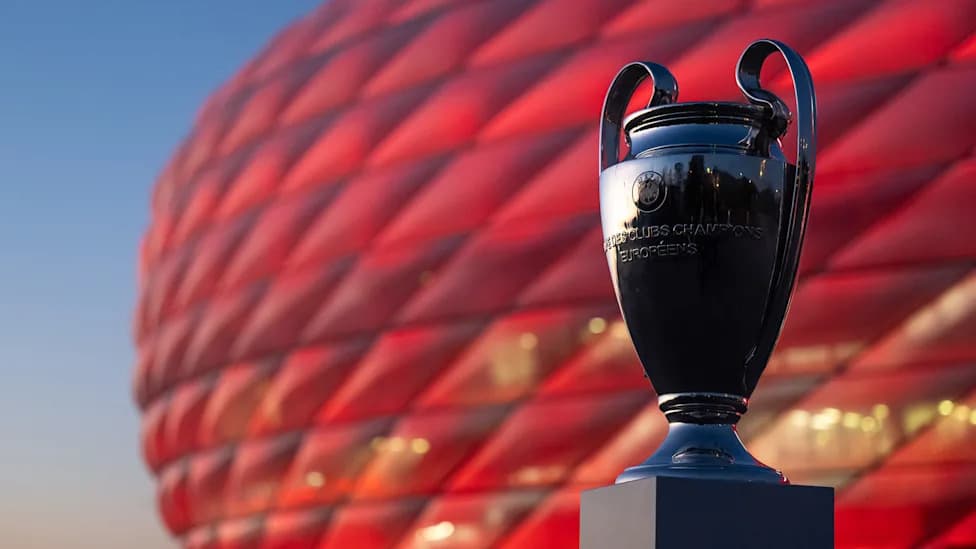
Allianz Arena to Host 2028 Champions League Final for Third Time
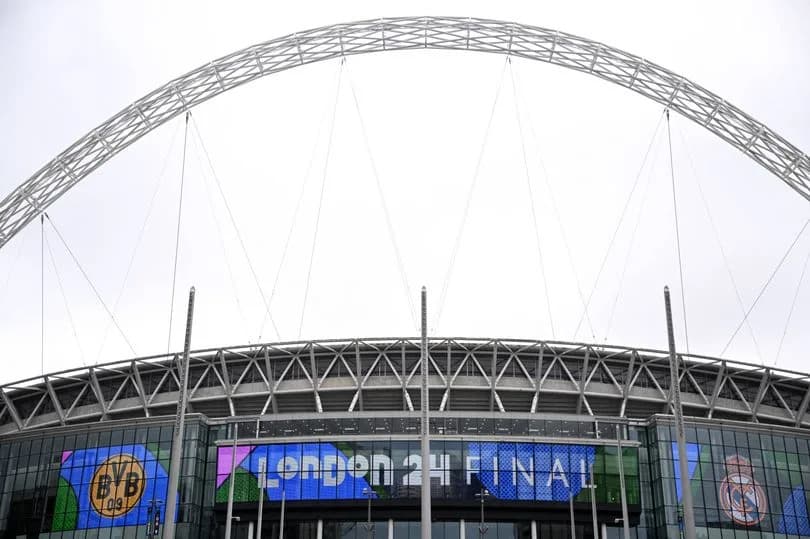
Barcelona's Nou Camp Chosen for 2029 UEFA Champions League Final Over Wembley and Dortmund
Five English Clubs Secure Wins in Champions League Opening Round