

Getafe vs Mallorca: A Crossroads Night in La Liga
Under the Coliseum lights, this felt like a crossroads night in La Liga’s Regular Season – 36th round, but with the tension of a cup tie. Getafe, sitting 7th with 48 points and a goal difference of -6 (31 scored, 37 conceded overall), were chasing Europe. Mallorca arrived in 18th on 39 points, goal difference -11 (44 for, 55 against overall), fighting to stay in the division. The 3–1 home win did more than settle a match; it underlined the contrasting identities of two teams heading in opposite directions.
Bordalás doubled down on Getafe’s seasonal DNA with his most trusted structure: a 5-3-2. It is no coincidence that this shape has been used in 20 league matches; it is the framework for a side that scores modestly but strangles games. Heading into this game, Getafe had averaged 0.9 goals for at home and 0.9 goals against at the Coliseum – tight margins, low chaos, and a reliance on set structure rather than attacking volume.
Across from them, Mallorca’s 4-2-3-1 under Martin Demichelis reflected a more expansive but fragile profile. The system has been their go-to (20 uses), giving room for a true spearhead in Vedat Muriqi and a creative band behind him. Yet the numbers exposed the fault line: on their travels Mallorca were conceding 1.9 goals per game, scoring only 0.9. That imbalance – away fragility against a disciplined home side – framed the night.
The opening forty-five told the story of those trends colliding. Getafe’s back five – Allan Nyom, Djené, Domingos Duarte, Z. Romero and J. Iglesias – formed a compressed, almost claustrophobic line in front of David Soria. The wing-backs, Nyom and Iglesias, pinned Mallorca’s full-backs by stepping high in transition, forcing Pablo Maffeo and L. Orejuela into constant defensive sprints rather than overlapping runs. With three central midfielders – Luis Milla, D. Cáceres and Mauro Arambarri – Getafe created a dense central block that suffocated Sergio Darder’s space between the lines.
The absences made those choices even more significant. Getafe were without A. Abqar (suspended for yellow cards) and the injured Juanmi and Kiko Femenía, trimming their defensive rotation and wide options. It meant greater responsibility on Duarte and Djené to anchor the line. Duarte, already the league’s leading yellow-card collector with 12, walked a tactical tightrope, but his aggression was central to compressing Mallorca’s target zones.
Mallorca’s issues were even more structural. A long injury list – L. Bergström, M. Joseph, J. Kalumba, M. Kumbulla, A. Raíllo, J. Salas – plus the suspension of Samu Costa for yellow cards, stripped Demichelis of both defensive depth and his primary midfield enforcer. Without Costa’s 62 tackles and 400 duels this season, Mallorca’s double pivot of M. Morlanes and O. Mascarell lacked bite against Getafe’s combative middle three. The result was a soft core: enough technique to circulate, not enough steel to resist pressure.
Getafe smelled that softness and tilted the game through the “engine room”. Milla, the league’s second-ranked assist provider with 10, orchestrated from deep. His 1,313 passes and 79 key passes this season are not just volume; they are the spine of Getafe’s ball progression. Here, he repeatedly found angles to switch play away from Mallorca’s first press, dragging Morlanes and Mascarell into lateral chases they could not win.
Ahead of him, Mario Martín – another of La Liga’s most carded players with 11 yellows – set the tone with relentless duels and second-ball aggression. His role blurred the line between midfielder and auxiliary forward, stepping into pockets around Mallorca’s holding pair and preventing them from stepping out on Milla. Each duel he contested chipped away at Mallorca’s rhythm.
For Mallorca, the attacking plan was always going to funnel toward Vedat Muriqi. With 22 league goals and 86 shots (47 on target), he arrived as one of the division’s most ruthless finishers, also winning 219 of 425 duels. The “Hunter vs Shield” narrative was clear: Muriqi versus a Getafe defence that, heading into this game, conceded only 0.9 goals at home and had kept 11 clean sheets overall. The problem was supply. Z. Luvumbo, Darder and J. Virgili floated behind him, but the passing lanes into the Kosovan were constantly clogged by Djené stepping tight and Duarte sweeping behind.
When Mallorca did manage to find Muriqi’s feet, Getafe’s centre-backs showed why their blocked-shot numbers matter. Duarte’s 15 blocked efforts this season are not a statistic in isolation; they reflect a defender comfortable defending deep, absorbing pressure inside the box. Each time Mallorca tried to work a shooting lane around their striker, the blue shirts converged, turning half-chances into ricochets.
The disciplinary undercurrent also followed the season’s script. Getafe are one of the league’s most card-prone sides, with yellow peaks late on – 22.43% of their bookings arriving between 76–90 minutes, and a further 14.95% from 91–105. Mallorca’s own yellow distribution spikes between 46–60 minutes (20.99%), often as they chase games after the interval. This match mirrored that tension: as Mallorca pushed to respond to a 2–0 half-time deficit, the duels sharpened, and the risk of late cards grew on both sides.
Tactically, Bordalás’ use of the front two was decisive. Martín and M. Satriano did not simply stand on the last line; they curved their pressing runs to block passes into Mascarell and Morlanes, funnelling Mallorca wide where Nyom and Iglesias could engage. When Getafe broke, those same forwards offered depth, forcing Mallorca’s already stretched centre-backs D. López and M. Valjent into uncomfortable foot races. Without Raíllo’s leadership or Kumbulla’s cover, the visitors’ back line cracked under repeated transitional waves.
On the Mallorca right, Maffeo’s season profile – 65 tackles, 22 blocked shots, 33 interceptions – suggested he could be the shield to stabilise that flank. But pinned by Getafe’s wing-back surges and the need to track Martín’s drifting, he spent more time reacting than anticipating. His usual ability to step out and break lines with the ball was largely neutralised.
From a statistical prognosis standpoint, the result aligned almost perfectly with the underlying patterns. A Getafe side that rarely scores more than once at home hit their seasonal ceiling with three, exploiting a Mallorca defence that, away from home, had been leaking 34 goals in 18 matches – almost exactly the 1.9 per game their numbers warned about. The home side’s defensive solidity, combined with a structured press and a dominant midfield conductor in Milla, outweighed Mallorca’s singular threat in Muriqi.
Following this result, the narrative is clear. Getafe’s 5-3-2, anchored by a hardened back line and a creative metronome, looks built for the grind of European qualification. Mallorca, by contrast, remain a team whose attacking spear is sharper than the shield behind it – a dangerous proposition for a side still staring at the relegation trapdoor.
Related News

LaLiga 2026-27 Season Schedule Released: Kickoff on August 15, Clásico on October 25

Atletico Madrid vs Real Madrid: Head-to-head Stats and Past Meetings
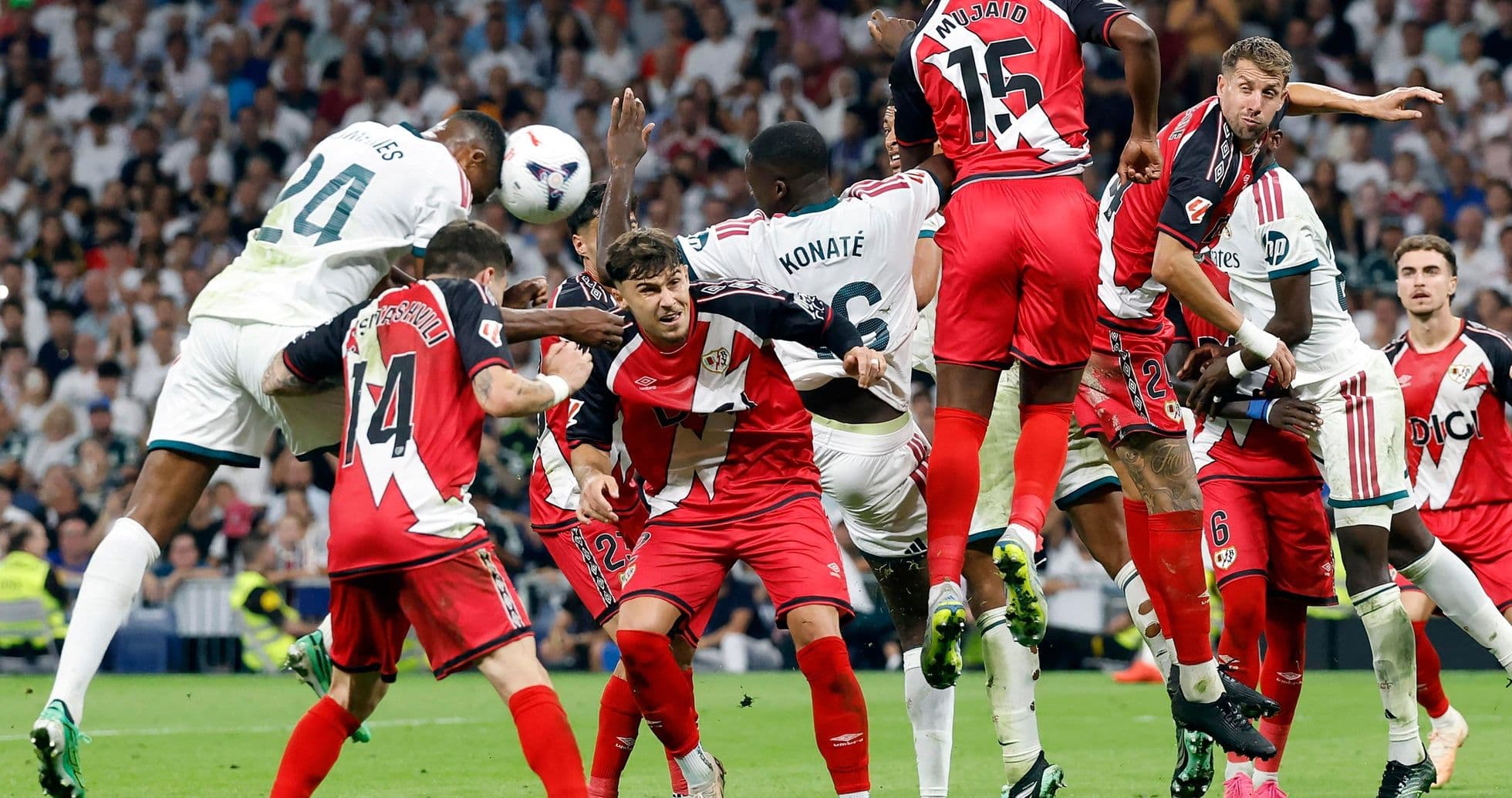
Real Madrid Dominates Rayo Vallecano in La Liga Clash
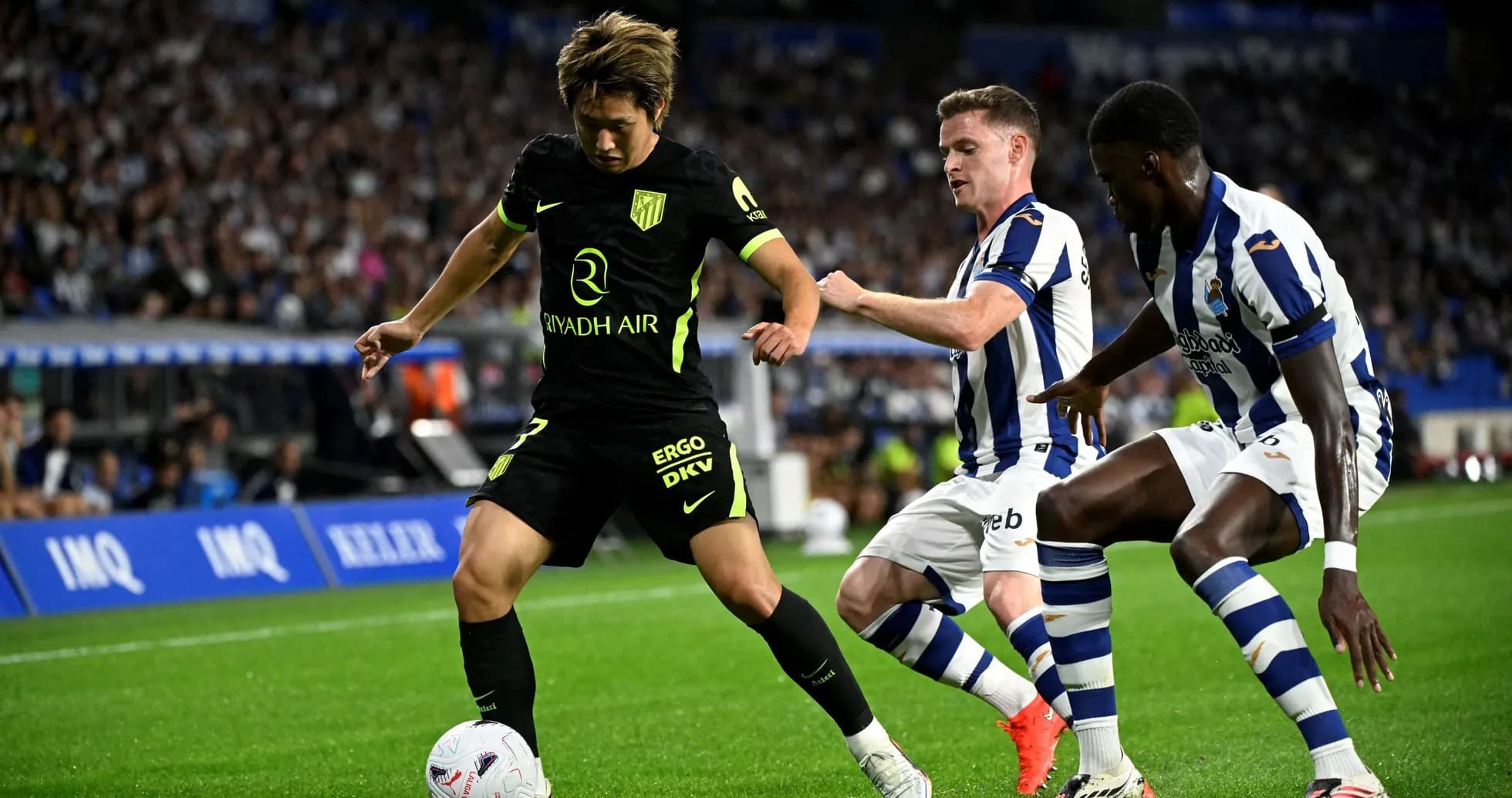
Atletico Madrid Dominates Real Sociedad 3-0 at Reale Arena
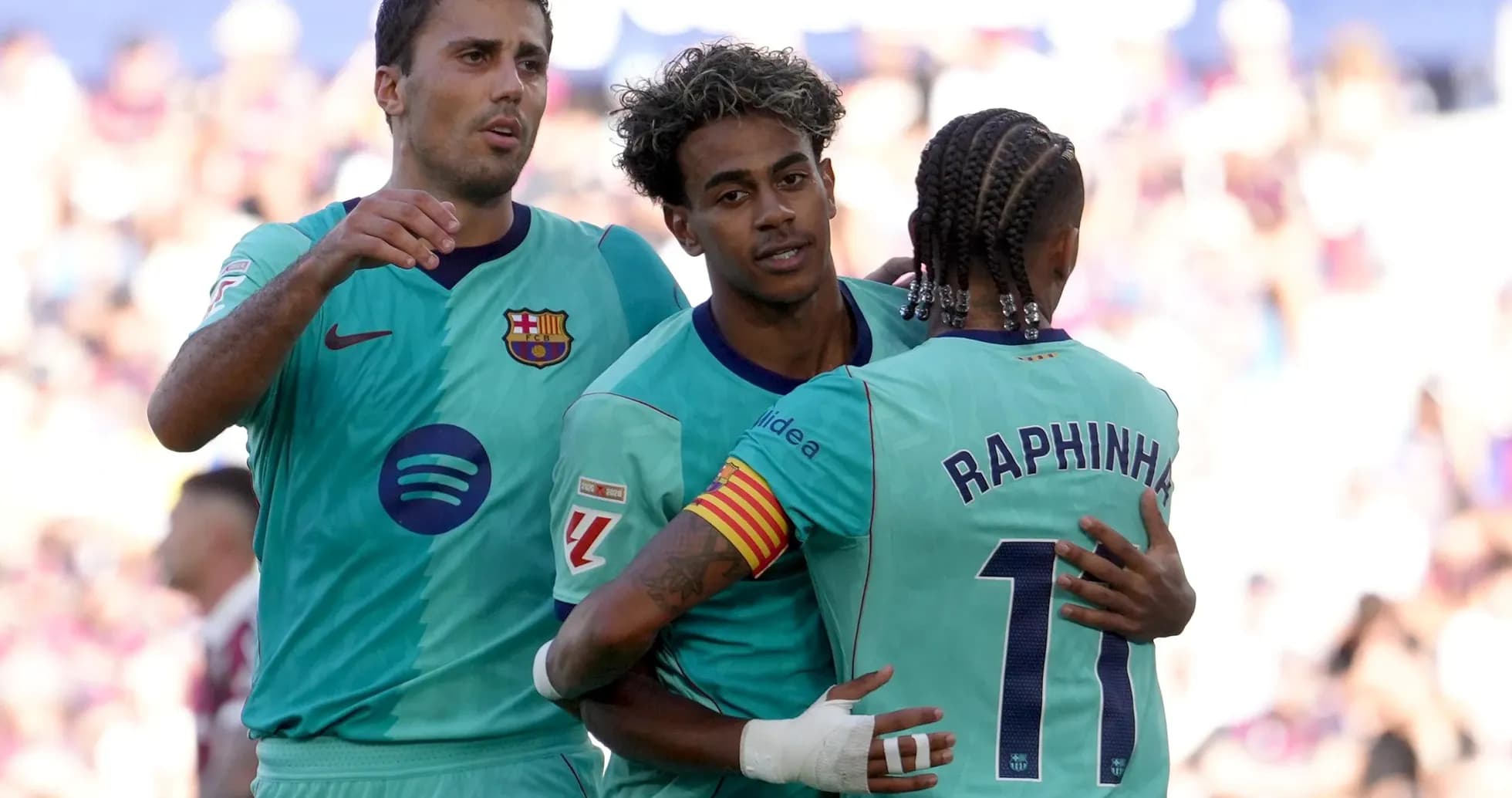
Barcelona Dominates Levante in High-Scoring Clash

Sevilla vs Barcelona Stats: Head-to-Head Record and Past Meetings