
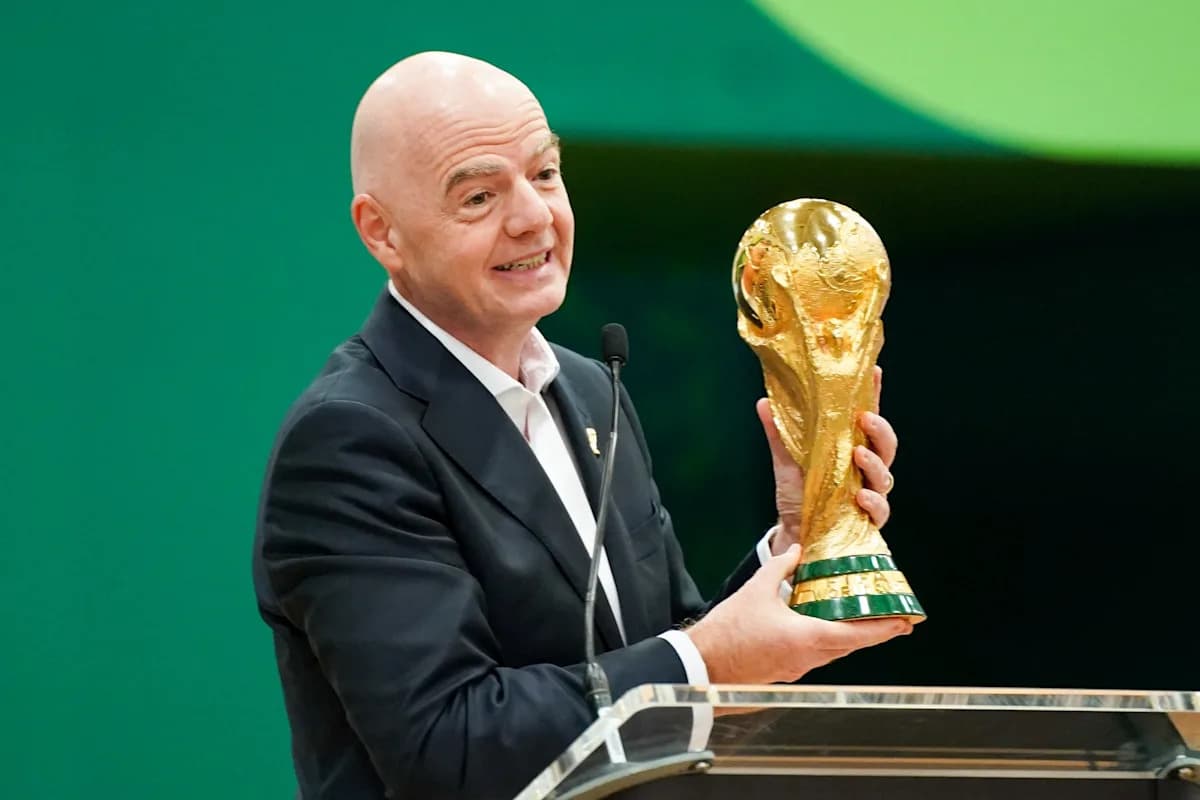
FIFA President Gianni Infantino Considers Expanding World Cup to 64 Teams
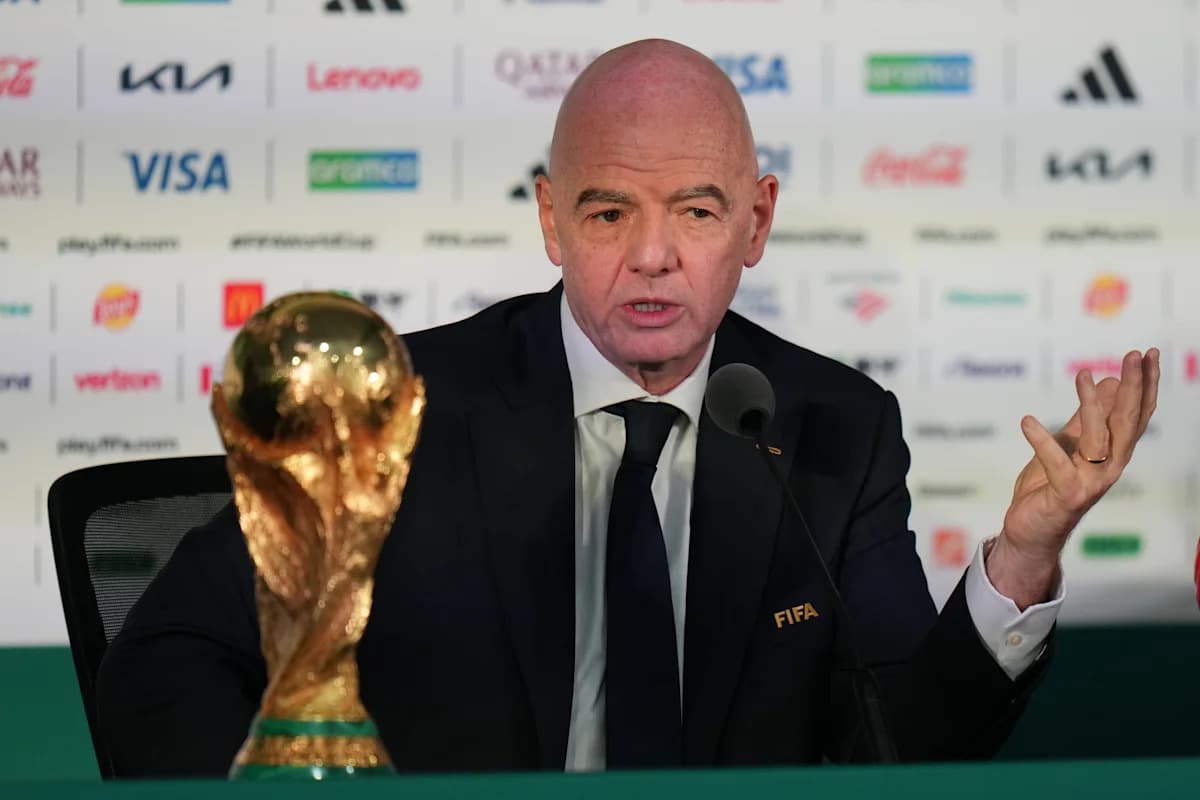
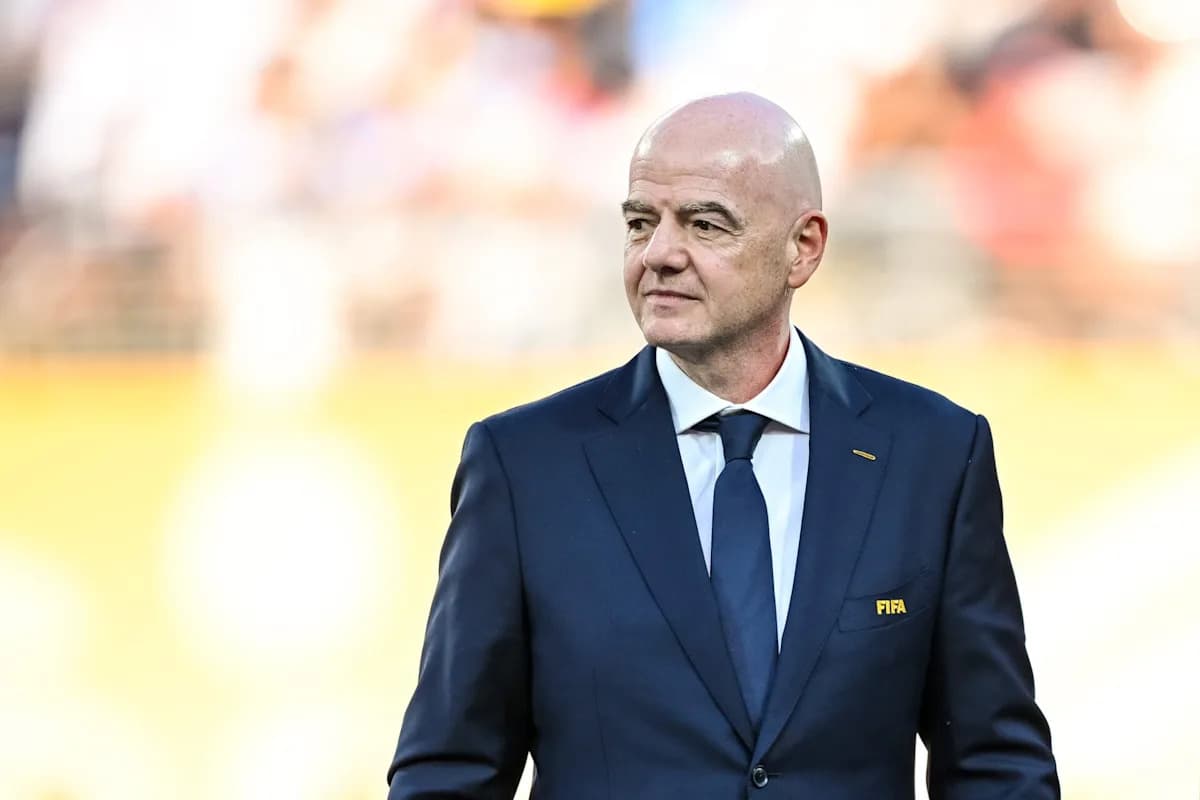
The 2026 FIFA World Cup marked the biggest tournament yet, growing from 32 to 48 teams. Yet, there may be even more changes ahead. FIFA President Gianni Infantino recently revealed that discussions about increasing the number of participating teams to 64 could take place following this edition.
Looking Beyond 48 Teams
In an interview with Swiss broadcaster Blue Sport, Infantino was asked about the possibility of doubling the field again after this World Cup concludes. He didn’t dismiss the idea.
“This is certainly an issue that will be looked at and discussed in the relevant committees after this World Cup,” Infantino told ESPN. “When you organize a World Cup, it’s important that you organize it for the whole world. It’s not just Europe and South America, but the entire world, effectively. Every nation should be able to dream of taking part in the World Cup.”
He added that smaller nations need opportunities to participate if they are to keep improving, noting the rising level of competition worldwide.
Support From South America
Earlier, in March 2025, the South American football confederation CONMEBOL proposed expanding to 64 teams for the 2030 World Cup, which will celebrate the tournament’s 100th anniversary. CONMEBOL president Alejandro Domínguez expressed a vision for a historic event focused on unity and global celebration.
“We believe in a historic 2030 World Cup. We want to call for unity, creativity and believing big. Because when football is shared by everyone, the celebration is truly global,” Domínguez said.
What Would 64 Teams Mean?
If approved, the tournament would expand from 48 to 64 teams, nearly doubling the number of matches played compared to the 32-team format used until 2022. Specifically:
One advantage would be simplifying the knockout stage. Currently, third-place teams can advance through various tiebreakers, which complicates things. A 64-team tournament would eliminate this, as only top teams from groups would move forward.
We think such a change might reshape the way nations qualify and compete, giving smaller countries a clearer path to the World Cup while increasing the total number of matches fans get to enjoy.
Related News
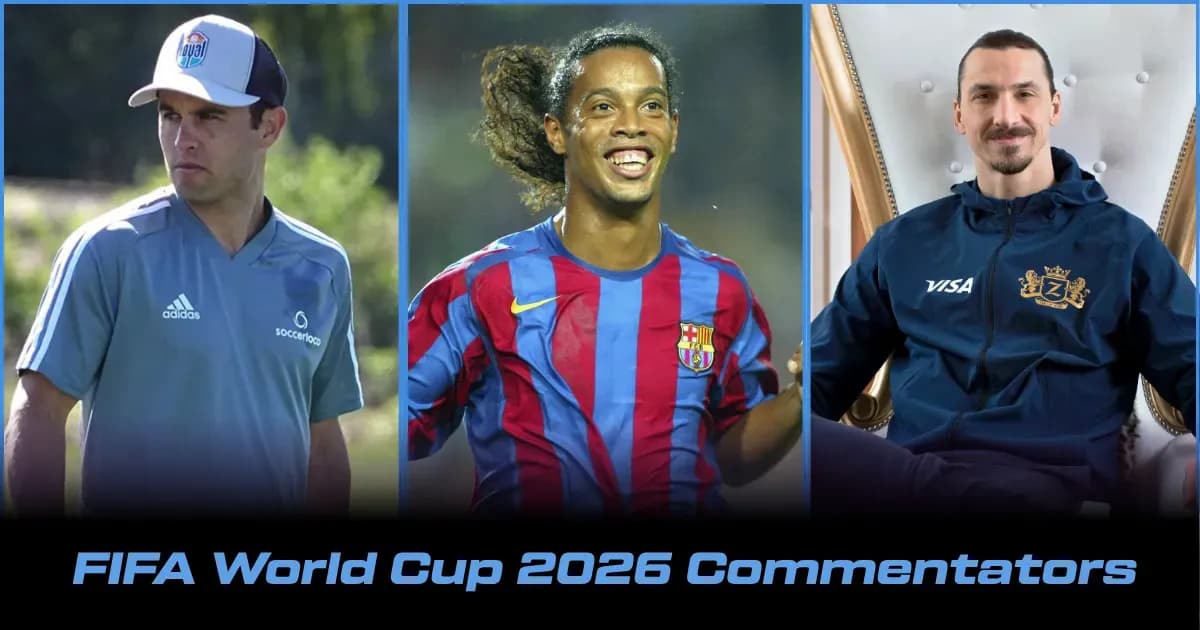
FIFA World Cup 2026 Commentary Team: Complete List of Presenters and Analysts
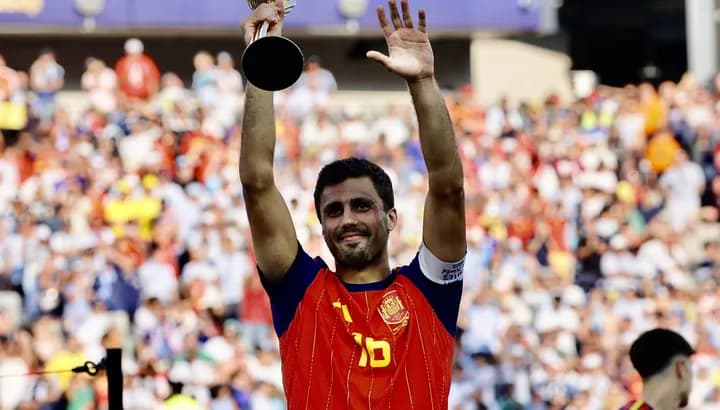
World Cup 2026 Best XI: Messi, Rodri, Mbappe Lead the Lineup
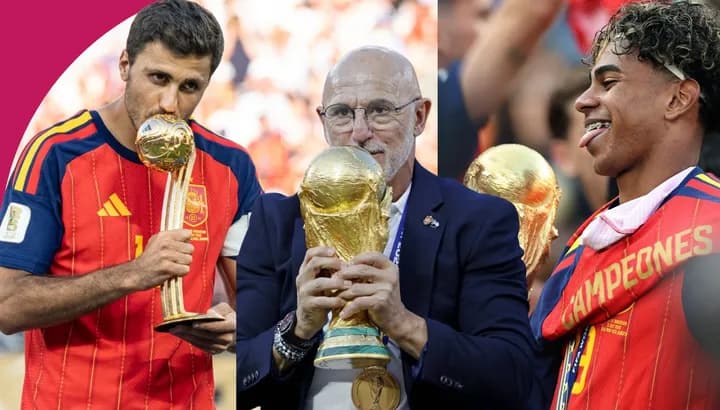
Spain’s Tactical Mastery Behind Their Second World Cup Triumph
Gianni Infantino Criticizes World Cup 2026 Detractors Amid Event's Success
FIFA President Gianni Infantino Responds Strongly to 2026 World Cup Critics
Kylian Mbappé Pens Open Letter to France Fans After 2026 World Cup