
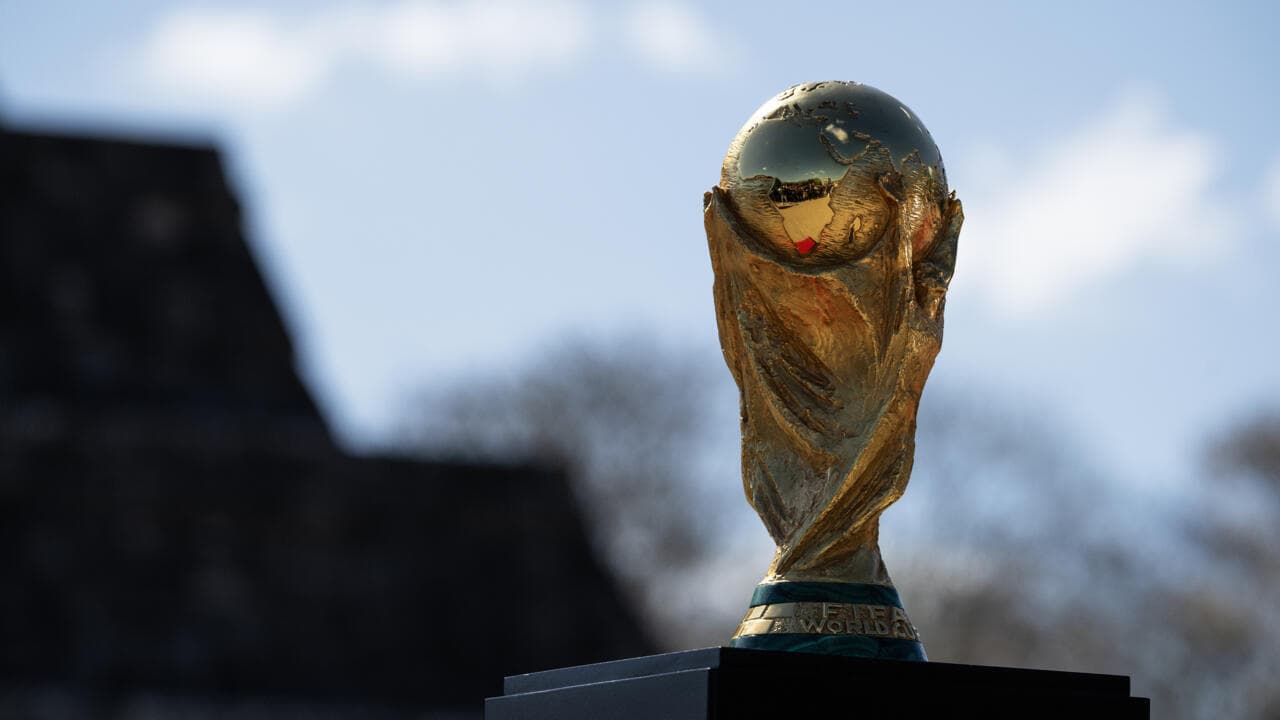
FIFA Boosts Club Benefits Fund to $355 Million Ahead of 2026 World Cup
FIFA has quietly dropped a sizeable number into the global game’s balance sheet. The governing body confirmed it is raising its Club Benefits Programme pot to $355 million, a 70 percent jump on what was paid out around the 2022 World Cup in Qatar.
The timing is no accident. A bigger World Cup is coming, and with it, bigger money.
A swollen tournament, a swollen pot
FIFA does not publish a full revenue breakdown for the World Cup, but its projections tell the story. It expects total revenue this year to be 56 percent higher than in 2022. Stretch that out across the four-year cycle to 2026, which includes the expanded Club World Cup in 2025, and the forecast is a 72 percent rise on the previous cycle.
The product is growing. So is the bill.
The 2026 World Cup itself will be unrecognisable in scale. The field jumps from 36 teams to 48. The match count explodes from 64 to 104. The tournament will run for 39 days, up from 29. More teams, more games, more days in camp – and more players pulled away from their clubs.
This time, FIFA is paying for more of that strain.
How the $355m breaks down
The new fund is split into three blocks.
The largest slice, $250 million, is set aside for players at the finals. FIFA says the minimum payment per player will be $5,000 for every day they spend at the World Cup, with the final figures to be locked in once the tournament ends. The calculation is simple but significant: per player, per day, based on squad inclusion and how long each player remains involved.
The pressure finally told in another area too. For the first time, clubs will receive compensation for World Cup qualifying.
A further $100 million is earmarked for those qualifiers. FIFA has costed that at $2,362 for each player named in a match-day squad across the 905 qualifying fixtures, plus payments for 10 friendlies each for the three host nations, who do not have to qualify but still need to play.
That leaves $5 million for administrative costs, with any leftover cash “allocated to the benefit of global club football”.
Clubs, countries and a shifting balance
This is where the politics of the modern game sit in plain sight. Clubs supply the players, national teams take them for the sport’s biggest showpiece, and FIFA now feels compelled to stress what it is giving back.
“This is another benefit from the expanded FIFA World Cup – providing more support across the entire football ecosystem to the clubs that provide all the players who compete to shine on the global stage,” said FIFA president Gianni Infantino in the statement announcing the programme.
The mechanics matter. Payments are tied to a player’s club registration when the World Cup squads are announced, but FIFA has built in clauses for those who switch clubs during the tournament and for replacement players called up mid-competition. In a transfer market that never really sleeps, those details will decide who gets what.
The numbers are clear. The World Cup is getting bigger, richer and longer. Now the clubs, who have long argued they carry the risk, will be watching closely to see whether this new money truly balances the cost of sending their stars into football’s most demanding arena.
Related News

Raphinha’s Hat-Trick Powers Barcelona to 7-2 Victory Over Racing Santander
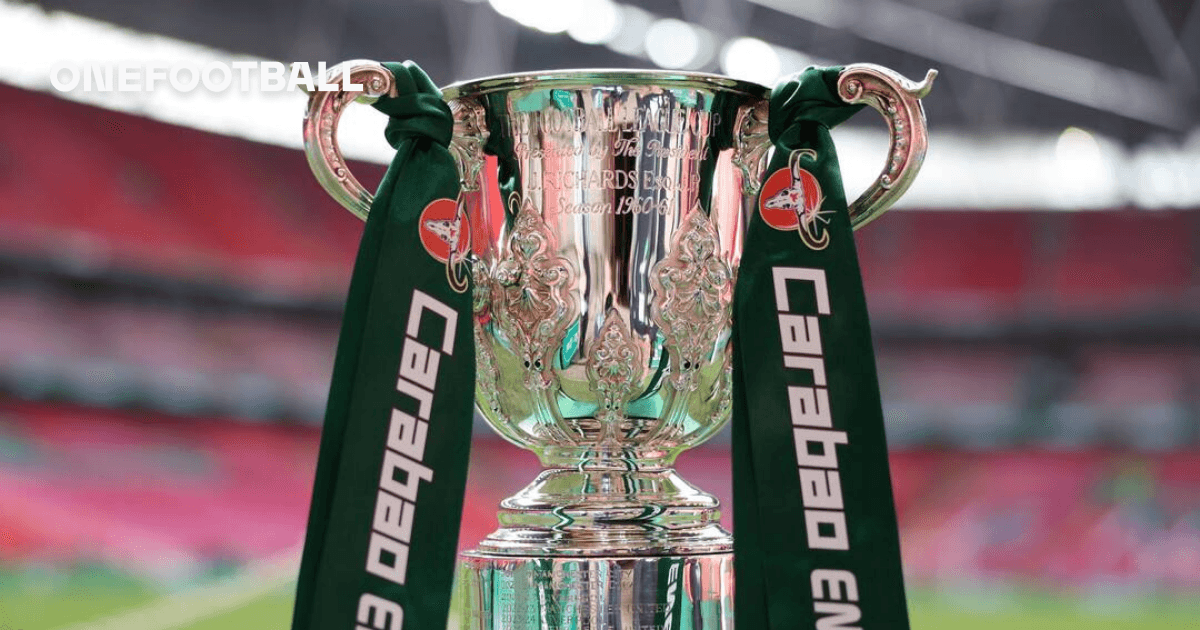
Carabao Cup Fourth Round Draw: Liverpool Set to Clash with Chelsea, Arsenal to Face Fleetwood Town
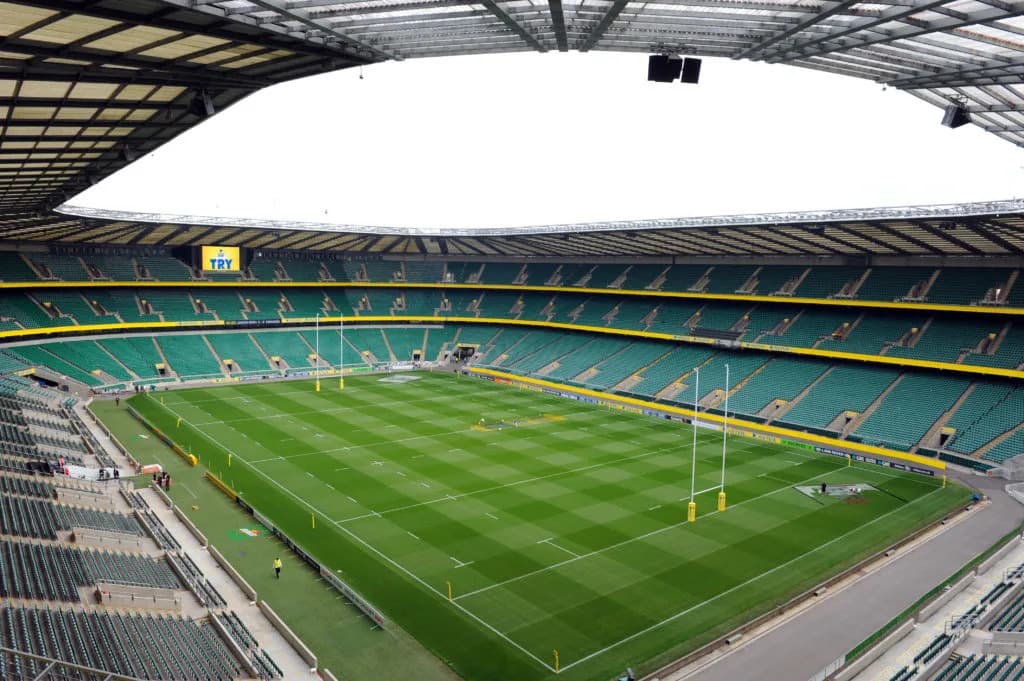
Key Football Matches to Watch in Azerbaijan This Autumn
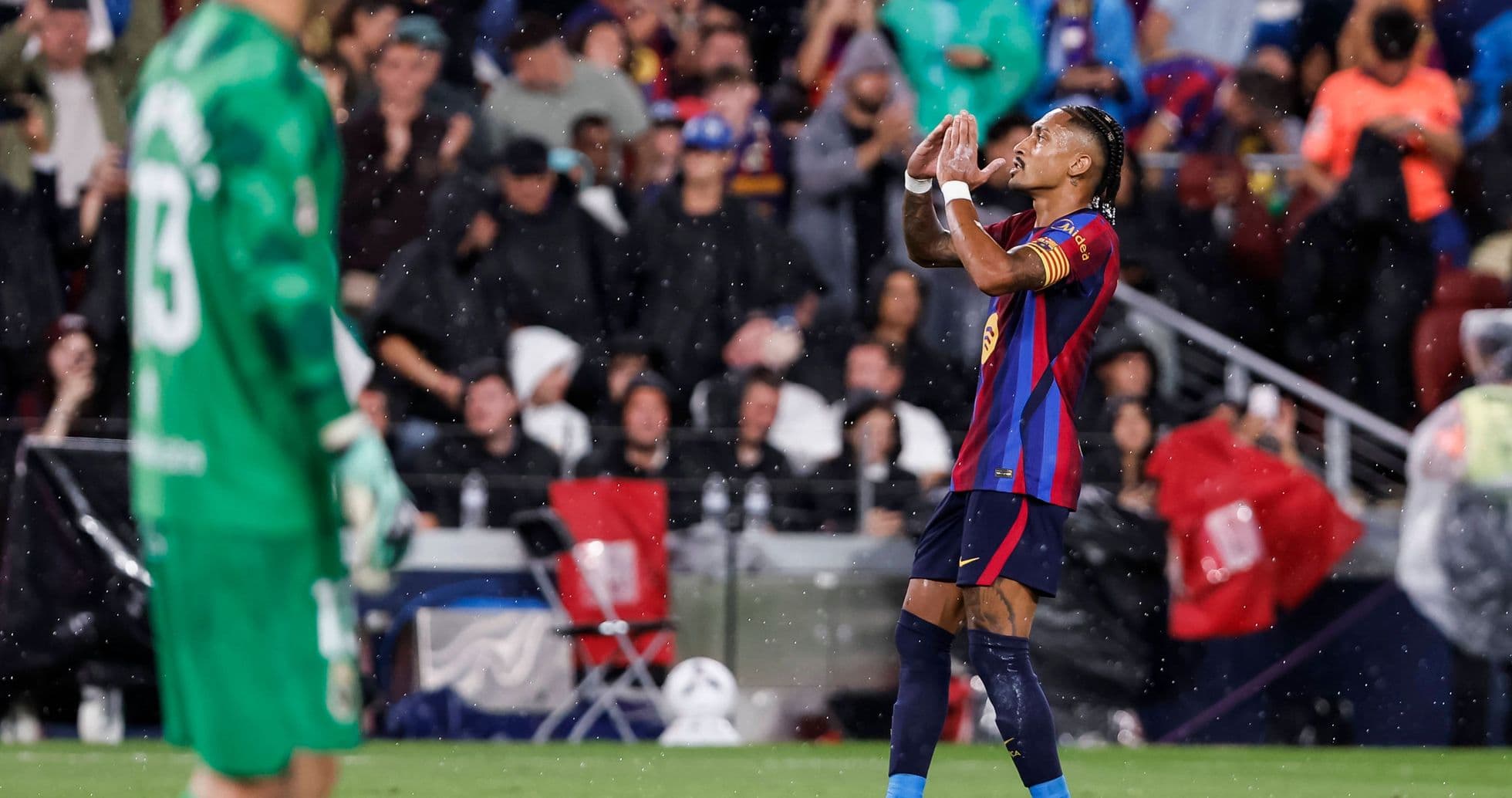
Raphinha's Hat-Trick Drives Barcelona to 7-2 Triumph Over Racing Santander
Hansi Flick Leads Barcelona to Record-Breaking Seven Wins in a Row

Gavi Reflects on Injury Return as Barcelona Dominate Racing Santander 7-2