
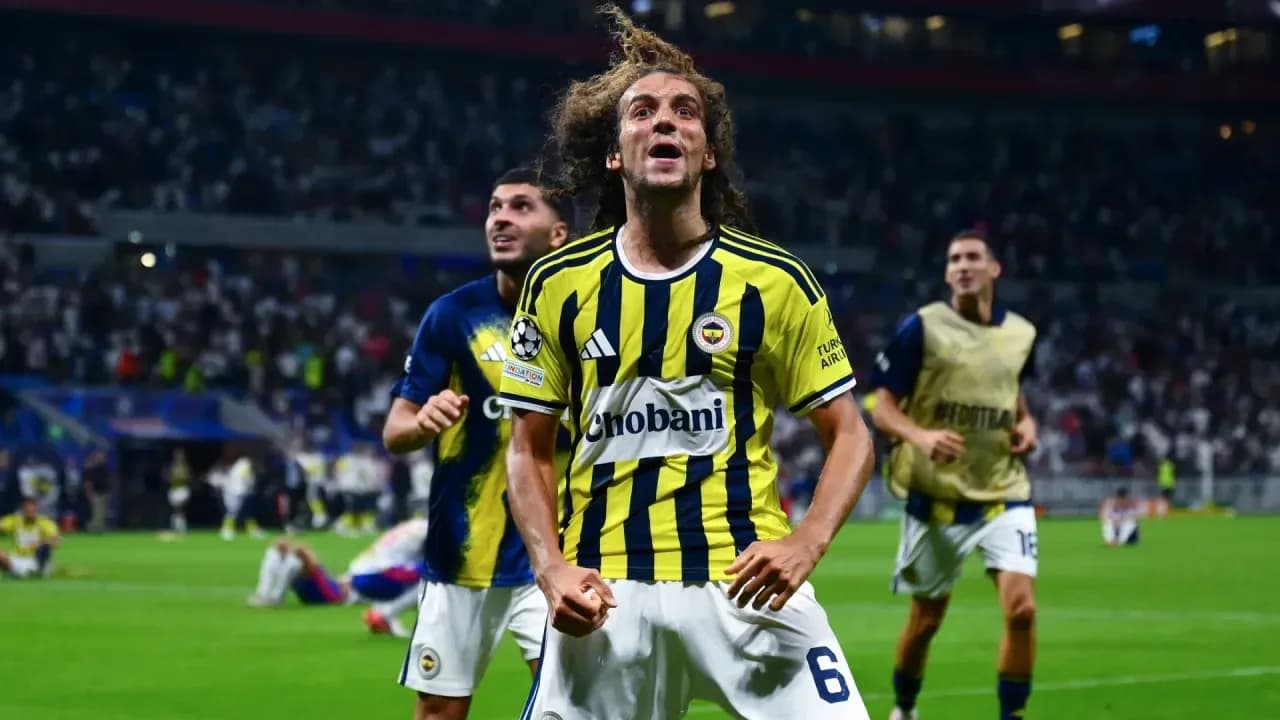
Fenerbahçe vs AS Roma: UEFA Champions League League Stage Opener
Under the lights of Chobani Stadium Fenerbahce Sukru Saracoglu, this League Stage opener in the UEFA Champions League brought together two sides at very different points in their European journeys. Fenerbahçe arrived with a clear seasonal identity already forged: unbeaten in total this campaign, with 6 matches played in the competition, 4 wins and 2 draws, and a balanced scoring profile of 8 goals for and 3 against overall. AS Roma, by contrast, stepped into Istanbul without a statistical footprint in this season’s Champions League – no matches played, no goals scored or conceded – a tactical idea more than a proven product.
On their travels this campaign, Fenerbahçe have been as steady as at home: 3 matches played away and 3 at home, with identical records of 2 wins and 1 draw in each dimension. Their attacking output is measured but reliable: 4 goals at home and 4 on their travels, an average of 1.3 goals per match in total. Defensively, they have been even more impressive: just 1 goal conceded at home and 2 on their travels, 3 in total, for a total average of 0.5 goals against. That gives them an overall goal difference of +5 (8 scored minus 3 conceded), a platform built on clean structure and concentration rather than chaos.
Yet for this fixture, that structure had to be reimagined. İ. Kartal departed from Fenerbahçe’s usual 4-2-3-1, rolling out a 4-3-3 that spoke both to necessity and ambition. The absences list was long and influential. M. Asensio (muscle injury) and M. Guendouzi (suspended by red card) stripped creativity and control from the right half-space and central midfield. J. Oosterwolde’s Achilles tendon injury and the absence of Rodrigo Becao removed depth and aggression from the back line, while A. Diouf, A. Fall and M. Yandas were listed off the roster, trimming rotation options further.
The response was a back four of M. Müldür, M. Škriniar, N. Aké and A. Brown in front of Ederson. In midfield, N. Kanté, İ. Yüksek and B. Elmaz formed a three designed to compress space and protect transitions, allowing a front line of M. Greenwood, V. Muriqi and K. Aktürkoğlu to stretch Roma horizontally and vertically. Kanté’s presence is the hinge: his capacity to patrol second balls and close passing lanes is what allows Fenerbahçe to sustain pressure without losing their defensive balance that has yielded 3 clean sheets in total.
AS Roma's Strategy
AS Roma arrived ranked 17th in the standings table, like Fenerbahçe on 0 points simply because this was the first league-stage match. With no prior Champions League minutes this season, there were no distribution trends to lean on – no card timing spikes, no patterns in goals for or against. But the lineup revealed Gasperini’s intent. A 3-4-2-1, with M. Svilar in goal behind a back three of G. Mancini, E. Ndicka and Hermoso, is a shape built to invite pressure and then cut through it. The wing presence of D. Rensch and Wesley, flanking the double pivot of B. Cristante and M. Koné, gave Roma the width and rest-defense structure needed to handle Fenerbahçe’s wide threats.
The injury list for Roma, though shorter, cut right into their creative core. L. Pellegrini’s thigh injury removed a natural conductor between the lines, and M. Bah’s knee injury took away an option in wide or advanced roles. That pushed P. Dybala and M. Soulé into even more central responsibility behind D. Malen. Dybala, operating as the primary creator, had to find pockets around Kanté and İ. Yüksek, while Soulé’s movement inside from the left half-space was critical to overloading Fenerbahçe’s right side.
Key Matchups
The “Hunter vs Shield” battle was clearest on Fenerbahçe’s side. Talisca, the competition’s top scorer for them with 4 goals in total and 2 penalties scored from 2 taken (no misses), did not start this fixture but his presence in the squad’s season profile loomed large over Roma’s defensive planning. Even when absent from the XI, the knowledge of his penalty reliability and 23 total shots so far shapes how defenders challenge in the box. For Roma, the Hunter mantle fell to Malen, supported by Dybala, against a defense that has conceded only 1 goal at home in the Champions League this season.
The “Engine Room” confrontation was equally compelling. For Fenerbahçe, Kanté’s screening, backed by the industrious İ. Yüksek and the more progressive B. Elmaz, had to contend with Cristante’s positional discipline and Koné’s ball-carrying. Roma’s double pivot was tasked with two simultaneous jobs: resisting Fenerbahçe’s press in a stadium that demands intensity, and preventing quick service into Muriqi’s feet and Greenwood’s channels.
On the flanks, K. Aktürkoğlu’s season numbers underlined his importance. With 2 assists in total, 12 key passes and 11 tackles, he is both creator and first presser. His duels total of 57 with 23 won shows a winger willing to work both ways. Up against Rensch’s right side and Mancini’s aggression stepping out from the back three, Aktürkoğlu’s timing between staying wide and attacking the half-space was a key lever for Kartal to pull.
Discipline and Late-Game Management
Discipline and late-game management were another quiet subplot. Fenerbahçe’s yellow cards this campaign cluster late: 30.77% of their total yellows arriving between 31-45 minutes, another 30.77% between 76-90, and a striking 38.46% between 91-105. That tells of a team that pushes the edge in the closing stages of each half, both when chasing and when protecting leads. Against a Roma side still statistically blank but tactically drilled, those late surges in aggression could either pin the Italians back or invite set-piece danger.
Statistically, Fenerbahçe entered this clash with the sturdier foundation: unbeaten overall, a +5 goal difference built on a total scoring average of 1.3 and a total concession average of 0.5, and 3 clean sheets in 6 matches. Their penalty record is spotless so far, with 2 scored and none missed. Roma, untested in this Champions League season, brought the unpredictability of a fresh campaign and the structural coherence of Gasperini’s 3-4-2-1.
The 1-1 final scoreline reflected that intersection: Fenerbahçe’s established resilience meeting Roma’s tactical boldness. Following this result, both sides left Istanbul knowing the story of their League Stage is only beginning – but the early chapters have already revealed where each squad’s strengths, voids and decisive battles lie.
Related News
Vincent Kompany's Bayern Munich Future Not Tied Solely to Champions League Outcome
Barcelona's Camp Nou Chosen for 2029 Champions League Final, Munich Set for 2028
Allianz Arena to Host 2028 UEFA Champions League Final
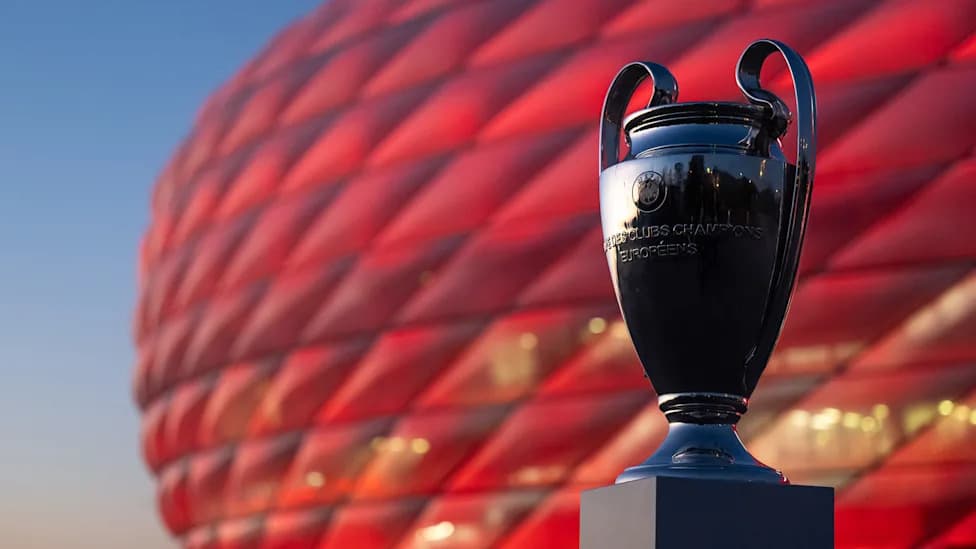
Allianz Arena to Host 2028 Champions League Final for Third Time
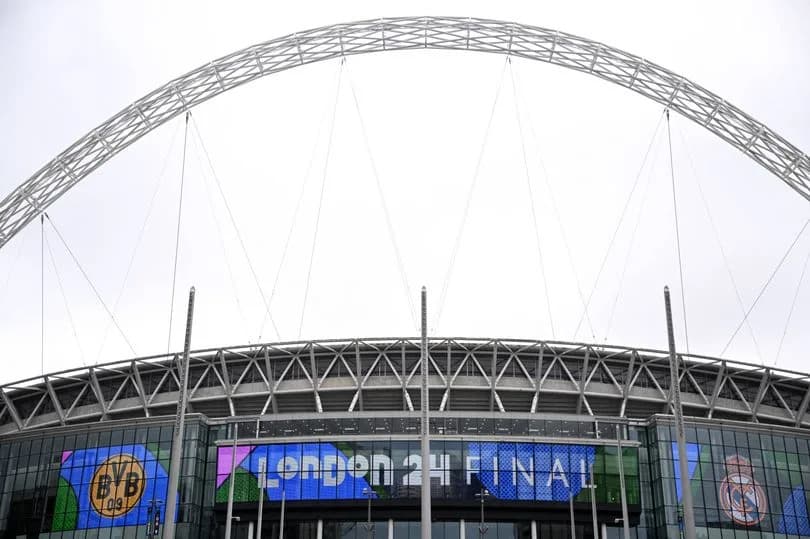
Barcelona's Nou Camp Chosen for 2029 UEFA Champions League Final Over Wembley and Dortmund
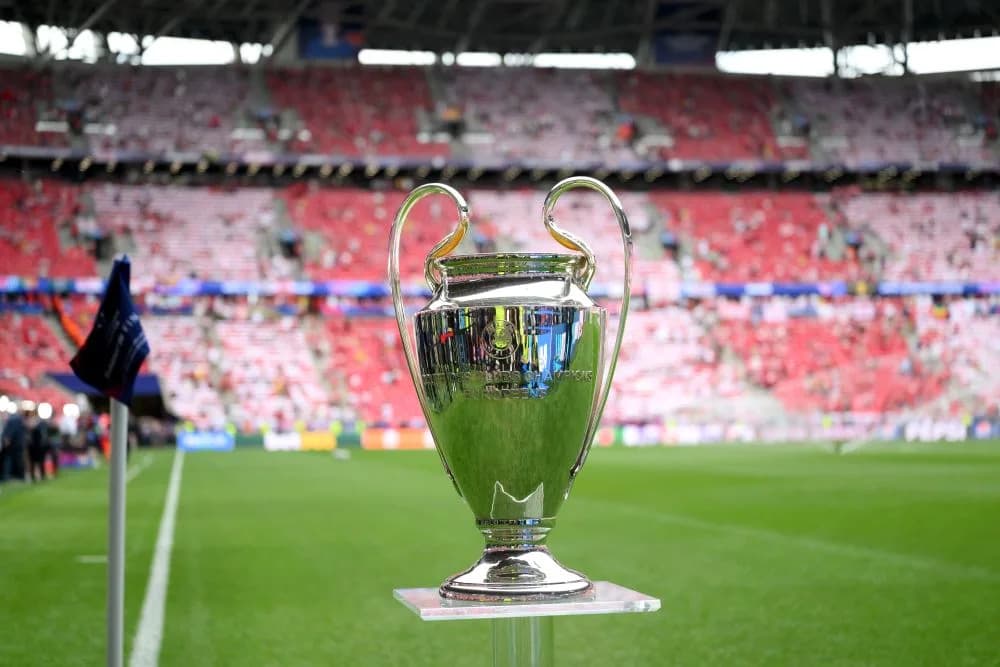
Five English Clubs Secure Wins in Champions League Opening Round