
FC Tulsa vs San Antonio: A Tactical Analysis of Group 3
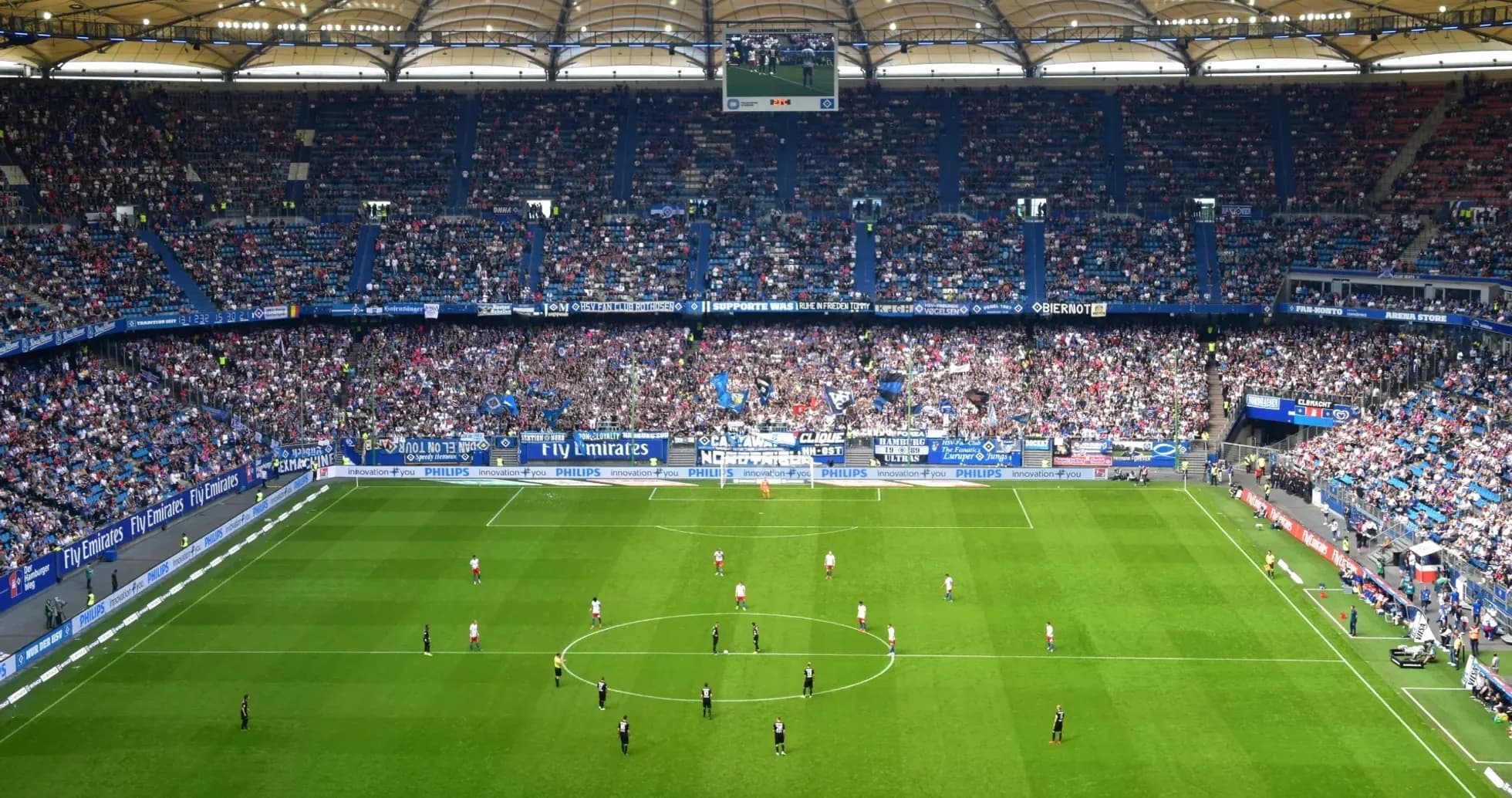
Under the floodlights of ONEOK Field, FC Tulsa’s Group 3 campaign in the USL League One Cup took a sharp twist. A 1–0 half-time lead dissolved into a 1–2 home defeat to San Antonio, a result that crystallised the contrasting identities of these two sides heading into the closing stretch of the group stage.
The Big Picture – Diverging paths in Group 3
The table tells a blunt story. Following this result, San Antonio sit as group leaders with 8 points from 3 matches, unbeaten with 2 wins and 1 draw. Their overall goal difference is +4, carved from 6 goals for and only 2 against. On their travels, they have been ruthless: 2 away games, 2 wins, 3 goals scored and just 1 conceded.
FC Tulsa, by contrast, occupy 2nd in Group 3 on 4 points from 3 matches. Overall, they have scored 5 and conceded 6, giving them a goal difference of -1. The split between home and away is stark. At home, they have played 2, lost 2, with 2 goals scored and 4 conceded. On their travels, they have been perfect: 1 away match, 1 win, 1 goal scored and none conceded.
The match itself mirrored those broader patterns. Tulsa started brightly, taking a 1–0 lead into the interval. Yet San Antonio’s calm, structured response after the break – and their growing habit of managing tight games – turned the night around, delivering a comeback that underlined why their overall goals against average of 0.3 and away average of 0.5 make them the defensive benchmark of this group.
Tactical Voids and Discipline – Edges at the margins
There were no officially listed absentees, so both Luke Spencer and Carlos Llamosa had near-full decks to play with. That made the selection choices revealing.
For Tulsa, A. Tambakis anchored the side from goal, with a back line built around A. Clarke and L. Batista, and flanked by the energy of L. Stauffer. In midfield, G. Colli and J. Kocevski formed the central axis, with G. Robinson and B. Sparks tasked with linking the thirds. Up front, the creative burden fell heavily on R. Cabral and J. Webber, both asked to shuttle between lines and give Tulsa a route out of pressure.
San Antonio’s XI was more overtly balanced. J. Batrouni in goal had the protection of a seasoned defensive core: A. Crognale and M. Taintor at the heart of the back line, with A. Ward and D. Barbir providing width and defensive aggression. Ahead of them, the double pivot of N. Blanco and J. Hernandez offered both ball-winning and progression, while L. Berron and M. Maldonado worked the flanks. E. Cuello operated as a connective playmaker, knitting moves into the channels where C. Sorto could threaten the space behind.
The disciplinary profiles of the two clubs framed the risk landscape before a ball was kicked. Heading into this game, Tulsa’s yellow card distribution showed a pronounced spike between 46–60 minutes, where 4 yellows accounted for 28.57% of their cautions, and a notable late-game edge with 3 yellows (21.43%) between 76–90 minutes. More worrying for Spencer, both of Tulsa’s red cards this campaign had arrived in that 76–90-minute band, a sign of emotional and physical fatigue under late pressure.
San Antonio’s card map was different. Their yellows were more concentrated in the closing stages: 3 cautions (37.50%) between 76–90 minutes, but crucially, no reds in any phase. Llamosa’s side flirt with the line late on but, so far, have not stepped over it.
In a tight group-stage environment, that difference matters. Tulsa’s tendency to fray late, set against San Antonio’s ability to stay on the right side of the disciplinary line, helped tilt the risk-reward balance once the visitors began to chase the game in the second half.
Key Matchups – Hunter vs Shield, Engine Room vs Enforcer
With no official top-scorer list available, the “Hunter vs Shield” narrative in this fixture was less about individual star power and more about system against system.
Tulsa’s attack at home has produced an average of 1.0 goal per match, but it leans heavily on the interchanges between Cabral, Webber, Sparks and Robinson. Their patterns are short, combination-heavy, designed to drag defenders into awkward zones rather than rely on a single focal point. Against a San Antonio side conceding just 0.5 goals per game away and 0.3 overall, those small margins of timing and spacing were always going to be decisive.
San Antonio’s “shield” is collective. Crognale and Taintor patrol the central corridor, with Blanco and Hernandez screening in front. That box of four, supported by the work rate of Berron and Maldonado, compresses the middle third and forces opponents to play either rushed vertical passes or hopeful crosses. In this match, once San Antonio settled after conceding, that structure began to suffocate Tulsa’s central lanes. The home side’s early fluency gave way to longer, riskier passes that played into the visitors’ hands.
In the “Engine Room” duel, Tulsa’s Colli and Kocevski were up against Blanco and Hernandez. Early on, Tulsa’s pair found pockets to receive and face forward, allowing Sparks and Robinson to join attacks. But as San Antonio raised their line and compressed the pitch, Blanco’s anticipation and Hernandez’s positioning began to dictate the tempo. Turnovers in that zone became the springboard for San Antonio’s comeback, with Cuello drifting between the lines to exploit the spaces left when Tulsa’s midfield tried to step higher in search of a second goal.
Statistical Prognosis – Why San Antonio’s model travels
Strip away the narrative and the numbers still point in the same direction. Heading into this game, San Antonio’s overall attacking output stood at 4 goals from 3 matches, an average of 1.3 per game, with 1.5 on their travels. Defensively, they had allowed just 1 goal in 3, for an overall average of 0.3 and 0.5 away. That is the profile of a side whose xG allowed is likely to be consistently low, and whose own xG does not need to be spectacular to deliver wins.
Tulsa’s statistical profile is more fragile. Overall, they had scored 3 and conceded 4 in the Cup, for an average of 1.0 goal for per match and 1.3 against. At home, the imbalance is even sharper: 2 goals scored, 4 conceded, with a home goals against average of 2.0. That suggests a side whose defensive xG is trending too high in front of their own fans, either through structural exposure or repeated individual errors.
This match unfolded along those expected lines. Tulsa’s early surge hinted at a side whose attacking xG at home can spike in short bursts. But once San Antonio absorbed that phase, their defensive solidity and controlled aggression – underpinned by a clean disciplinary record and a proven ability to manage away fixtures – gradually bent the game to their will.
Following this result, the tactical verdict is clear. San Antonio’s compact, disciplined model is built to travel and to survive the stress points of group-stage football. FC Tulsa, meanwhile, remain an intriguing, flawed proposition: capable of bright spells and away resilience, but still searching for a home blueprint that can withstand the kind of measured, methodical pressure that San Antonio applied so effectively in this 2–1 comeback.
Related News

Indy Eleven Edges Lexington in USL League One Cup Showdown
Louisville City Edges Detroit City in Penalty Shootout
Lexington vs Indy Eleven: Key USL League One Cup Clash
Lexington vs Indy Eleven: USL League One Cup Group Stage Preview
Detroit City vs Louisville City Match Preview

Lexington vs Indy Eleven Predicted Lineups: Team News and Match Insights