
Colorado Springs Secures Victory Over El Paso Locomotive in USL League One Cup
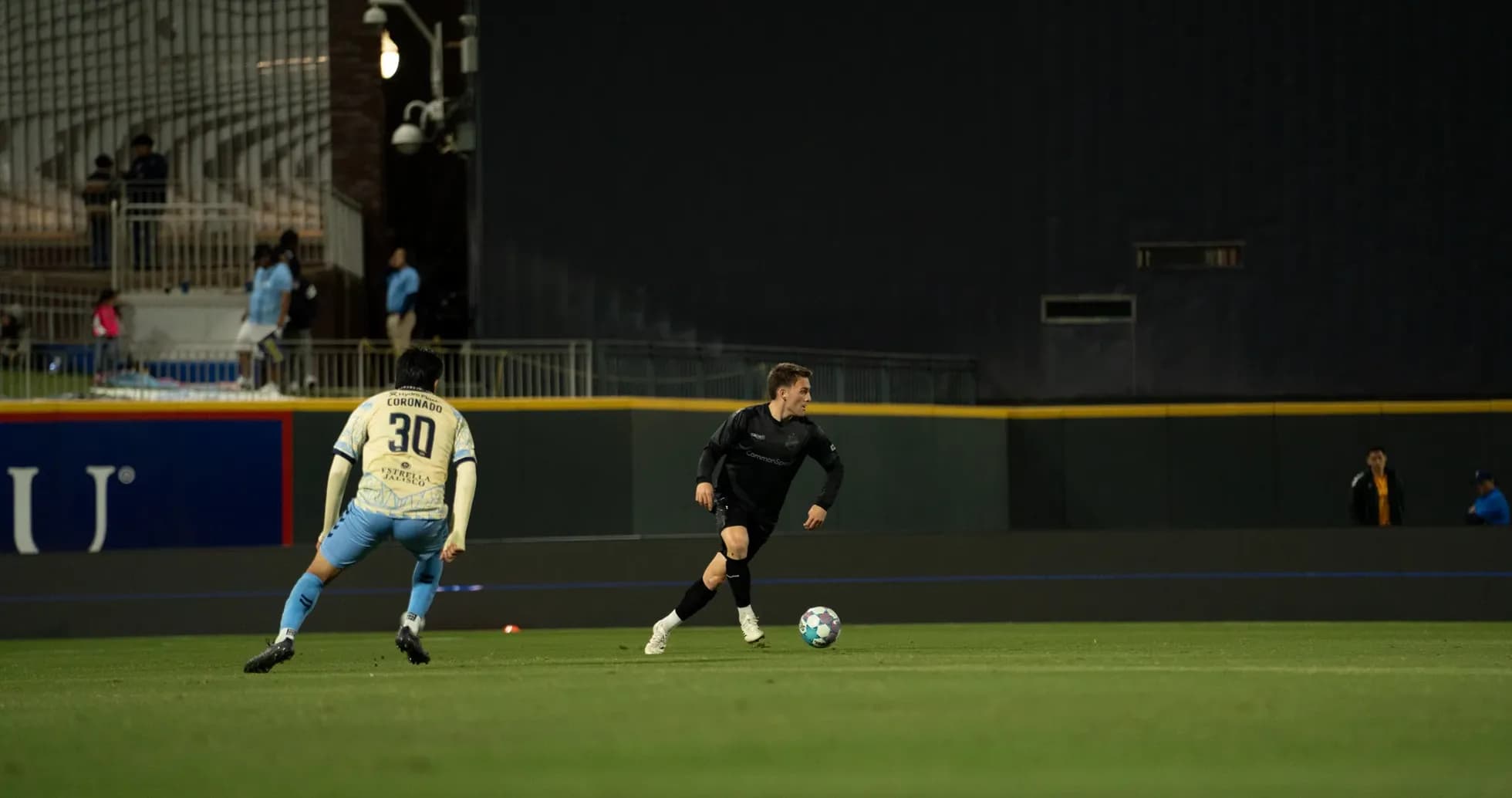
Under the lights at Weidner Field, Colorado Springs and El Paso Locomotive met in a Group Stage clash that felt more like a knockout tie than a routine pool game. The USL League One Cup may still have been in its opening phase, but the table gave this fixture a sharp edge: Colorado Springs heading into this game as group leaders, El Paso as the only side with a realistic chance of dragging them into a final‑day scrap.
Colorado Springs arrived with a perfect record in the competition. Overall this campaign they had played 3, won 3, scored 7 and conceded just 1. That +6 goal difference was the clearest expression of their seasonal DNA: front‑foot, high‑impact attacking at home, underpinned by a quietly ruthless defensive line. At home they had been even more emphatic: 2 wins from 2, 6 goals for and only 1 against, an average of 3.0 goals scored and 0.5 conceded per match at Weidner Field.
El Paso’s profile was different but no less dangerous. Overall they came in with 2 wins and 1 defeat from 3, 5 goals for and 3 against, a goal difference of +2. On their travels they were less controlled but still threatening: 2 away games, 1 win and 1 loss, 3 goals scored and 3 conceded, averaging 1.5 goals both for and against. If Colorado Springs were the group’s metronome, El Paso were its disruptor.
The lineups underlined that contrast. Alan McCann’s Colorado Springs side leaned on continuity and chemistry. C. Shutler in goal anchored a back line built around the composure of T. Maples and G. Metusala, with P. Burner and A. Rocha giving the unit mobility and width. In front of them, S. Williams and S. Masereka offered the platform: Williams as the screening presence, Masereka as the runner who could break lines. The attacking band of T. Magee, F. Daroma and the elusive Y. Hanya buzzed around central forward J. Tejada, a front four designed to overload half‑spaces rather than simply sling crosses into the box.
Junior Gonzalez’s El Paso XI had a more hybrid feel. A. Romero in goal sat behind a defence marshalled by Tony Alfaro, with K. Twumasi, A. Quezada and R. Ruiz giving the back line a blend of physicality and technical range. In midfield, E. Calvillo and D. Gomez formed the engine, flanked and supported by the versatile Gabriel Torres and A. Mendez. Between the lines, A. Moreno was the natural connector into R. Rubin, the nominal spearhead but also a player comfortable dropping out to drag centre‑backs into awkward pockets.
Tactically, the story of the night was always going to be written in the spaces between those structures. Colorado Springs’ home scoring average of 3.0 suggested they would again look to impose themselves early, using the energy of Magee and Hanya to pin El Paso’s full‑backs and force the visitors into longer, riskier passes out of defence. With Colorado Springs having failed to score in 0 home games this campaign and carrying a total clean‑sheet count of 2 from 3, the underlying pattern was clear: they tend to land the first punch and then close the door.
El Paso’s task was to bend that script without breaking. Their overall scoring rate of 1.7 goals per match and the fact they had failed to score in 0 games suggested they would find chances; the question was whether they could keep Colorado Springs’ attack from running away with the game. Overall they conceded 1.0 goal per match, but that number rose to 1.5 on their travels, a sign that their defensive block is more vulnerable when forced to defend large spaces.
Discipline loomed as a quiet but important subplot. Colorado Springs’ yellow card profile showed a team that tends to collect cautions as the game wears on: 22.22% of their yellows arriving between 61‑75 minutes and another 22.22% between 76‑90, with a late spike of 33.33% from 91‑105. That pattern hints at an aggressive, game‑management edge once they are ahead, especially in the closing phases.
El Paso’s distribution was sharper and more volatile. Half of their yellows came in the 31‑45 window (50.00%), with another 16.67% between 61‑75 and 33.33% from 91‑105. More tellingly, they had already seen a red card between 16‑30 minutes (100.00% of their reds in that band). That early‑half volatility suggested a side that can be dragged into emotional contests just as the game is settling, a dangerous trait against a Colorado Springs outfit that thrives on turning pressure into territorial dominance.
Within that disciplinary landscape, several individual duels framed the narrative. Maples and Metusala versus Rubin was the clearest “Hunter vs Shield” battle. Colorado Springs’ defence, with just 1 goal conceded overall and an average of 0.3 per match, represented one of the most miserly units in the competition. Rubin, supported by Moreno and the late‑arriving runs of Mendez and Torres, had to find ways to disrupt their positioning, either by dragging them wide or forcing them to defend crosses on the move rather than from set blocks.
In the “Engine Room,” the confrontation between Colorado Springs’ double pivot of S. Williams and S. Masereka and El Paso’s Calvillo–Gomez axis was decisive. Williams’ reading of second balls and Masereka’s ability to step past pressure were central to Colorado Springs’ ability to turn defence into fast, vertical attacks. Calvillo and Gomez, by contrast, had to slow those transitions, foul cleverly when necessary, and feed Moreno in pockets where he could dictate tempo rather than chase it.
With no penalties taken by either side in the competition so far (0 total penalties for both, 0 scored, 0 missed), the margins were always likely to be found in open play and set pieces rather than from the spot. That placed even greater emphasis on concentration in the final third and on how each side managed the key momentum swings around half‑time and in the last quarter of an hour.
Following this result, Colorado Springs’ 2‑1 victory felt like a crystallisation of the underlying numbers rather than an upset. The home side’s superior attacking volume at Weidner Field, combined with their overall defensive parsimony, made them marginal favourites in any xG‑based projection, even allowing for El Paso’s respectable away scoring rate. El Paso’s profile suggested they would land blows, but also that they were likely to concede enough territory and chances for Colorado Springs to edge the balance.
In the end, that is exactly how the night unfolded: a tight, competitive contest in which Colorado Springs’ structural solidity and home‑field attacking rhythm gave them just enough to stay perfect at the top of Group 2, while El Paso were left to reflect on how narrow the gap really was between chasing and catching the group’s standard‑bearers.
Related News

Indy Eleven Edges Lexington in USL League One Cup Showdown
Louisville City Edges Detroit City in Penalty Shootout
Lexington vs Indy Eleven: Key USL League One Cup Clash
Lexington vs Indy Eleven: USL League One Cup Group Stage Preview
Detroit City vs Louisville City Match Preview

Lexington vs Indy Eleven Predicted Lineups: Team News and Match Insights