
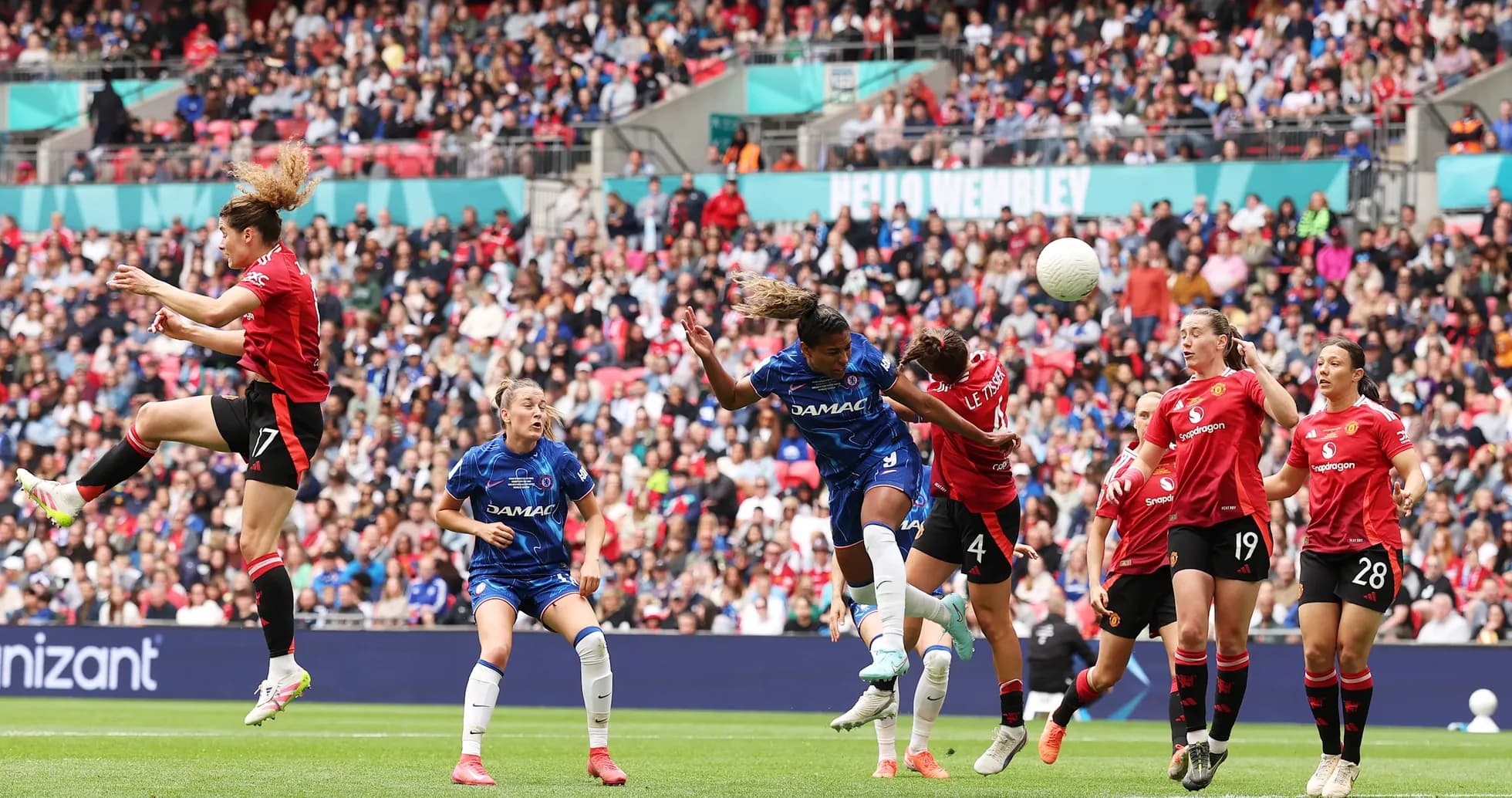
Chelsea W vs Manchester United W: FA WSL Clash for Champions League Spot
Stamford Bridge stages another heavyweight FA WSL clash on 16 May 2026 as third‑placed Chelsea W host fourth‑placed Manchester United W in what shapes as a de facto play‑off for Champions League positioning. Chelsea arrive with 46 points and a Champions League qualification spot already marked next to their name, but United, on 40 points, can still apply real pressure in the final stretch of the season. With just one league game left for both sides (this is “Regular Season - 22”), the margins for error are slim.
Context and stakes
In the league, Chelsea W have built their season on consistency: 14 wins, 4 draws and only 3 defeats from 21 matches, with 43 goals scored and 20 conceded. Manchester United W mirror that solidity, losing just 3 times as well (11 wins, 7 draws), but drawing more often has left them six points back.
Chelsea’s recent league form column reads “WWWDW” – four wins and a draw from their last five – while United’s “DDLWD” shows only one win in the same span, with three draws and a defeat. On momentum alone, the hosts look the sharper side coming into this.
At Stamford Bridge, Chelsea have been strong: 8 wins and 2 defeats from 10 home league matches, scoring 19 and conceding just 8. United, though, are one of the division’s best travellers: 6 wins, 3 draws and only 1 defeat from 10 away games, with 20 scored and 8 conceded. This is a clash between an elite home side and an elite away side; neither is used to being second‑best in these conditions.
Tactical shapes and stylistic contrast
The data suggests Chelsea W are the more tactically flexible outfit. Across all phases of the season they have used at least six different formations, led by a 4‑1‑4‑1 (6 times) and 4‑2‑3‑1 (3 times), but also variants of back threes such as 3‑4‑2‑1 and 3‑5‑2. That variety points to a side comfortable adjusting their structure to the opponent, either adding an extra centre‑back for security or an extra attacker when chasing control.
Manchester United W, by contrast, have a more defined identity. They have lined up in 4‑2‑3‑1 in 10 matches, with 4‑1‑4‑1 and 4‑4‑2 as occasional alternatives. Expect them to arrive in a compact 4‑2‑3‑1, looking to protect their back line with a double pivot and spring forward through their attacking midfielders.
Chelsea’s numbers underline a balanced, front‑foot approach. They average 2.0 goals per league game (1.9 at home, 2.2 away) while conceding just 1.0 (0.8 at home). Eight clean sheets and only two league matches without scoring show how rarely they lose control at both ends of the pitch. Their biggest home win, 5-0, and their heaviest home defeat, 0-2, hint at a side that can dominate but is not completely invulnerable if caught on an off day.
United’s profile is similar but slightly less explosive: 1.8 goals for per game, 1.0 against. Interestingly, they are actually more efficient away from home – 2.0 scored and only 0.8 conceded on average – and have kept five away clean sheets. That away resilience, coupled with only one away defeat, is a major pillar of their challenge here.
Discipline could also matter. Chelsea accumulate many of their yellow cards between 31 and 45 minutes, suggesting a tendency to tighten up as the first half wears on. United spread their bookings more evenly, with a cluster just after half‑time (46–60 minutes) and another in added time (91–105), and they have had one red card in the 61–75 minute window this season. In a high‑stakes game, managing those emotional phases will be critical.
From the spot, both teams have perfect league records this season based on team‑level data: Chelsea have scored 1 of 1 penalties, United 1 of 1. No individual penalty taker data contradicts this, so any penalty awarded could be decisive.
Key players and attacking threats
For Chelsea W, Alyssa Paola Thompson stands out as a central attacking figure. With 6 league goals and 3 assists in 19 appearances (15 starts), she has been directly involved in 9 goals. Her shooting numbers – 23 shots, 13 on target – show a good level of efficiency, while 21 key passes and 79% pass accuracy underline her value in link play as much as finishing.
Thompson’s dribbling (20 attempts, 7 successful) and duels (89 contested, 35 won) suggest a forward who is asked to take on defenders and occupy back lines, not just finish chances. Chelsea’s flexible formations allow her to operate either as the spearhead in a 4‑1‑4‑1 or as one of the attacking line in a 4‑2‑3‑1, which can stretch United’s defensive block horizontally.
Manchester United W’s creativity is spread more across the lines. Jessica Park has been a standout midfielder: 4 goals and 3 assists in 21 appearances, with 17 key passes and 83% pass accuracy. She attempts a high volume of dribbles (54, with 31 successful), and has won exactly half of her 115 duels. In a 4‑2‑3‑1, she can operate between the lines, trying to exploit any gaps between Chelsea’s single pivot and back four.
Up front, Elisabeth Terland provides the cutting edge. She has 4 league goals from 17 appearances (13 starts), with 27 shots and 17 on target – a strong on‑target ratio. Though less involved in build‑up (113 passes, 68% accuracy), her role is more about occupying centre‑backs and finishing moves. If United can feed her early in transitions, she can test Chelsea’s defensive structure.
Recent head‑to‑head record
The last five competitive meetings between these sides show a clear edge for Chelsea W:
- 15 March 2026, WSL Cup Final at Ashton Gate Stadium: Chelsea W 2-0 Manchester United W – Chelsea win.
- 22 February 2026, FA Women’s Cup Round 5 at Kingsmeadow: Chelsea W 2-1 Manchester United W after extra time (1-1 in 90 minutes) – Chelsea win.
- 3 October 2025, FA WSL at Leigh Sports Village: Manchester United W 1-1 Chelsea W – Draw.
- 18 May 2025, FA Women’s Cup Final at Wembley Stadium: Chelsea W 3-0 Manchester United W – Chelsea win.
- 30 April 2025, FA WSL at Leigh Sports Village Stadium: Manchester United W 0-1 Chelsea W – Chelsea win.
Across these five competitive fixtures, Chelsea have 4 wins, Manchester United have 0, and there has been 1 draw. Importantly, Chelsea have kept three clean sheets in that span and have won both cup finals, underlining a psychological and tactical advantage in high‑pressure meetings.
Likely game pattern
Given Chelsea’s strong home record and recent form, they are likely to take territorial initiative, using a 4‑1‑4‑1 or 4‑2‑3‑1 to pin United back and create overloads in wide areas. Thompson’s movement between the lines and into the channels should be a key feature, supported by an advanced midfield line pressing high.
United, with their excellent away defensive record, may be content to sit a little deeper in their 4‑2‑3‑1, trusting the double pivot to screen central areas and looking to launch Park and Terland quickly on the break. Their five away clean sheets suggest they are comfortable suffering without the ball, but they must be precise in transition to punish any Chelsea overcommitment.
The absence of any listed injuries or suspensions in the data means both managers are, on paper, close to full strength. That increases the likelihood of a high‑quality, tactically nuanced contest rather than a makeshift, attritional battle.
The verdict
All indicators tilt slightly towards Chelsea W. They have the better league form, a stronger home record, a marginally more potent attack, and a dominant recent head‑to‑head record over Manchester United W, including two cup finals. United’s outstanding away numbers and defensive resilience mean this is unlikely to be straightforward, but the weight of evidence points to the hosts.
Expect a tight, high‑level match in which Chelsea’s attacking variety and psychological edge from recent encounters give them just enough to edge a narrow home win, while United will need an exceptional away performance to break both the Stamford Bridge record and the recent Chelsea hoodoo.
Related News
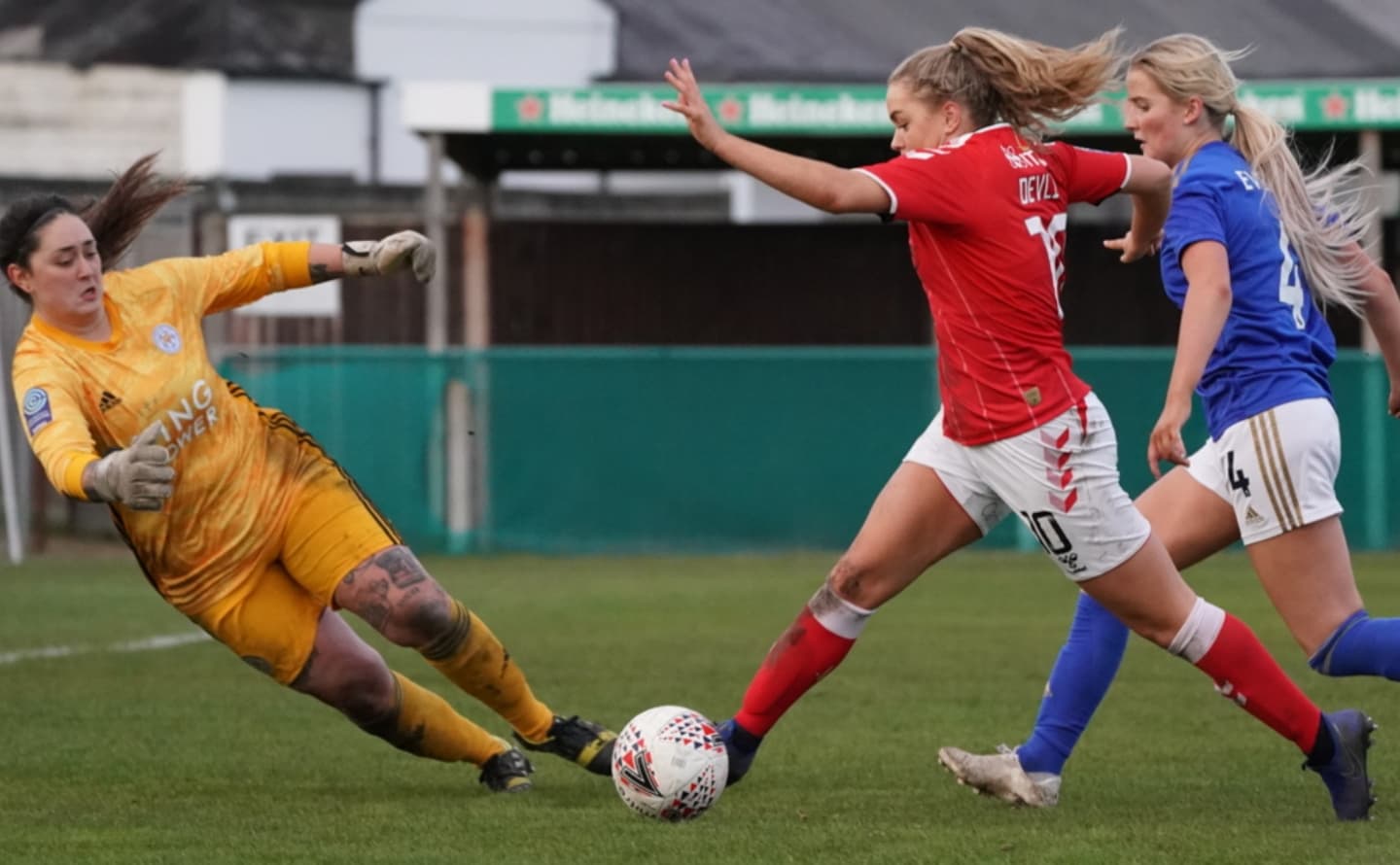
Charlton Athletic W vs Leicester City WFC: FA WSL Final Preview

London City Lionesses Secure Comeback Victory Over Aston Villa W
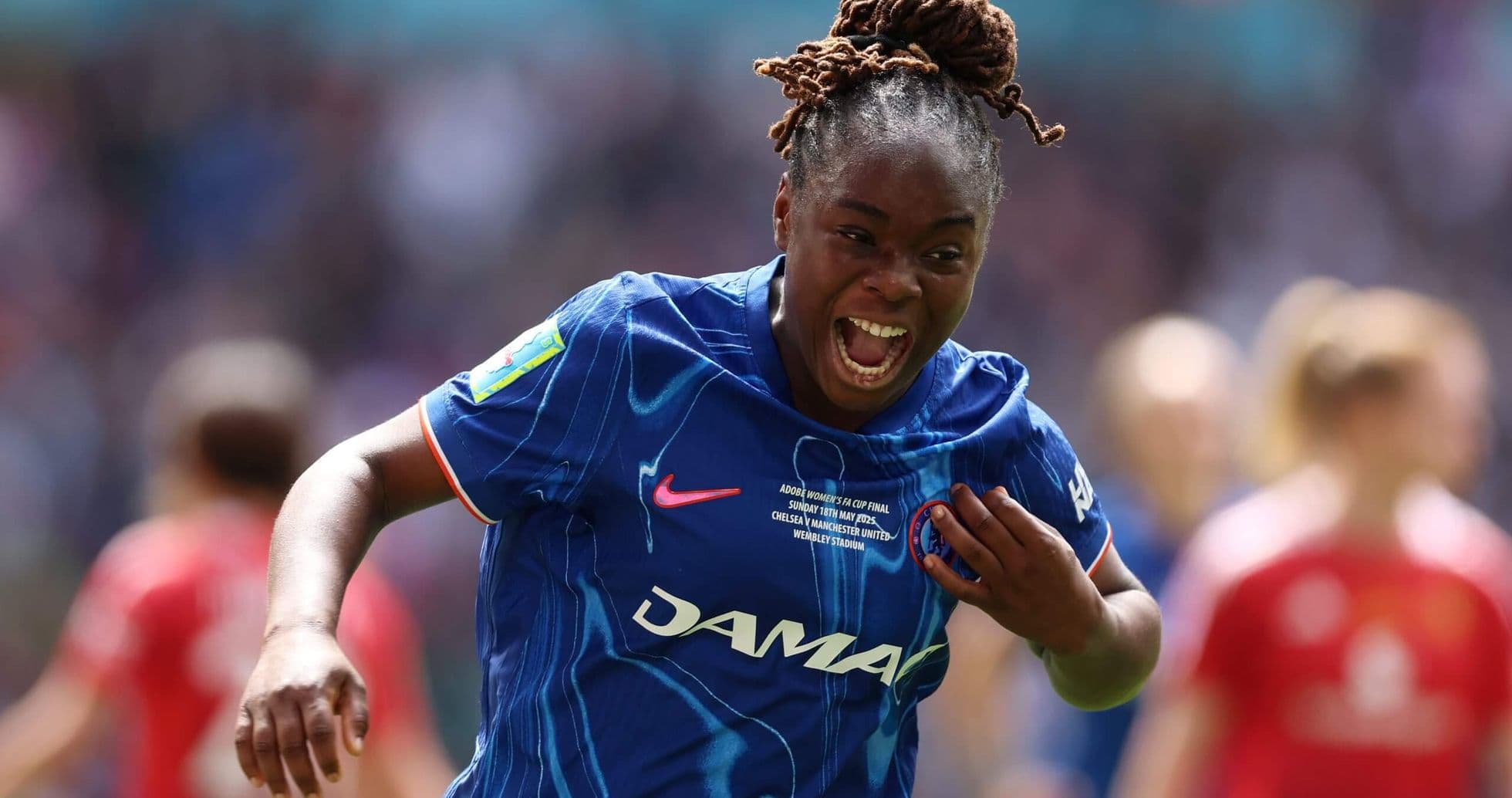
Chelsea W vs Manchester United W: A Tactical Analysis of the FA WSL Clash
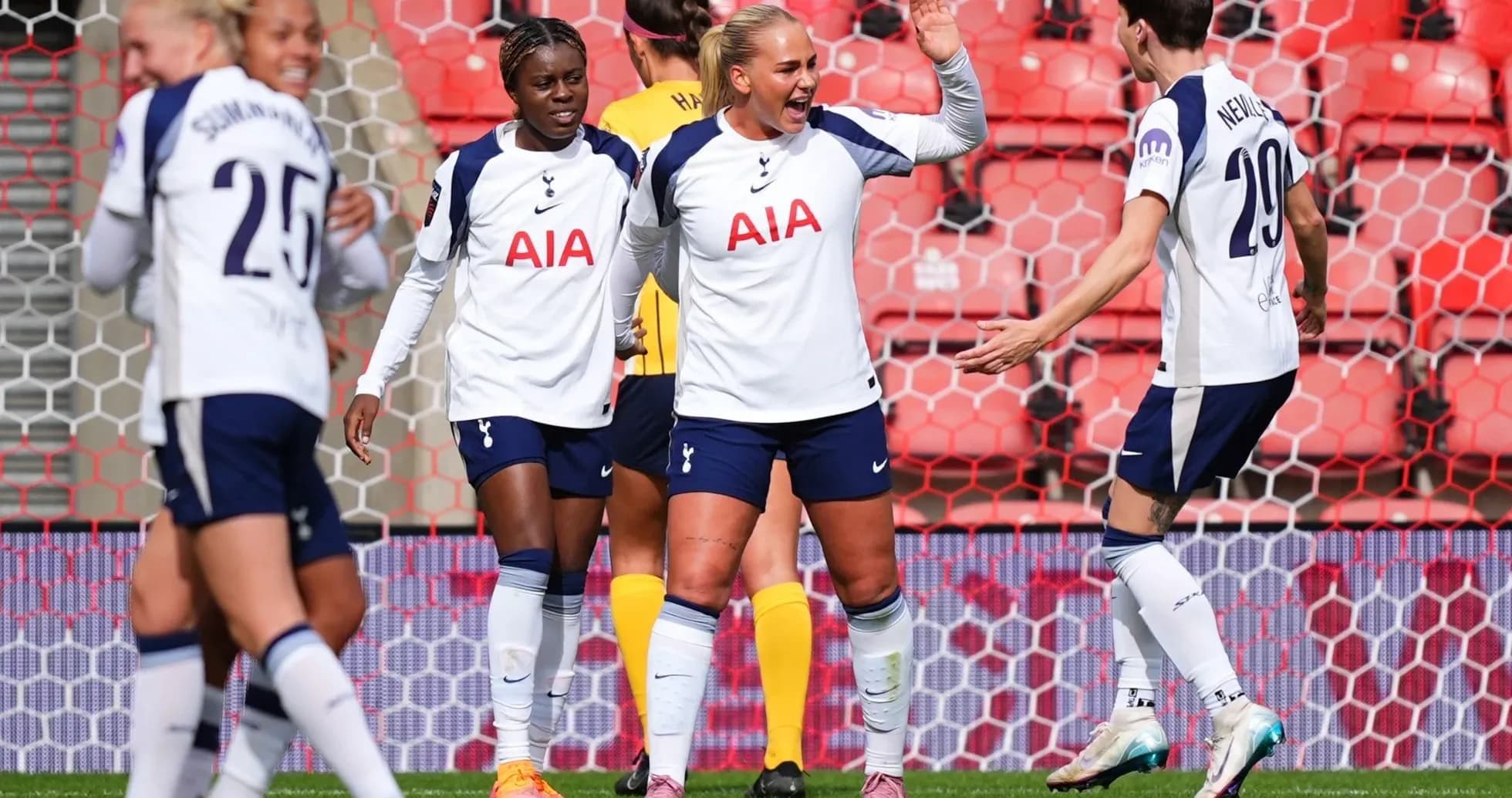
Tottenham Hotspur W Claims Victory Over Brighton W in FA WSL Clash
Liverpool W vs Arsenal W: A Tale of Two Teams in FA WSL

Manchester City Dominates West Ham in 2025 FA WSL Clash