
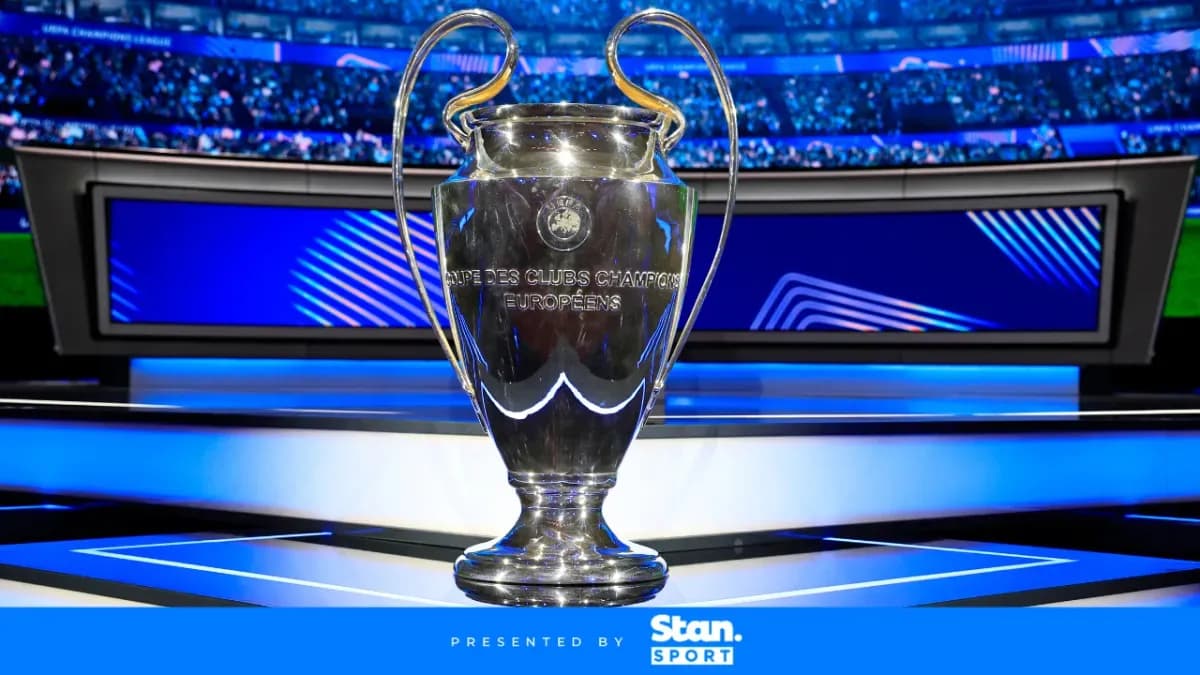
Understanding the Champions League Format for 2026-27: League Phase and Knockout Stages
The UEFA Champions League remains Europe's premier club football tournament, attracting the continent's top teams in a multi-stage contest. After the format changes introduced in 2024/25, the competition's structure may still be unfamiliar to some fans.
This guide breaks down the new format and explains how both the league phase and knockout rounds operate in the 2026-27 season.
The New League Phase Explained
The biggest change since 2024/25 is the replacement of the traditional group stage with a larger "league phase." Instead of 32 teams divided into eight groups of four, there are now 36 teams competing in a single league table.
During this phase, each team faces eight opponents—playing four matches at home and four away. The matchups are set through a draw that considers seeding pots based on UEFA coefficients. Teams earn three points for a win and one for a draw.
The league table ranks all 36 teams from first to thirty-sixth place. From here, the top eight clubs secure direct entry into the Round of 16. Teams placed ninth through twenty-fourth enter the knockout playoff round, while those finishing in the bottom 12 are eliminated from European competitions entirely without dropping to the Europa or Conference Leagues.
Number of Teams and Coefficient-Based Seedings
The increase from 32 to 36 teams adds two extra spots awarded to leagues with the best UEFA rankings, which last season were England and Spain.
The league phase draw uses four seeding pots of nine teams each, grouped largely by UEFA club coefficient points. Last season's Champions League winners, PSG, are automatically placed in Pot 1.
- Pot 1: PSG (France), Bayern Munich (Germany), Arsenal (England), Real Madrid (Spain), Inter Milan (Italy), Manchester City (England), Barcelona (Spain), Liverpool (England), Borussia Dortmund (Germany)
- Pot 2: Atletico Madrid (Spain), Aston Villa (England), AS Roma (Italy), Porto (Portugal), Club Brugge (Belgium), Sporting CP (Portugal), Real Betis (Spain), PSV Eindhoven (Netherlands), Manchester United (England)
- Pot 3: Napoli (Italy), Lille (France), Shakhtar Donetsk (Ukraine), Bodo/Glimt (Norway), Feyenoord (Netherlands), RB Leipzig (Germany), Galatasaray (Turkey), Villarreal (Spain), Slavia Prague (Czechia)
- Pot 4: Stuttgart (Germany), Lens (France), LASK (Austria), Sabah (Azerbaijan), Como (Italy), and four TBD teams
What Is the Swiss Model?
The new league phase draws inspiration from the "Swiss model," where teams face a set number of different opponents rather than playing every team or fixed groups. This method increases variety and competitiveness, giving fans more chances to see top teams meet earlier and more often.
Changes to Knockout Rounds
The knockout phase has expanded due to the extra teams qualifying. Instead of jumping straight to a Round of 16, the tournament now features a knockout playoff round involving 16 teams ranked 9th to 24th in the league phase.
The top eight teams get a bye past this round and await the playoff winners in the Round of 16.
The knockout playoff draw pairs seeded teams (9th-16th) against unseeded teams (17th-24th). This draw also lays out most of the bracket for the remainder of the competition. Later, the Round of 16 draw decides which playoff winner each top seed faces.
Teams Eliminated Without Europa League Drop
Unlike the previous format where third-place group finishers dropped into the Europa League, teams ending in the lowest 12 spots of the league phase are now fully eliminated from European tournaments for the season.
2027 Champions League Final Details
The final match will be held on Saturday, June 5, 2027, at the Metropolitano Stadium in Madrid, Spain—the home ground of La Liga’s Atletico Madrid.
Related News

Vincent Kompany's Bayern Munich Future Not Tied Solely to Champions League Outcome

Barcelona's Camp Nou Chosen for 2029 Champions League Final, Munich Set for 2028
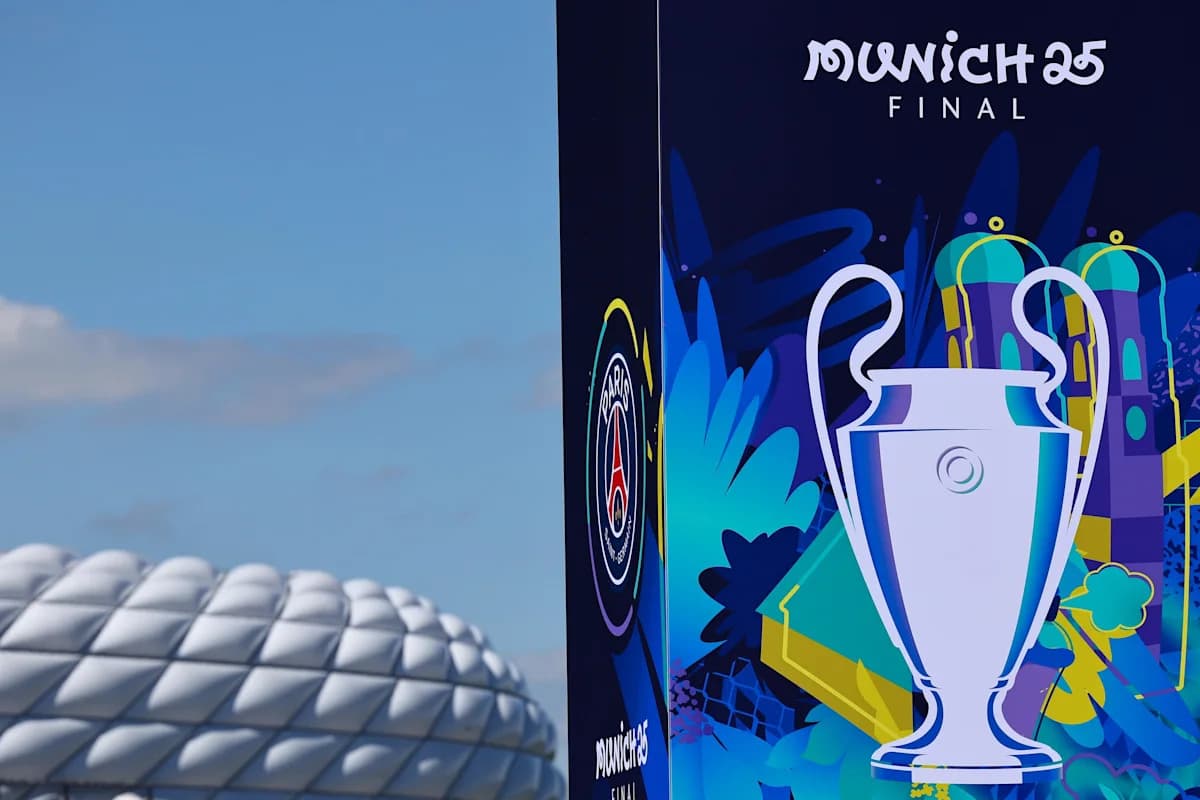
Allianz Arena to Host 2028 UEFA Champions League Final
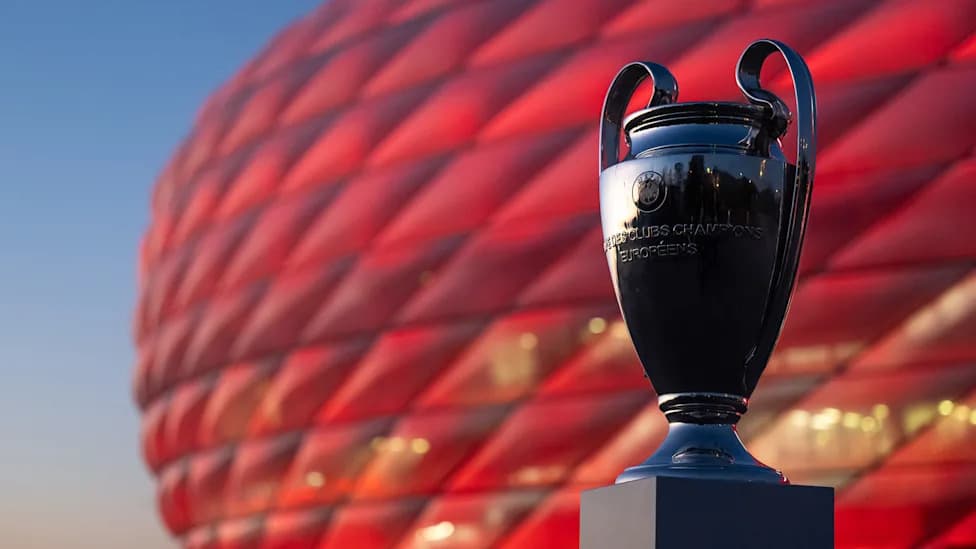
Allianz Arena to Host 2028 Champions League Final for Third Time
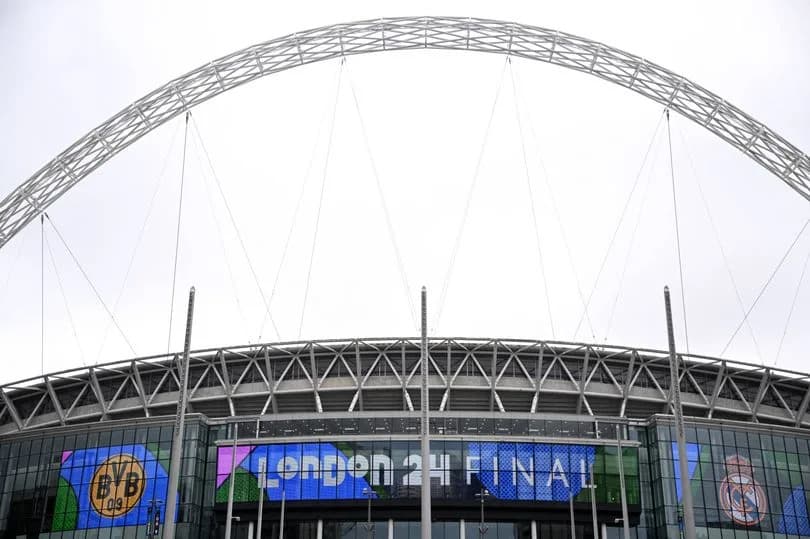
Barcelona's Nou Camp Chosen for 2029 UEFA Champions League Final Over Wembley and Dortmund
Five English Clubs Secure Wins in Champions League Opening Round