
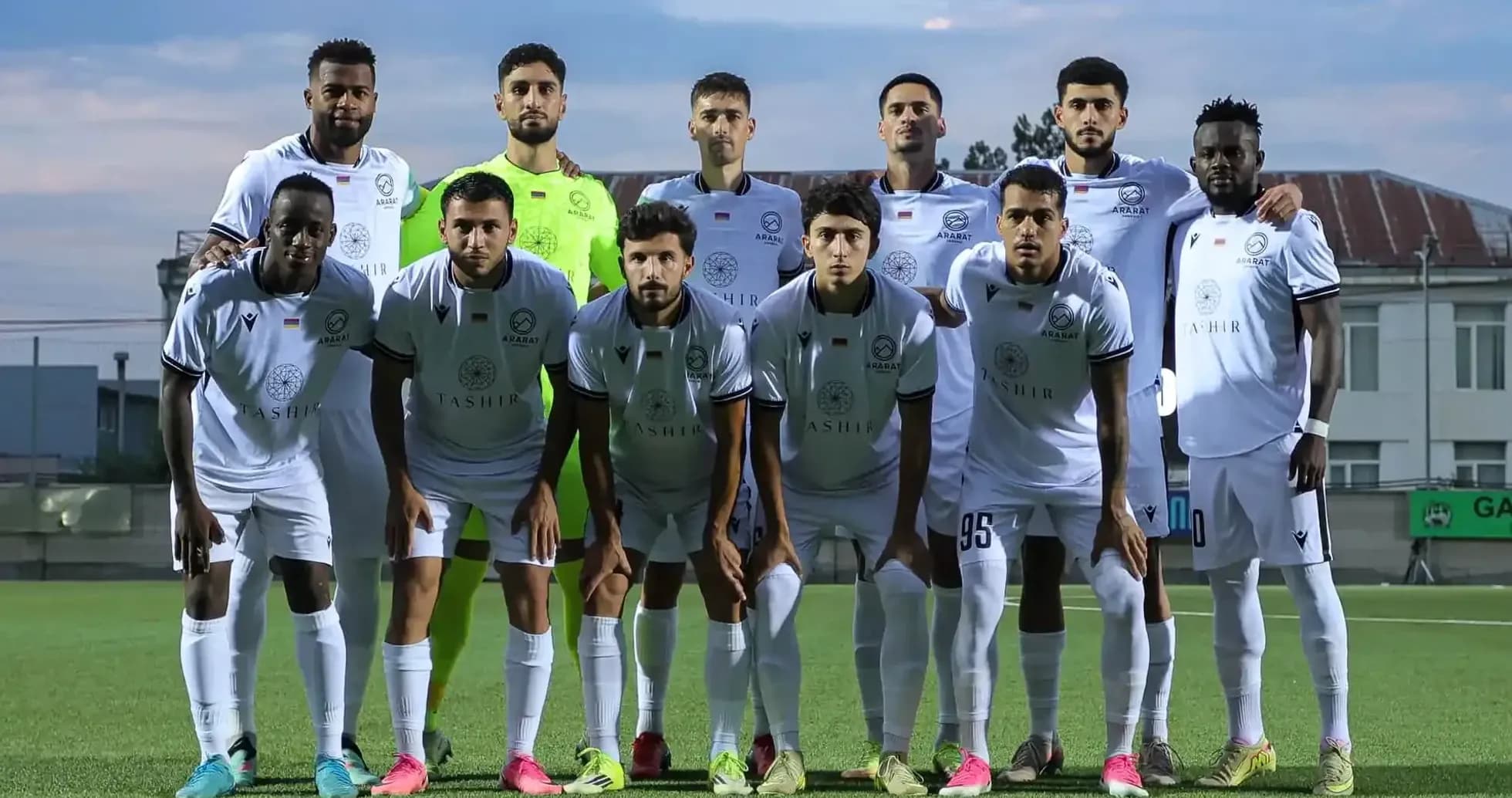
Celje's Tactical Mastery in 2-0 Victory Over Ararat-Armenia
Celje’s 2-0 win over Ararat-Armenia at Arena Z’dezele in the UEFA Champions League 3rd Qualifying Round was built on a clear territorial plan rather than sheer dominance of the ball. With possession split exactly at 50%-50%, the Slovenian side turned their 4-3-3 into a field-position machine: high volume of corners (12 to 9) and a striking shot profile (8 shots on goal to 3, plus 7 blocked efforts) showed how consistently they forced play into the final third, even when they did not circulate the ball more than their opponents.
Tactical Setup
Vitor Campelos’ 4-3-3 for Celje was front‑loaded with runners between the lines. The back four of P. Sirvys, Artemijus Tutyškinas, A. Tutyskinas’ left‑side partner Leonardo Koutris, and the rest of the line were asked to hold a medium block, then spring forward as the three central midfielders – M. Kvesic, Mark Zabukovnik and S. Seslar – stepped aggressively to second balls. The front line, with M. Avdyli and M. Ivansek supporting A. Kucys, repeatedly attacked the half-spaces rather than staying wide, which helps explain the high number of blocked shots: Celje were taking efforts from crowded central zones rather than from clean, isolated 1v1s.
Disciplinary Profile
The match’s disciplinary profile underlines Celje’s intensity. They committed 16 fouls to Ararat-Armenia’s 13 and took 5 yellow cards to the visitors’ 3. Early on, Leonardo Koutris’ 32' booking for “Foul” set the tone for an aggressive approach to stopping counters, especially down the flanks. Later cautions for Artemijus Tutyškinas (64', “Foul”), Milot Avdyli (66', “Foul”), Mark Zabukovnik (79', “Foul”) and Benjamin Verbič (86', “Unsporting behaviour”) show a side willing to live on the disciplinary edge to keep control of transitions and protect their lead once it arrived.
Ararat-Armenia's Response
Ararat-Armenia also lined up nominally in a 4-3-3 under Tulipa, but their shape behaved more like a 4-1-4-1 without the ball. The back line of E. Grigoryan, A. Malis, B. R. Wilson Valdez and Hugo Oliveira tried to hold a relatively high line to compress space, with K. Muradyan and A. Tera tasked with screening in front. However, the visitors’ pressing lacked Celje’s cohesion. Their 3 shots on goal and 4 blocked shots suggest they reached the final third in moments, but not with enough sustained pressure to turn territory into volume.
Tactical Changes
The key tactical swing came from Celje’s substitutions. At 46', B. Verbic (IN) came on for L. Koutris (OUT), effectively adding another creative, line-breaking profile higher up the pitch while adjusting the back line. This move made Celje’s left side more attack-minded and paid off in the final phase. On 69', Y. Dukuly (IN) replaced P. Sirvys (OUT), and M. Poplatnik (IN) came on for A. Kucys (OUT). These changes injected fresh legs between the lines and in the box, crucial against a tiring Ararat-Armenia defence that had already absorbed a high number of set-pieces and blocked shots.
Tulipa’s response – Benny (IN) for A. Tera (OUT) at 55', then M. Carlier (IN) for H. Oliveira (OUT) and Franca Carlos (IN) for A. Serobyan (OUT) at 73' – was aimed at adding technical quality in midfield and fresh energy on the flanks. Later, A. Ndour (IN) for Z. Banjaqui (OUT) at 89' and J. A. Balanta (IN) for K. Muradyan (OUT) at 90' further altered the midfield and attacking profiles. Yet these changes did not significantly alter the shot balance; Celje continued to create the clearer chances.
Goals and Tactical Impact
The goals, both late, were the logical outcome of Celje’s territorial pressure. At 83', Y. Dukuly – introduced from the bench – scored with an assist from Milot Avdyli, reflecting the impact of the reconfigured right side and the midfield’s ability to arrive in support. Just two minutes later, at 85', B. Verbic struck to make it 2-0, confirming that Campelos’ decision to introduce him at half-time shifted the attacking weight decisively in Celje’s favour. The fact that both scorers were substitutes illustrates how the home side’s tactical plan was not just about structure, but about timing the injection of fresh profiles against a stretched opponent.
Ararat-Armenia's Tactical Struggles
Ararat-Armenia’s disciplinary moments also tell a tactical story. Alwyn Tera’s 19' yellow card for “Foul” and Hugo Oliveira’s 19' caution for “Unsporting behaviour” came early, hinting at a team struggling to cope with Celje’s verticality and perhaps reacting emotionally under pressure. These early bookings likely constrained their ability to defend aggressively in wide areas, a factor that became more pronounced once Celje’s substitutes attacked those same zones in the second half.
Set-Pieces and Overall Analysis
Set-pieces were another critical layer. Celje’s 12 corner kicks to Ararat-Armenia’s 9 underline how often they forced the visitors to defend deep in their own box. Even without explicit data on shots inside or outside the box, the combination of 8 shots on goal, 7 blocked shots and that corner count paints a picture of repeated bombardment, particularly in the latter stages as Celje chased the breakthrough. Ararat-Armenia’s 9 corners show they had attacking moments of their own, but with only 3 shots on goal, their delivery and second-ball structure lacked the same cutting edge.
With no recorded figures for goalkeeper saves, passes or xG, the clearest statistical lens is territorial and disciplinary. Celje matched Ararat-Armenia in possession but out-produced them in dangerous actions, while accepting a higher foul and card count as the cost of controlling space. The 2-0 scoreline, delivered by bench players in the final ten minutes, is consistent with a match where the home side’s structure, substitutions and set-piece pressure gradually wore down an opponent that never quite turned its own spells of possession into sustained threat.
Related News

Lamine Yamal Shares What Barcelona Must Do to Triumph in the Champions League
Luis Díaz Confident Bayern Munich Can Win Champions League
Insights from AFC Champions League Matchday One: K League Clubs’ Strategies
Vincent Kompany's Bayern Munich Future Not Tied Solely to Champions League Outcome
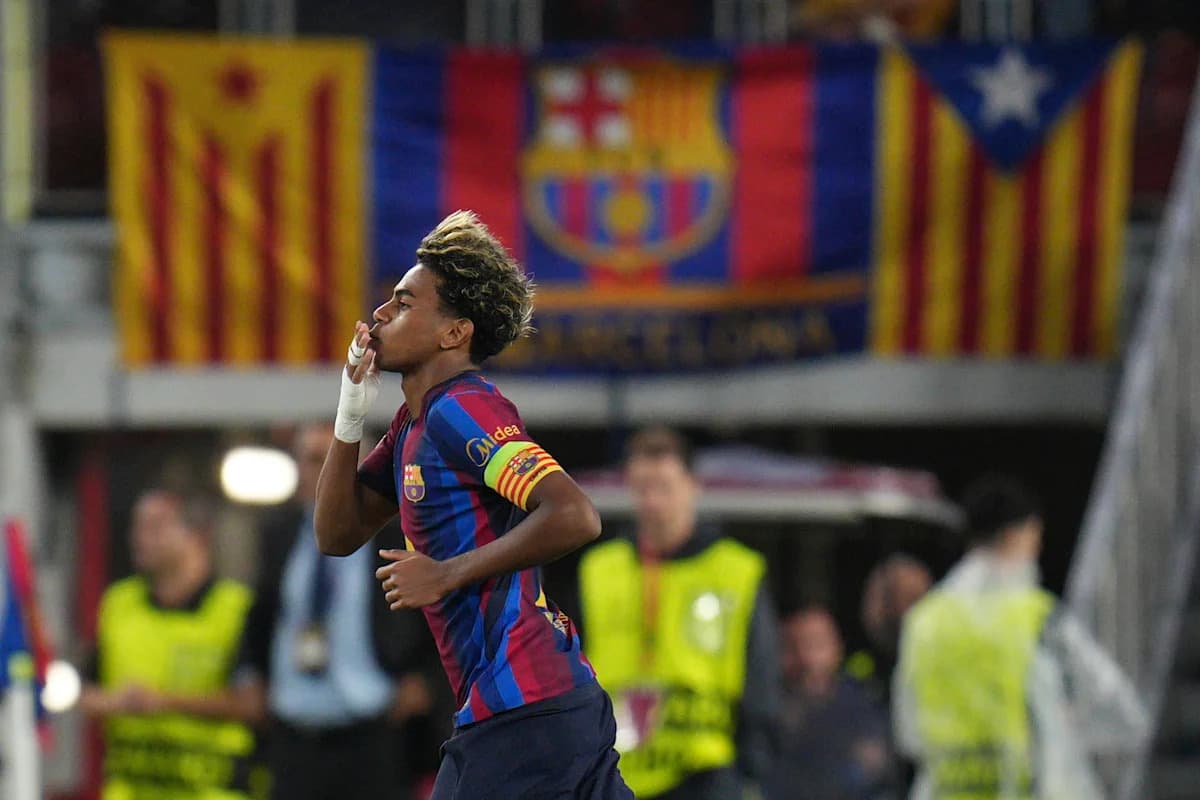
Barcelona's Camp Nou Chosen for 2029 Champions League Final, Munich Set for 2028
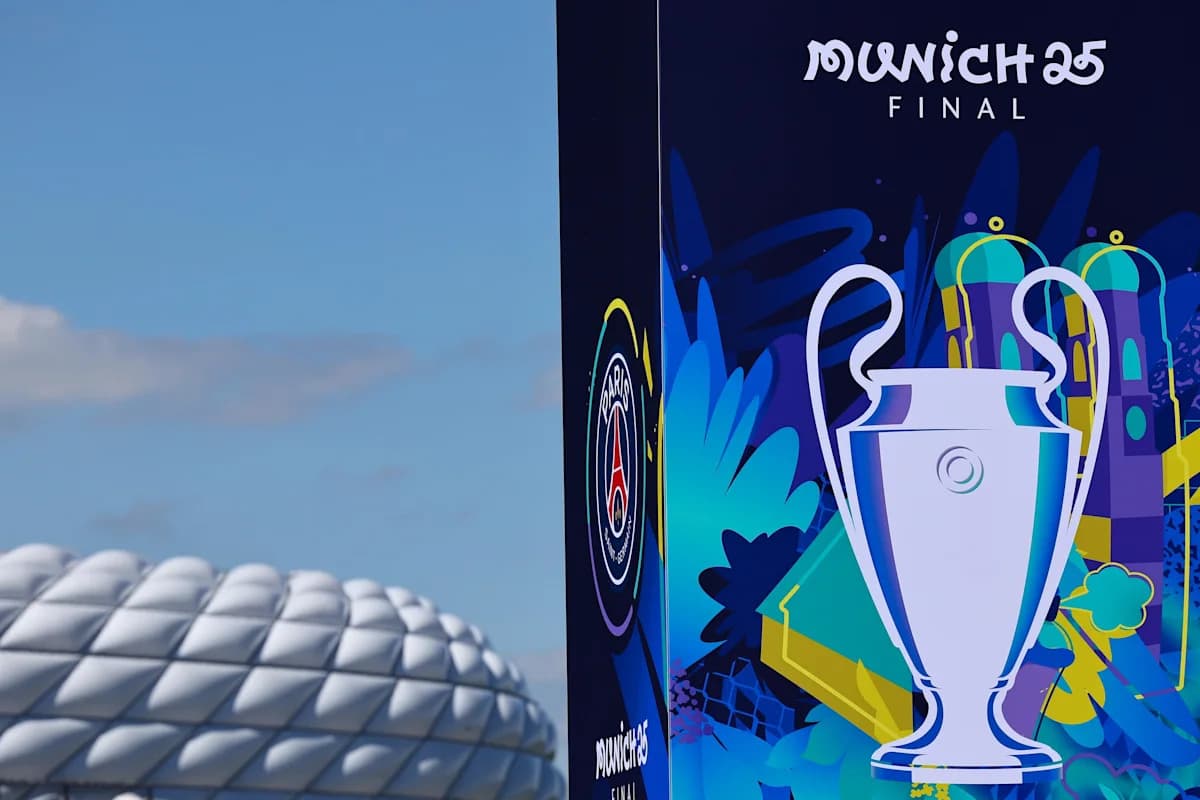
Allianz Arena to Host 2028 UEFA Champions League Final