
Brazil’s World Cup Departure Sparks Debate: Team or Brand?
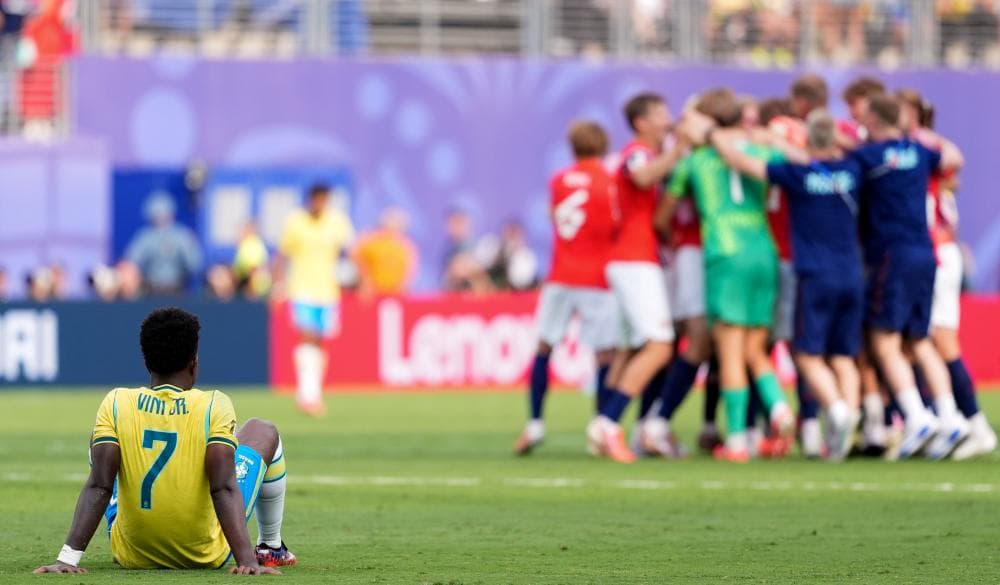
Brazil fell behind 1-0, and some fans in yellow jerseys began leaving the stadium, accepting that their investment in hopes of a sixth World Cup title was slipping away. Gradually, more supporters exited, realizing this would be Brazil’s earliest knockout stage elimination since 1990 and that the nation might face a long wait for another trophy.
Erling Haaland’s second goal sealed Norway’s 2-1 win, while Neymar’s injury-time penalty only reduced the deficit. When the referee blew the final whistle, Brazilian players stayed on the pitch, stunned and unwilling to accept their fate immediately.
Key Moments and Missed Chances
Vinícius Júnior, who had been Brazil’s main threat against Norway, could not carry the team. He was denied the chance to take the first-half penalty, which went to Bruno Guimarães and was saved by goalkeeper Ørjan Nyland. Endrick, the young talent, also failed to capitalize on a promising chance shortly after coming on.
Neymar’s late entrance sparked excitement among fans, but his performance showed signs of decline—his signature moves appeared both fast and sluggish. Although he scored a penalty late in the match, it wasn’t enough to turn the tide.
Coach Carlo Ancelotti managed to motivate the team to strong wins against Haiti and Scotland and a comeback against Japan but could not push Brazil past Norway.
Norway’s Historic Progress
Norway had never lost to Brazil in four matches before this tournament and had even defeated them during the 1998 World Cup group stage. Their progression to their first quarter-final was well-earned, as they created good chances and capitalized on key moments.
Is Brazil More Brand Than Team?
Brazil remains a global icon in football, known for its history and style. Yet, recent tournaments reveal a gap between reputation and reality. Since their 2019 Copa América win, Brazil has failed to reach the World Cup semi-finals three times in a row, with last appearances lacking sparkle.
This squad seemed uncertain and incomplete. At just 19, Endrick was arguably not ready for this stage, leaving Brazil without a reliable striker. The midfield lacked creativity and dynamism, described by Ancelotti as needing fresh talent across the board.
The team’s strategy relied on exploiting Norwegian errors, but opportunities were wasted in a slow, disjointed match. Brazil showed little urgency and panicked when Norway’s Andreas Schjelderup set up Haaland’s opening goal with a sharp cross in the 79th minute.
As Norway celebrated, Brazil left the field quietly, facing tough questions about their future.
“Obviously, everyone is profoundly disappointed given what happened,” said Ancelotti. “We didn’t do a spectacular World Cup campaign, but we did a good one. Bottom line, we have to find new ideas. I don’t think it’s the end; it’s the beginning of the new cycle. At this point, we have to deal with our feelings, manage our sadness and start again tomorrow.”
With nearly 1,500 days until the next World Cup, Brazil has time to rethink and rebuild.
Related News
FIFA World Cup 2026 Commentary Team: Complete List of Presenters and Analysts
World Cup 2026 Best XI: Messi, Rodri, Mbappe Lead the Lineup
Spain’s Tactical Mastery Behind Their Second World Cup Triumph
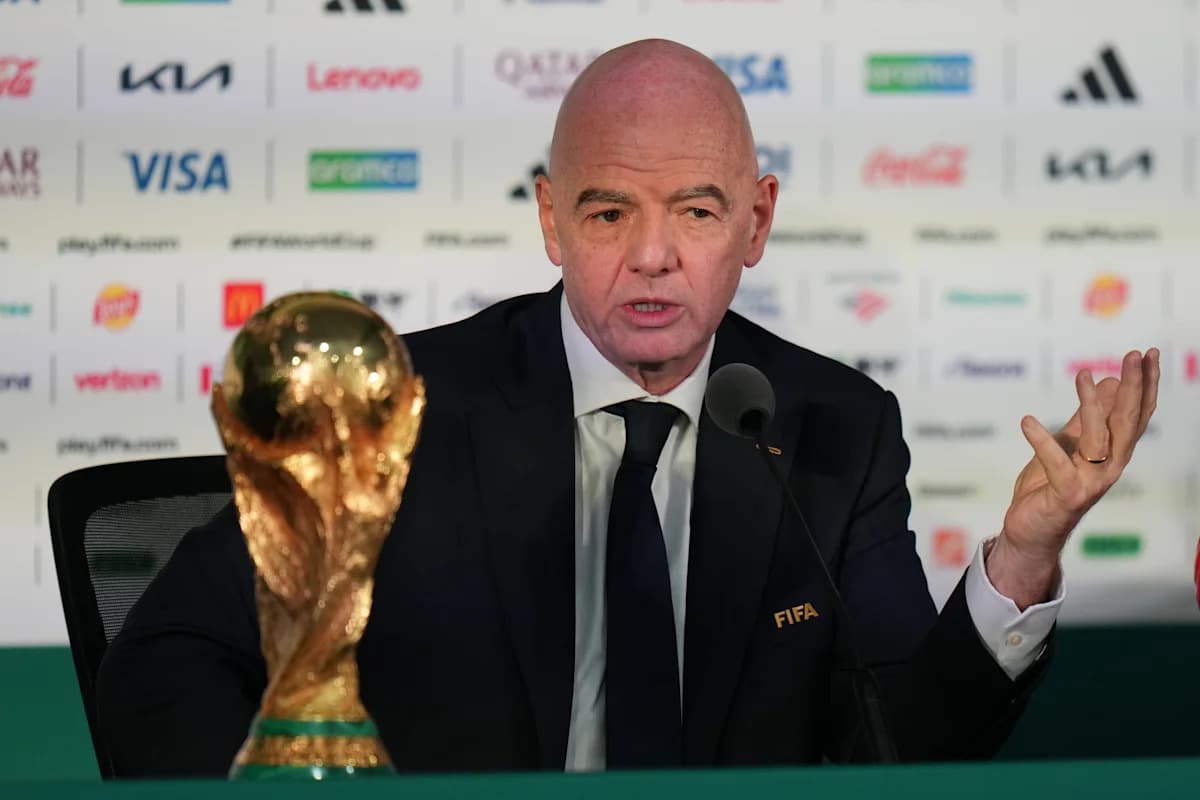
Gianni Infantino Criticizes World Cup 2026 Detractors Amid Event's Success
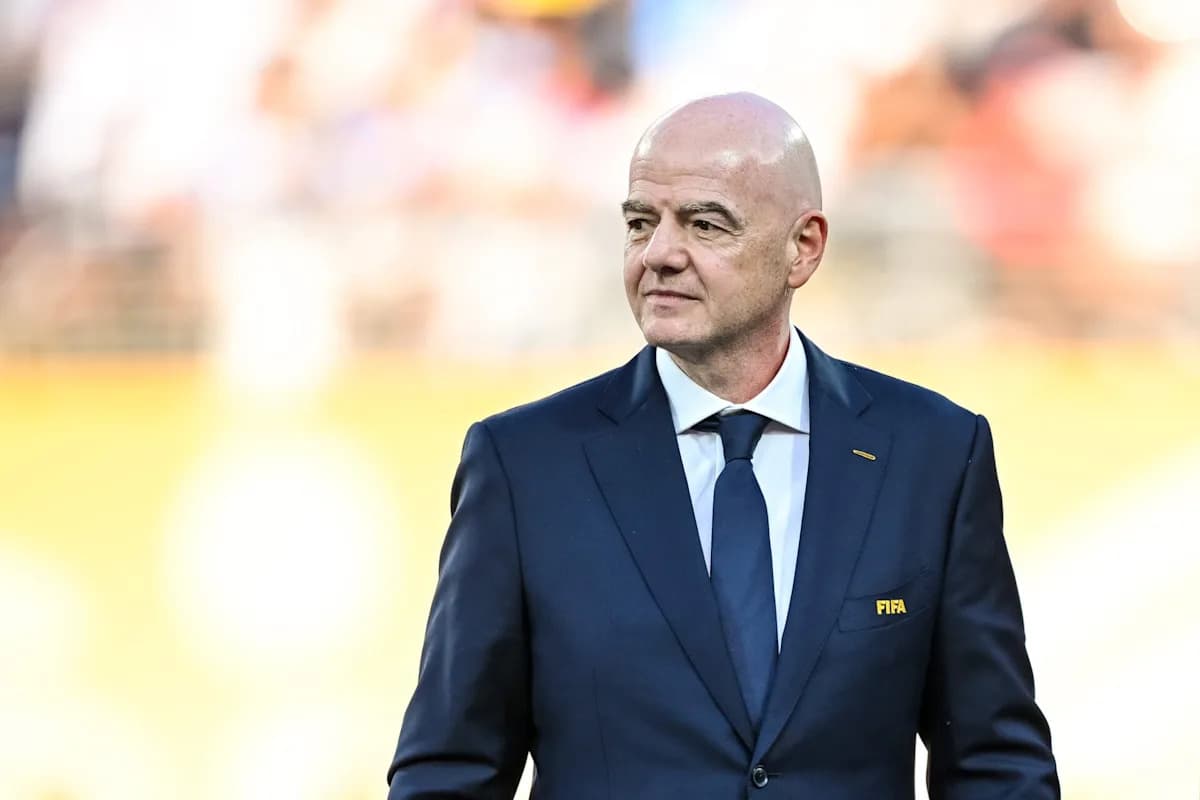
FIFA President Gianni Infantino Responds Strongly to 2026 World Cup Critics
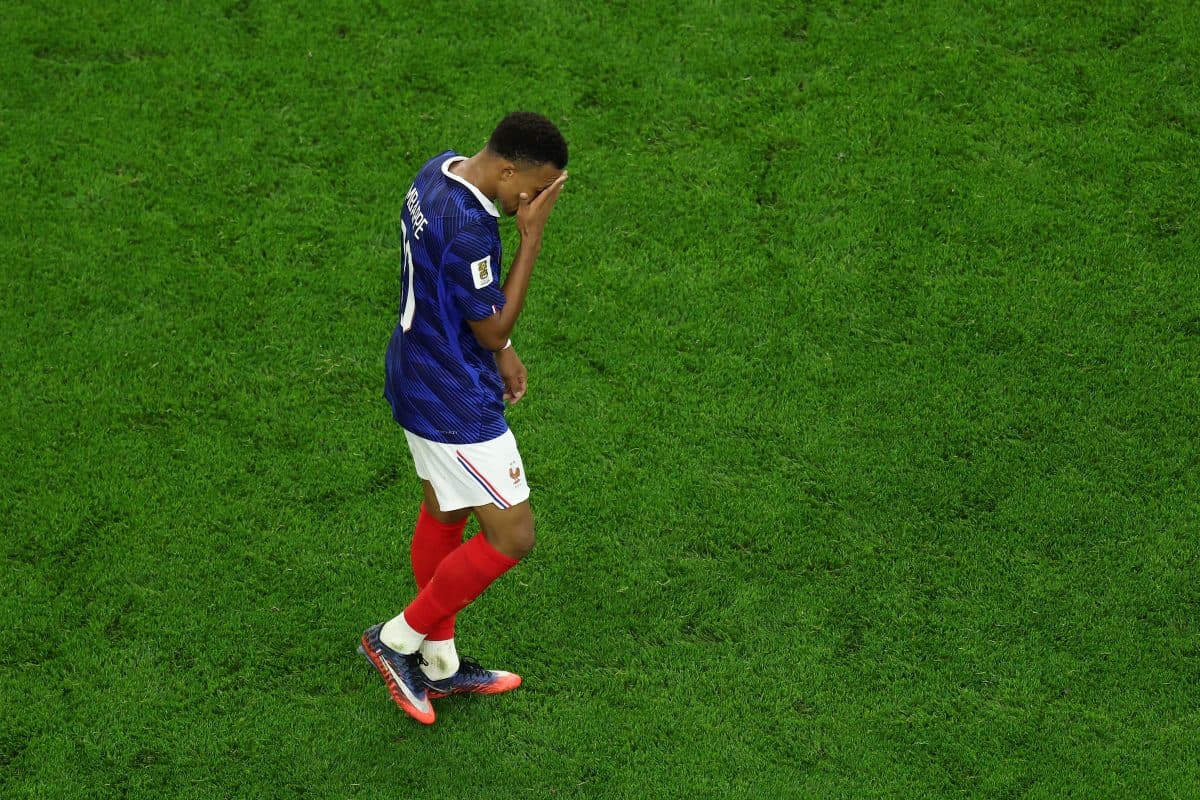
Kylian Mbappé Pens Open Letter to France Fans After 2026 World Cup