
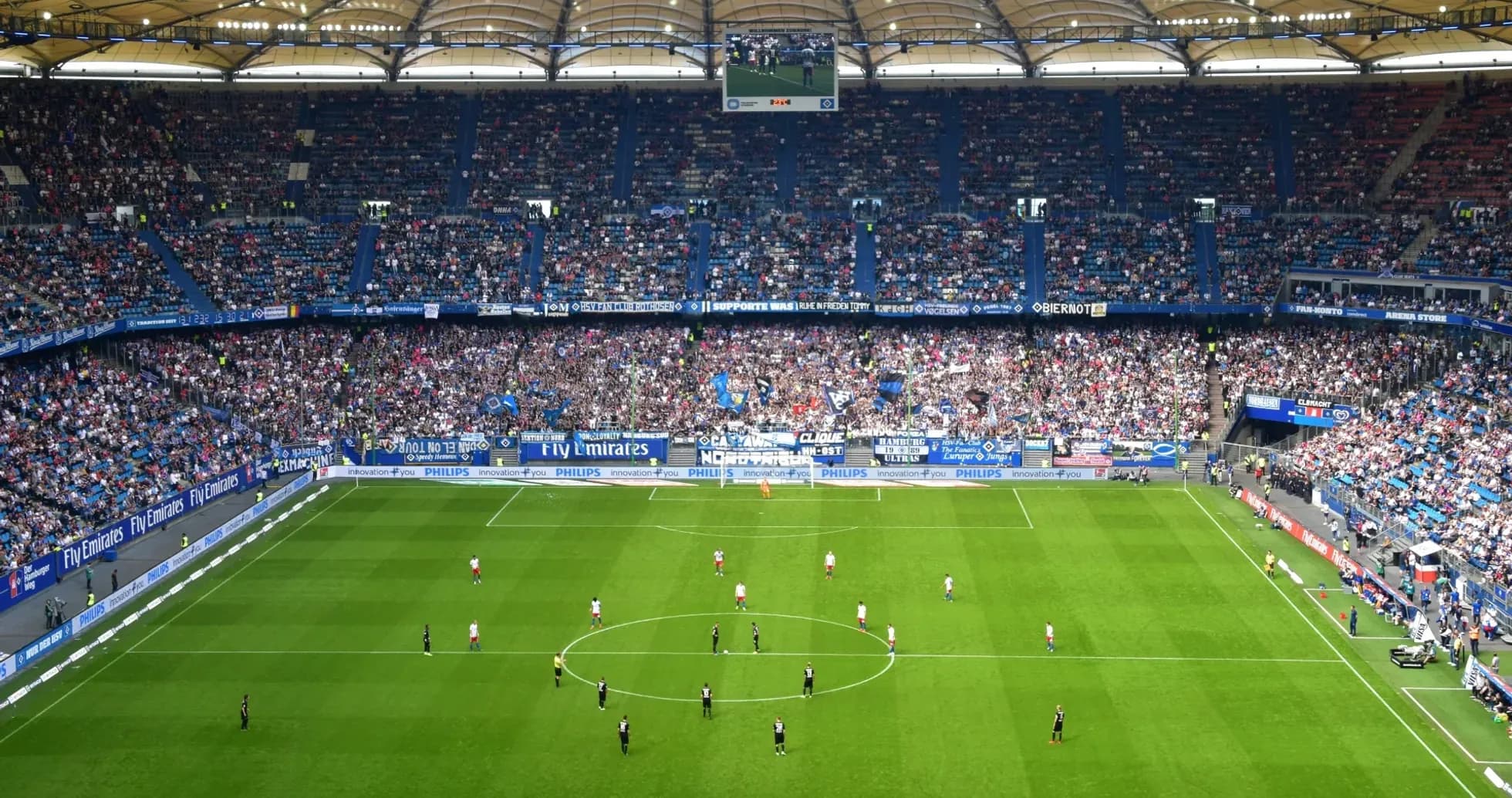
Bodo/Glimt vs Borussia Dortmund: UEFA Champions League Clash
Under the Arctic lights at Aspmyra Stadion, Bodo/Glimt welcome Borussia Dortmund on 14 October 2026 in a UEFA Champions League League Stage clash that feels like a test of two very different rhythms. For the Norwegian hosts, this is a chance to prove that their early momentum in Europe can translate against one of the continent’s traditional heavyweights. For Dortmund, it is a fresh start in a new campaign, with reputation but no recent Champions League data yet on the board.
Season Context
Bodo/Glimt arrive in the League Phase listed 8th in the overall table with 0 points, 0 goals scored and 0 conceded from 0 matches. The numbers underline that their Champions League campaign is only just beginning, but their ranking and recent winning trend suggest a side that has earned respect before a ball is kicked in this phase.
Borussia Dortmund sit 5th in the same League Phase table, also on 0 points with 0 goals for and 0 against from 0 matches. Their higher rank reflects pre-tournament seeding and expectation rather than on-field output so far, but it underlines the pressure on the German club to impose themselves early in this league-style format.
Form & Momentum
Bodo/Glimt’s form line in the standings reads WWWD, a sequence that speaks of consistency and resilience (4 matches, 3 wins, 1 draw). Even though their official League Phase tallies are still at 0 played, their broader Champions League record shows they have been prolific in front of goal, scoring 12 times in 4 matches for an average of 3.0 goals per game while conceding 6 (1.5 per match). That blend of attacking fluency and moderate defensive leakage paints them as bold and front-foot, especially at home where they have already won twice in 2 outings in the wider sample.
For Borussia Dortmund, there is no form string in the standings and no Champions League fixtures played in the current statistical sample. Their lastFive indicators in the prediction model sit at 0 for form, attack and defense, reflecting a complete lack of recent continental data rather than poor performance. It means Dortmund step into Aspmyra Stadion as something of an unknown quantity in this specific campaign, relying more on individual quality and historical pedigree than on current European rhythm.
Head-to-Head Patterns
The recent history between these clubs is brief but telling. On 10 December 2025, they shared a dramatic 2-2 draw at Signal Iduna Park in the UEFA Champions League League Stage - 6 (2-2, UEFA Champions League, season 2025, December 2025). Dortmund were the home side that night and Bodo/Glimt the visitors, and the scoreline captured a balance between Dortmund’s attacking threat and the Norwegians’ fearless approach. With only that one competitive meeting on record and no club friendlies in the data, the pattern is less about dominance and more about mutual vulnerability: both teams found the net twice, both showed they can hurt the other.
Tactical Preview
Bodo/Glimt’s tactical identity in Europe has been clear: a 4-3-3 shape is their go-to system, used in all 4 matches in the wider Champions League sample. That structure has underpinned an aggressive, high-scoring style, with 12 goals in 4 games and an average of 3.0 goals per match. They spread their threat across the front line, but the data highlights two standout figures: J. Hauge, who has 1 goal and 3 assists in 4 appearances with an impressive rating of 8.23, and A. Helmersen, who has 2 goals and 1 assist from 4 games. Hauge’s 197 completed passes and 8 key passes underline his role as the creative hub, while Helmersen’s 9 shots and 6 on target point to a classic penalty-box finisher. Defensively, Bodo/Glimt have conceded 6 goals in those 4 matches, showing some openness at the back, but they also have one clean sheet, suggesting they can tighten up when needed.
Borussia Dortmund’s tactical picture is more speculative because there are no recorded lineups or formations yet in the current Champions League dataset. However, their squad list hints at a team built for technical control and vertical attacking. The presence of midfielders like J. Bellingham and M. Sabitzer suggests Dortmund can dominate central areas and dictate tempo, while forwards such as S. Guirassy, M. Beier and Fábio Silva offer varied profiles in the final third, from physical target man to mobile runner. At the back, defenders like N. Schlotterbeck, R. Bensebaïni and J. Ryerson provide a mix of aerial strength and ball progression, indicating Dortmund can build from deep and push full-backs high. With no goals for or against yet in the current Champions League sample, their tactical balance remains theoretical, but the squad composition points towards a side capable of mixing possession play with direct, incisive attacks.
The key matchup will likely come down the flanks. Bodo/Glimt’s 4-3-3 encourages wide overloads and one-on-one situations, where Hauge’s 11 dribble attempts and 6 successes show he can unbalance defenders. Dortmund’s full-backs and wide defenders will need to manage those duels while still providing width in attack. In central zones, Bodo/Glimt’s midfield, led by P. Berg and U. Saltnes, must cope with Dortmund’s technical quality and physical presence, aiming to disrupt passing lanes and spring quick transitions. Given Bodo/Glimt’s scoring rate and Dortmund’s attacking potential, this has the feel of a game where control in midfield and defensive concentration in wide areas will decide whether it becomes another high-scoring contest.
Statistical Snapshot
- Competition: UEFA Champions League, season 2026 — 14 October 2026.
- Venue: Aspmyra Stadion, null.
- Prediction: null — No predictions available.
- Win Probabilities: Home 33% / Draw 33% / Away 33%.
- Model: Bodo/Glimt 50.0 — Borussia Dortmund 50.0.
Betting Verdict
With the prediction model offering an even 33% split between home, draw and away, and the advisory note stating “No predictions available”, this fixture is framed as wide open. Bodo/Glimt’s recent European output — WWWD in form and 12 goals in 4 matches — suggests genuine upset potential, especially at home. At the same time, Dortmund’s higher ranking in the League Phase table and their deeper squad quality make it risky to oppose them outright, even without current Champions League data. In such a balanced statistical landscape, a cautious angle would be to lean towards a goal-rich encounter rather than a clear winner, acknowledging both Bodo/Glimt’s attacking momentum and Dortmund’s latent firepower while respecting the model’s essentially coin-flip view of the result.
Related News

Vincent Kompany's Bayern Munich Future Not Tied Solely to Champions League Outcome

Barcelona's Camp Nou Chosen for 2029 Champions League Final, Munich Set for 2028
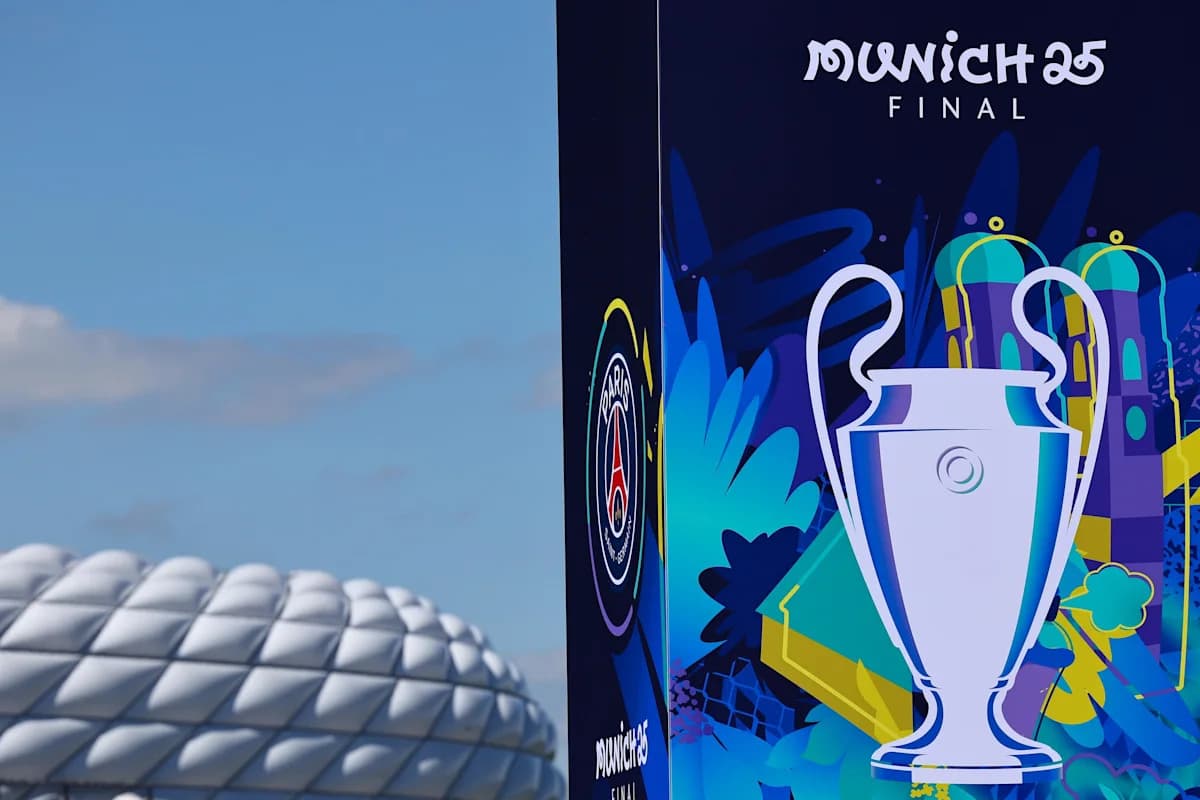
Allianz Arena to Host 2028 UEFA Champions League Final
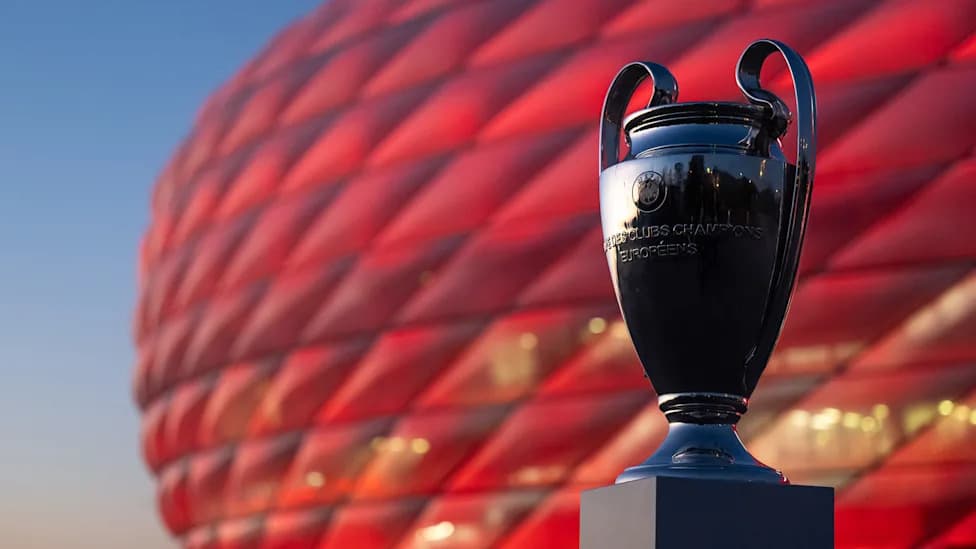
Allianz Arena to Host 2028 Champions League Final for Third Time
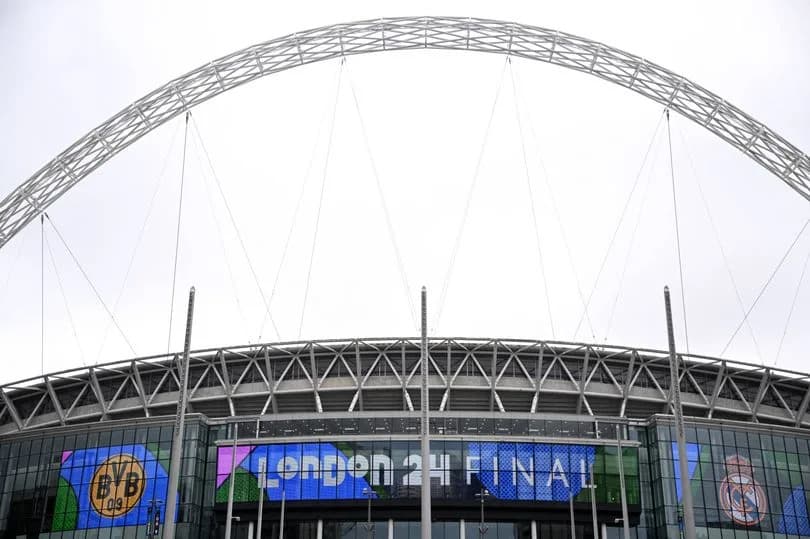
Barcelona's Nou Camp Chosen for 2029 UEFA Champions League Final Over Wembley and Dortmund
Five English Clubs Secure Wins in Champions League Opening Round