
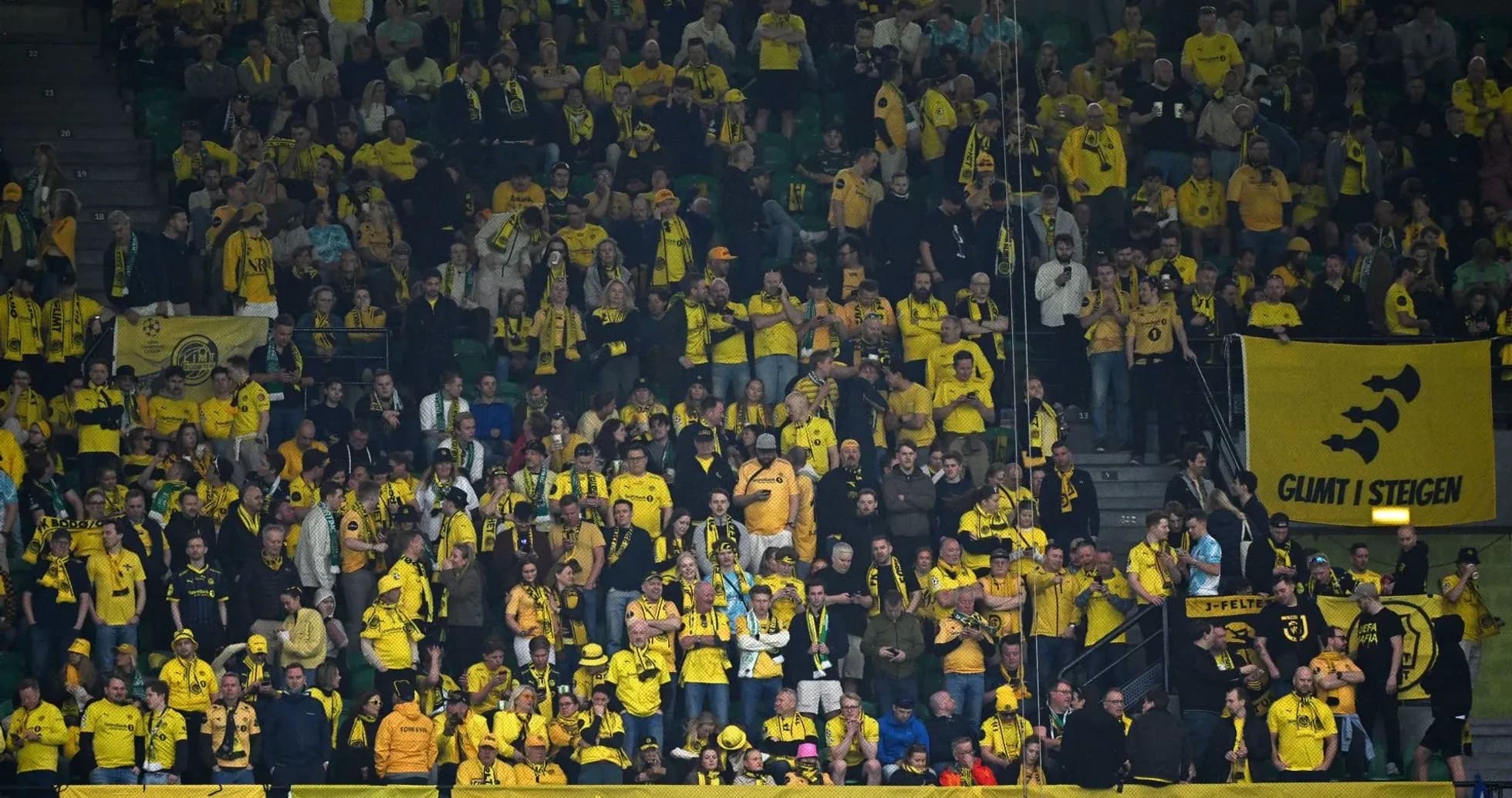
Bodo/Glimt vs Union St. Gilloise: Champions League 3rd Qualifying Round Showdown
At Aspmyra Stadion, Bodo/Glimt host Union St. Gilloise in the second leg of a UEFA Champions League 3rd Qualifying Round tie that is finely poised after a 3-3 draw in Belgium. With no group-stage safety net in this phase, progression to the play-off round — and a direct shot at the Champions League proper — hinges on this result, making it a season-defining night for both clubs in sporting and financial terms.
Head-to-Head Tactical Summary
The sides have met twice in European competition, both times in Belgium with Union St. Gilloise as the home team and Bodo/Glimt as the away team. On 3 October 2024 in the UEFA Europa League league stage at Stade Roi Baudouin, they played out a 0-0 draw, a tight, low-event game that suggested evenly matched structures. On 4 August 2026 in this Champions League 3rd Qualifying Round at AlbertPark in Oostende, they drew 3-3; Union St. Gilloise led 2-2 at half-time (2-2 HT, 3-3 FT), indicating an open, high-variance contest with both attacks able to disrupt the opposition shape. Across the two fixtures, the pattern is clear: Union St. Gilloise have not managed to beat Bodo/Glimt despite home advantage, and Bodo/Glimt have shown they can both lock the game down (0-0) and trade blows in a shoot-out (3-3).
Global Season Picture
- League Phase Performance: There is no current group-stage standings data available for either Bodo/Glimt or Union St. Gilloise in the 2026 UEFA Champions League, so their rank, points, and aggregate goals for and against within the league phase cannot be quantified yet from the provided snapshot.
- Season Metrics: In the Champions League qualifying phase so far, Bodo/Glimt have played one match, drawing away 3-3. They have scored 3 goals and conceded 3, with no clean sheets and one successful penalty. Their disciplinary profile shows two yellow cards concentrated in the 31–45 minute window, suggesting some stress around the end of the first half. Union St. Gilloise have also played one match, the same 3-3 draw at home, scoring and conceding 3 goals and likewise failing to keep a clean sheet. Their yellow cards are spread more evenly across the game (notably in the 16–30, 31–45, 61–75, and 76–90 minute ranges), pointing to sustained defensive interventions rather than a single volatile period. Possession and advanced chance-creation metrics are not available in the current data, so tactical efficiency must be inferred from goals and defensive records rather than detailed control measures.
- Form Trajectory: Both teams carry a single-match form string of “D” in this Champions League campaign, reflecting the 3-3 first leg. For Bodo/Glimt, that draw away from home is a positive platform, indicating offensive potency but also defensive vulnerability. For Union St. Gilloise, drawing at home after scoring three goals underscores attacking capability but raises concerns about game management and defensive stability when exposed in transition.
Tactical Efficiency
With each side having scored and conceded three goals in their only Champions League qualifier so far, the early-season tactical picture is one of aggressive attacking setups balanced by defensive risk. Bodo/Glimt’s use of a 4-3-3 in their first match points to width and high pressing, which translated into three away goals but also left spaces that Union St. Gilloise exploited for their own three goals. Union St. Gilloise’s 3-4-1-2 shape in the first leg suggests a back three designed to build from deep and overload central zones, but conceding three at home indicates that their defensive line and wing-backs were stretched by Bodo/Glimt’s wide threats and vertical runs. The card distributions reinforce this: Bodo/Glimt’s bookings clustered just before half-time hint at periods where their press or defensive line was under severe pressure, while Union St. Gilloise’s more evenly spread cautions suggest ongoing defensive duels throughout the match. Overall, both sides have shown high attacking efficiency relative to limited sample size, but their defensive structures are yet to demonstrate control over games at this level.
The Verdict: Seasonal Impact
This second leg will heavily shape the trajectory of both clubs’ 2026 campaigns. For Bodo/Glimt, progressing from this tie would confirm that their attacking model can translate into results against a strong Belgian opponent and keep them on course for the Champions League play-off round and, potentially, the group stage — a major boost in prestige, revenue, and squad retention power. Failure to advance would likely redirect their season towards Europa League or domestic priorities, reducing European exposure. For Union St. Gilloise, overturning the away-goals-neutral 3-3 first-leg result in Norway is pivotal: a win would validate their back-three system in high-stakes away conditions and maintain their upward European trajectory; elimination after scoring three at home would intensify scrutiny on their defensive balance and game management in continental play. In short, this match is less about fine-tuning and more about defining ceilings: the winner keeps a realistic pathway to the Champions League proper, while the loser faces a recalibrated season where European ambitions shift down a tier.
Related News

Luis Díaz Confident Bayern Munich Can Win Champions League

Insights from AFC Champions League Matchday One: K League Clubs’ Strategies

Vincent Kompany's Bayern Munich Future Not Tied Solely to Champions League Outcome

Barcelona's Camp Nou Chosen for 2029 Champions League Final, Munich Set for 2028
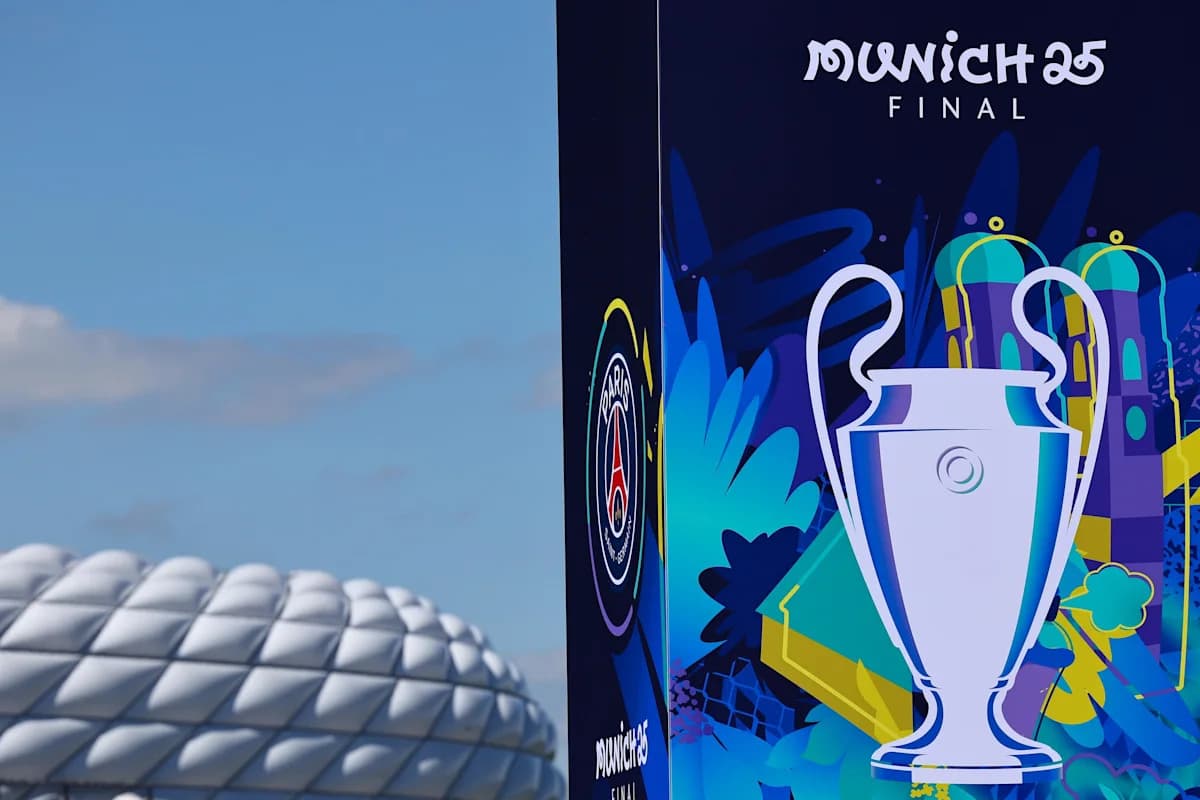
Allianz Arena to Host 2028 UEFA Champions League Final
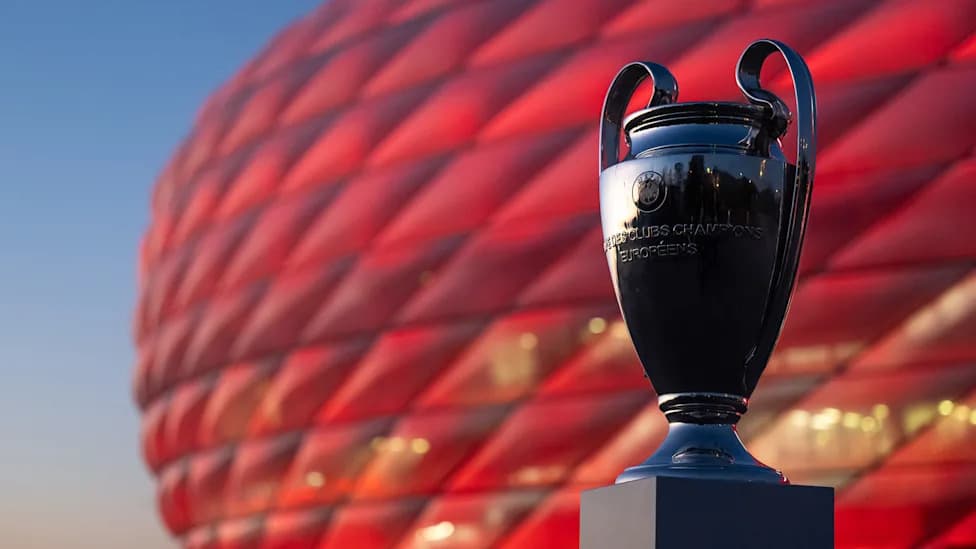
Allianz Arena to Host 2028 Champions League Final for Third Time