
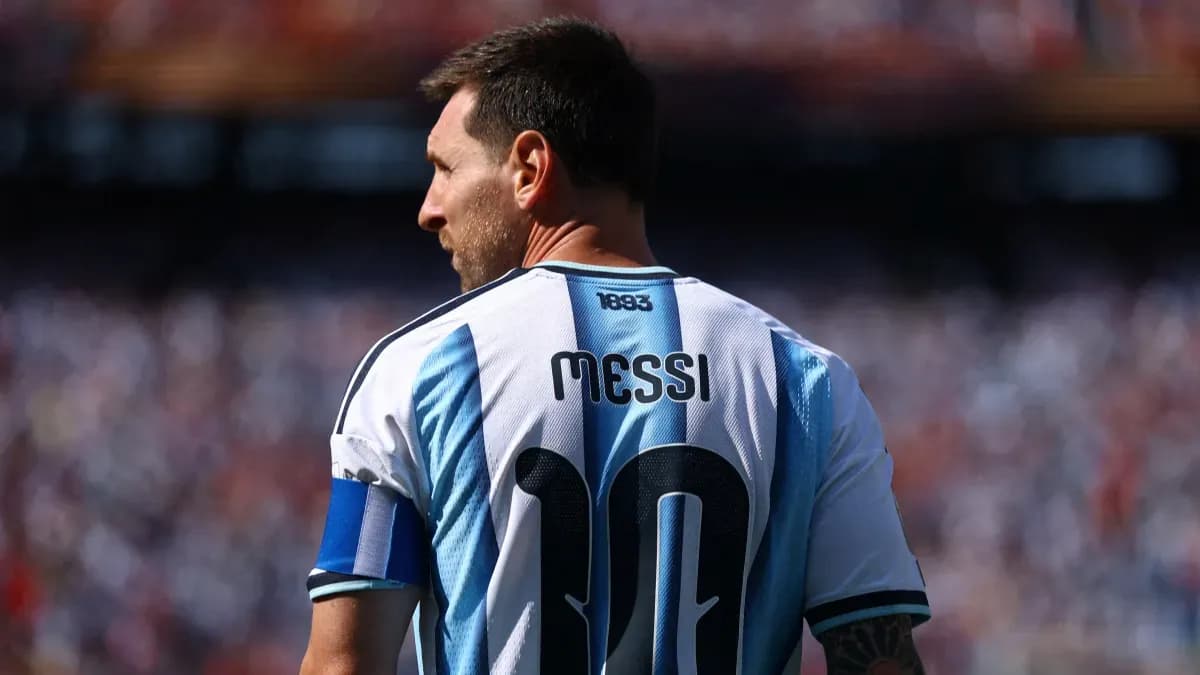
Argentina’s World Cup Tactics Cast a Shadow Over Messi’s Final Chapter
As Spain erupted in celebration after Ferran Torres’ winning goal, Lionel Messi quietly adjusted his socks. This was not one of those fiery moments we’ve often seen from him over two decades. Instead, he looked drained. His third World Cup final turned into a reluctant exercise in endurance under the New Jersey sun.
During extra time of the 2026 World Cup final, Argentina’s last shot on goal dated back to Lautaro Martinez’s semifinal winner against England. Messi barely made an impact, wandering the edges of the pitch with minimal touches. Maybe that’s the way for someone at the end of such a remarkable career. Anyone with pride would want to distance themselves from what Argentina showed in their 1-0 loss at MetLife Stadium, a performance that was frankly embarrassing.
Argentina’s Dual Nature: Beauty and Grit
Argentine football captivates and frustrates, drawing from a rich history full of legends and contradictions. Messi represents the pinnacle of beautiful football. Yet, Argentinians often claim their style as uniquely theirs, born from the lively culture around teams like River Plate's La Maquina in the 1940s through Diego Maradona’s era.
The 1957 Copa America-winning team exemplified this free-flowing attack, known as la nuestra, featuring stars like Omar Corbatta and Antonio Angelillo. They were praised for skill but also for a cunning edge—willing to bend rules when needed. Maradona’s infamous Hand of God goal alongside his Goal of the Century perfectly combined brilliance and mischief.
Some Argentine teams leaned heavily on toughness, such as Estudiantes in the late 1960s who fiercely contested titles and set up gritty battles with Manchester United and AC Milan. The nation’s two World Cup titles reflect this split. Cesar Luis Menotti’s 1978 team played expressive, attacking football. But Carlos Bilardo’s pragmatic squad, powered by Maradona’s genius, won in 1986 then pushed through a grim 1990 final, remembered for its harshness. That final is often called the ugliest ever, yet the recent match at MetLife Stadium might rival it.
Messi’s Difficult Farewell
The tension between elegance and aggression defines Argentine football. As Messi’s career approached its twilight, Lionel Scaloni rebuilt a team from the ruins of 2018, one that finally supported Messi rather than relying solely on him. There were moments of joy, like the 2022 World Cup win in Qatar, widely considered one of the finest finals ever, where new talents emerged and Di Maria shone.
Following their 2021 Copa America triumph, Argentina repeated success in 2024. Messi showed flashes of old magic in the US tournament, scoring six goals in group stages, including a hat-trick against Algeria and a sublime strike versus Cape Verde. Tears flowed after his equalizer in the Round of 16 comeback against Egypt, marking his eighth and final goal.
But European opposition proved tougher. Extra time was needed to overcome Switzerland, and England faltered in the semifinals. Against Spain, the team chose darker tactics. Referee Slavko Vincic allowed a physical approach with few punishments, as Argentina aimed to disrupt Spain’s passing.
This might have been tolerable if Argentina balanced it with attractive football. They couldn’t. Spain’s defensive discipline forced Argentina to abandon creativity, eventually losing will to attack. Fernandez’s red card came from excessive frustration. Leandro Paredes replaced midfielders but resorted to rough play, avoiding a deserved red before becoming involved in post-match chaos sparked by Nahuel Molina’s altercation with Rodri. Spain’s Rodri walked away with player of the tournament honors that some thought should have gone to Messi.
Near the end, Messi briefly stirred, making clever plays and taking shots, but even he resorted to petty gamesmanship by complaining about an opponent’s talk to the referee. It was all Argentina had left.
A Sobering End to a Legendary Career
Spain’s celebrations underscored a forgettable final. Who wants to remember Messi linked to a team trying to snatch victory through questionable means? This doesn’t tarnish his legacy. Nothing could. It’s just unfortunate his final World Cup moments were spent scrambling in the mud alongside the same team that once carried him to the summit.
Related News
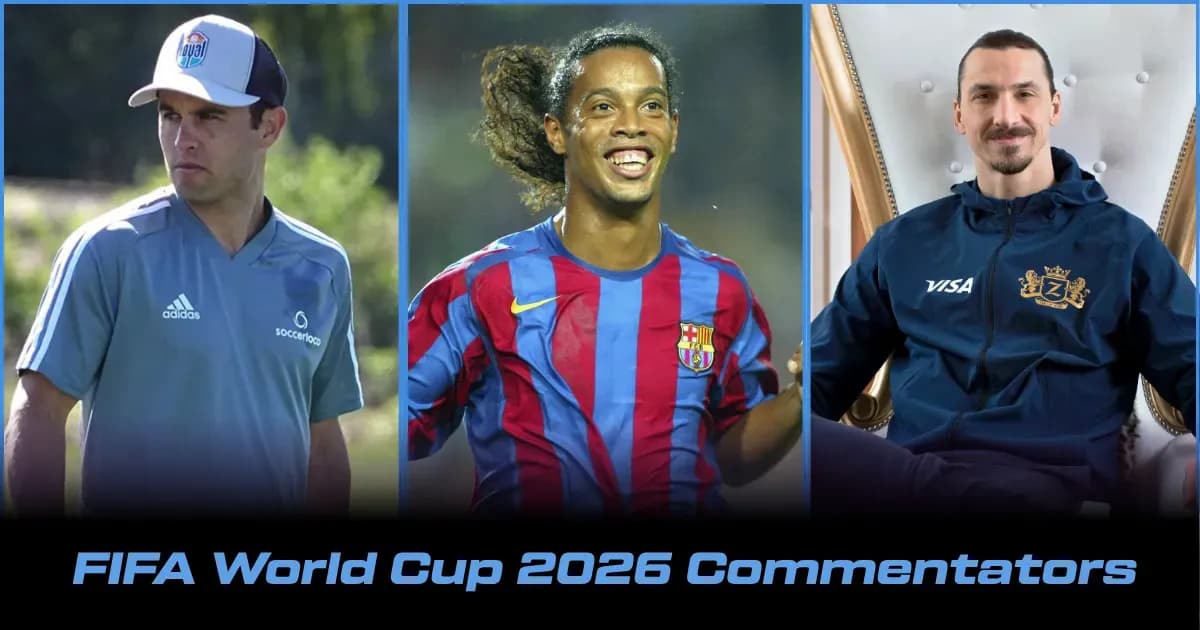
FIFA World Cup 2026 Commentary Team: Complete List of Presenters and Analysts
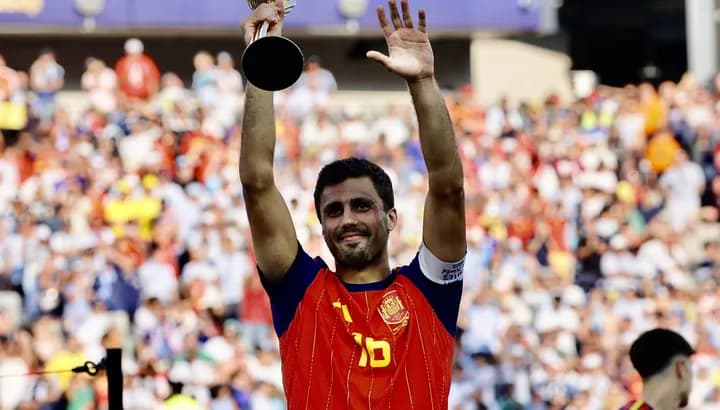
World Cup 2026 Best XI: Messi, Rodri, Mbappe Lead the Lineup
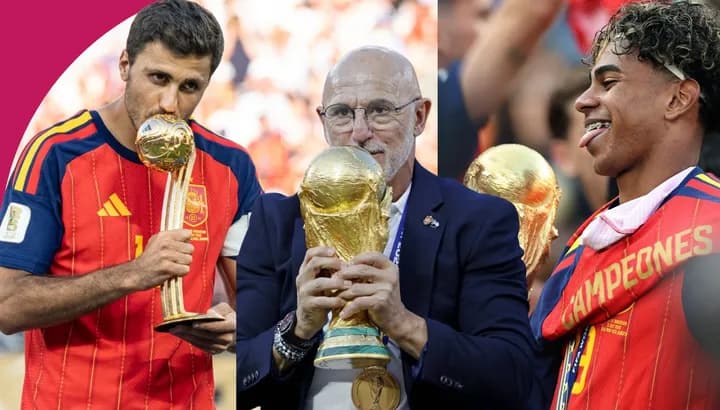
Spain’s Tactical Mastery Behind Their Second World Cup Triumph
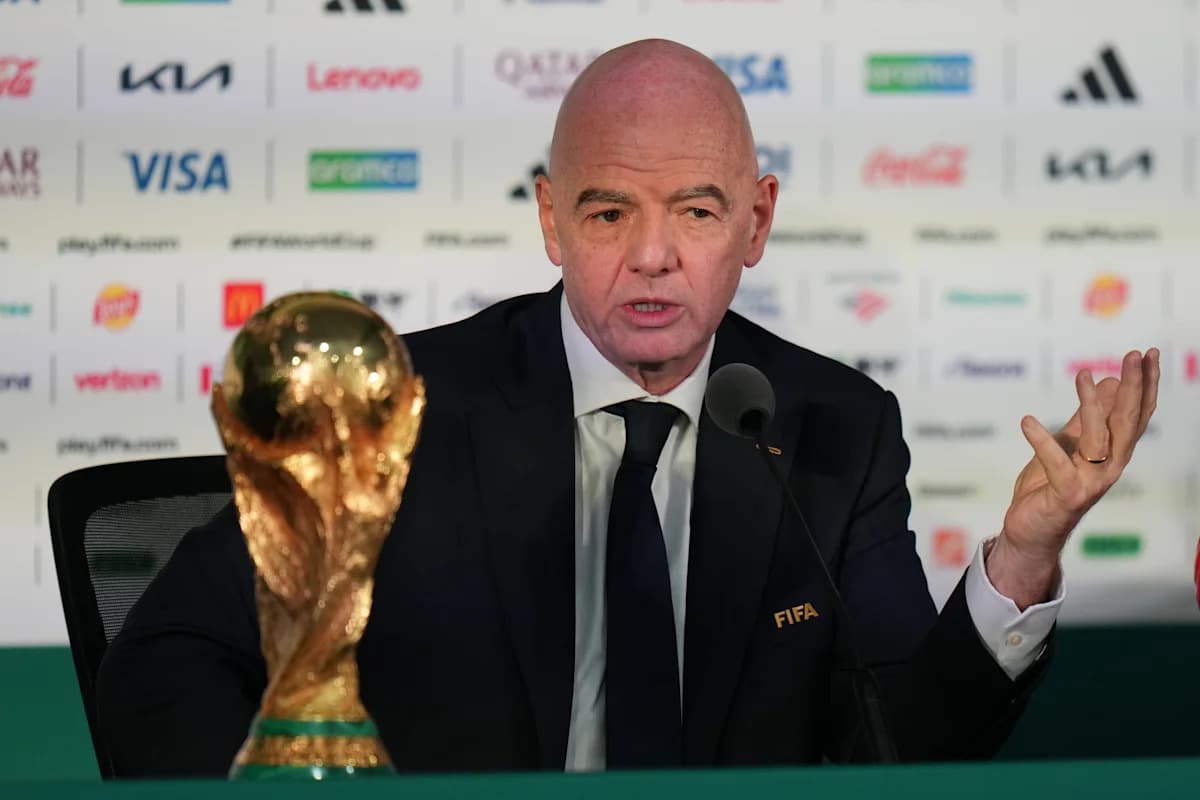
Gianni Infantino Criticizes World Cup 2026 Detractors Amid Event's Success
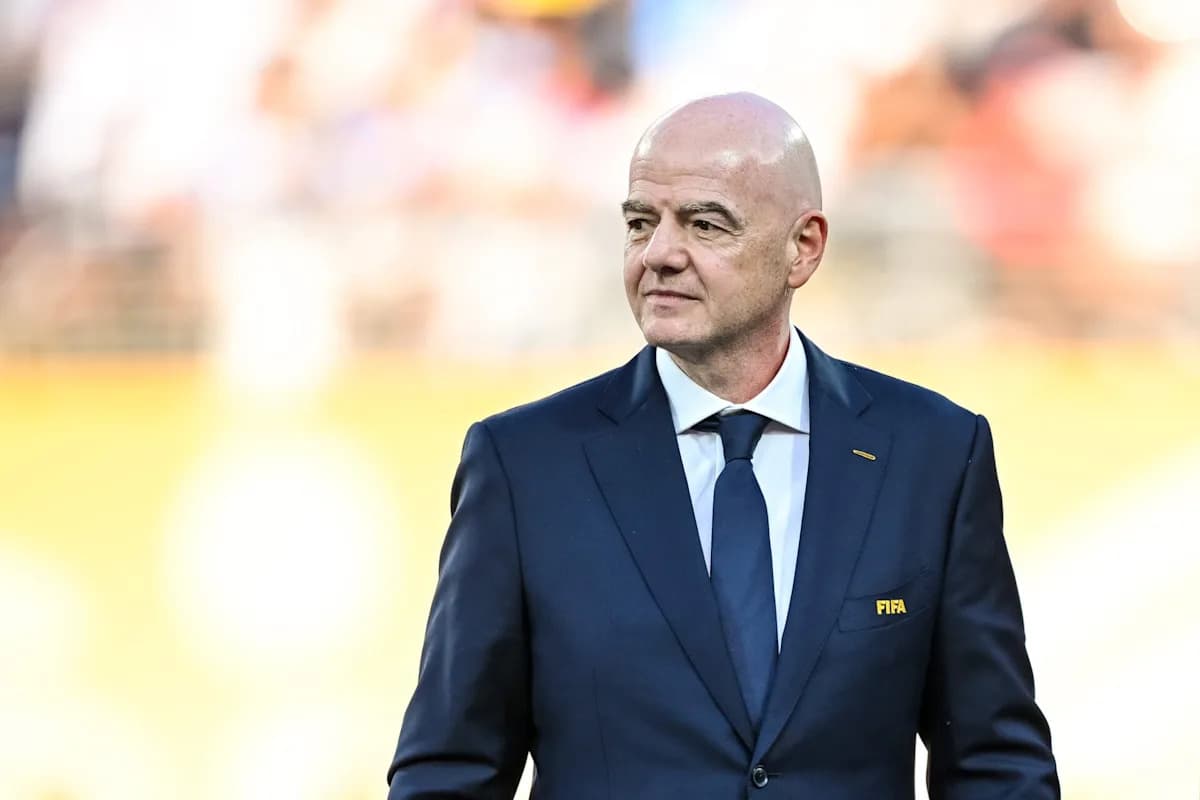
FIFA President Gianni Infantino Responds Strongly to 2026 World Cup Critics
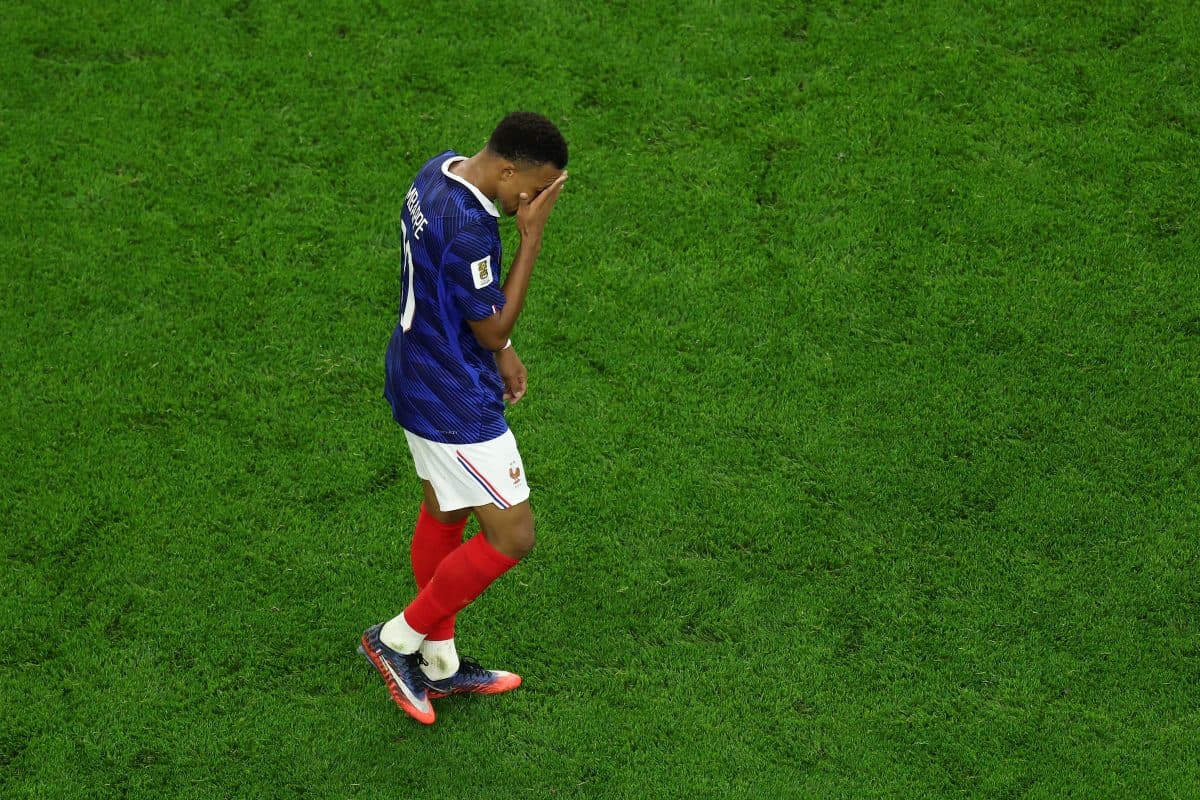
Kylian Mbappé Pens Open Letter to France Fans After 2026 World Cup