

Alaves Stuns Barcelona with Tactical Masterclass
Under the Mendizorrotza floodlights, this felt like a meeting of different La Liga worlds. On one side, Alaves, 16th in the table with 40 points, a team built on grind and survival instincts. On the other, Barcelona, leaders with 91 points and a fearsome overall goal difference of +59 (91 scored, 32 conceded), arriving as champions-elect. Yet across 90 minutes, the league’s most prolific attack was suffocated, and a 1-0 home win rewrote the evening’s script.
Alaves’ seasonal DNA framed the upset. Heading into this game they had won 10 of 36 league matches overall, with a balanced but modest scoring profile: 42 goals for and 54 against, an overall goal difference of -12. At home they had been stubborn rather than spectacular – 7 wins from 18, scoring 24 and conceding 23, averaging 1.3 goals for and 1.3 against at Mendizorrotza. Barcelona, by contrast, travelled with the swagger of a side that had taken 30 wins from 36, scoring an overall 2.5 goals per game and conceding just 0.9. On their travels they still averaged 2.1 goals for and 1.3 against, with 12 away wins from 18. The league’s best attack against a lower-half defence that conceded an overall 1.5 per match: on paper, this was supposed to be straightforward.
Instead, it became a tactical arm wrestle that suited Quique Sanchez Flores perfectly. His choice of a 5-3-2 was not simply reactive; it was a carefully layered defensive structure designed to choke Barcelona’s 4-2-3-1 between the lines. With L. Boye ruled out by a muscle injury and F. Garces suspended, Alaves were deprived of a key target man and a defensive option, but the response was collective rather than individual.
A. Sivera, behind a back five of A. Rebbach, V. Parada, V. Koski, N. Tenaglia and A. Perez, formed a tight, vertically compact block. The wing-backs, Perez and Rebbach, were crucial: they had to double as full-backs against wide threats and as auxiliary midfielders when Barcelona tried to overload central zones with D. Olmo and M. Rashford drifting inside.
In midfield, the identity of the game was set by Antonio Blanco and J. Guridi, flanking D. Suarez. Blanco, who has collected 9 yellow cards in the league, played to type – aggressive in duels, always a step from the disciplinary edge. His season numbers underline why he is such a natural pivot in this kind of battle: 91 tackles, 52 interceptions and 386 total duels, winning 185. He is not just a destroyer; he reads danger early and steps in front. Around him, Guridi pressed selectively, while Suarez offered the passing angle to turn defensive regains into forward thrusts.
Ahead of them, Toni Martínez and I. Diabate embodied the counter-attacking plan. Martínez, with 12 league goals overall and a rating built on tireless work, is used to being outnumbered in these fixtures. His 483 duels this season, winning 250, speak to a forward who lives in contact, backing into centre-backs, drawing fouls and buying time for his team to climb the pitch. Diabate’s role was to stretch the line and threaten the channels, forcing Barcelona’s high defensive line to constantly retreat and reset.
For Barcelona, Hansi Flick’s 4-2-3-1 was stripped of some of its most dangerous creative edges. Lamine Yamal, both a top scorer and the league’s leading assister with 16 goals and 11 assists, missed out with a thigh injury. Raphinha, with 11 league goals and 3 assists, was suspended for yellow cards. F. de Jong and another squad member were omitted by coach’s decision. That meant the visitors’ attacking hierarchy was subtly but significantly altered.
W. Szczesny started in goal behind a back four of A. Balde, A. Cortes, P. Cubarsi and J. Kounde. In possession, Balde’s width and Kounde’s underlapping movements were supposed to stretch Alaves’ five-man defence, but the home side’s compactness often forced Barcelona to recycle the ball in front of the block. The double pivot of M. Casado and M. Bernal had to manage both circulation and counter-pressing, but without Yamal’s gravity on the right and Raphinha’s directness, their passes into the final third found fewer destabilising runs.
The attacking band of three – R. Bardghji, D. Olmo and M. Rashford – hovered between the lines, with Olmo as the chief connector. His season profile (8 assists, 7 goals, 47 key passes) shows how central he is to unlocking deep blocks. Yet Alaves’ 5-3-2 narrowed around him, with Blanco and Guridi collapsing the space in front of the centre-backs. Rashford, one of the league’s more productive wide forwards with 8 goals and 7 assists overall, repeatedly received to feet rather than on the run, exactly as Alaves wanted.
Up front, R. Lewandowski was the notional spearhead, a striker with 13 league goals overall but also a curious penalty record this season: 1 scored and 2 missed. That slight blemish on his usual ruthlessness mirrored the broader theme of Barcelona’s night – lots of possession, less incision, and a sense that the margins were not quite falling their way.
Discipline and game management were always going to be decisive. Season-long card data painted Alaves as a side that grows more combustible as matches wear on: 21.74% of their yellows arrive between 76-90 minutes, a clear late-game surge, with further spikes in added time. Barcelona, meanwhile, often hit their own disciplinary turbulence right after the break, with 28.33% of their yellows between 46-60 minutes and another 21.67% from 76-90. In a tight game, that overlap – Alaves’ late aggression against Barcelona’s tendency to pick up cards in the same phase – risked chaos. Yet the home side channelled their edge, staying just the right side of the line, while Barcelona never quite turned frustration into productive fury.
The key “Hunter vs Shield” duel was always going to be Barcelona’s overall 91-goal attack against an Alaves defence that had conceded 54 overall. But the inverse proved decisive: Alaves, who only average 1.2 goals per game overall, found the one strike they needed and then leaned on a structure that has delivered 3 home clean sheets and 4 overall this season. With Barcelona having failed to score in only 1 league match heading into this fixture, shutting them out at Mendizorrotza was an achievement of collective precision.
In the “Engine Room” battle, Blanco’s enforcer profile – 67 fouls committed and 40 drawn, 1762 passes at 85% accuracy – met Olmo’s creativity. Over 90 minutes, it was Blanco’s version of the game that prevailed: scrappy, fragmented, full of second balls and broken rhythms that denied Barcelona the flowing patterns they thrive on.
From a statistical prognosis perspective, any pre-match xG model would have tilted heavily towards Barcelona, given their away scoring average of 2.1 and defensive concession of just 1.3 on their travels, against an Alaves side that often fails to score (10 blanks overall this season). Following this result, though, the story is about game-state mastery rather than raw numbers. Alaves imposed their tempo, protected their box, and turned a single goal into a statement win. Barcelona’s season-long metrics still scream dominance, but this night at Mendizorrotza belonged to the underdogs who bent the tactical landscape to their will.
Related News

LaLiga 2026-27 Season Schedule Released: Kickoff on August 15, Clásico on October 25

Atletico Madrid vs Real Madrid: Head-to-head Stats and Past Meetings
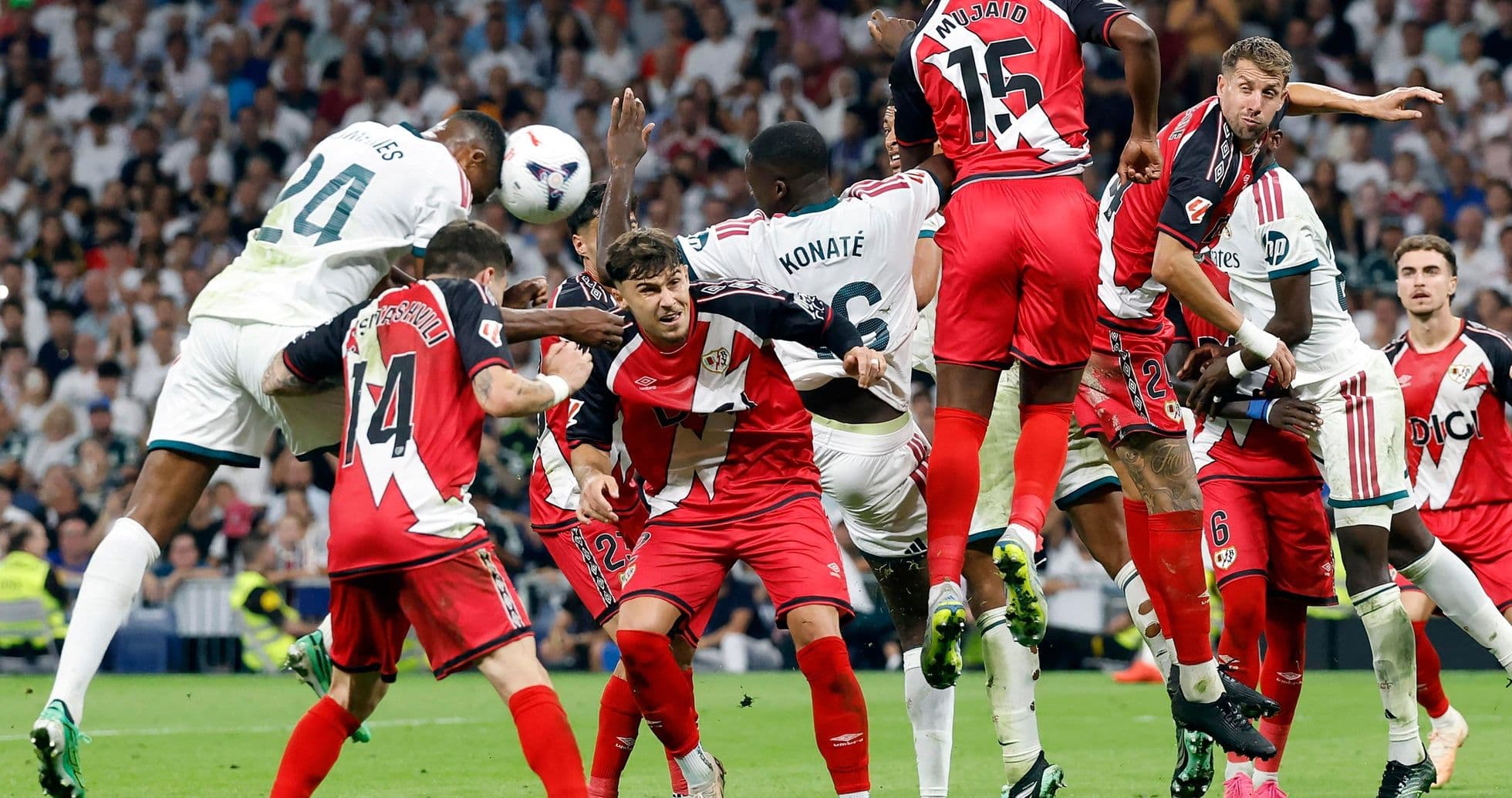
Real Madrid Dominates Rayo Vallecano in La Liga Clash
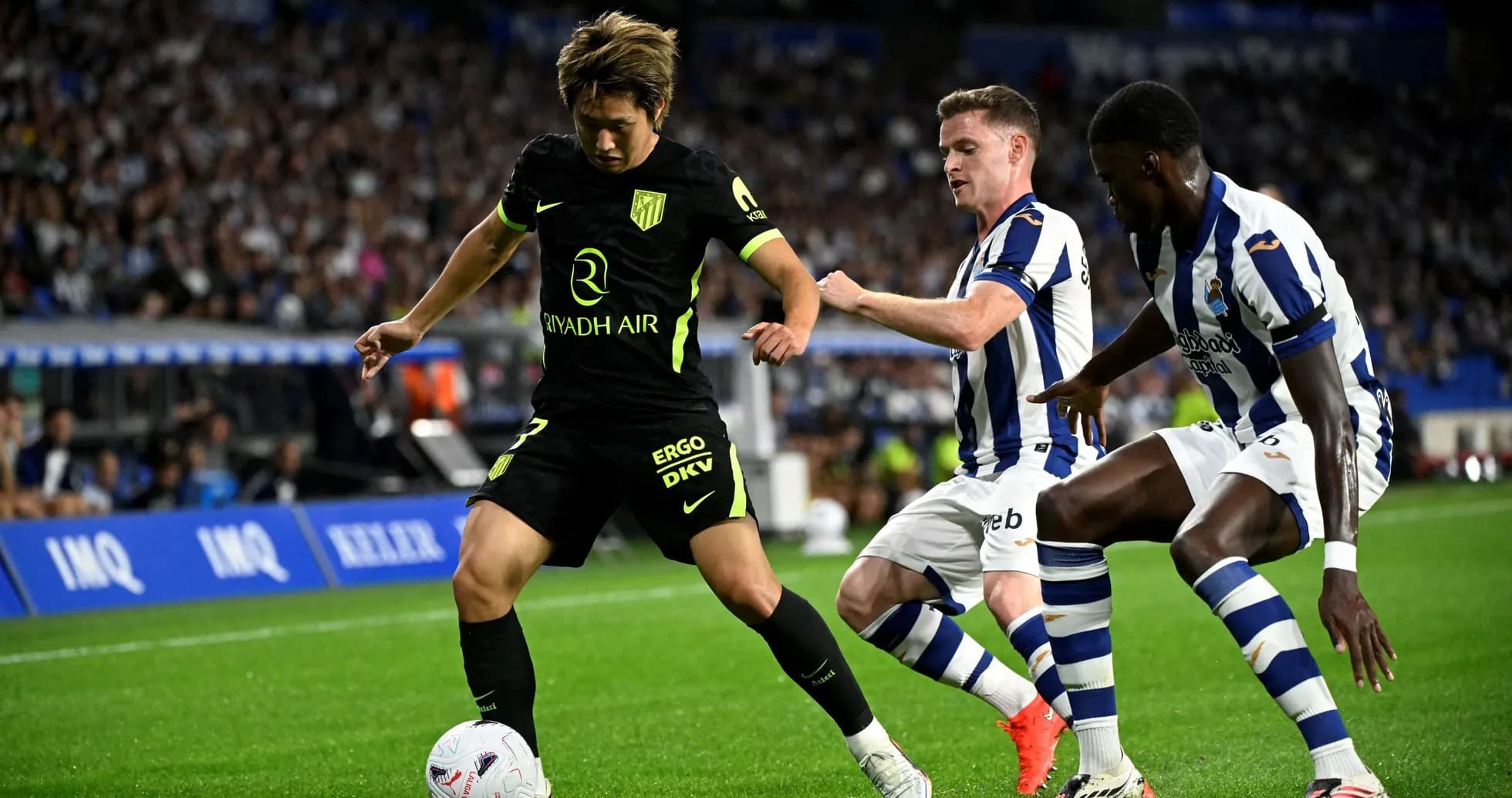
Atletico Madrid Dominates Real Sociedad 3-0 at Reale Arena
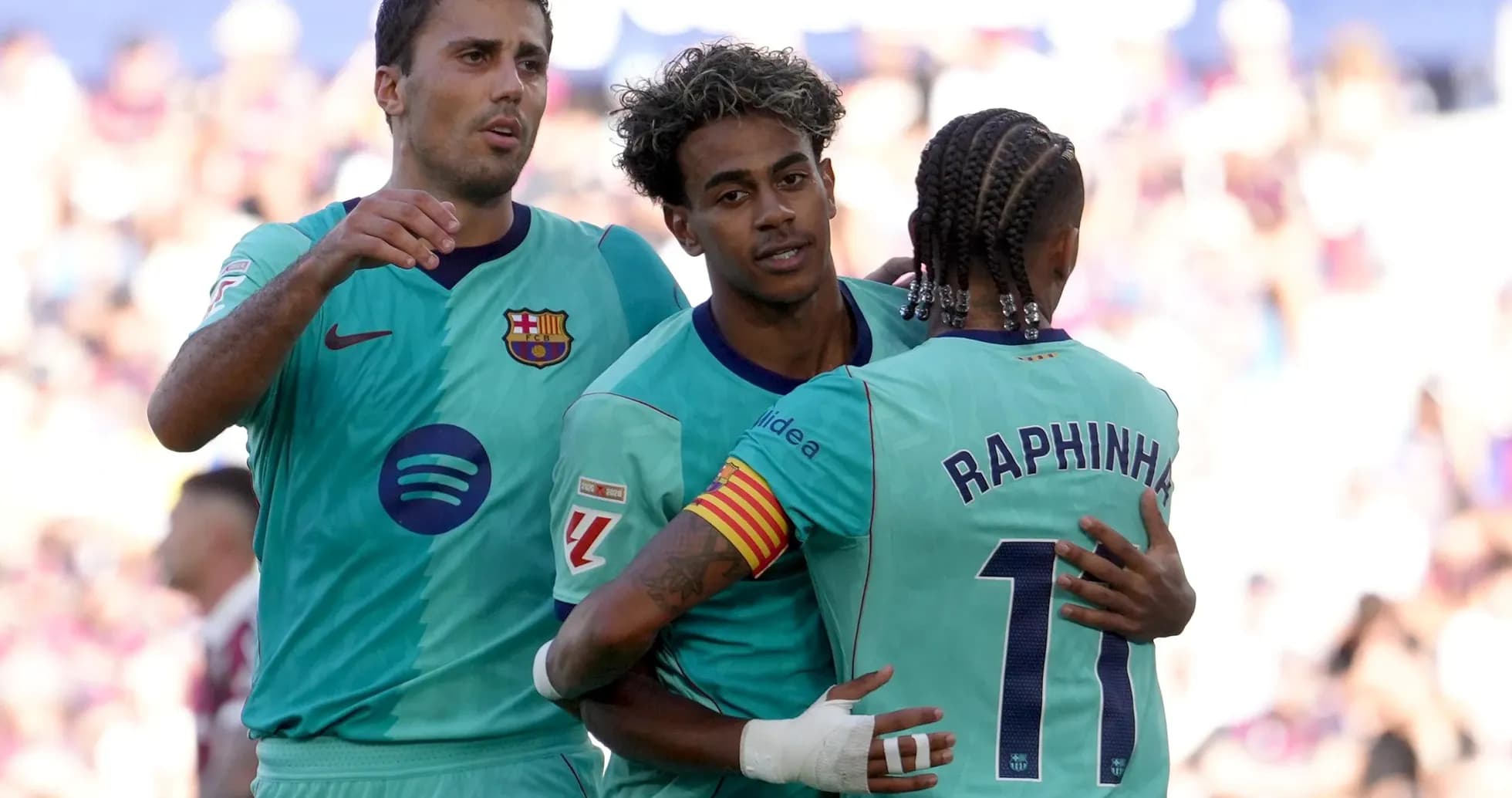
Barcelona Dominates Levante in High-Scoring Clash

Sevilla vs Barcelona Stats: Head-to-Head Record and Past Meetings