
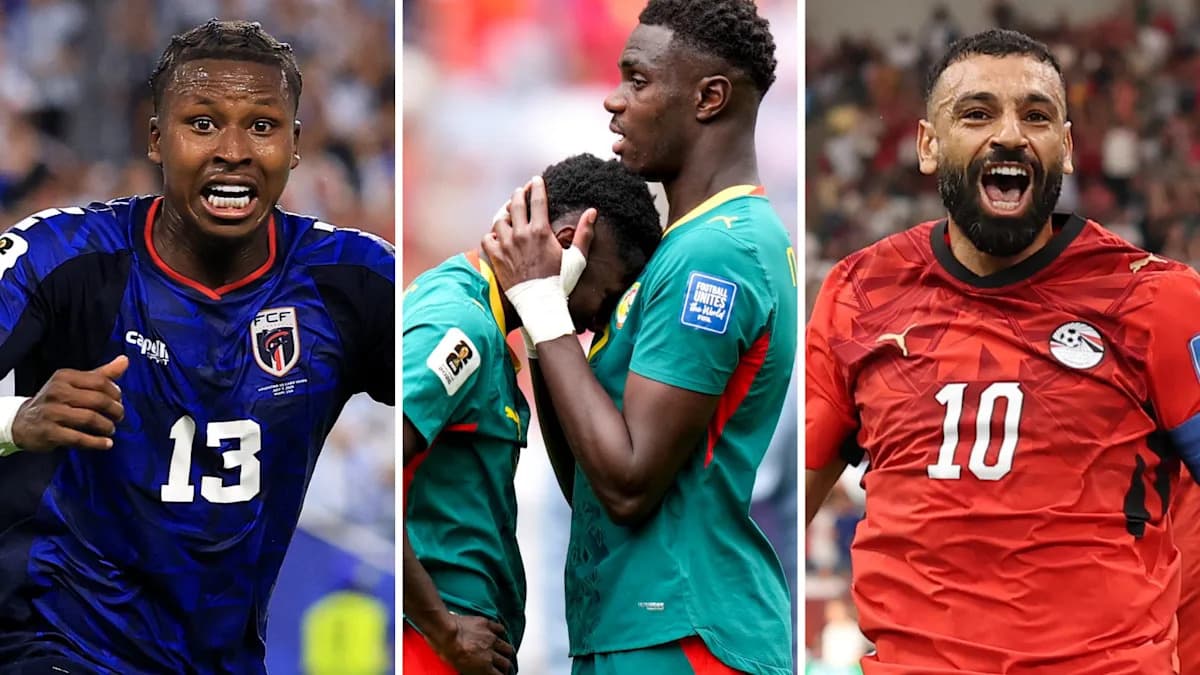
Africa's Journey at the 2026 World Cup: Underdogs, Historic Moments, and Heartbreaking Exits
The 2026 FIFA World Cup marked a milestone for Africa, sending its largest ever group of ten teams to the finals. While this brought numerous compelling stories, success on the pitch was varied. Nine African nations advanced to the knockout rounds, prompting Patrice Motsepe, head of the Confederation of African Football (Caf), to celebrate making the continent's 1.6 billion people proud.
Only Morocco reached the quarter-finals, yet several teams saw their hopes dashed by late goals. Senegal and Egypt, in particular, suffered dramatic exits after losing two-goal leads. Despite setbacks, some teams achieved historic milestones: Egypt and DR Congo earned their first-ever World Cup wins, while Cape Verde, Ivory Coast, and South Africa progressed past the group stage for the first time. With Africa set to co-host the 2030 World Cup alongside Spain and Portugal, there is much to reflect on from this tournament’s expanded 48-team format.
Underdog Cape Verde Steals the Spotlight
Cape Verde emerged as the tournament’s surprise story, reaching the round of 32 in their debut appearance. They held giants like Spain, Uruguay, and Saudi Arabia to draws, then narrowly lost 3-2 after extra time to defending champions Argentina, fighting back twice from behind.
Their goalkeeper, Vozinha, became an instant sensation. His Instagram followers surged from 50,000 to over 29 million during the tournament, and a newly discovered sea slug species was even named after him. Defender Roberto Pico Lopes reflected on their rise: "We've put ourselves on the map. We're a small nation with big hearts, showing what is possible if you believe."
Morocco Maintains Continental Leadership
Morocco confirmed their status as Africa’s top-ranked side by becoming the first African team to reach back-to-back World Cup quarter-finals. Their journey ended against France, who eliminated them again as they had four years earlier.
Under coach Mohamed Ouahbi, Morocco’s playstyle grew more expansive. Young talents like 18-year-old midfielder Ayoub Bouaddi caught attention, with potential moves to major European clubs rumored. Ouahbi spoke about their youthful squad eager to develop: "We have talented players who will enable us to grow."
Late Goals Haunt Several African Teams
Former Ivory Coast defender Emmanuel Eboue predicted African teams might struggle with concentration in closing moments, a theory backed by results. DR Congo and Ivory Coast both conceded winning goals in the 86th minute of their knockout matches, while Canada scored deep into added time to eliminate South Africa.
Senegal led Belgium 2-0 late in their last-32 game but conceded two quick goals and lost on a penalty in the 125th minute. Egypt saw their two-goal advantage erased by Argentina, exiting due to a 92nd-minute header from Enzo Fernandez.
Algeria and Ivory Coast also fell victim to injury-time goals during group play. Psychologist Dr Nikita Rowley explained that fatigue affects players’ focus and decision-making late in matches, increasing mistakes. Emotions run high when historic achievements are near, adding mental strain.
Lessons Learned and Challenges Ahead
The expansion to 48 teams greatly benefited African representation, raising the number from five to ten. Except for Tunisia, all African sides made it out of the group stages. Gambian coach and FIFA talent scout Mattar M Boge pointed out that many African players lack experience in high-pressure games compared to European and South American counterparts, who benefit from regular competitions like the Nations League with promotion and relegation stakes.
Boge believes Africa’s teams will improve as they gain exposure and develop a stronger sense of collective responsibility over time.
Disappointment for Tunisia and Ghana
Tunisia disappointed after firing coach Sabri Lamouchi following a heavy 5-1 loss to Sweden in the group opener. Despite bringing in two-time Africa Cup of Nations winner Herve Renard, they finished the group with defeats to Japan and the Netherlands.
Ghana returned to the knockout stage for the first time since 2010 but struggled offensively. Against Colombia in the last 32, they failed to register a shot on target. Across four games, they only managed four shots on target, ranking second lowest in the tournament. Coach Carlos Queiroz favored defensive tactics that limited attacking opportunities.
Off-Field Issues Cast a Shadow
The tournament also highlighted challenges beyond the pitch. Fans from countries including Ivory Coast and Senegal faced difficulties obtaining visitor visas for the United States. Supporters from Algeria, Cape Verde, and Tunisia were initially asked for deposits as high as $15,000 to secure visas.
Top African referee Omar Artan was denied entry to the US shortly before the tournament despite valid documentation, though UEFA later assigned him to officiate the Super Cup match between PSG and Aston Villa. FIFA faced criticism for these issues and for suspending a ban given to US striker Folarin Balogun. Caf remained silent publicly amid controversy.
FIFA president Gianni Infantino hinted at expanding future World Cups to 64 teams, which could increase African slots. Even with historic firsts this year, progress for African teams remains gradual.
Related News

FIFA World Cup 2026 Commentary Team: Complete List of Presenters and Analysts
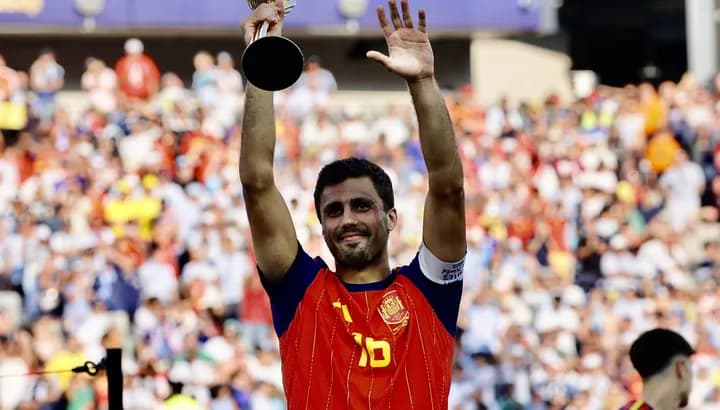
World Cup 2026 Best XI: Messi, Rodri, Mbappe Lead the Lineup
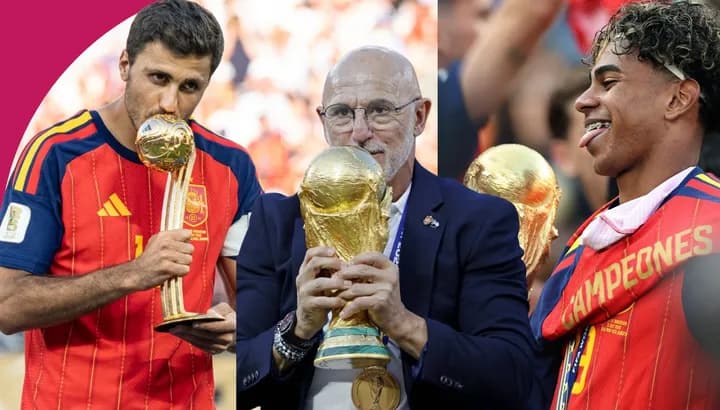
Spain’s Tactical Mastery Behind Their Second World Cup Triumph
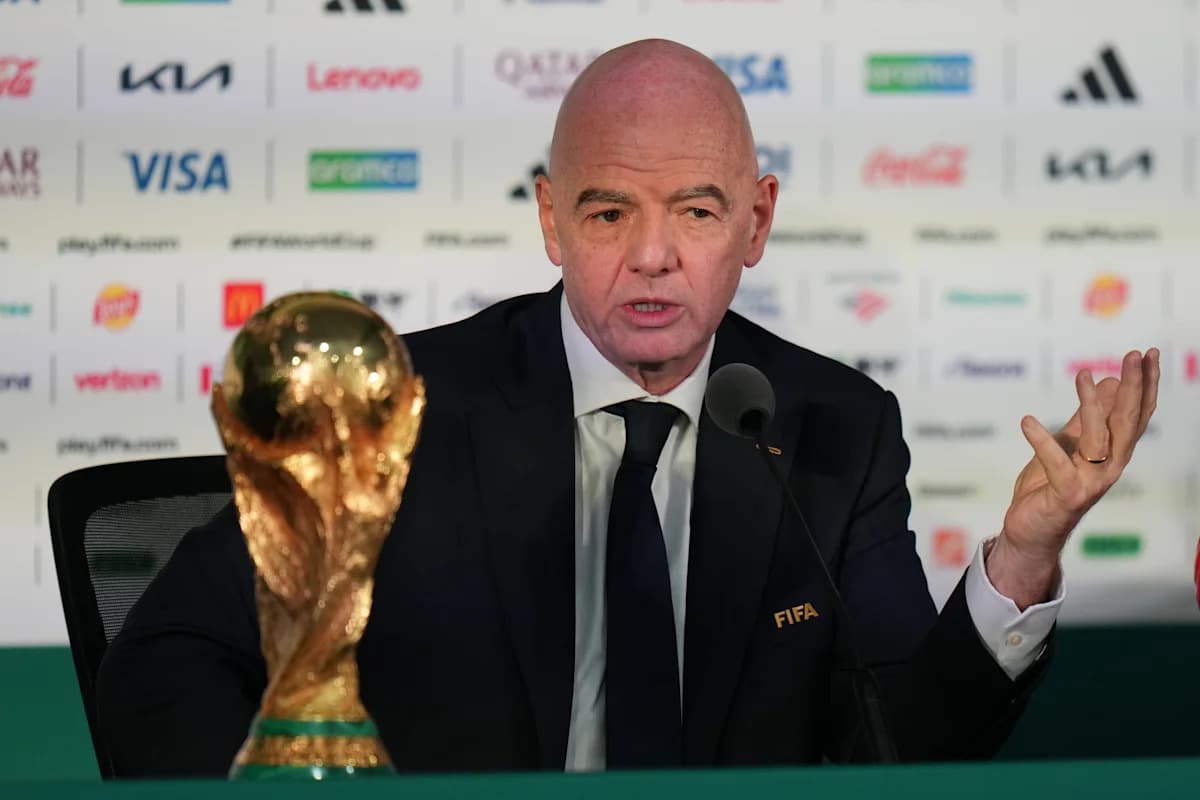
Gianni Infantino Criticizes World Cup 2026 Detractors Amid Event's Success
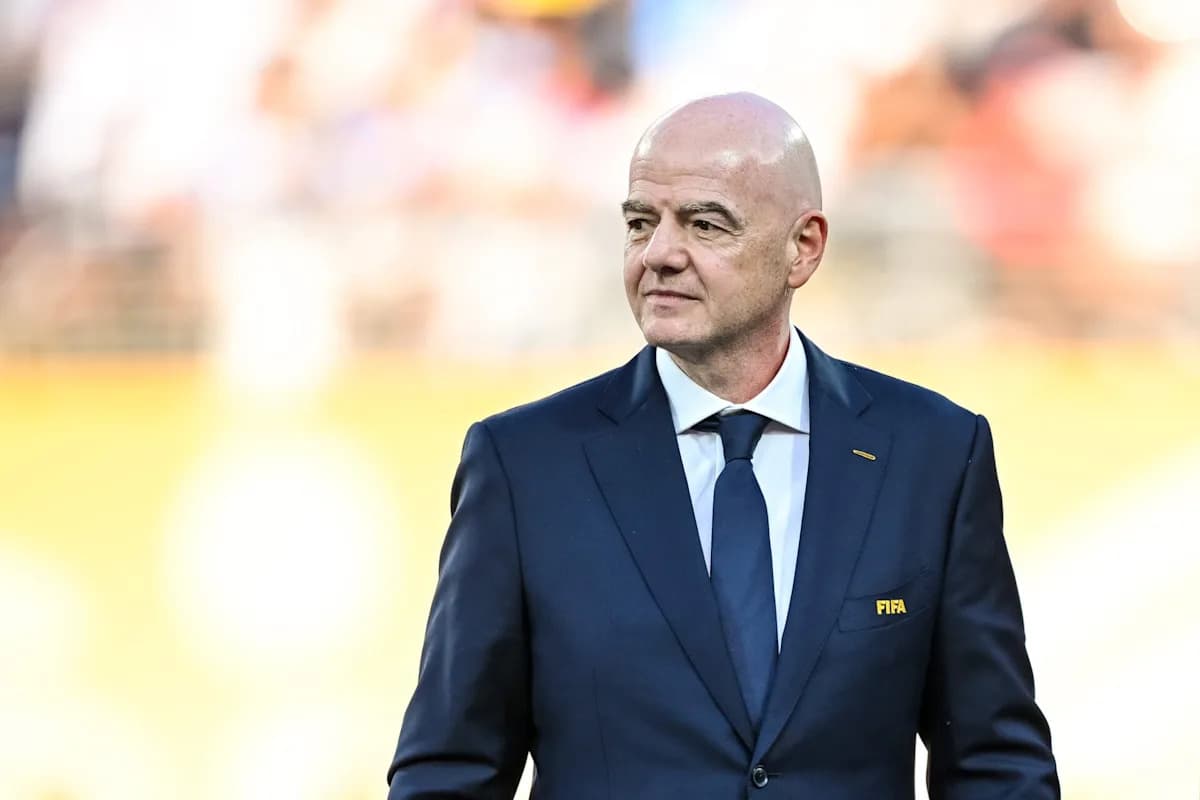
FIFA President Gianni Infantino Responds Strongly to 2026 World Cup Critics
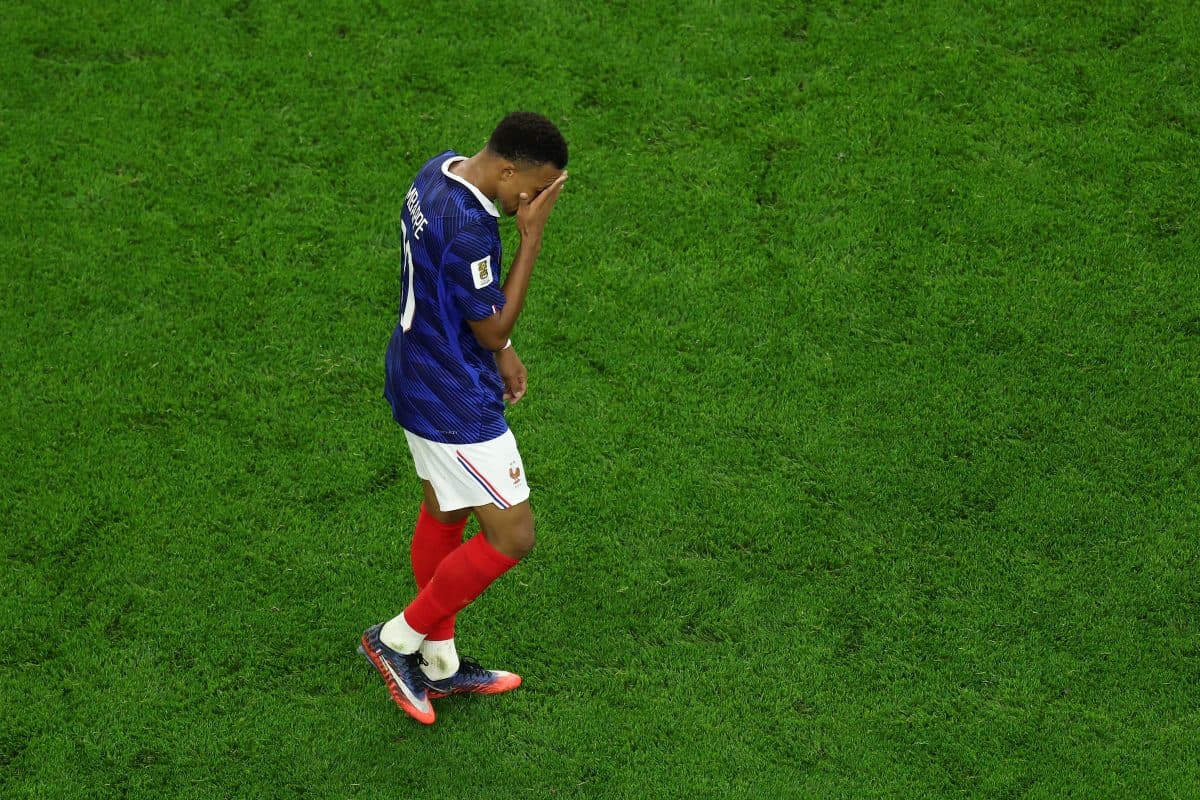
Kylian Mbappé Pens Open Letter to France Fans After 2026 World Cup