
How Third-Place Teams Qualify for the 2026 World Cup Knockouts: Current Standings and Rules
The expansion of the 2026 World Cup to 48 teams has allowed eight out of the 12 third-place finishers in the group stage to advance to the knockout rounds. While the top two teams in each group automatically qualify, the third-placed sides face a unique challenge. Some smaller nations have surprised many by securing valuable draws and even threatening to move on beyond the group phase.
Ranking Third-Place Teams
After the group stage concludes, all 12 third-place teams are ranked together in a separate table. The order is determined first by points earned, then goal difference, followed by total goals scored. This ranking resembles the tiebreakers used in leagues like the Premier League.
Tiebreaker Criteria
- Points
- Goal difference
- Goals scored
- Fair play score (based on cards received): - Yellow card: -1 - Red card from two yellows: -3 - Straight red card: -4 - Yellow followed by straight red: -5
- FIFA rankings – First the latest ranking before the tournament, then the previous ranking
If two or more teams remain tied after points, goal difference, and goals scored, fair play records come into play. If still unresolved, FIFA rankings break the deadlock.
Current Third-Place Standings
Standings updated as of June 26, 2026, 12:02 a.m. ET
Impact on Knockout Stage Matchups
The identity of the third-place qualifiers directly shapes the knockout round pairings. Eight group winners will face these third-placed teams, while the other four group winners meet runners-up. The exact matchups aren’t determined until all group matches finish.
For instance, the USMNT, having secured first place in Group D, will face one of the third-placed teams from Groups B, E, F, I, or J. Which team exactly depends on the final third-place rankings. There are 495 possible combinations of qualifying third-place teams, creating many different potential matchups.
Potential Knockout Opponents by Group Winners
Should the eight advancing third-place teams come from groups A through H, then the USMNT would face the third-place team from Group B, for example. These varying scenarios make the knockout stage unpredictable.
Related News
FIFA World Cup 2026 Commentary Team: Complete List of Presenters and Analysts
World Cup 2026 Best XI: Messi, Rodri, Mbappe Lead the Lineup
Spain’s Tactical Mastery Behind Their Second World Cup Triumph
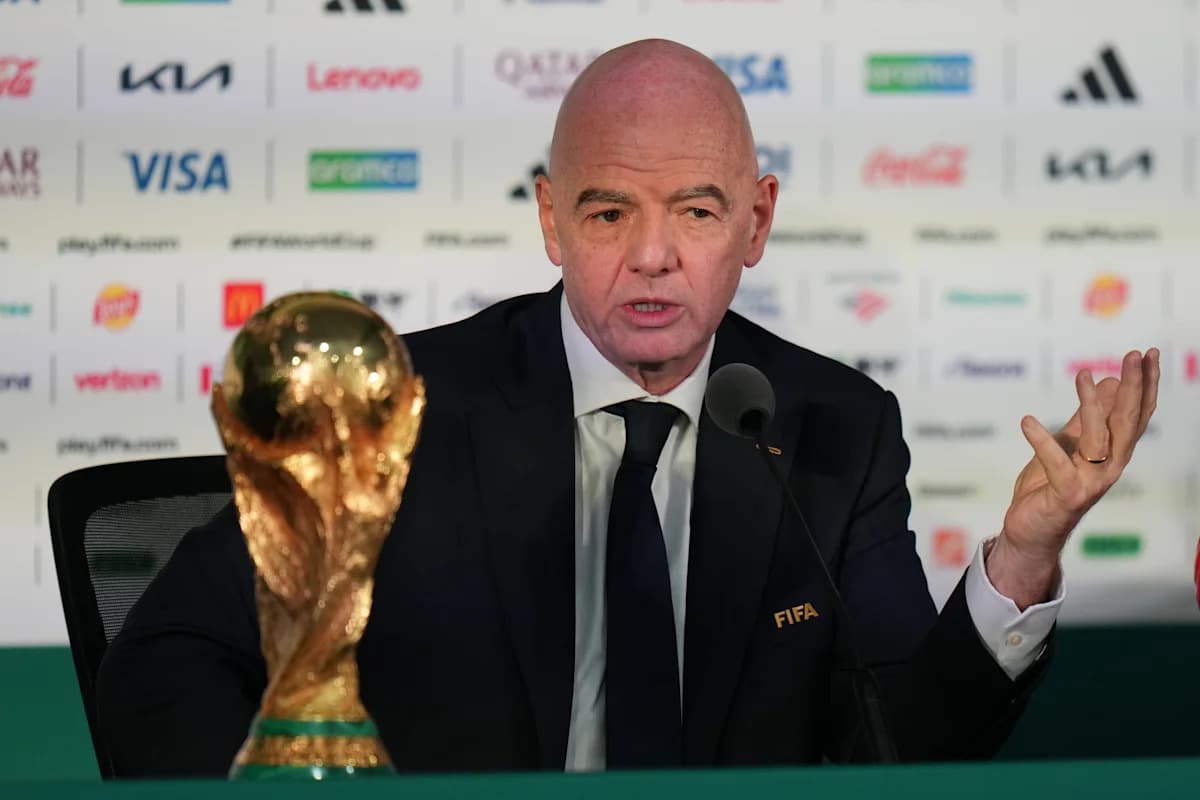
Gianni Infantino Criticizes World Cup 2026 Detractors Amid Event's Success
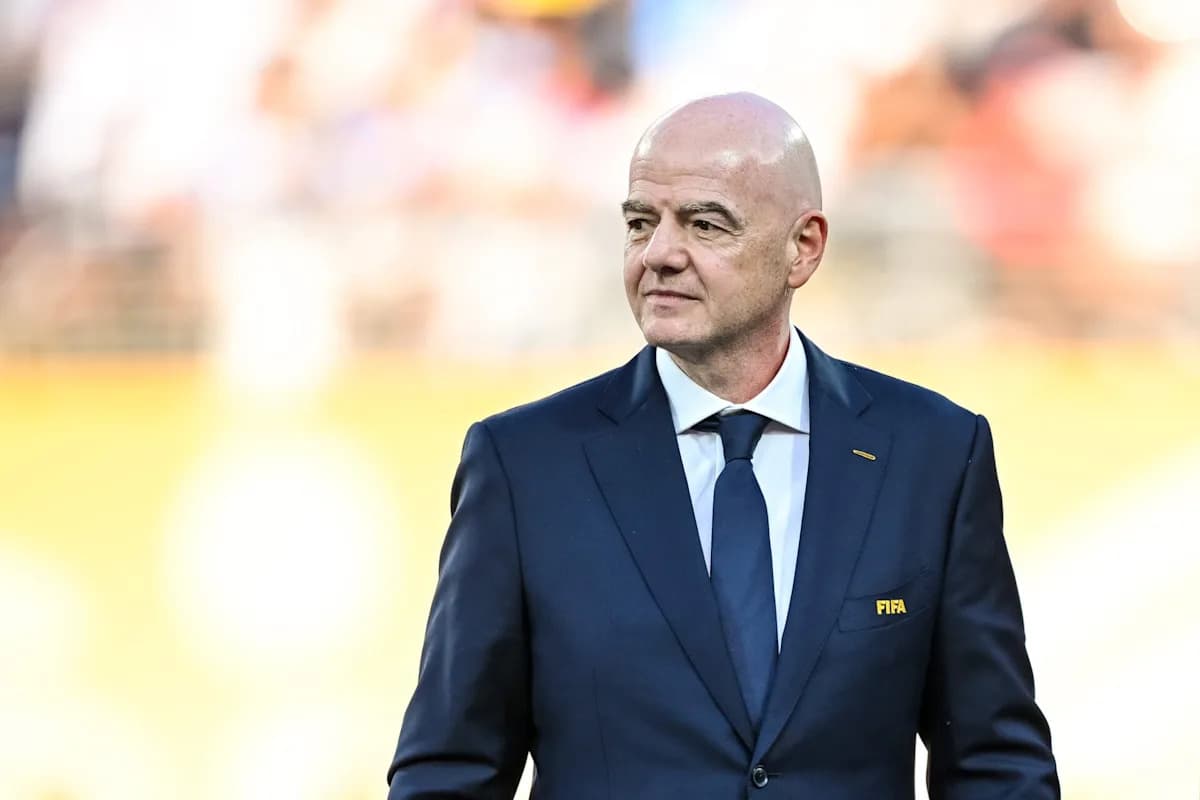
FIFA President Gianni Infantino Responds Strongly to 2026 World Cup Critics
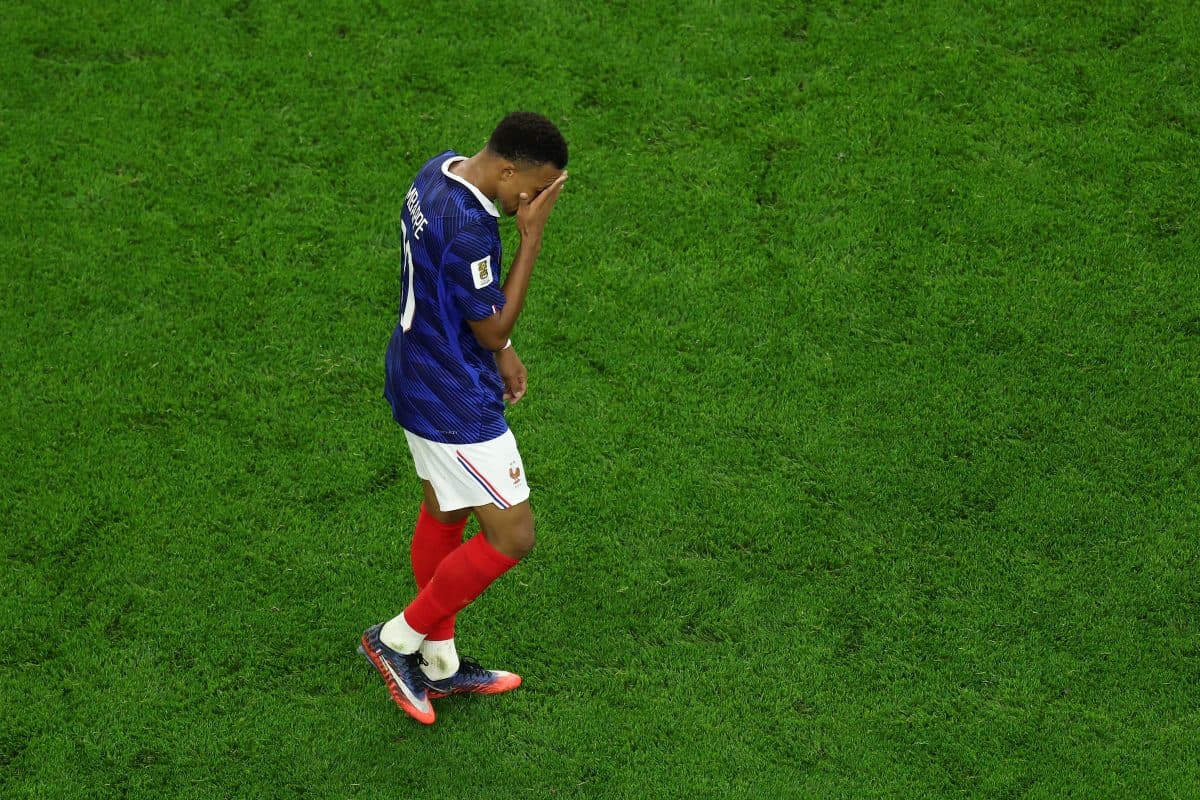
Kylian Mbappé Pens Open Letter to France Fans After 2026 World Cup